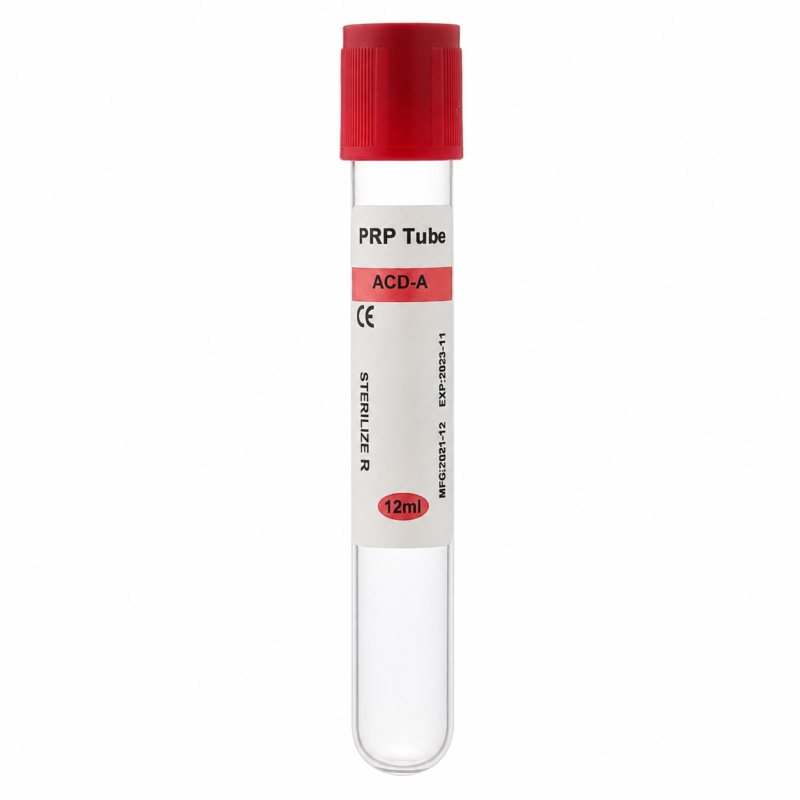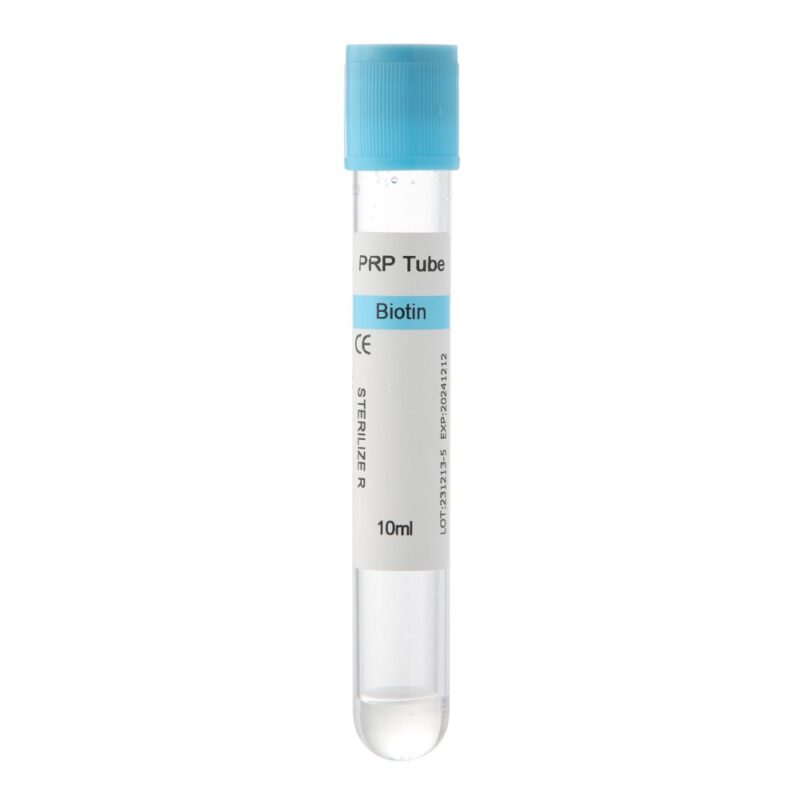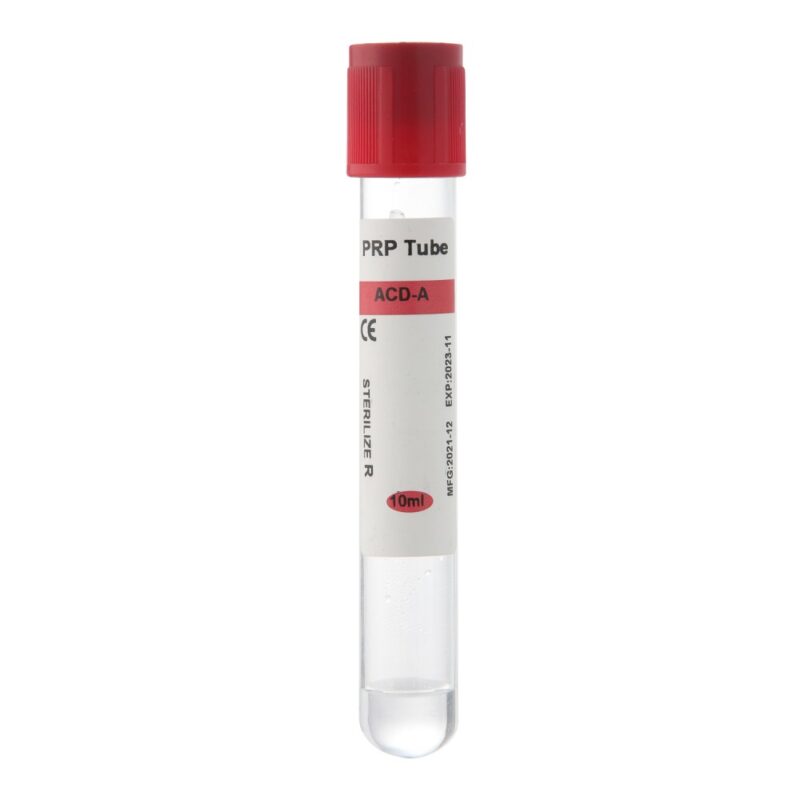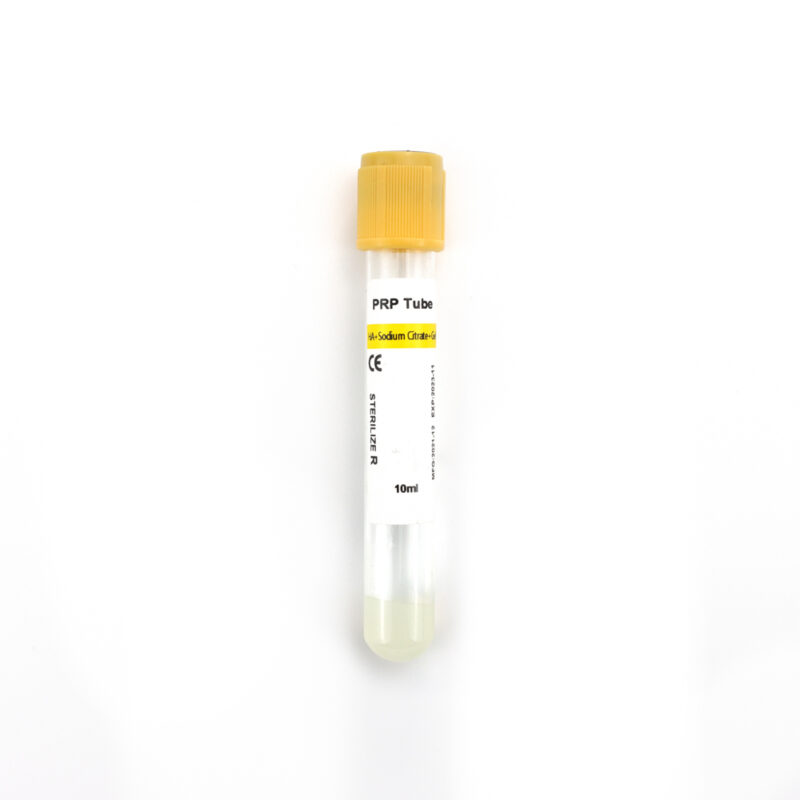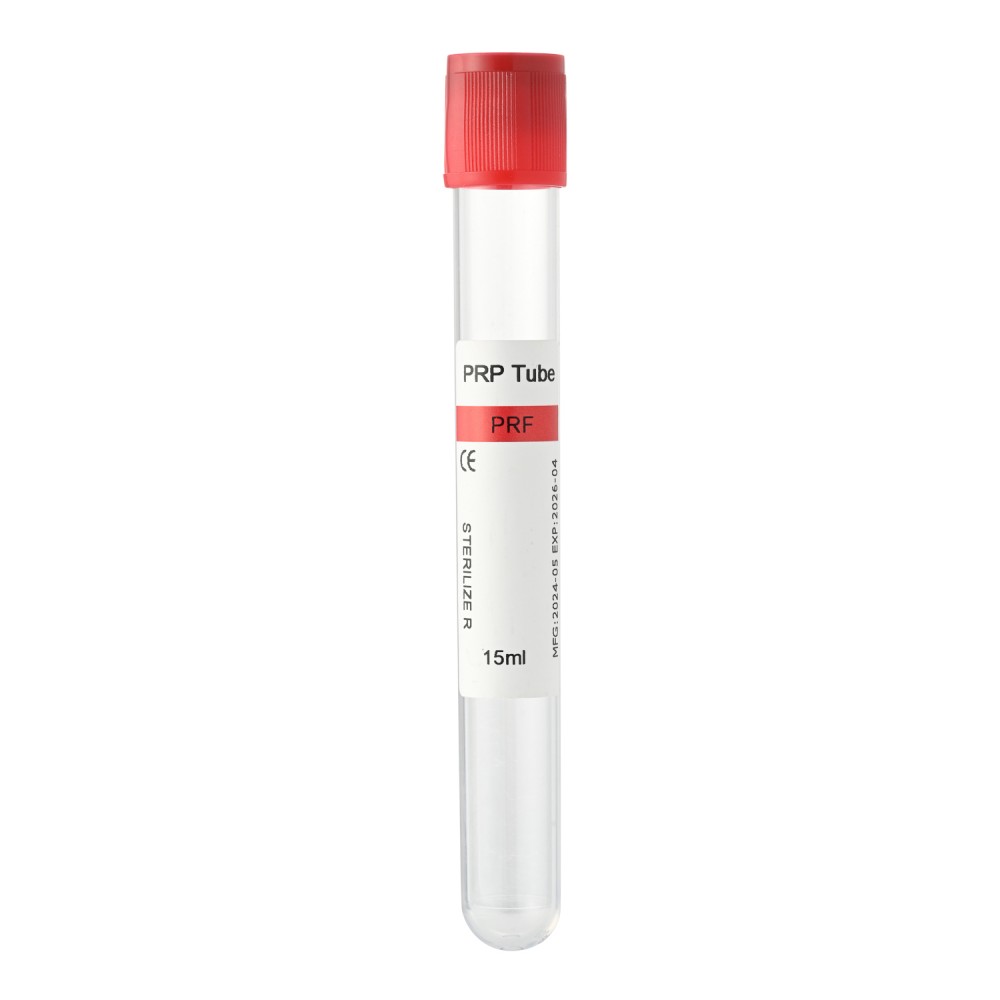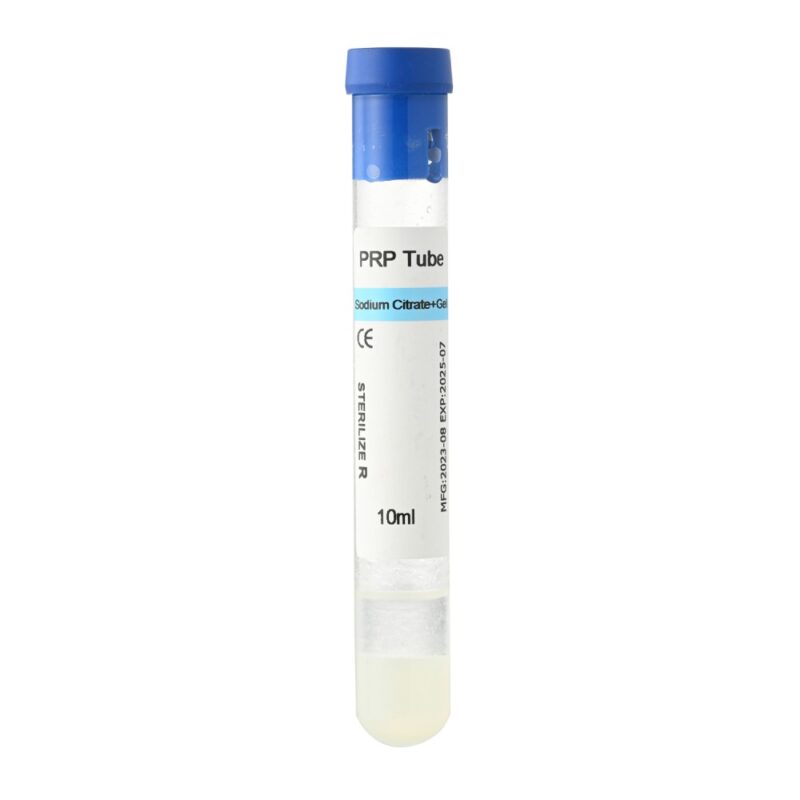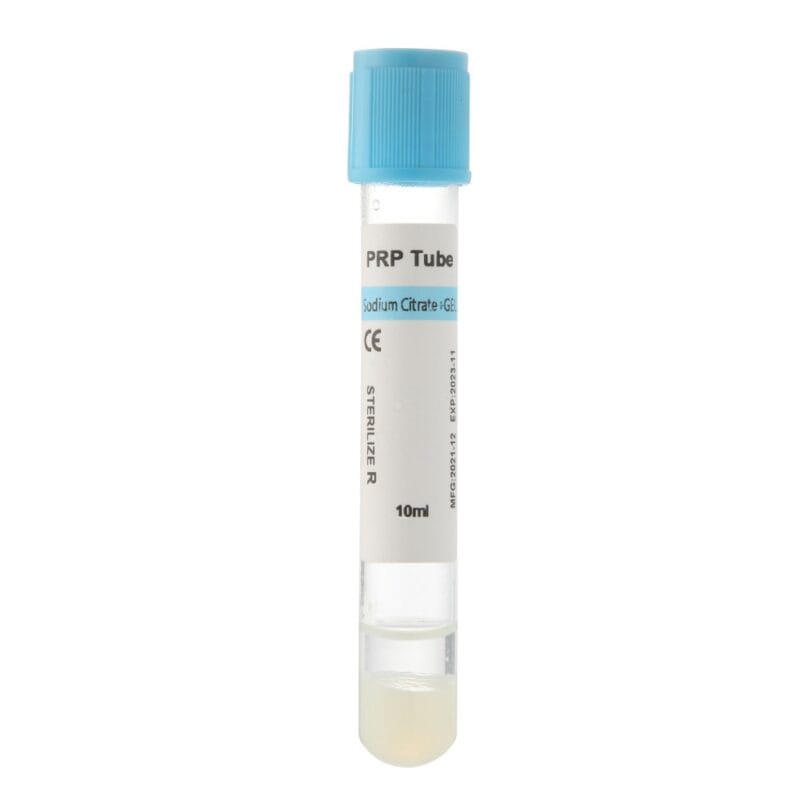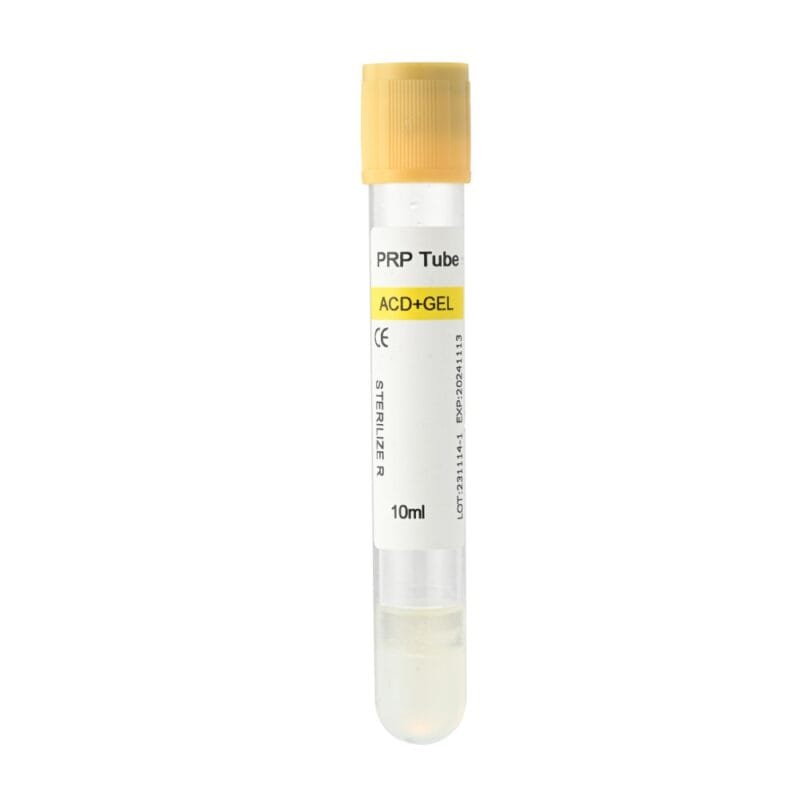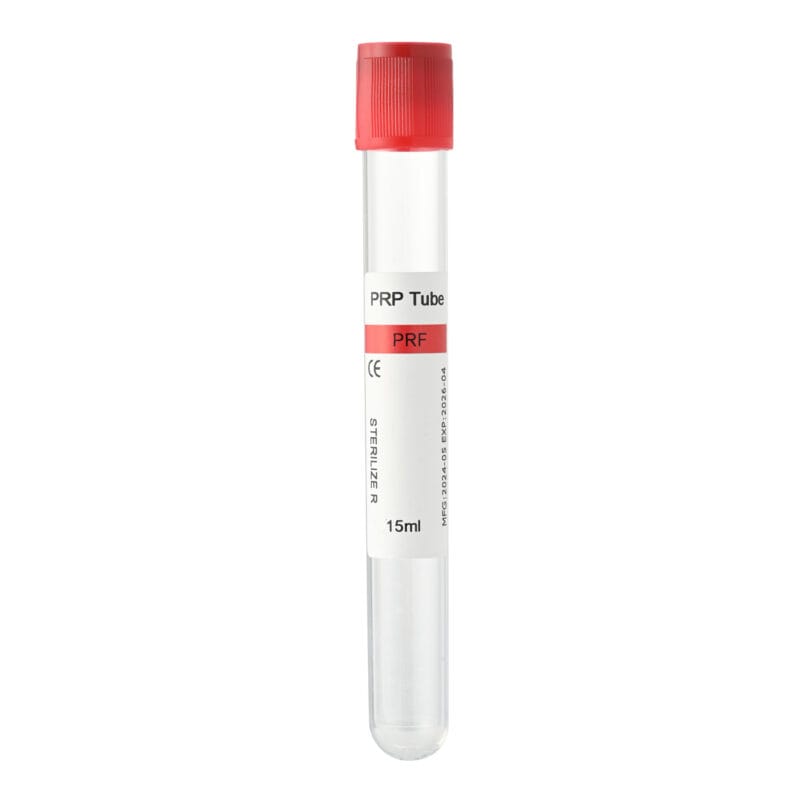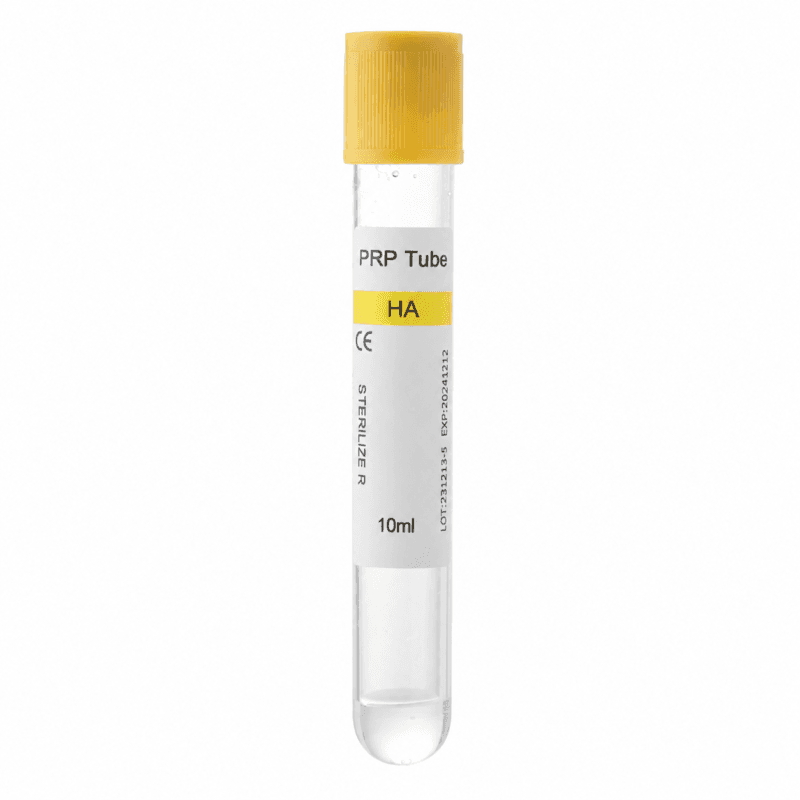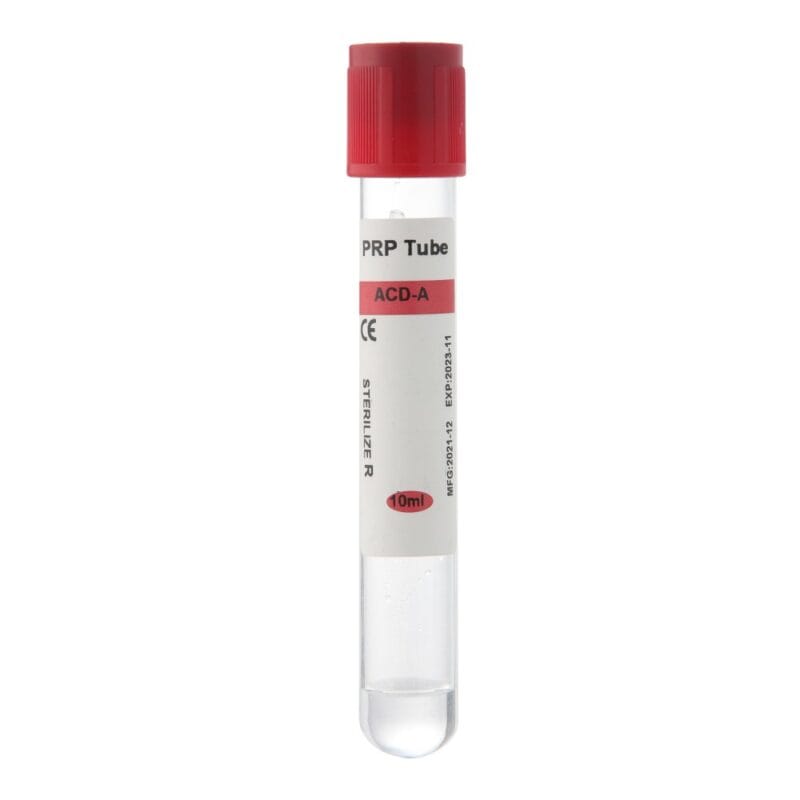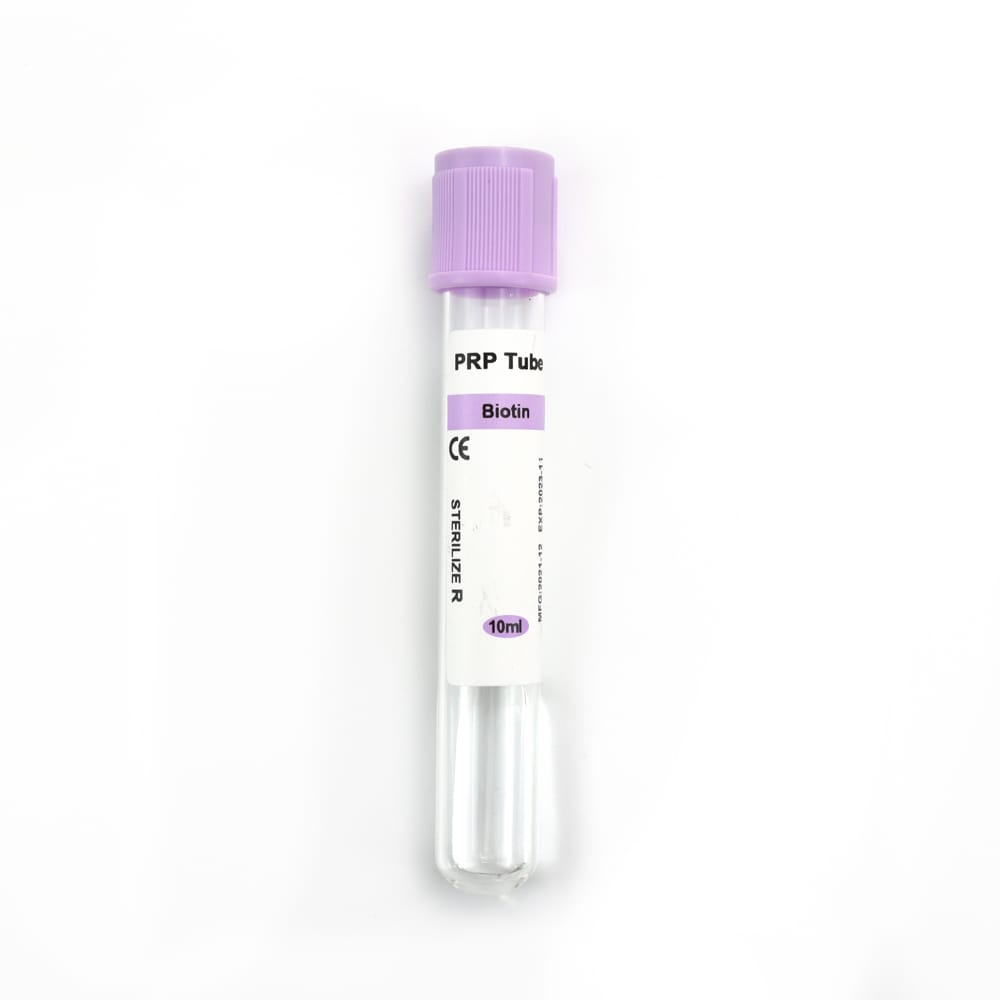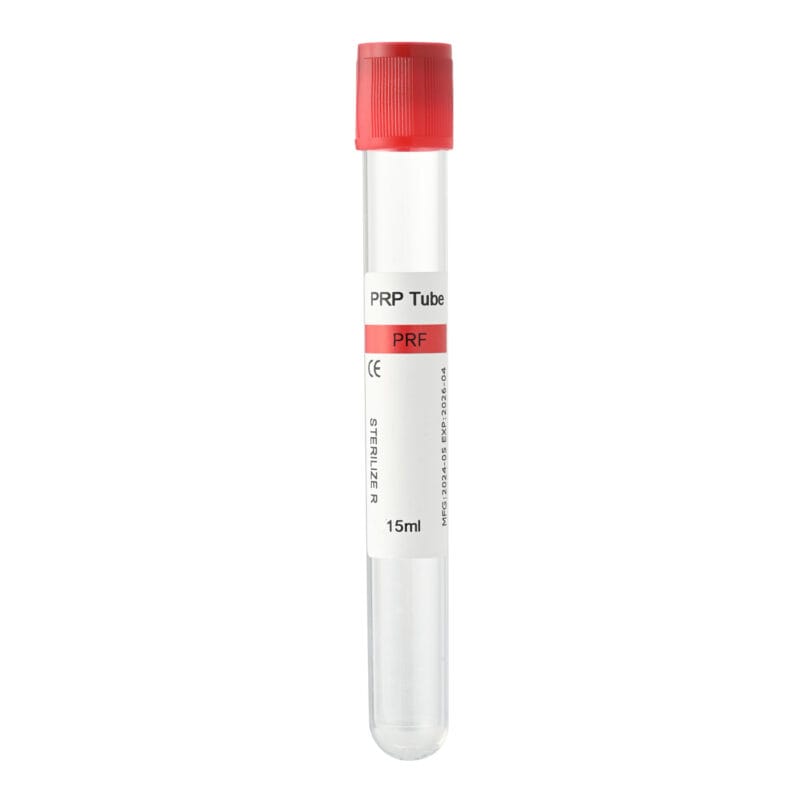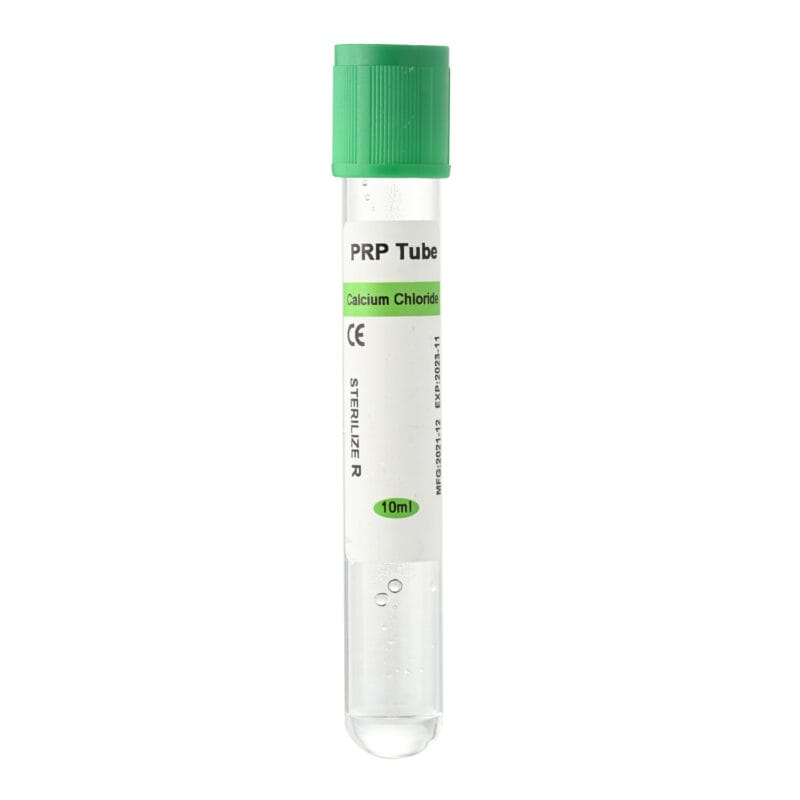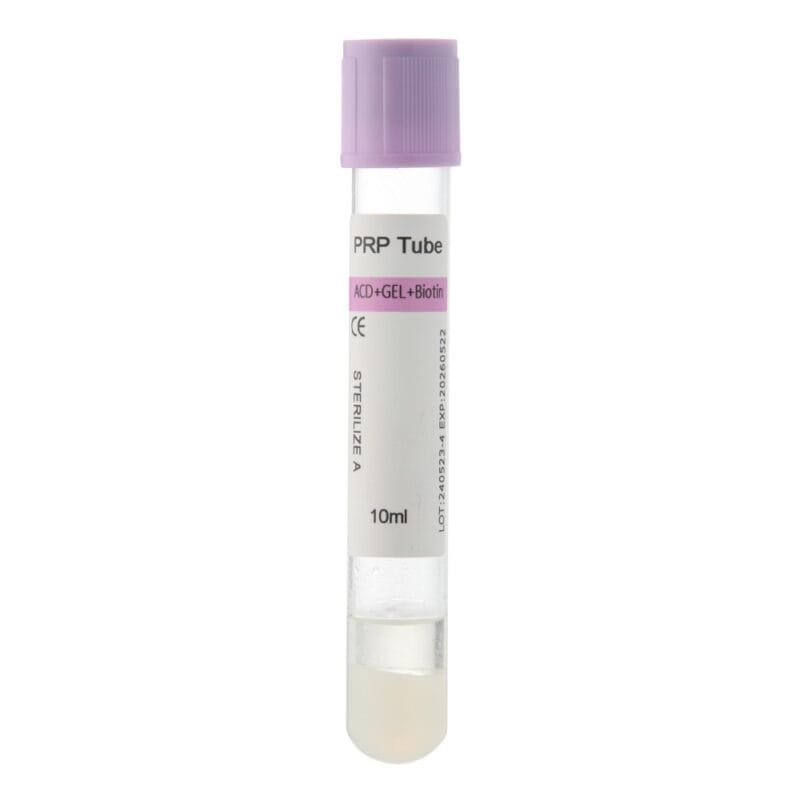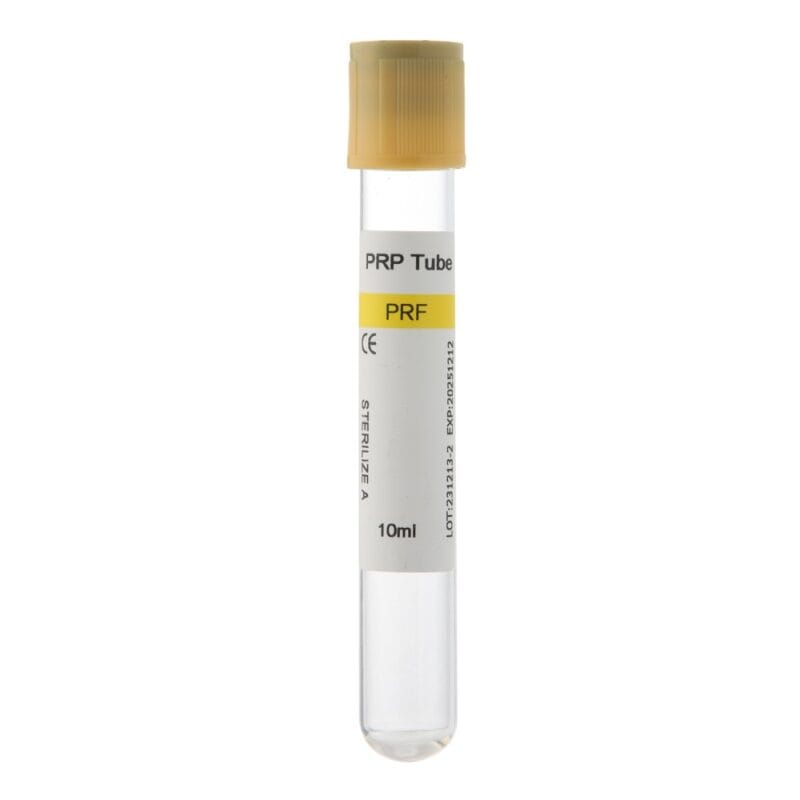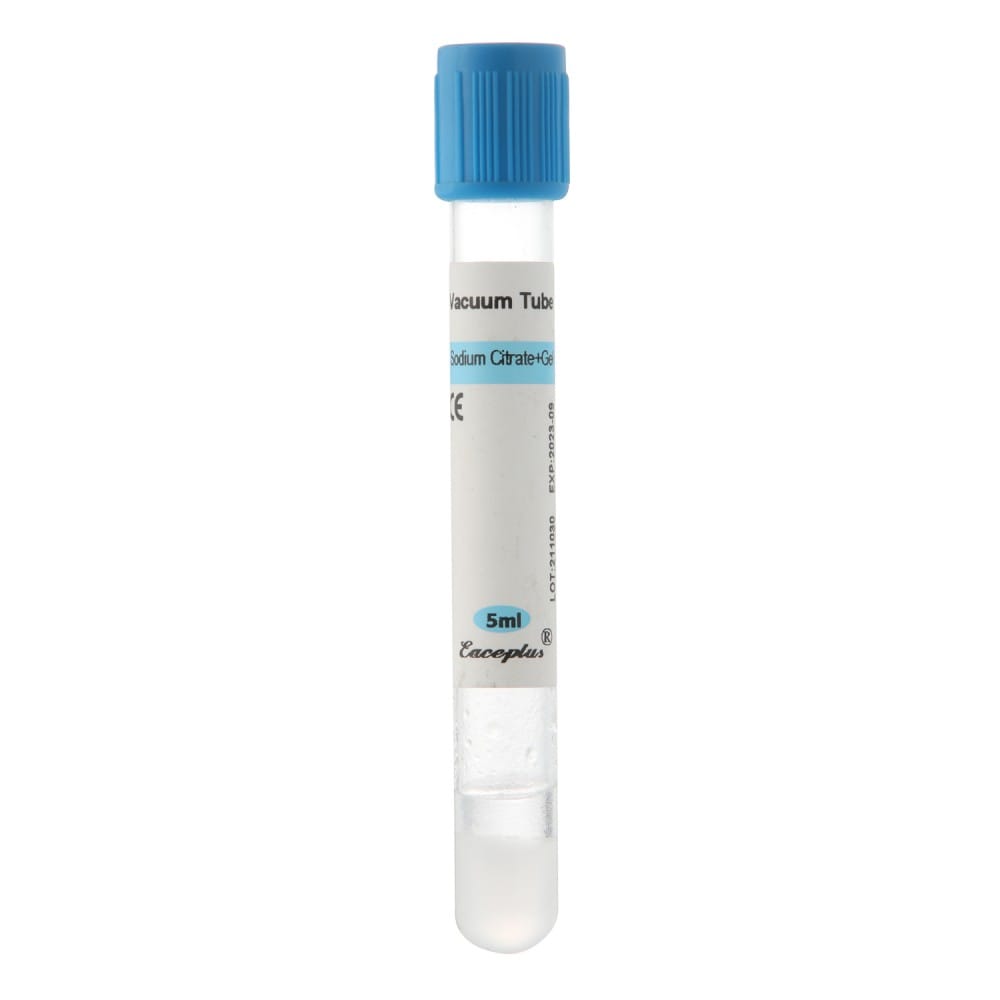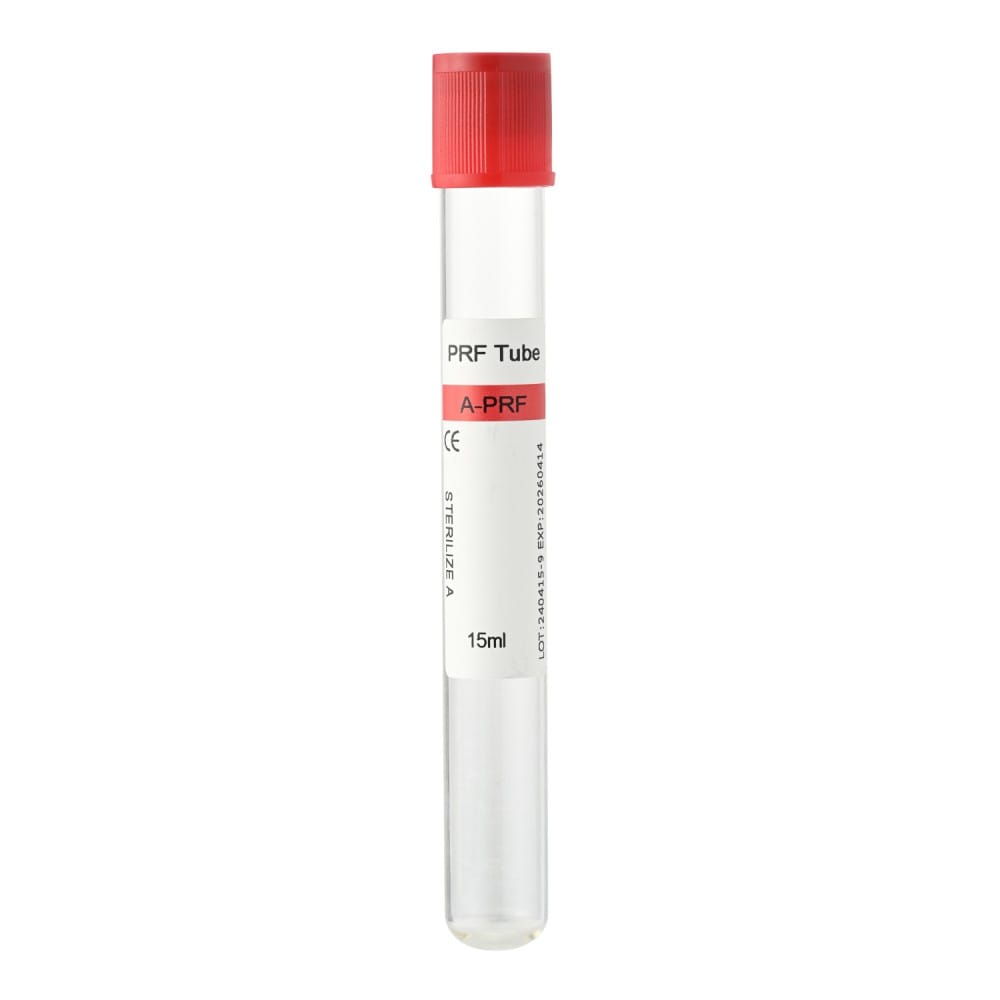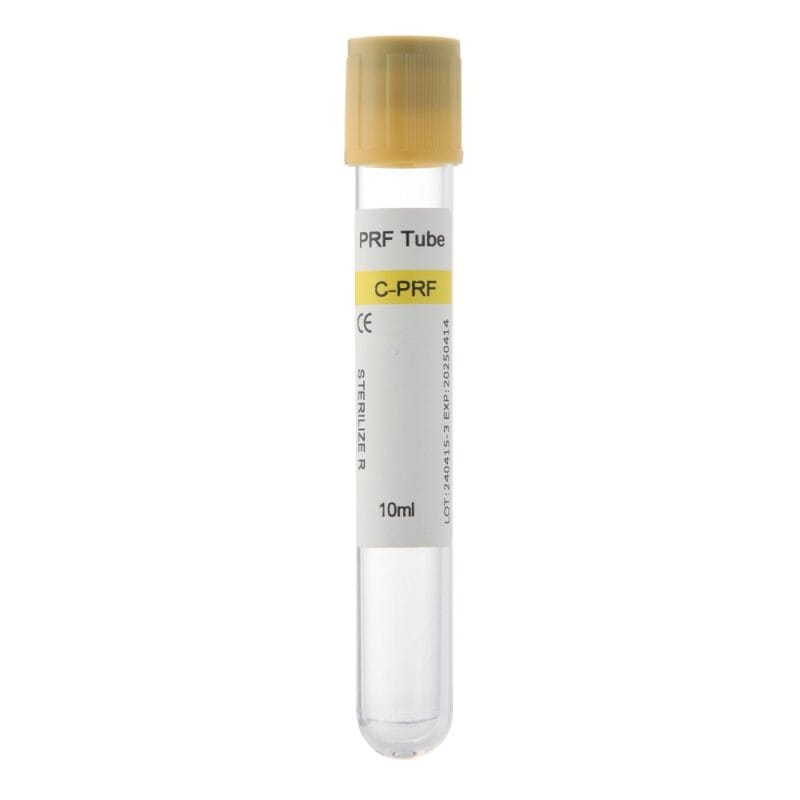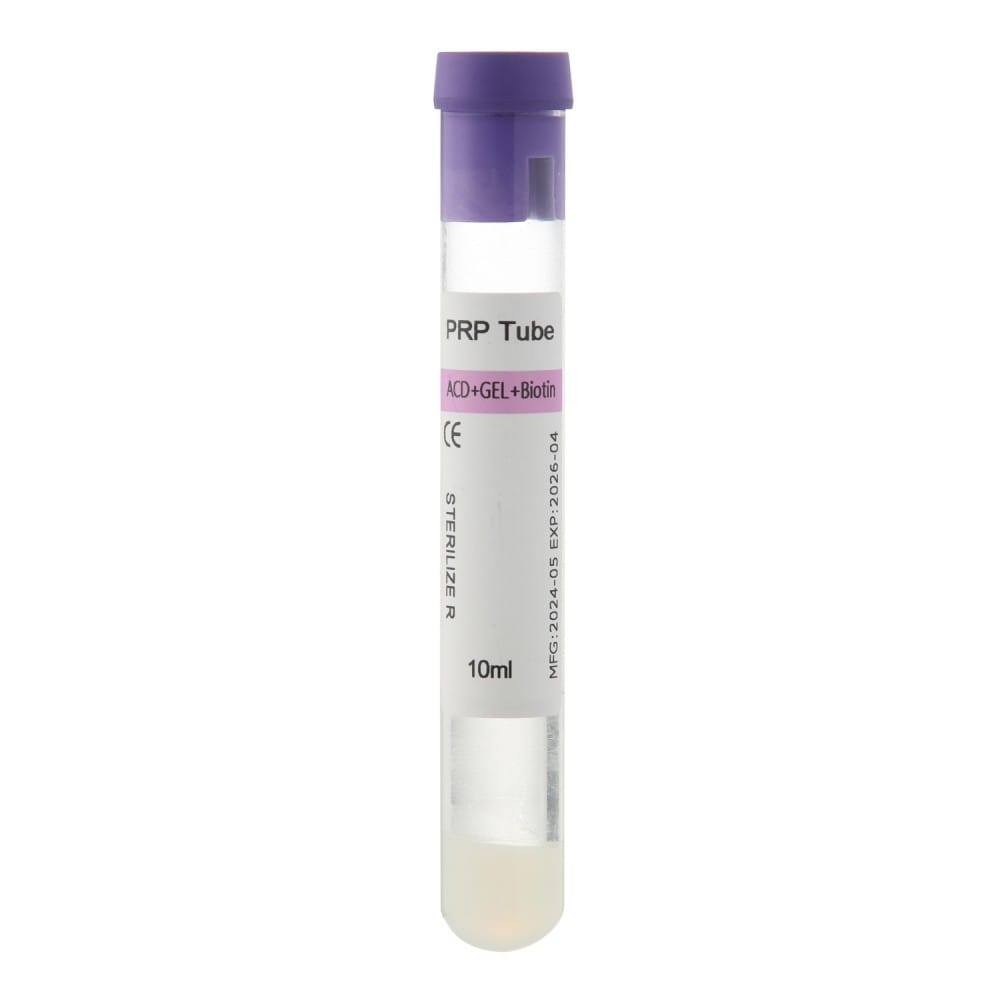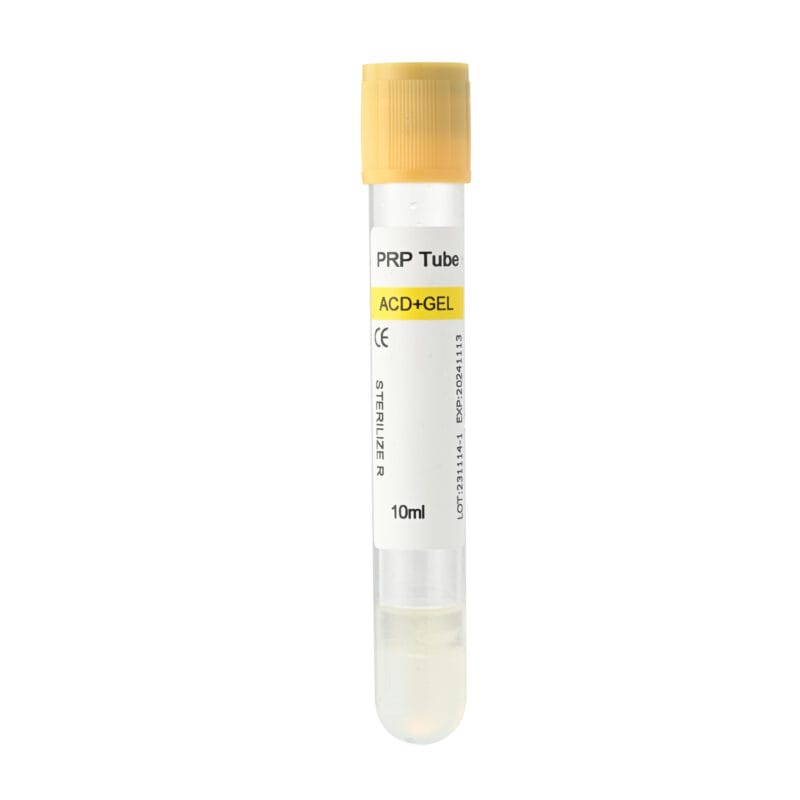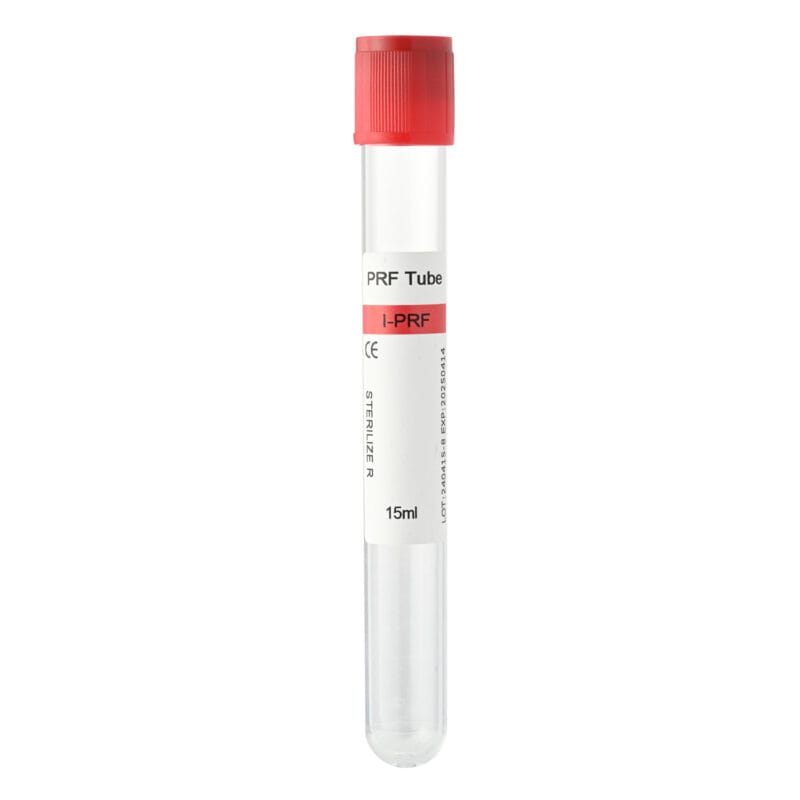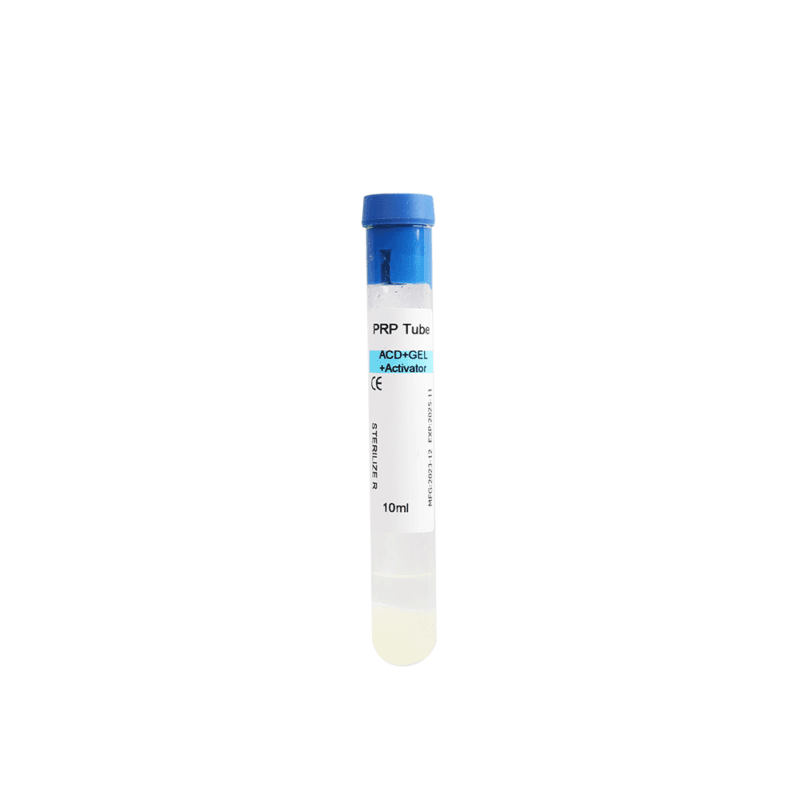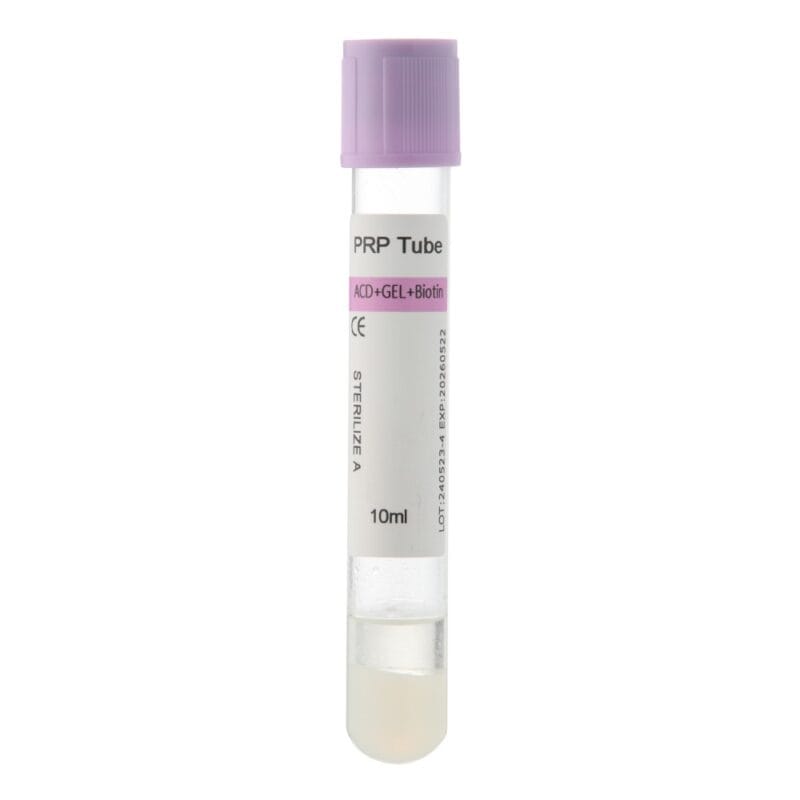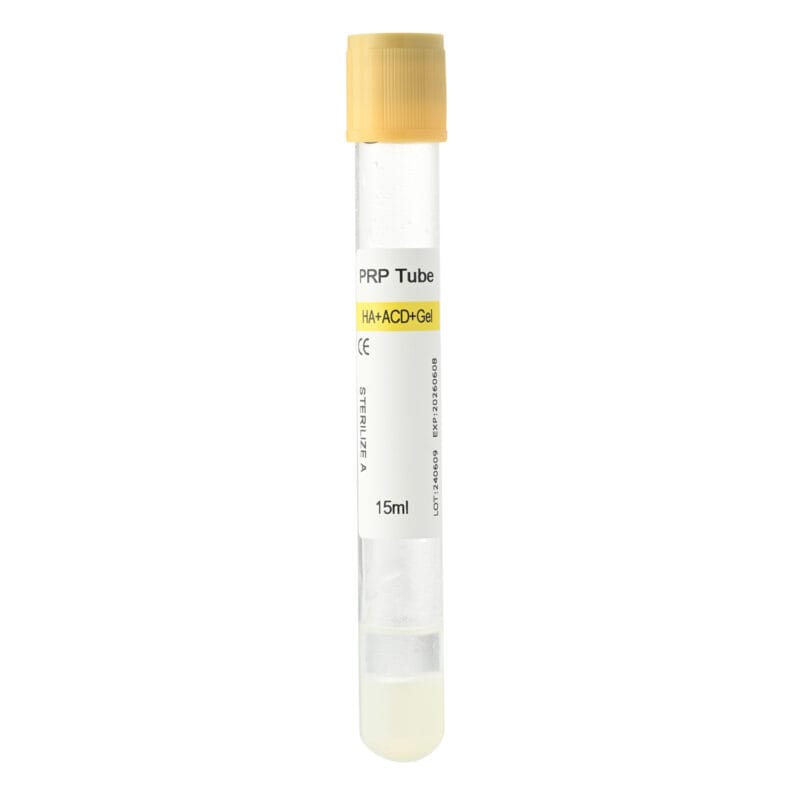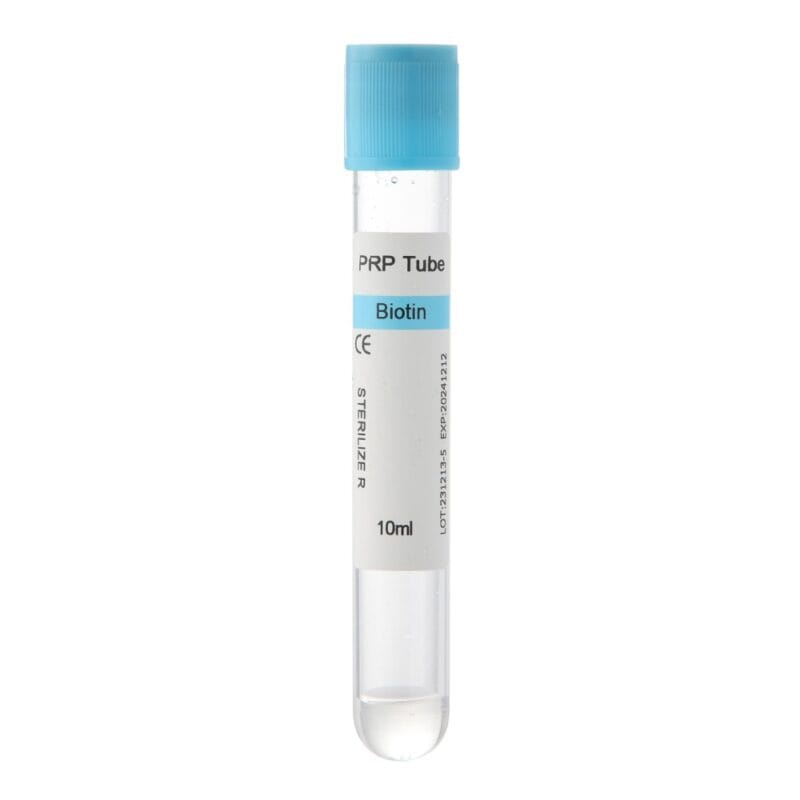
Choosing a PRP tube involves more than comparing tube size and price. Anticoagulants, separator systems, blood collection volume, tube material, centrifugation requirements, sterility, and documentation can all affect how well a product fits into your clinic’s existing workflow.
That is why understanding how to choose a PRP tube should start with your preparation protocol. A dermatology clinic, hair restoration center, and orthopedic practice may not prepare PRP in exactly the same way. Instead of looking for one “best” tube, the goal is to find a product that works reliably with your centrifuge, preparation method, required PRP volume, staff workflow, and local requirements.
This buyer’s guide walks through the main factors worth checking before you request samples or place a bulk order.
How to Choose a PRP Tube Based on Your Clinical Protocol
Before comparing suppliers, define what your clinic actually needs from the tube.
PRP preparation involves several connected variables. Blood collection volume, anticoagulation, centrifugal force, spin time, separation method, and plasma extraction all contribute to the characteristics of the final preparation. Therefore, changing the tube without considering the rest of the protocol may introduce unnecessary variation.
Start with a few practical questions:
- What PRP preparation protocol does your clinic currently use?
- How much whole blood is normally collected per patient?
- How much usable PRP does the procedure require?
- Does your workflow use a single-spin or double-spin process?
- Do you prefer separator gel or manual layer extraction?
- What centrifuge and rotor configuration do you use?
- How many staff members are responsible for PRP preparation?
These questions quickly narrow the options.
For example, a busy aesthetic clinic may prioritize a straightforward preparation process that trained staff can reproduce throughout the day. Another clinic may prefer more manual control over plasma collection and therefore choose a different tube configuration.
The key purchasing principle is simple:
Choose the tube around the protocol—not the protocol around whichever tube is cheapest.
Be cautious when a supplier presents one PRP tube as a universal solution while providing little information about its recommended preparation conditions. A professional supplier should be able to explain how the tube is intended to fit into a defined workflow.
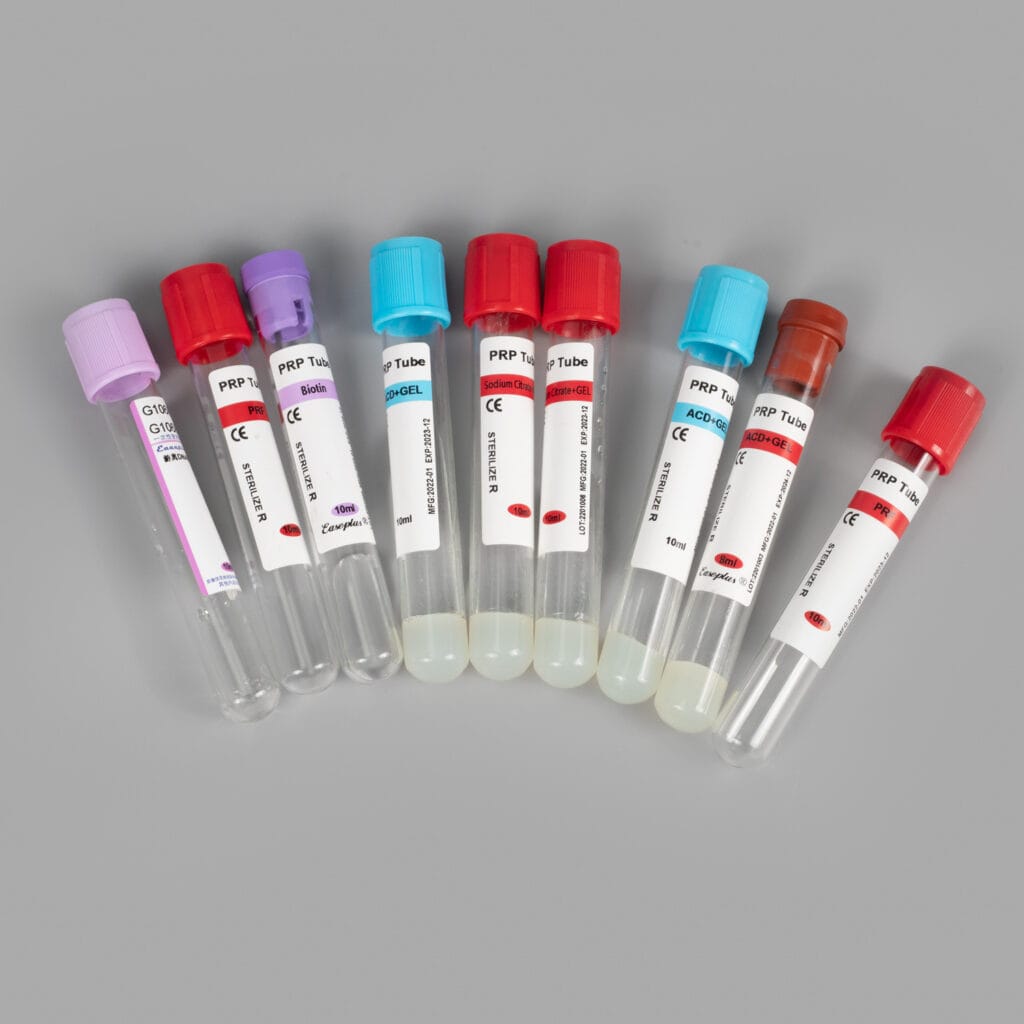
Compare PRP Tube Anticoagulants, Separator Systems, and Materials
Once your preparation method is clear, look more closely at the tube itself. Three areas deserve particular attention: the anticoagulant, separation method, and tube material.
Anticoagulant System
Many PRP preparation systems use citrate-based anticoagulants such as ACD-A or sodium citrate. These anticoagulants help prevent coagulation while the blood is being processed.
Neither option should automatically be treated as superior for every protocol. What matters is whether the anticoagulant system matches the preparation method used by your clinic.
If your clinic already follows an established protocol, maintaining the same anticoagulant system may also make training and standardization easier.
Routine laboratory collection tubes should not automatically be considered interchangeable with tubes intended for PRP preparation simply because they contain a familiar anticoagulant. The intended use, anticoagulant-to-blood ratio, sterility requirements, tube design, and processing instructions may differ.
Separator Gel or No Separator Gel?
This is another important purchasing decision.
A PRP tube with separator gel uses a physical barrier to help separate blood components after centrifugation. This can make the separation interface easier to identify and may simplify plasma collection.
Gel systems may suit clinics that value:
- Convenient separation
- Clearer identification of blood layers
- Reduced manual handling
- A more repeatable day-to-day workflow
A PRP tube without separator gel may offer greater manual control over which plasma layers are collected. However, the process can depend more heavily on the preparation technique and staff experience.
Neither design is automatically better.
Think about who will actually prepare PRP in your clinic. If several nurses or technicians perform the procedure, a simpler and more standardized workflow may be useful. If one experienced practitioner handles most preparations using a specific method, greater manual control may be preferred.
Tube Material
Tube material should not be treated as a cosmetic specification.
PRP preparation tubes may use medical-grade plastics such as PET or glass. Different materials have different surface characteristics, so the material should be appropriate for the intended preparation method and tube design.
More importantly, buyers should not assume that two tubes are equivalent simply because they have the same capacity, dimensions, or appearance.
When requesting a quotation or sample, ask the supplier to clearly identify the tube material, internal additives, separator system, and recommended processing conditions.
Check PRP Tube Volume and Centrifuge Compatibility
A common purchasing mistake is choosing a tube by capacity alone.
A 10 mL tube from one supplier does not necessarily perform exactly like another 10 mL tube. External dimensions, actual blood draw volume, additive quantity, separator configuration, and recommended centrifugation conditions may differ.
Tube Capacity Is Not the Same as Final PRP Volume
This distinction is especially important for first-time buyers.
A 10 mL collection tube does not produce 10 mL of PRP. The recoverable plasma volume depends on factors such as the amount of whole blood collected, tube design, separation system, centrifugation protocol, and which plasma fraction is collected.
Therefore, don’t ask only:
“What size is the tube?”
Also ask:
“What usable plasma volume can typically be obtained when following the recommended preparation protocol?”
This makes it much easier to estimate how many tubes your clinic may need for each procedure.
For example, a procedure requiring a relatively small amount of prepared plasma may use fewer tubes. Procedures requiring more material may involve multiple tubes or a larger-volume preparation workflow.
The objective is not simply to collect more blood. It is to build a predictable workflow without unnecessary consumable use.
Check the Centrifuge Before You Order
Next, confirm whether the tube works with your existing centrifuge.
Check:
- Tube dimensions
- Rotor compatibility
- Required adapters
- Recommended RCF (×g)
- Centrifugation time
- Single-spin or double-spin protocol
- Fixed-angle or swing-out rotor requirements, where applicable
One detail deserves special attention: do not compare PRP protocols by RPM alone.
RPM tells you how quickly the rotor turns. It does not tell you the actual centrifugal force acting on the sample.
Relative centrifugal force, or RCF, depends on both rotational speed and rotor radius. Therefore, two centrifuges operating at the same RPM can expose the tubes to different centrifugal forces.
Buyer tip: Ask the supplier for the recommended RCF (×g), centrifugation time, and compatible rotor type—not RPM alone.
The tube, centrifuge, rotor, and preparation instructions should work together. Using a new tube with an existing centrifugation routine without checking compatibility may create avoidable variation between preparations.
Evaluate Sterility, Documentation, and Manufacturing Consistency
Once the basic tube configuration fits your workflow, move to quality and compliance.
Price matters when a clinic uses PRP tubes regularly. However, the cheapest quotation is not necessarily the lowest-cost option in practice.
Imagine that your team has already established a routine around one tube. Staff know the collection volume, centrifugation settings, separation appearance, and extraction technique.
If the next shipment behaves noticeably differently, the savings from a cheaper supplier can disappear quickly.
Sterility and Packaging
Check whether the tubes arrive in intact packaging appropriate for their intended use.
Buyers should verify the stated sterilization information, shelf life, storage requirements, and packaging configuration. These details are especially important when ordering larger quantities that may remain in inventory for several months.
Lot and Expiry Traceability
LOT numbers and expiration information help clinics manage inventory and trace the products used during procedures.
This becomes even more important for organizations with multiple treatment rooms, several branches, or high monthly consumption.
Regulatory Documentation
Do not stop at a logo printed on the packaging.
Ask what documentation is available for the actual product you intend to purchase. You should also confirm whether its stated intended use and documentation are appropriate for your market.
Depending on the destination country and product classification, buyers may need certificates, declarations, product specifications, sterilization information, labeling documentation, or other regulatory files.
Requirements vary between markets. Clinics, importers, and distributors should therefore verify the regulations that apply locally before placing an order.
Batch-to-Batch Consistency
A successful sample test is useful, but it does not tell you everything about long-term supply.
Ask how the manufacturer controls:
- Tube dimensions
- Vacuum or collection volume
- Additive quantity
- Separator consistency
- Sterilization
- Packaging
- Lot identification
- Finished-product inspection
For repeat purchasing, predictable manufacturing can be more valuable than an unusually low first-order price.
How to Choose a PRP Tube Supplier Before Ordering in Bulk
The final stage is supplier evaluation.
At this point, you are no longer comparing only individual tubes. You are evaluating whether the supplier can support your clinic reliably over time.
Whenever possible, request samples before committing to a large order. Test the tubes under the same conditions your clinic normally uses instead of changing several variables at once.
During testing, observe whether blood collection is straightforward. Check separation after centrifugation and whether the layers are easy to identify. Then evaluate how convenient plasma extraction is for your staff.
Most importantly, repeat the process. One successful tube does not demonstrate consistency.
Evaluate the Commercial Side Too
Once sample testing is satisfactory, review the purchasing conditions.
Ask about:
- Minimum order quantity
- Production and delivery lead time
- Available packaging formats
- Shelf life at shipment
- Documentation availability
- Lot traceability
- Production and supply capacity
- OEM or private-label options, when required
- Technical support for product selection
It is also useful to calculate cost per procedure, rather than simply cost per tube.
A slightly more expensive tube that fits your centrifuge, simplifies staff training, produces predictable separation, and arrives consistently may be more economical than a cheaper alternative that creates workflow problems.
PRP Tube Buyer’s Checklist
Before approving a product or supplier, your purchasing team should be able to confirm the following:
| What to Check | What You Need to Confirm |
|---|---|
| Intended use | Suitable for your planned PRP workflow |
| Anticoagulant | Compatible with your established protocol |
| Separator | Gel or non-gel according to your preparation method |
| Tube material | Clearly specified and suitable for intended processing |
| Blood volume | Appropriate for your normal treatment workflow |
| Expected output | Usable plasma volume under the recommended protocol |
| Centrifuge compatibility | Tube dimensions, rotor, adapter, RCF and time confirmed |
| Sterility | Sterilization and packaging information available |
| Traceability | LOT and expiry information provided |
| Documentation | Appropriate documents available for your market |
| Batch consistency | Manufacturing and QC support repeat purchasing |
| Supply reliability | Lead time and capacity fit expected demand |
| Sample testing | Product verified in your clinic before bulk purchase |
If several suppliers appear similar on paper, working through this checklist usually makes the differences much easier to identify.
FAQ About Choosing PRP Tubes for a Clinic
What is the most important factor when choosing a PRP tube?
Compatibility with your complete preparation protocol is more important than any single specification. The anticoagulant, tube design, collection volume, centrifugation conditions, separation method, and intended use should work together.
Are all PRP tubes compatible with every centrifuge?
No. Tube dimensions, rotor configuration, adapters, recommended RCF, and centrifugation time can vary. Always confirm compatibility before ordering.
Does a 10 mL PRP tube produce 10 mL of PRP?
No. Tube capacity or blood collection volume should not be confused with final usable PRP volume. The amount obtained depends on the preparation system, blood volume, separation method, centrifugation protocol, and plasma fraction collected.
Should I choose a PRP tube with separator gel?
It depends on your workflow. Separator gel can simplify blood-component separation and may help standardize preparation. Gel-free systems may offer greater manual control. The better option is the one that fits your established protocol and staff workflow.
Is ACD-A better than sodium citrate for PRP?
There is no universal answer for every PRP preparation method. Both are citrate-based anticoagulant systems used in PRP preparation. Clinics should choose an option that matches their established protocol and intended use rather than relying on a single marketing claim.
Should clinics test PRP tube samples before purchasing in bulk?
Yes. Sample testing allows your team to evaluate blood collection, centrifuge compatibility, separation behavior, handling, and workflow consistency under your own operating conditions before committing to a larger purchase.
Choose a PRP Tube That Fits Your Clinic
Understanding how to choose a PRP tube ultimately comes down to compatibility, consistency, and reliable supply.
Start with your clinical protocol. Then evaluate the anticoagulant and separation system, required blood and PRP volume, centrifuge compatibility, tube material, sterility, documentation, and manufacturing consistency. Finally, test samples under your actual working conditions before moving to a larger order.
This approach is more useful than choosing a tube simply because it has the right capacity or the lowest unit price. A suitable PRP tube should fit naturally into your workflow and help your team maintain a predictable preparation process from one procedure to the next.
If you are sourcing PRP tubes for an aesthetic clinic, hair restoration center, orthopedic practice, distributor, or other professional application, Siny PRP offers multiple PRP tube configurations for different preparation requirements. Visit our PRP tube product range or contact us with your current centrifuge, required blood volume, and preparation workflow to discuss a suitable option for further evaluation.