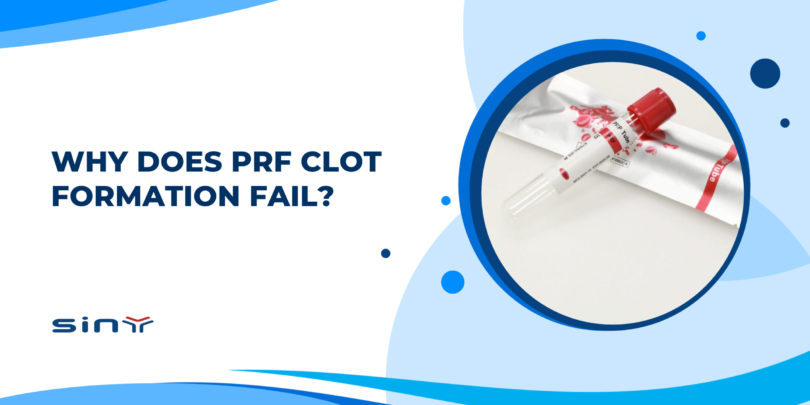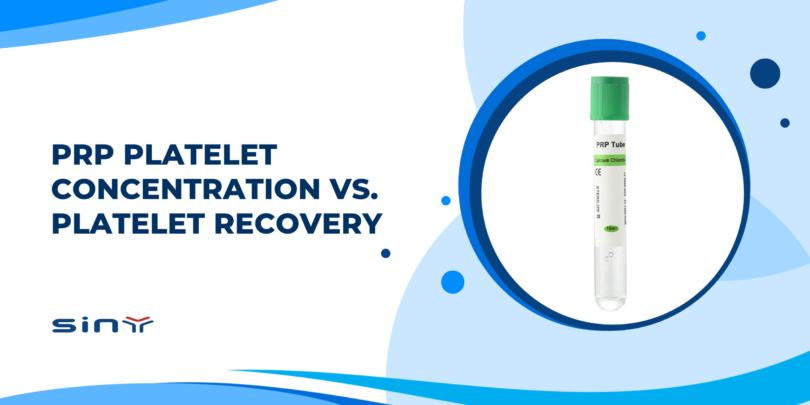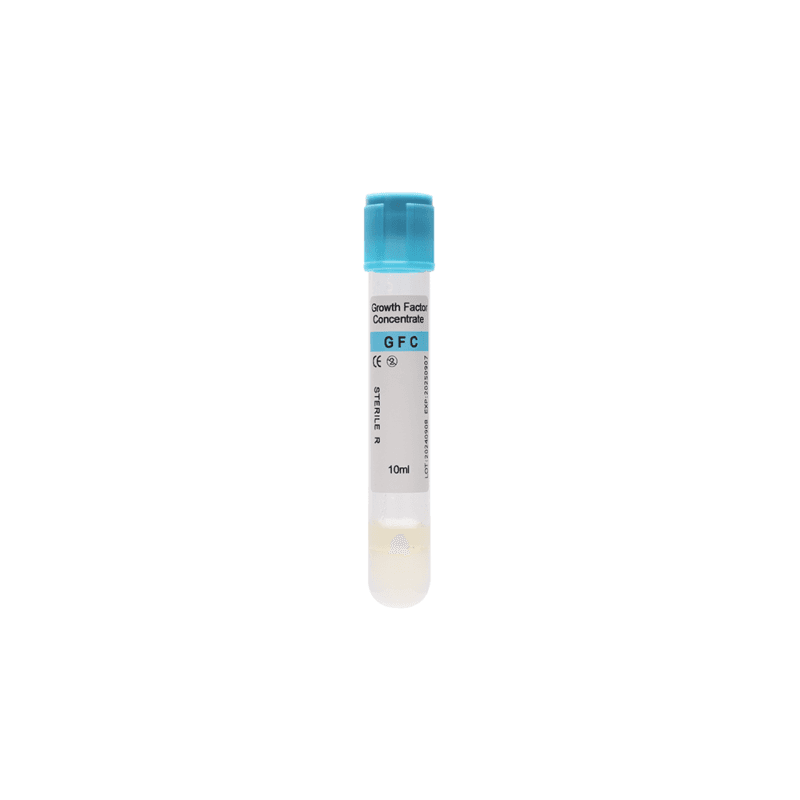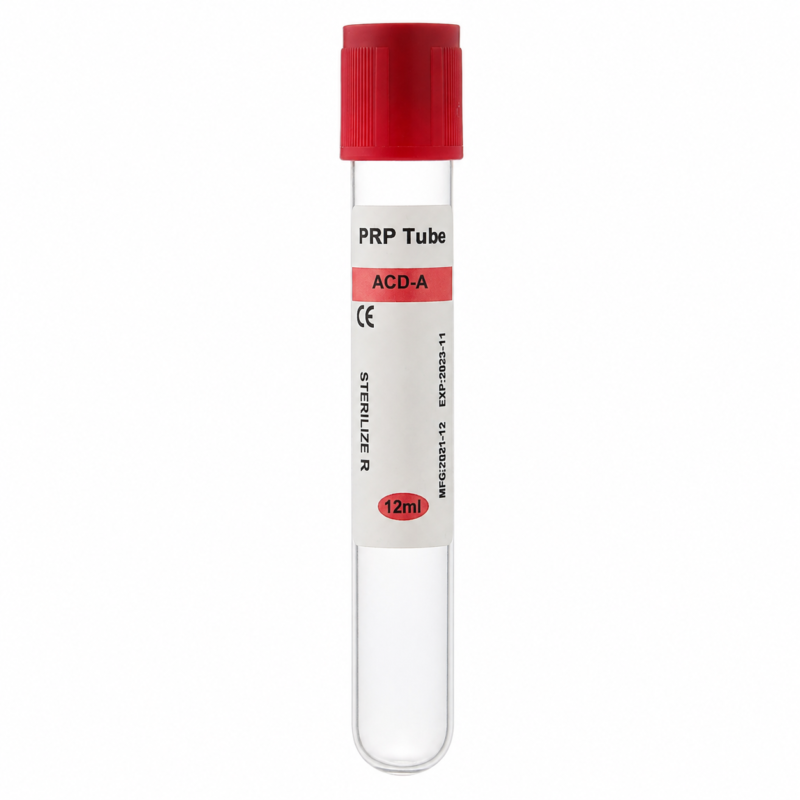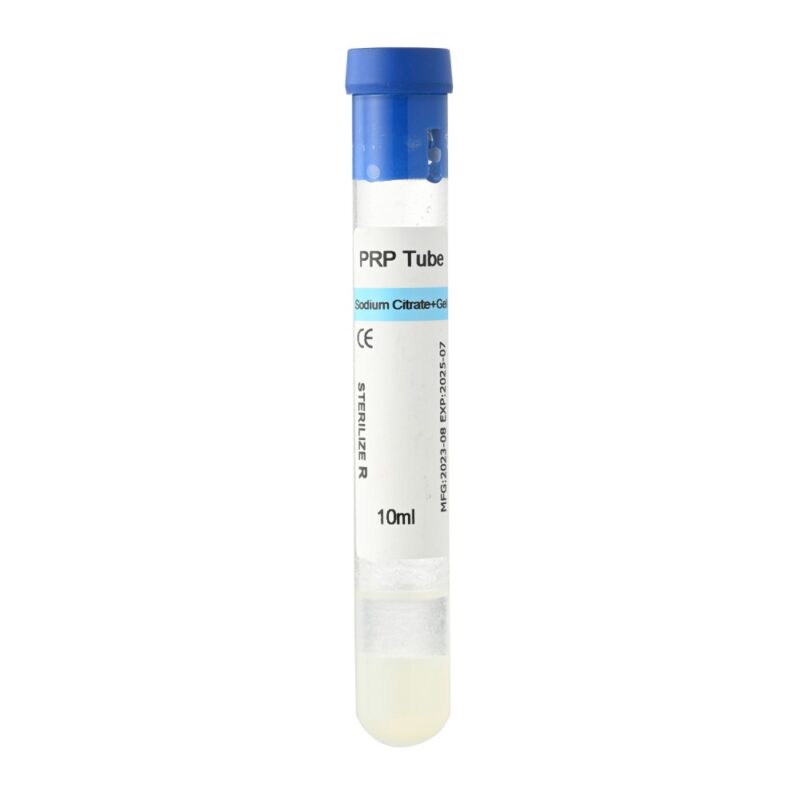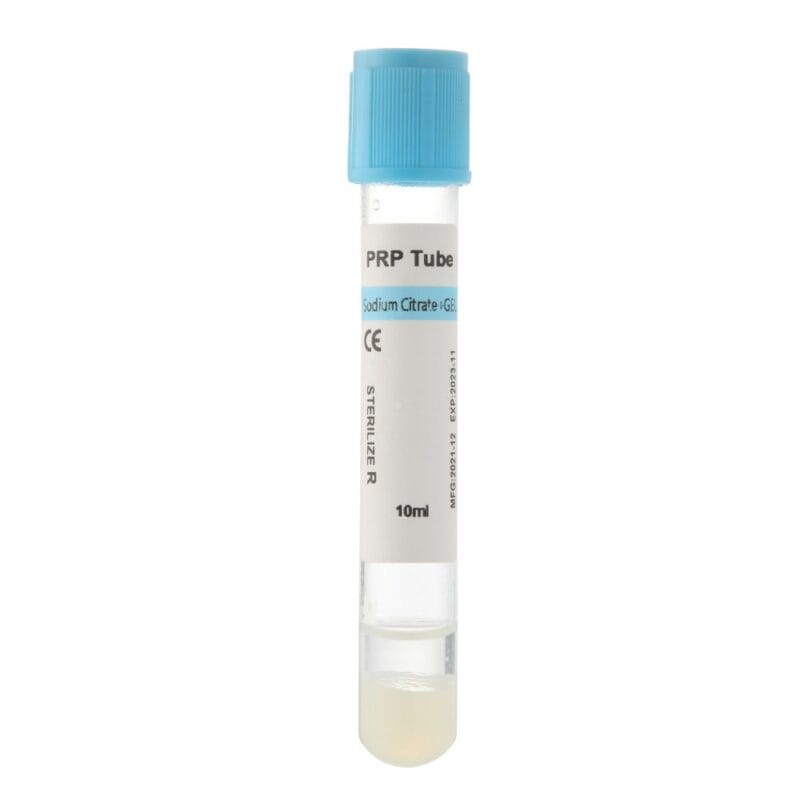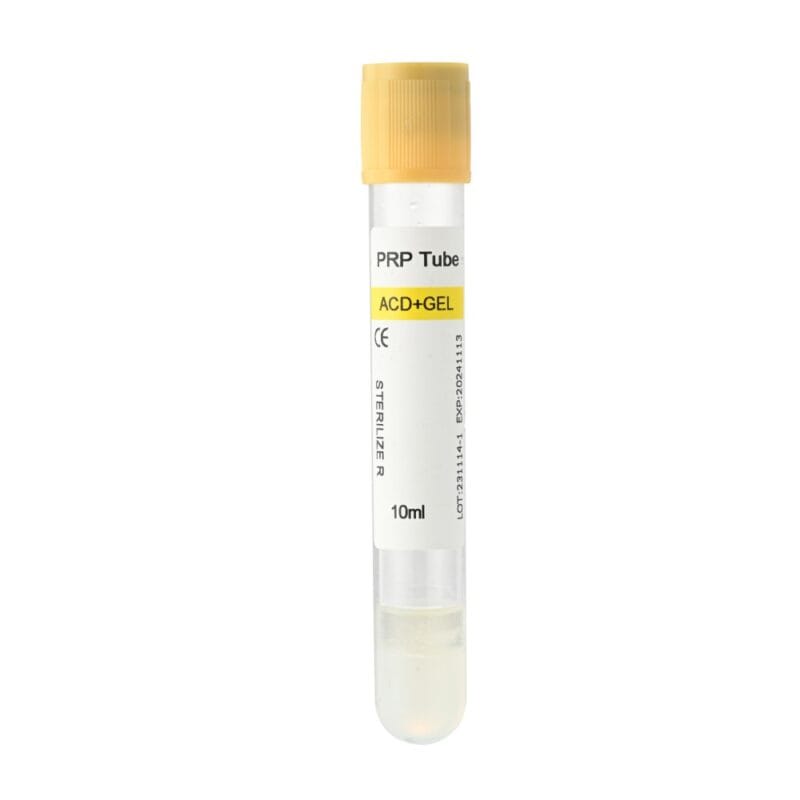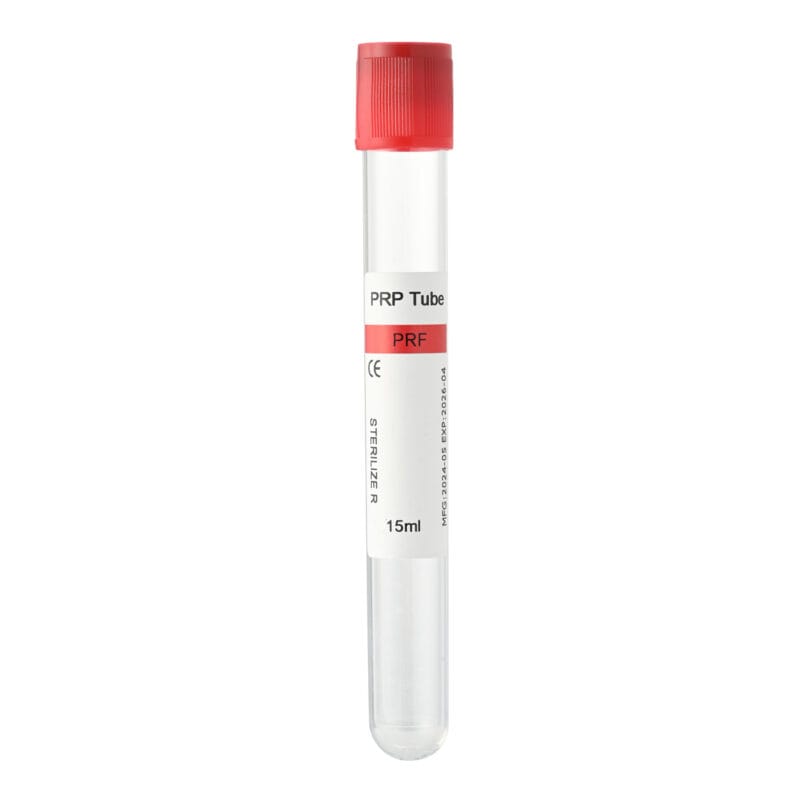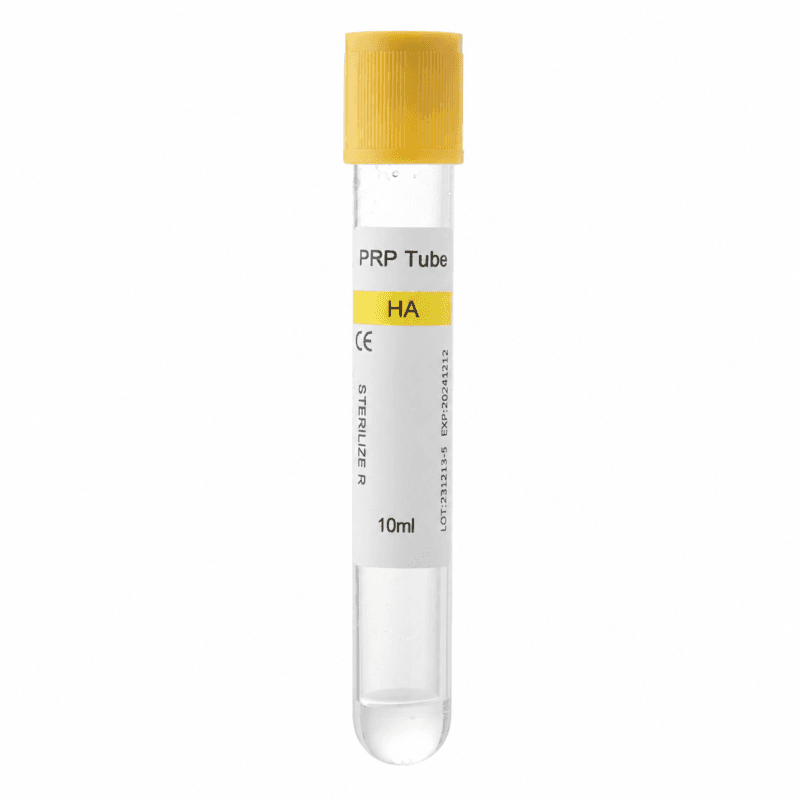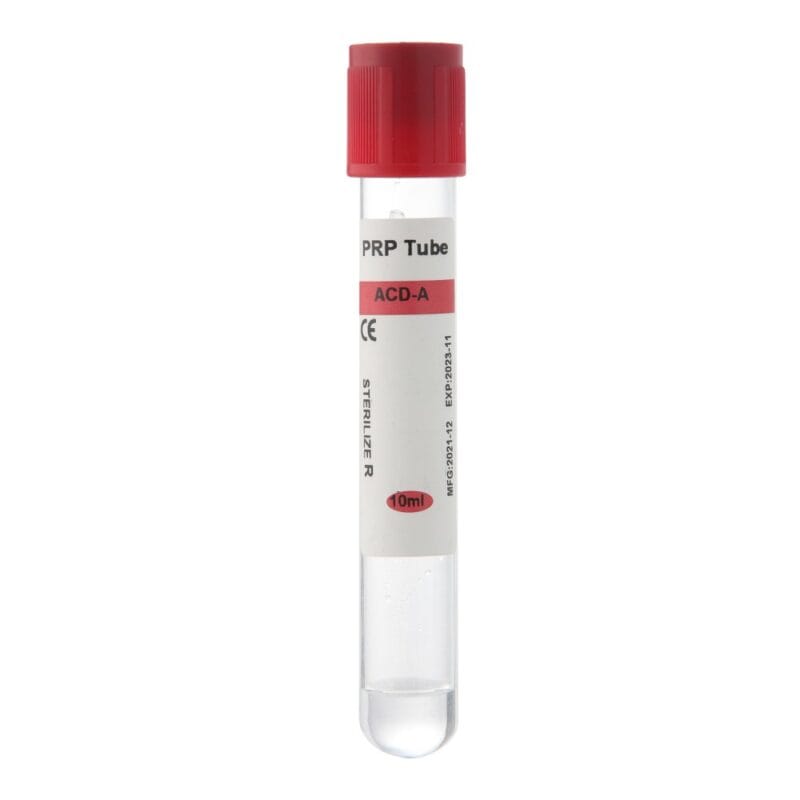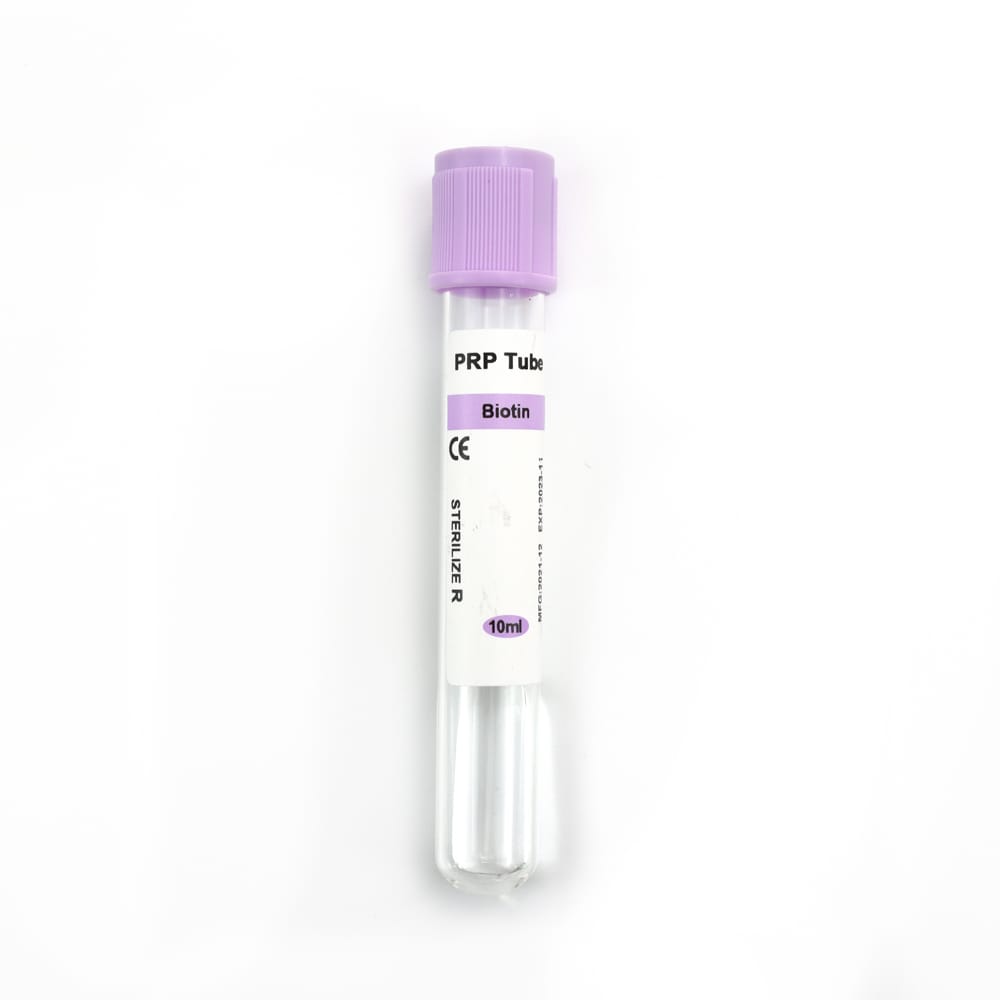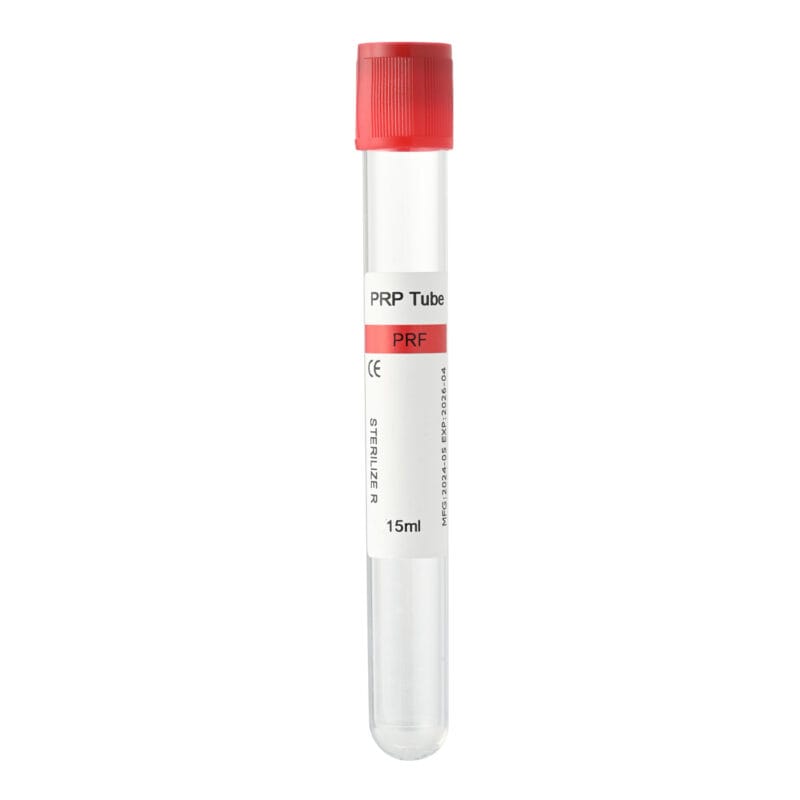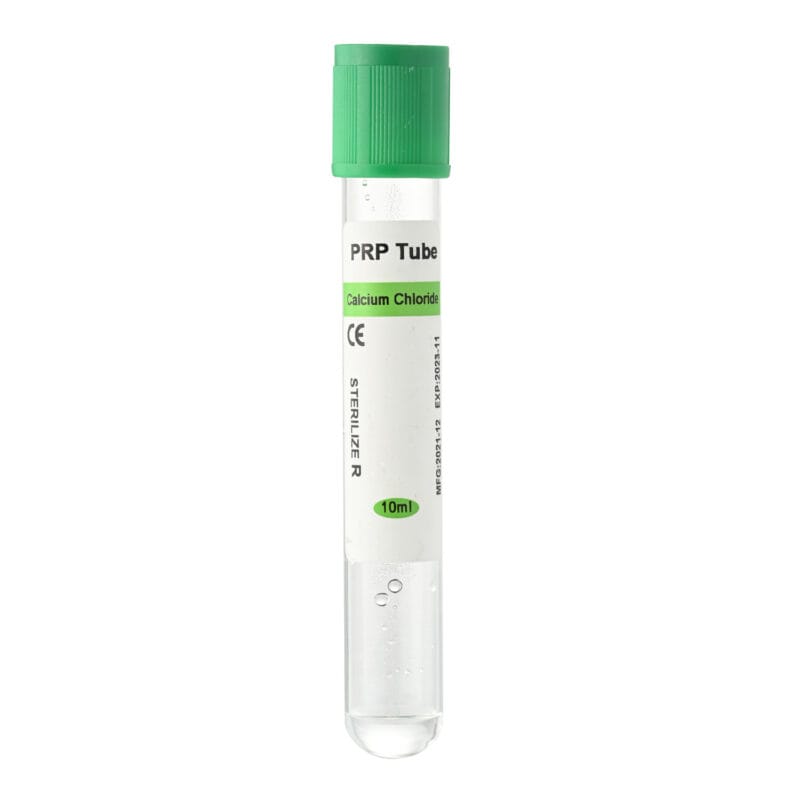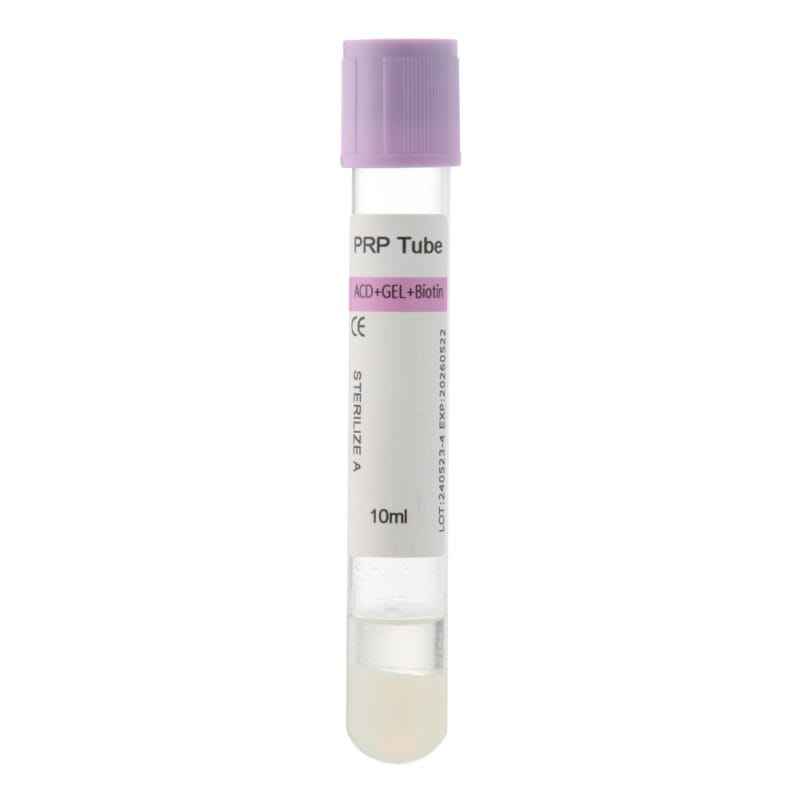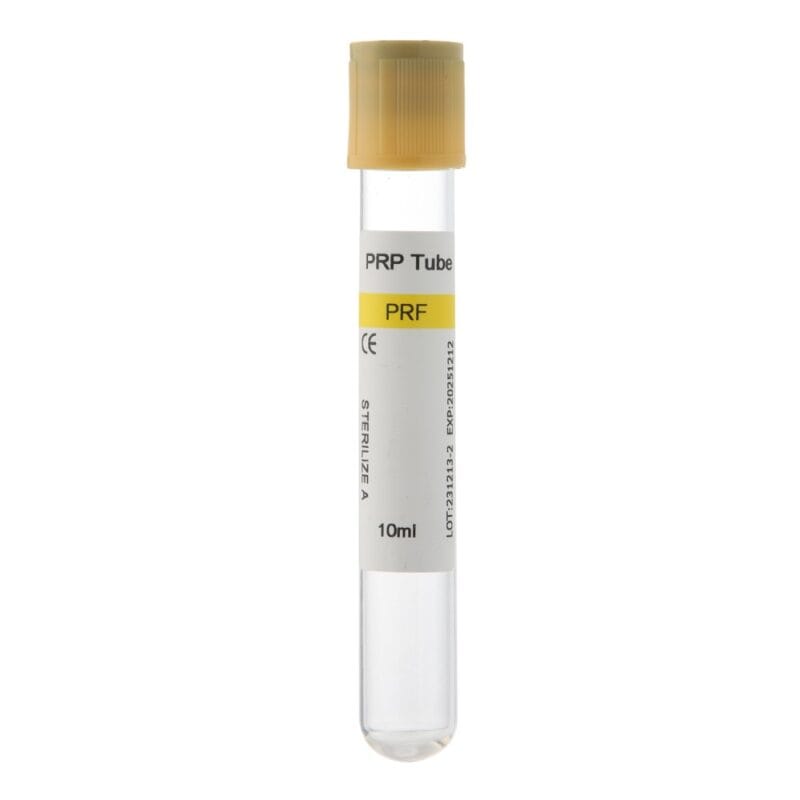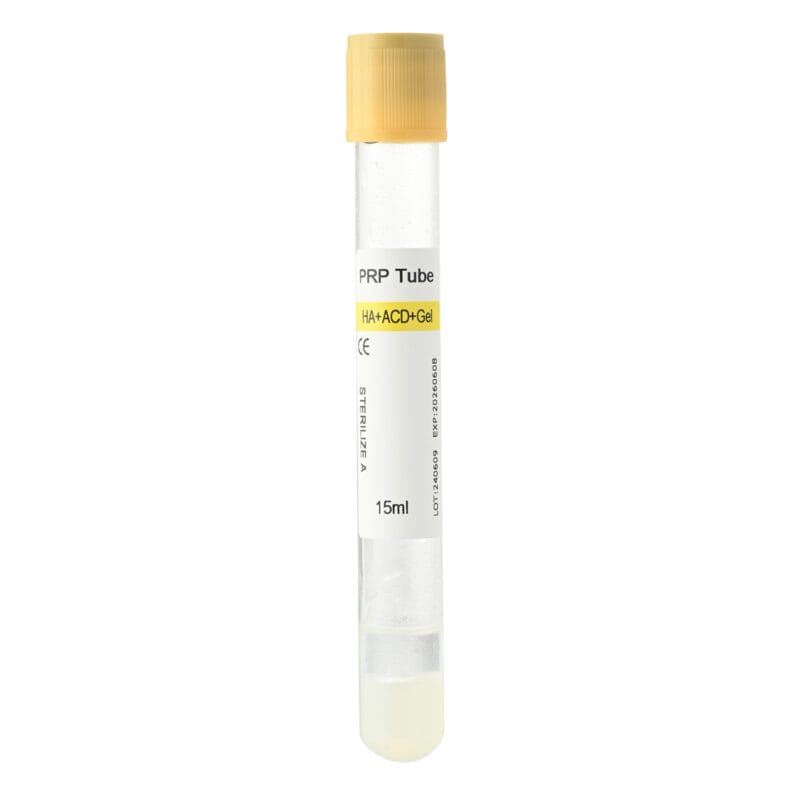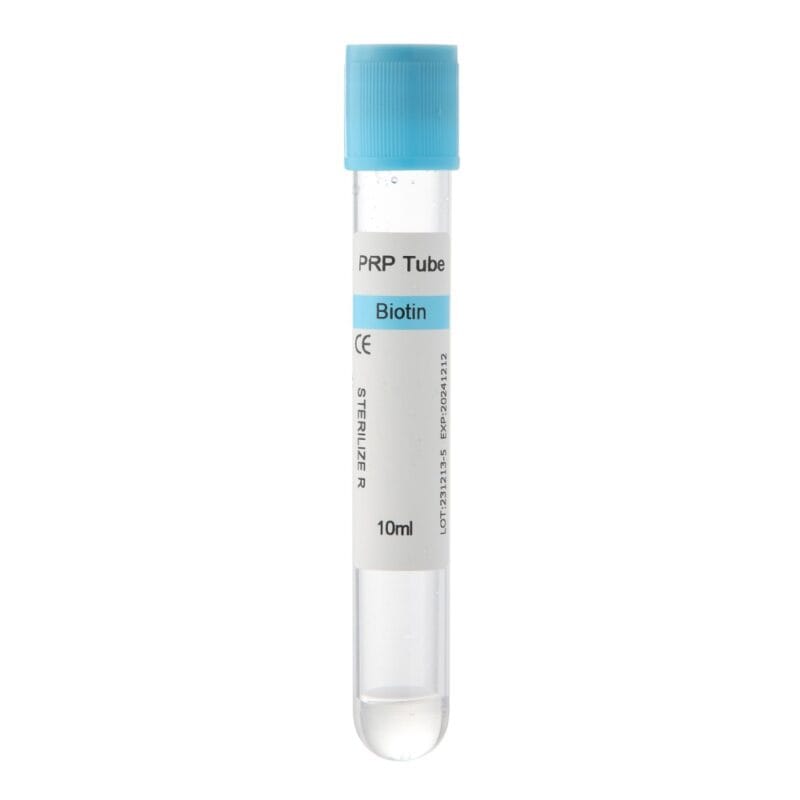
Platelet-rich fibrin (PRF) is widely used in dentistry, implantology, and regenerative procedures. This autologous biomaterial forms a fibrin network containing platelets, leukocytes, and other blood-derived components. However, preparing a consistent PRF clot can be challenging, even when clinicians follow a familiar procedure.
Why Does PRF Clot Formation Fail? Common reasons include delayed blood processing, incorrect centrifugation settings, unsuitable collection tubes, and differences in blood coagulation. Some samples remain liquid, while others produce small, fragile, or irregular fibrin clots.
These problems can interrupt clinical workflows and raise questions about PRF tube quality. Understanding the causes helps clinicians improve preparation consistency and allows medical distributors to make more informed purchasing decisions.
This guide explains how PRF clots form, identifies common preparation problems, and provides practical troubleshooting solutions. It also explores important considerations when selecting PRF tubes for clinical use and bulk purchasing.
Understanding PRF Clot Formation and Common Problems
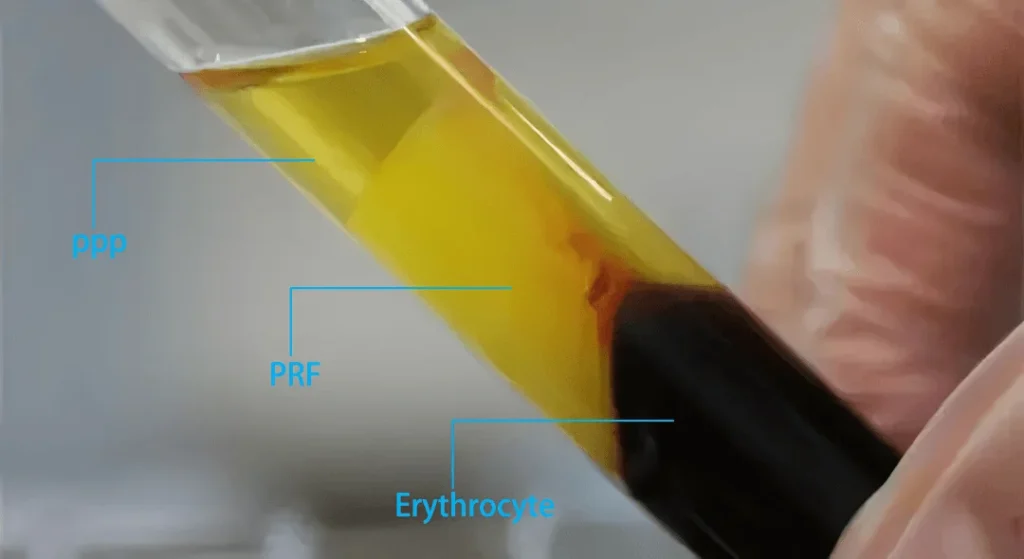
How Does a Normal PRF Clot Form?
Conventional solid PRF is generally prepared by centrifuging blood collected without anticoagulants. Natural coagulation begins after collection, while centrifugation separates blood components and influences their distribution within the developing fibrin matrix.
A typical solid PRF preparation produces three recognizable regions:
- Upper layer: A relatively clear serum-rich fraction after clot formation.
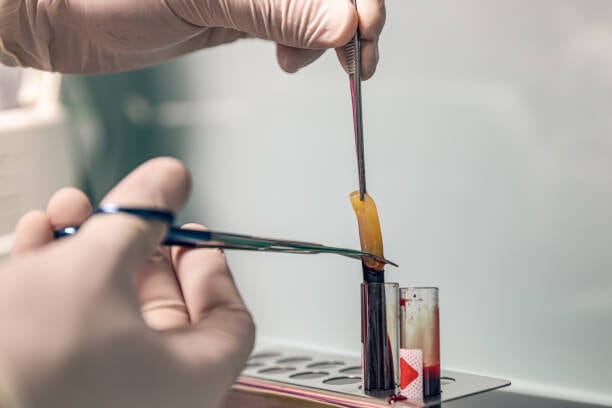
- Middle layer: A fibrin clot containing platelets and leukocytes.
- Lower layer: A red blood cell-rich fraction.
The middle fibrin layer can be collected and processed according to the intended clinical procedure.
Successful preparation depends on coordinating blood coagulation with centrifugal separation. Collection timing, tube surface characteristics, centrifugal force, and handling conditions can all affect the resulting clot.
What Does Failed PRF Formation Look Like?
Common signs of preparation problems include:
- Blood remaining predominantly liquid when a solid clot is expected.
- An unusually small or poorly defined fibrin clot.
- A fragile clot that breaks during removal.
- Premature coagulation before centrifugation.
- Unexpected blood separation patterns.
- Inconsistent results between collection tubes.
However, clot size alone does not determine PRF quality. Fibrin structure, cellular distribution, and handling conditions also matter.
It is important to distinguish conventional solid PRF from injectable PRF (i-PRF). Certain i-PRF protocols intentionally produce a temporarily liquid preparation before coagulation progresses. Therefore, the absence of an immediate solid clot is not necessarily a preparation failure.
Why Does PRF Clot Formation Fail? Common Causes
Several interconnected factors can influence fibrin formation. Understanding these variables helps identify the source of inconsistent results.
1. Delayed Blood Collection and Centrifugation
Timing is particularly important in conventional solid PRF preparation because coagulation begins shortly after blood collection.
If centrifugation is delayed, fibrin may develop before the intended separation process occurs. This can produce irregular clots or affect the distribution of blood components.
Some PRF protocols emphasize a short interval between collection and centrifugation. However, there is no single universally applicable time limit for every PRF system.
The appropriate interval depends on the collection method, tube characteristics, and established preparation protocol.
Practical solution: Prepare the centrifuge before collecting blood, minimize unnecessary delays, and maintain consistent collection-to-processing timing.
2. Incorrect Centrifugation Speed, Duration, or Braking
Centrifugation conditions directly influence blood component separation and the characteristics of the resulting fibrin matrix.
One common mistake is treating revolutions per minute (RPM) and relative centrifugal force (RCF) as interchangeable.
RPM measures rotational speed, while RCF describes the centrifugal acceleration applied to the sample.
The relationship is:
Here, r represents rotor radius in centimeters.
Because centrifuges have different rotor dimensions, identical RPM values may produce different centrifugal forces.
Processing duration and rotor configuration also influence separation.
Another consideration is centrifuge deceleration or braking.
Some centrifuges use rapid braking to shorten the time required for the rotor to stop. Depending on the rotor design, sample condition, and preparation protocol, abrupt deceleration may disturb separated blood components.
However, this does not mean every PRF procedure requires braking to be disabled. Appropriate deceleration settings depend on the specific equipment and validated method.
Practical solution: Verify RCF, centrifugation duration, rotor configuration, and braking settings against the established PRF protocol. Avoid copying settings from another centrifuge without confirming their equivalence.
3. Unsuitable PRF Tube Material or Surface Characteristics
Collection tubes are more than passive containers.
In conventional solid PRF preparation, suitable glass surfaces can promote contact activation of coagulation.
Plastic tubes may behave differently depending on their polymer composition, internal surface properties, and any surface treatment.
However, plastic tubes are not automatically unsuitable for solid PRF, and glass tubes are not universally appropriate for every PRF method.
Some collection tubes are designed for specific coagulation or separation requirements.
Changing tube types without reviewing these characteristics may affect clot formation.
Practical solution: Select collection tubes according to their intended PRF application, material characteristics, and compatibility with the established preparation method.
4. Anticoagulants, Silica Particles, and Tube Additives
Conventional solid PRF preparation generally relies on natural coagulation without anticoagulants.
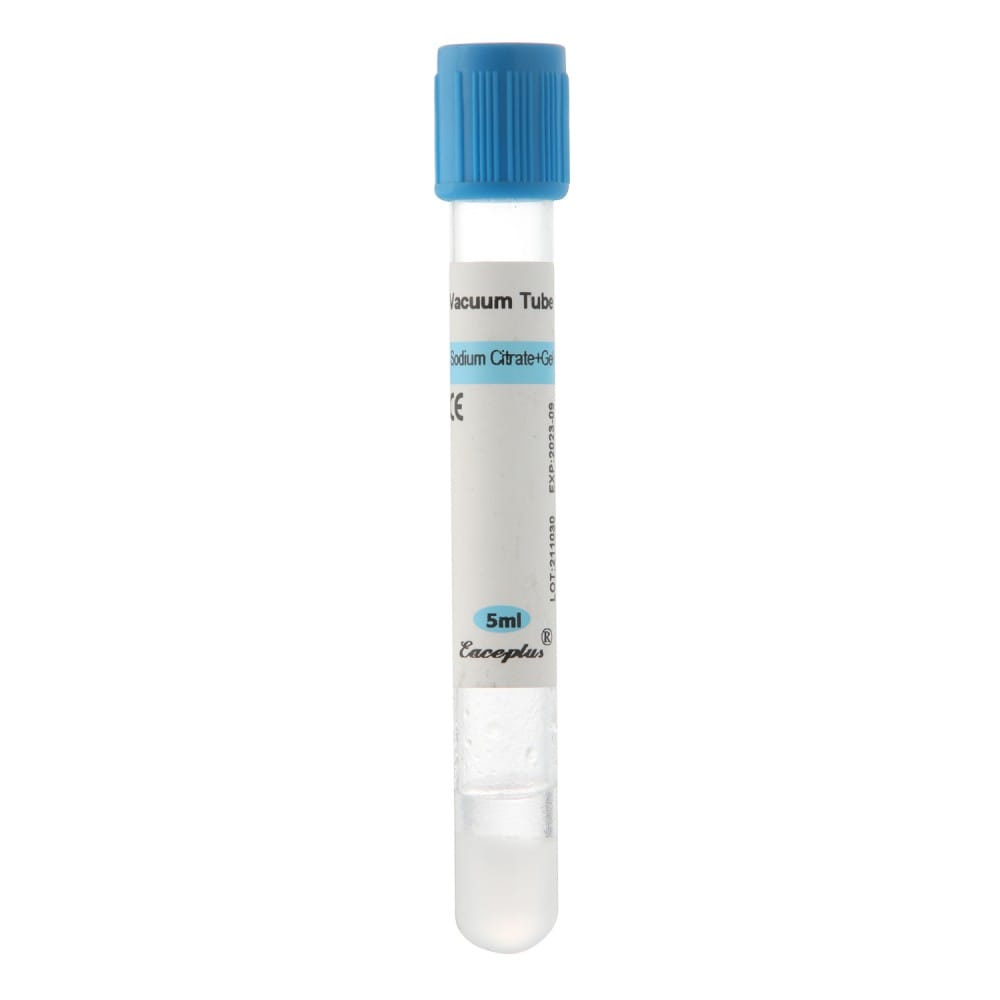
Anticoagulants such as EDTA, sodium citrate, and heparin can interfere with the expected clotting process.
However, anticoagulants are not the only tube additives that deserve attention.
Some routine serum collection tubes contain silica-based clot activators designed to accelerate coagulation.
These products serve different purposes from collection tubes specifically intended for PRF preparation.
Silica clot activator particles should also be distinguished from silicone-based surface coatings. Although their names sound similar, they are different materials with different functions.
When blood-derived preparations are intended for clinical application, the suitability of tube additives and the potential for unwanted material exposure deserve careful consideration.
The presence of a clot activator does not, by itself, establish that a tube is appropriate for PRF preparation.
Practical solution: Review the intended use, additive composition, and internal surface characteristics of collection tubes before use. Do not substitute routine laboratory tubes based solely on similar appearance or cap color.
5. Patient-Related Blood Characteristics
Blood composition varies between individuals and can influence PRF preparation.
Relevant factors include platelet count, platelet function, hematocrit, coagulation disorders, and medications affecting blood clotting.
For example, anticoagulant treatment may alter coagulation behavior, while differences in hematocrit can influence centrifugal separation.
These factors do not affect every patient in the same way.
When preparation results remain inconsistent despite standardized procedures, relevant clinical factors should be considered by the responsible healthcare professional.
6. Blood Collection Technique, Needle Gauge, and Hemolysis
Blood collection technique can also influence sample quality.
Needle gauge, collection pressure, blood flow, and handling conditions may contribute to red blood cell damage or hemolysis.
Under certain collection conditions, smaller-bore needles may increase mechanical stress on blood cells. However, needle gauge alone does not determine whether hemolysis will occur.
Excessive suction, difficult venipuncture, and inappropriate handling may also contribute.
Hemolysis can alter sample appearance and composition, potentially complicating preparation assessment.
Practical solution: Use an appropriate blood collection system and standardized venipuncture technique. Needle selection should account for the patient’s vascular conditions and the collection protocol rather than relying on a single universal gauge.
Troubleshooting Failed PRF Clot Formation
A structured troubleshooting process is more effective than repeatedly changing centrifuge settings.
Start with the visible problem, then review collection timing, tube characteristics, equipment settings, and sample handling.
Common PRF Problems and Solutions
| Observed Problem | Possible Causes | Recommended Action |
|---|---|---|
| Blood remains liquid | Anticoagulants, unsuitable tube, altered coagulation | Verify tube additives and intended protocol |
| Small or weak clot | Blood characteristics, processing variation, tube properties | Review collection conditions and centrifugation settings |
| Premature clotting | Delayed centrifugation | Minimize processing delays |
| Irregular separation | Incorrect RCF, rotor configuration, or sample disturbance | Verify centrifuge parameters and handling |
| Inconsistent results | Tube differences, operator variation, equipment conditions | Standardize procedures and compare batches |
| Reddish or visibly hemolyzed sample | Collection-related red cell damage or handling problems | Review venipuncture and sample handling |
These symptoms may have multiple causes and should be evaluated within the complete preparation process.
A Practical Five-Step Troubleshooting Checklist
Step 1: Confirm the intended PRF preparation.
Determine whether the protocol requires a solid fibrin clot or a temporarily liquid i-PRF preparation.
Step 2: Check the collection tube.
Review the tube material, intended use, additives, and available product information. Investigate any recent changes in tube type or supplier.
Step 3: Review collection timing and technique.
Identify delays, difficult blood collection, or inconsistent handling that may have affected the sample.
Step 4: Verify centrifuge settings.
Check RCF, duration, rotor configuration, and deceleration settings. Confirm that the equipment is operating correctly.
Step 5: Document the results.
Record tube type, batch information, processing conditions, and observed clot characteristics.
Comparing preparation records can help identify recurring problems associated with equipment, consumables, or clinical procedures.
Preparations that do not meet established clinical acceptance criteria should not be used simply because some fibrin is visible.
How to Prevent PRF Clotting Problems and Improve Consistency
Preventing PRF preparation failures requires consistent procedures, suitable collection materials, and reliable equipment.
Standardize the Preparation Workflow
A written standard operating procedure should define blood collection, processing timing, centrifugation conditions, tube selection, and post-processing handling.
This is particularly useful in clinics where multiple operators prepare PRF.
Consistent procedures reduce avoidable variation and make unexpected results easier to investigate.
Match PRF Tubes to the Intended Application
Conventional solid PRF and injectable PRF have different preparation objectives.
Solid PRF protocols aim to produce a fibrin clot suitable for the intended clinical procedure, while certain i-PRF methods seek a temporary liquid phase.
These differences influence tube selection and centrifugation requirements.
A collection tube suitable for one protocol should not automatically be considered interchangeable with another.
Maintain Reliable Centrifugation Conditions
Consistent preparation depends on appropriate RCF, processing duration, rotor configuration, and equipment condition.
Centrifuges should be maintained according to their operating instructions.
When changing equipment or tube types, review the preparation method before routine use.
Increasing centrifugation speed or extending processing time without a clear technical basis may change the preparation rather than solve the original problem.
Handle PRF Clots and Membranes Carefully
After centrifugation, fibrin clots should be handled according to the intended clinical procedure.
Rough manipulation or excessive compression can alter their physical characteristics.
A larger or thicker clot does not automatically indicate superior biological quality.
Clot appearance should be considered alongside preparation consistency and the requirements of the clinical protocol.
Monitor Preparation Quality
Routine records help identify trends that may otherwise be overlooked.
Useful information includes collection timing, tube batches, centrifugation settings, equipment changes, and preparation outcomes.
If several samples show similar problems, these records can help determine whether the issue is associated with collection procedures, equipment, or consumables.
How to Choose Reliable PRF Tubes for Clinical and Bulk Purchasing
For dental clinics, medical distributors, and international buyers, PRF tube selection should consider more than purchase price.
Material characteristics, intended use, additive information, and manufacturing consistency are important factors when evaluating collection tubes.
Glass vs. Plastic PRF Tubes
Glass and plastic tubes may interact differently with blood during preparation.
| Evaluation Factor | Glass PRF Tubes | Plastic PRF Tubes |
|---|---|---|
| Surface interaction | Suitable glass surfaces can promote coagulation activation | Depends on polymer and surface treatment |
| Solid PRF applications | Commonly used in conventional protocols | Suitability depends on specific tube design |
| Liquid PRF applications | May promote relatively early coagulation | Certain designs support delayed coagulation |
| Breakage resistance | Requires careful handling | Generally more resistant to breakage |
| Purchasing considerations | Glass characteristics and intended use | Polymer, surface treatment, and additives |
Neither material should be considered universally superior.
The appropriate choice depends on the preparation protocol and the specific characteristics of the collection tube.
Important Quality Factors for Bulk PRF Tube Purchasing
1. Intended application
Confirm whether the tube is designed for solid PRF, liquid PRF, or another preparation method.
2. Tube material and surface characteristics
Review the material and any relevant internal surface treatment. These factors can influence coagulation behavior.
3. Additive composition
Check whether the tube contains anticoagulants, silica-based clot activators, or other additives.
Buyers should understand the purpose of these substances and their suitability for the intended clinical application.
4. Product consistency
Consistent tube characteristics help reduce avoidable variation when clinics use established preparation procedures.
5. Product documentation
Review available specifications, labeling, and relevant product information before purchasing.
6. Sample evaluation
Where appropriate, evaluate representative samples using an established preparation protocol before placing a large order.
This can help buyers assess handling characteristics and identify potential differences between products.
Can Changing PRF Tube Suppliers Affect Clot Formation?
Yes. Different suppliers may offer tubes with different materials, internal surfaces, or additive characteristics.
Even when two tubes have similar dimensions, their behavior during PRF preparation may differ.
Clinics should therefore review product suitability when introducing replacement tubes.
For distributors, clear product information and appropriate sample evaluation can help reduce unexpected problems during supplier transitions.
Why Supply Consistency Matters
Bulk purchasing involves more than selecting an individual tube.
Clinics and distributors also need consistent product identification, clear purchasing information, and dependable communication about available options.
Unexpected changes in tube characteristics may require additional product evaluation and affect established preparation workflows.
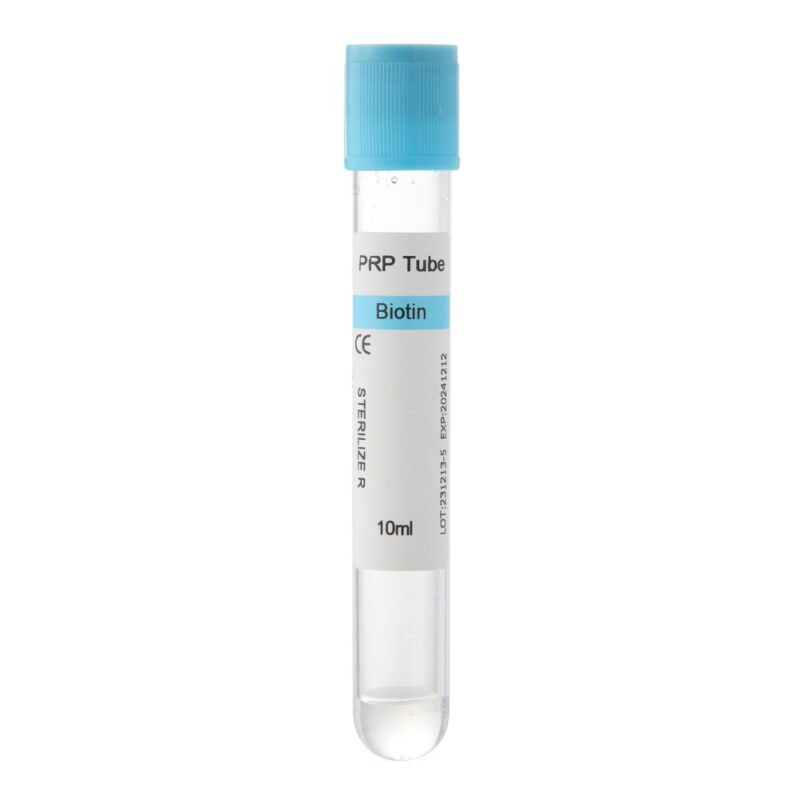
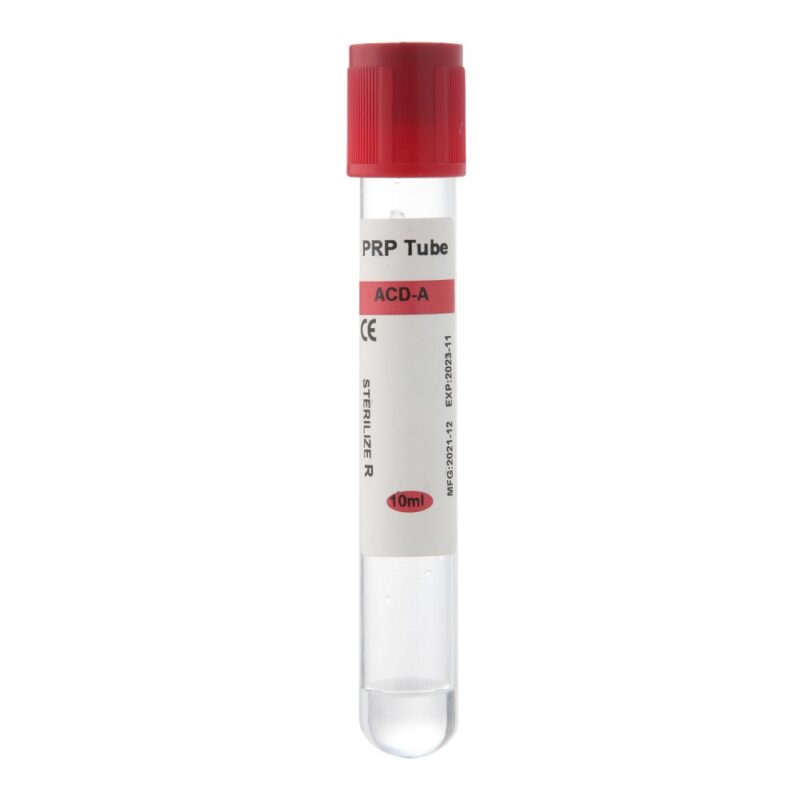
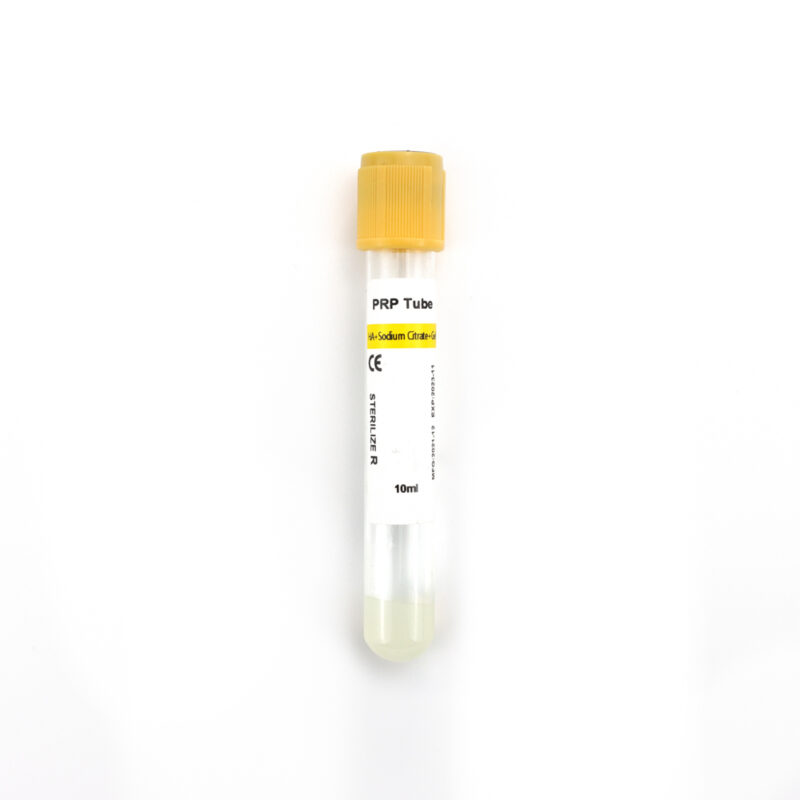
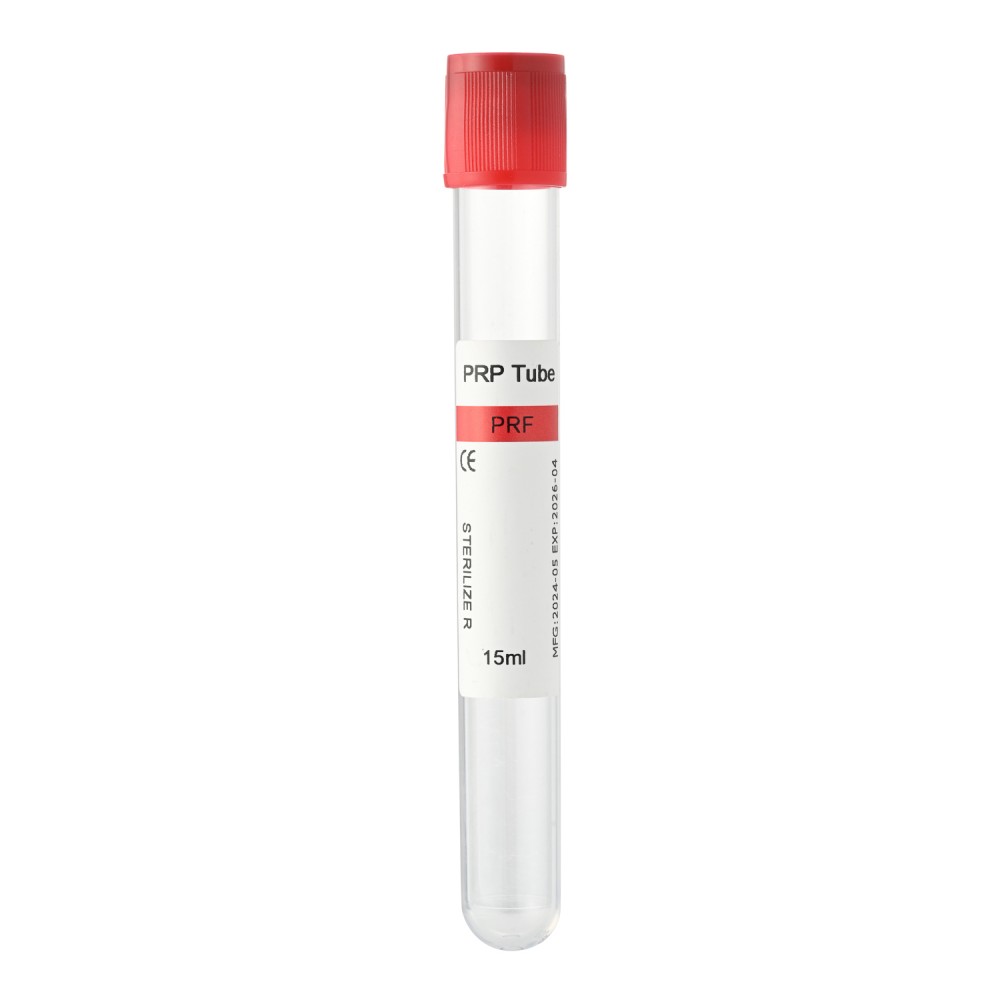
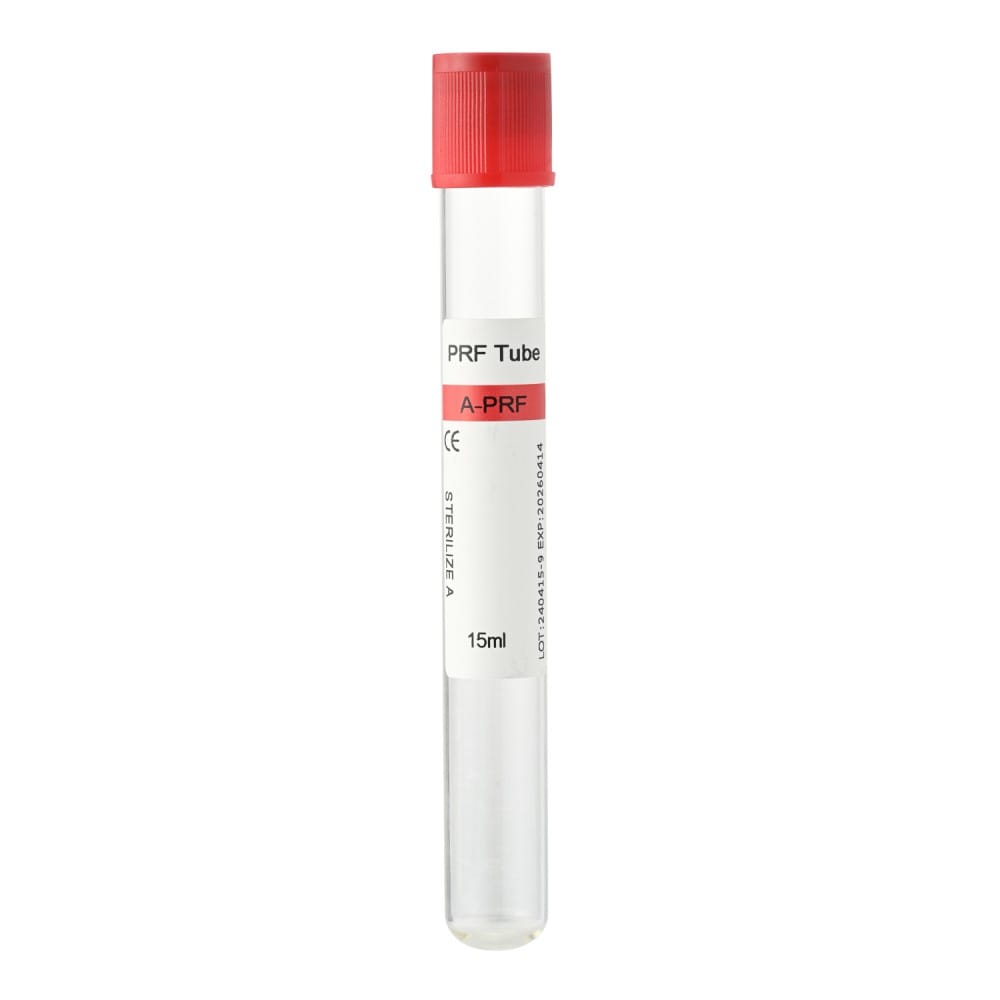
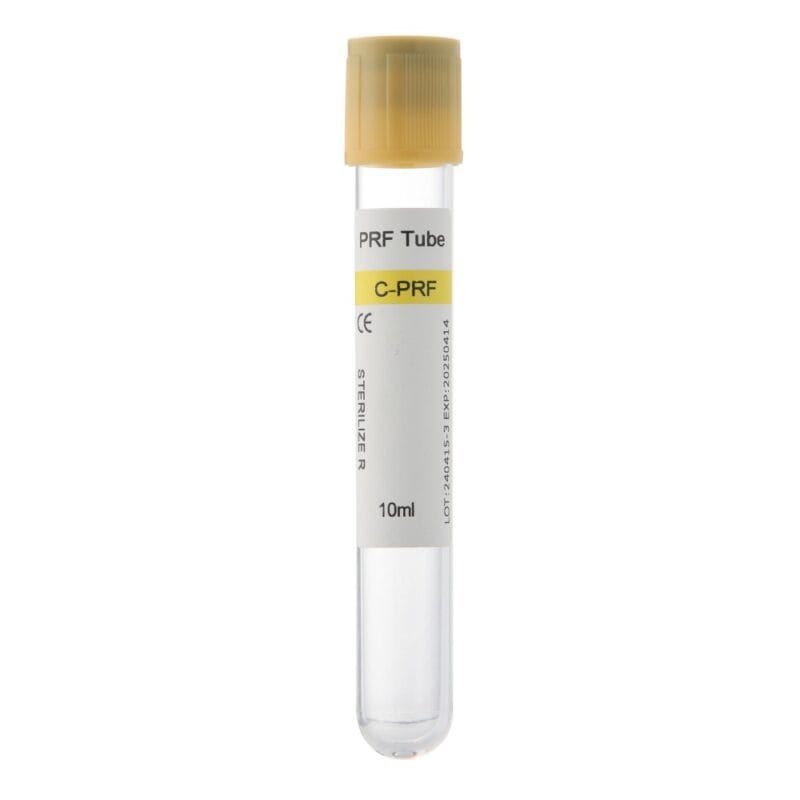
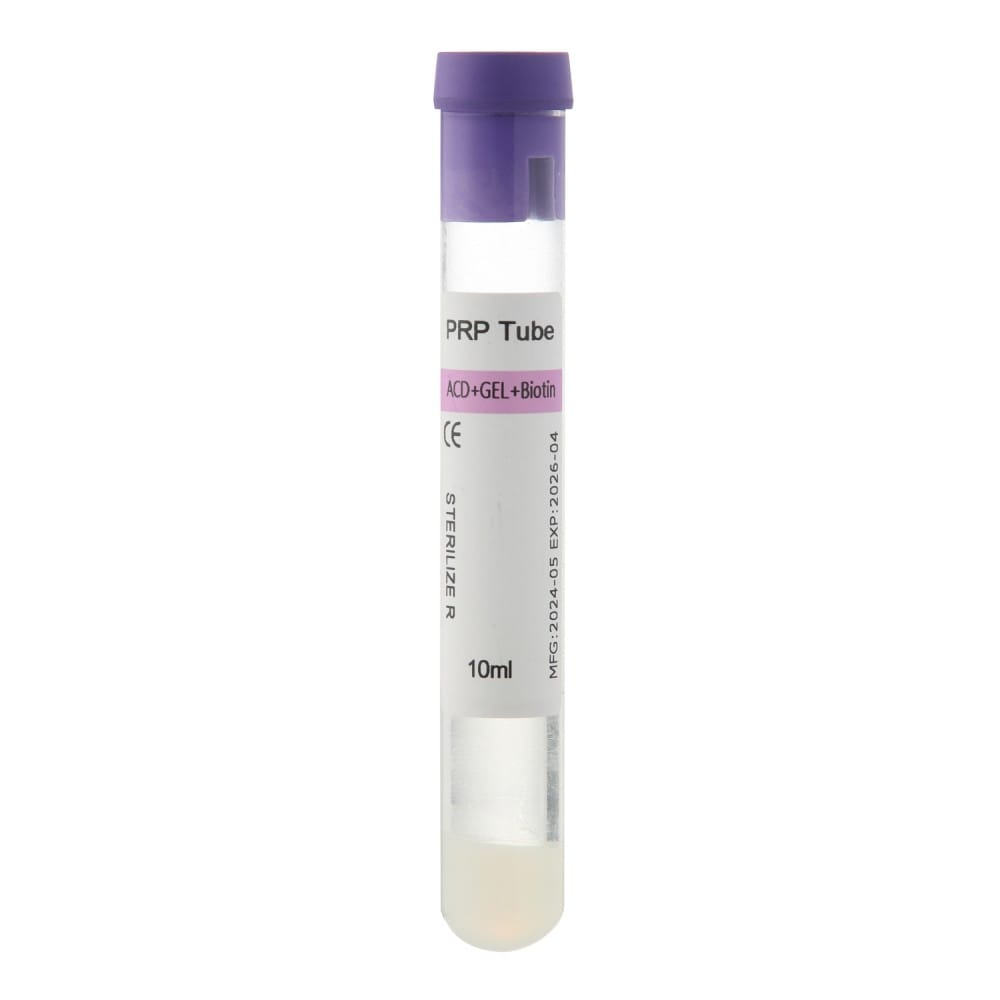
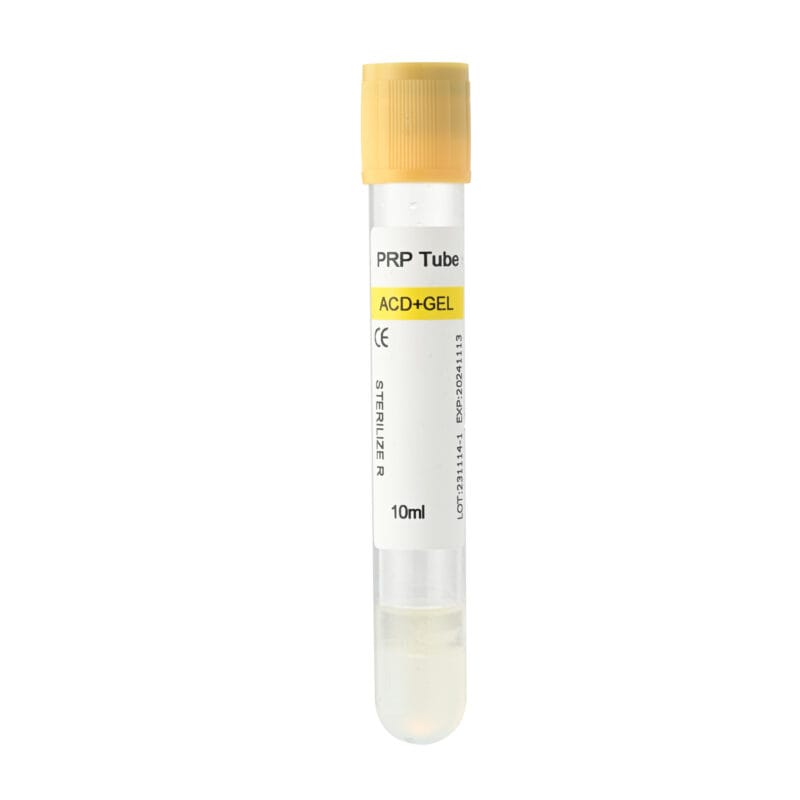
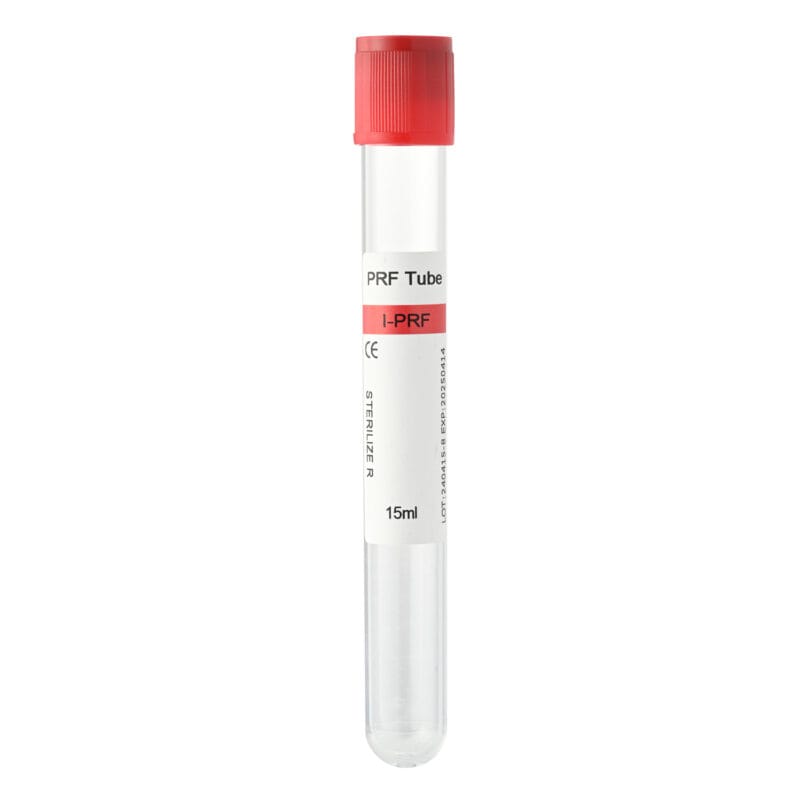
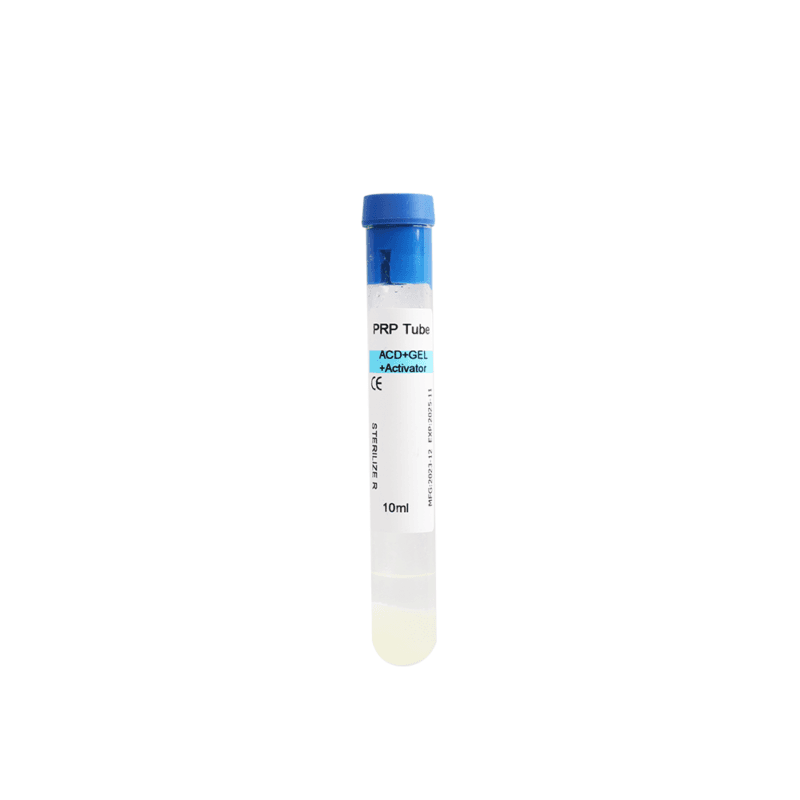
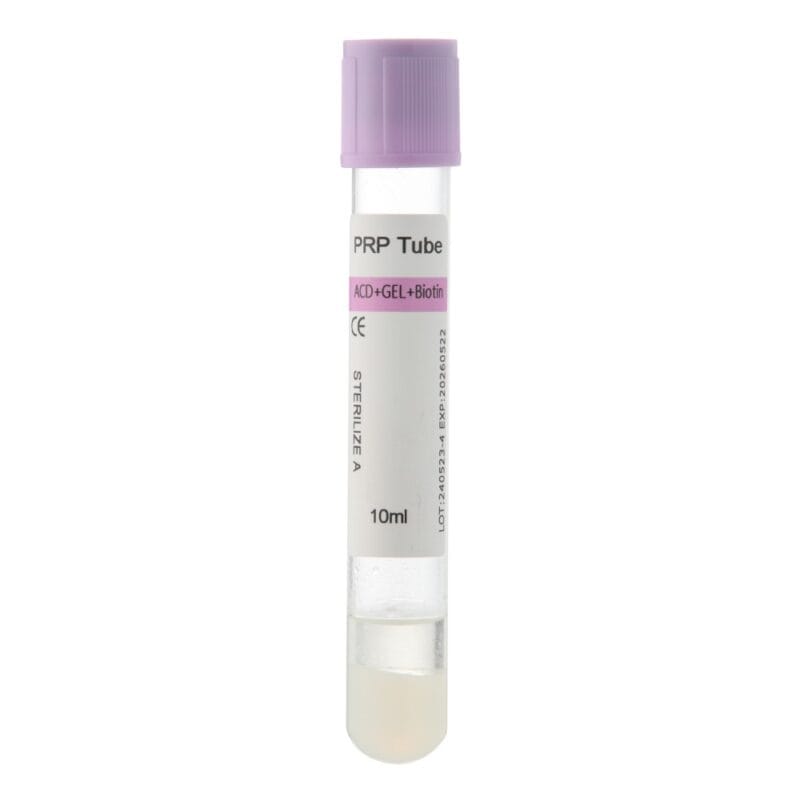
At Siny PRP, we supply glass and plastic PRF tube options for dental clinics, medical distributors, and international buyers.
Our product range supports different purchasing needs, allowing buyers to compare collection tube options according to their intended applications.
Frequently Asked Questions About PRF Clot Formation
1. Why is my PRF not clotting after centrifugation?
Possible causes include anticoagulants, unsuitable collection tubes, altered coagulation, or preparation conditions that do not match the intended protocol. First confirm whether the procedure is intended to produce solid PRF or liquid i-PRF.
2. Can incorrect centrifugation speed cause PRF problems?
Yes. Incorrect centrifugation settings can affect blood component separation and fibrin characteristics. RPM should not be treated as equivalent to RCF.
3. Should centrifuge braking be disabled during PRF preparation?
Not necessarily. Rapid deceleration may disturb separated components under certain conditions, but appropriate braking settings depend on the centrifuge and validated preparation protocol.
4. Why is my PRF clot smaller than expected?
Clot dimensions can vary with blood composition, tube characteristics, centrifugation conditions, and handling. A smaller clot does not automatically indicate preparation failure.
5. Can silica clot activators affect PRF preparation?
Yes. Silica-based clot activators influence coagulation and may change preparation behavior. Their suitability depends on the intended application and collection tube design.
6. Does needle gauge affect PRF preparation?
Needle gauge can influence blood collection conditions and may contribute to hemolysis under certain circumstances. However, collection pressure, technique, and patient-related factors are also important.
7. Is liquid PRF always a sign of failure?
No. Certain i-PRF protocols intentionally produce a temporarily liquid preparation before fibrin formation progresses.
8. Can changing PRF tube suppliers affect clot formation?
Yes. Differences in tube materials, internal surfaces, or additives may influence coagulation. Buyers should review product characteristics before introducing replacement tubes.
Conclusion: Improving PRF Preparation Through Better Process Control and Tube Selection
PRF clot formation depends on the interaction between natural coagulation, collection procedures, centrifugation conditions, and tube characteristics.
Understanding these variables helps clinicians identify preparation problems and establish more consistent workflows.
For dental clinics and medical distributors, choosing appropriate PRF tubes is an important part of maintaining dependable preparation procedures and supporting long-term purchasing requirements.
Siny PRP supplies glass and plastic PRF tubes for dental clinics, medical distributors, and international buyers. Explore our PRF tube product range at Siny PRP or contact our team to discuss suitable collection tube options for your purchasing needs.