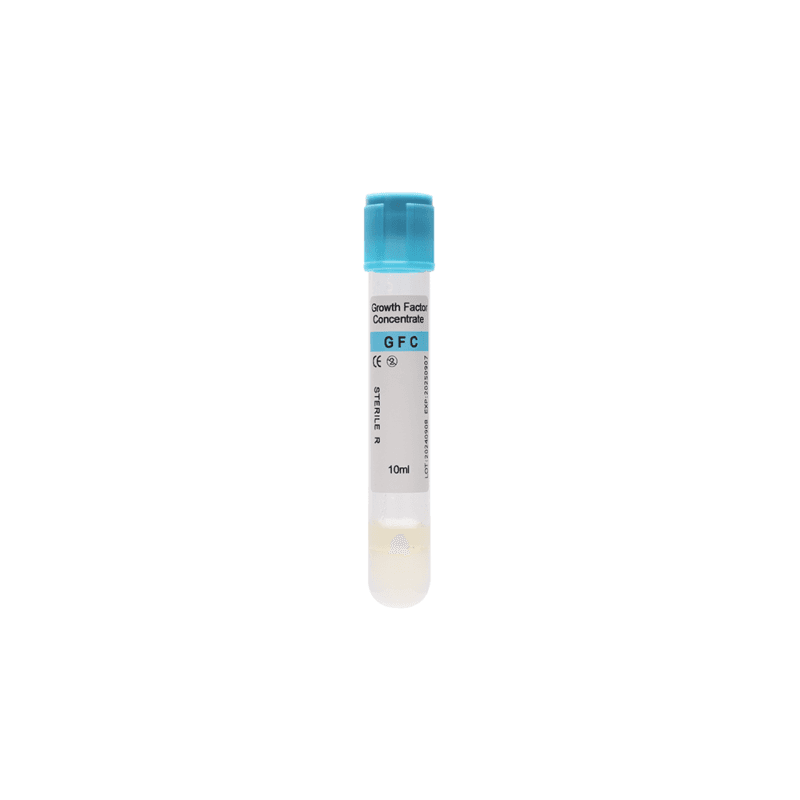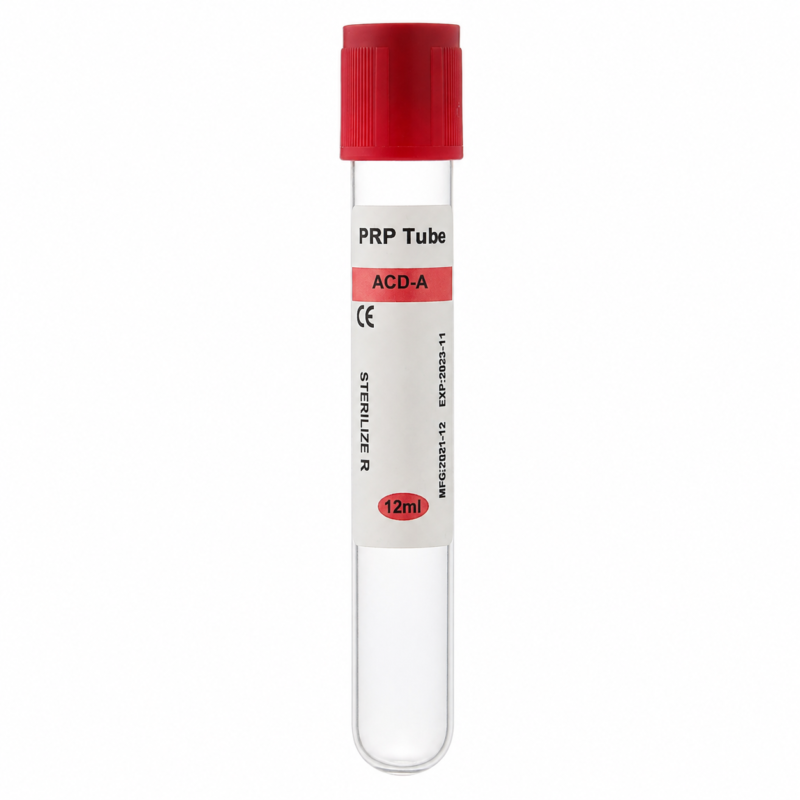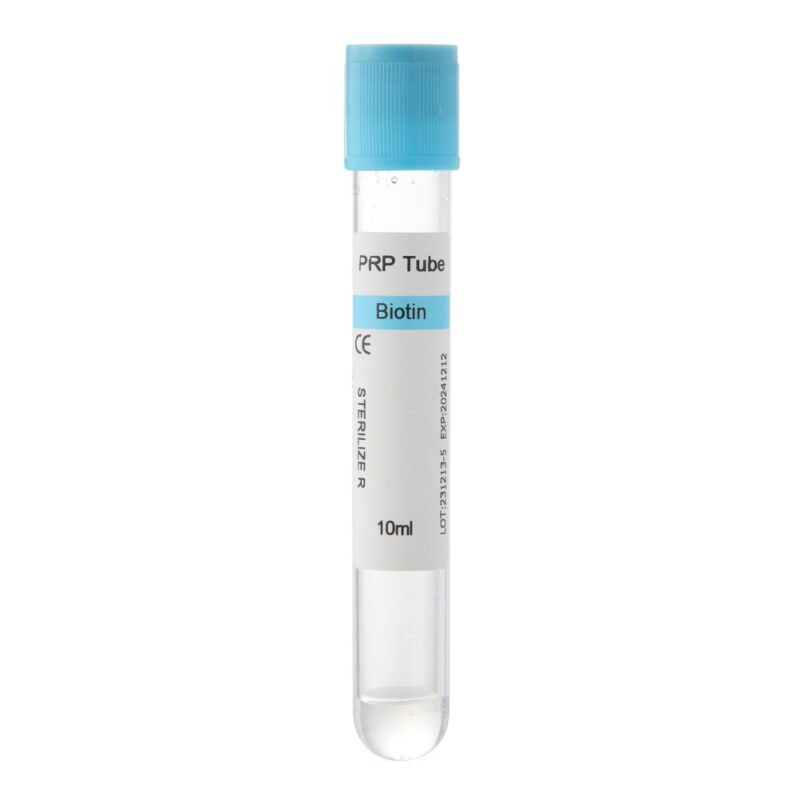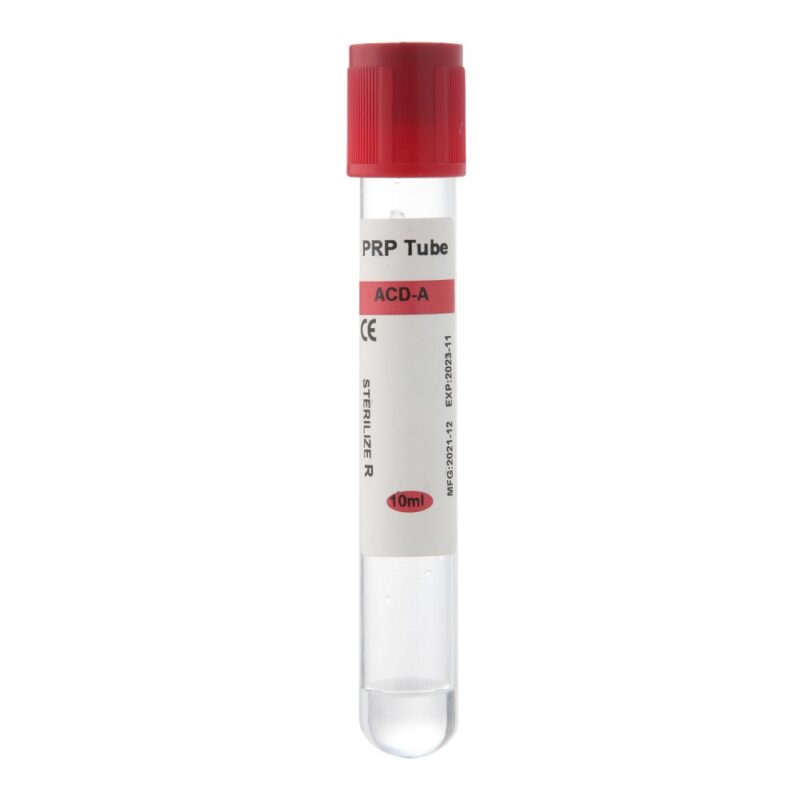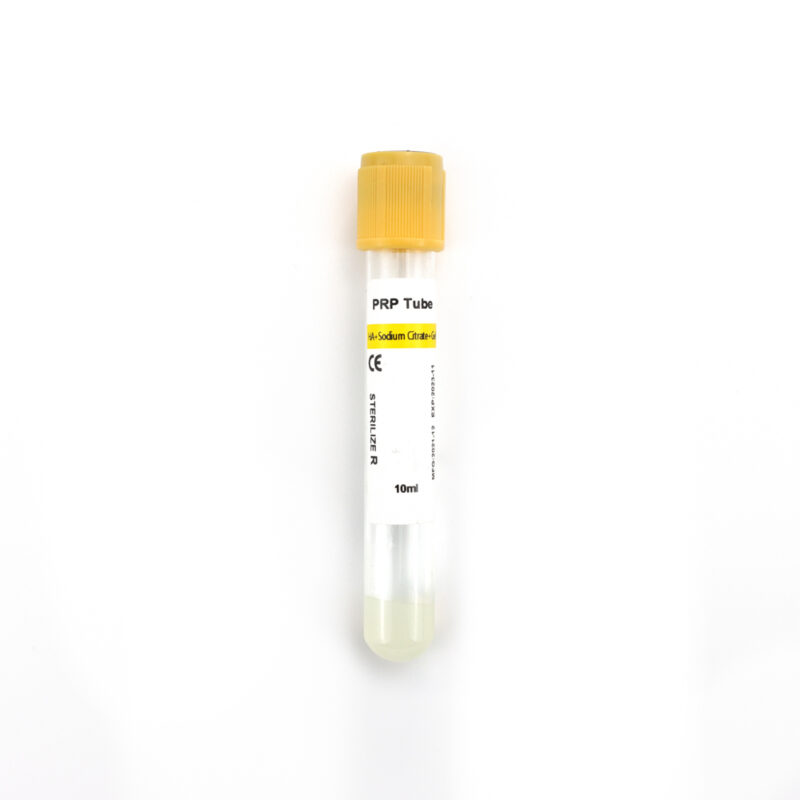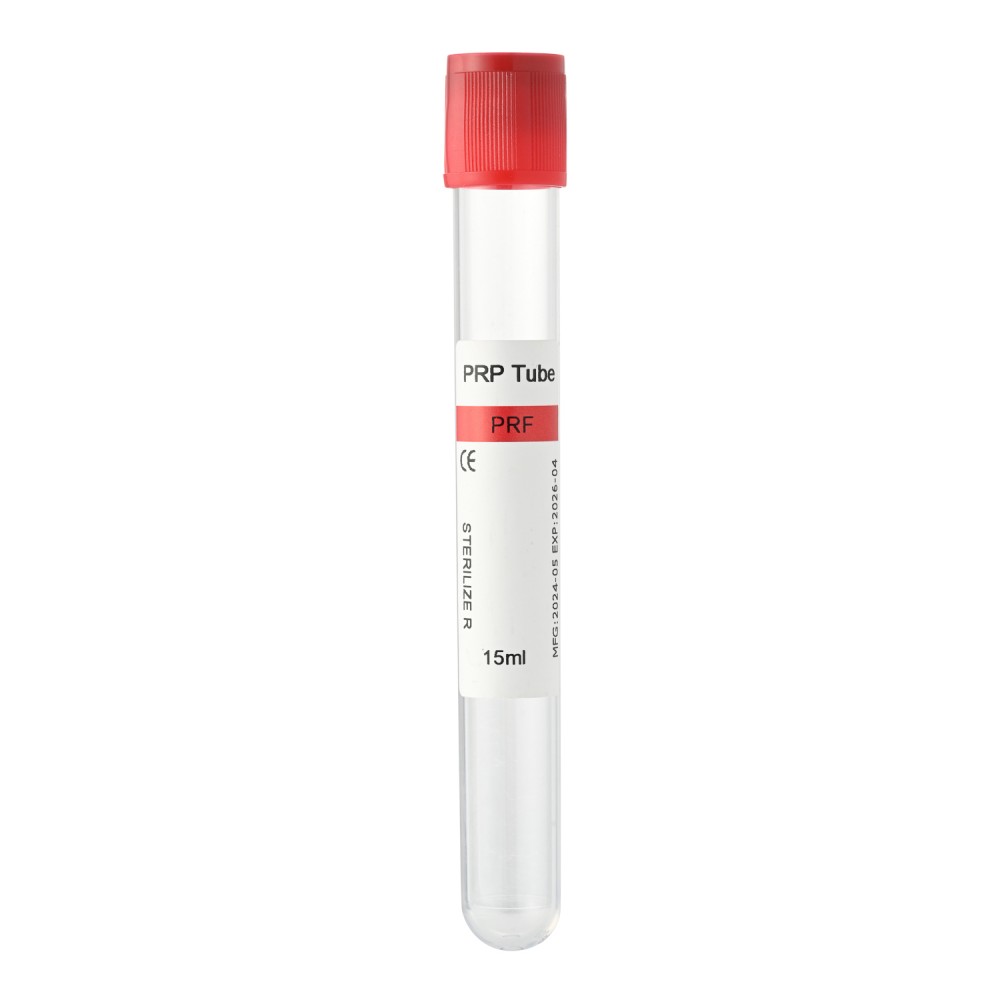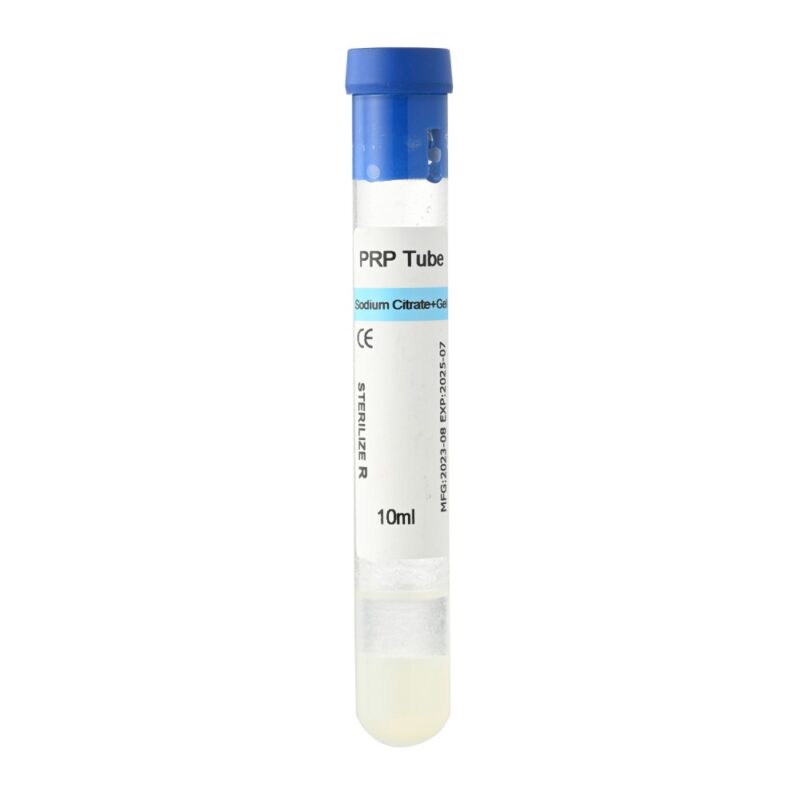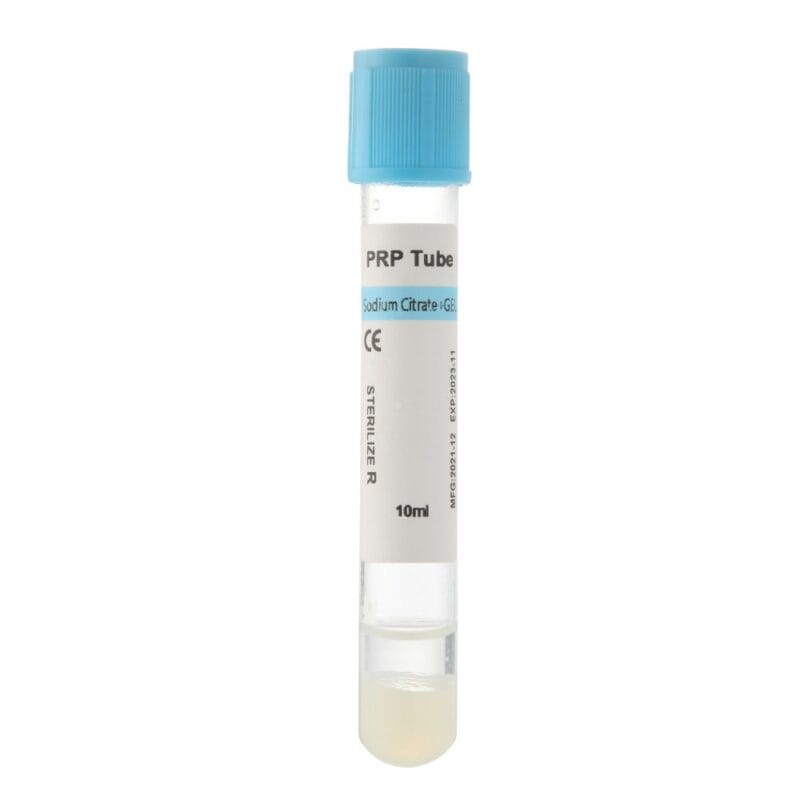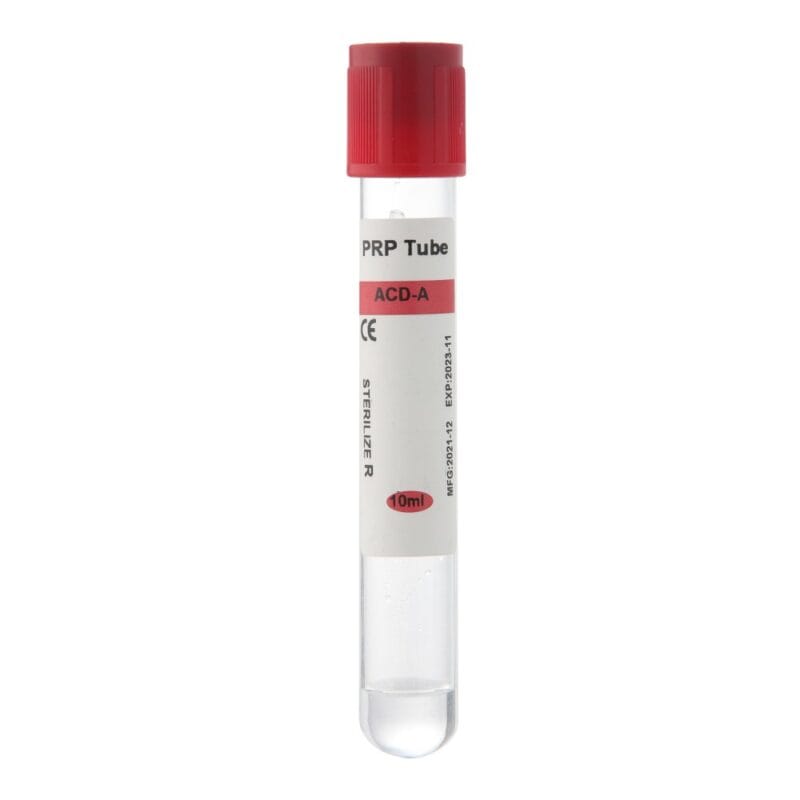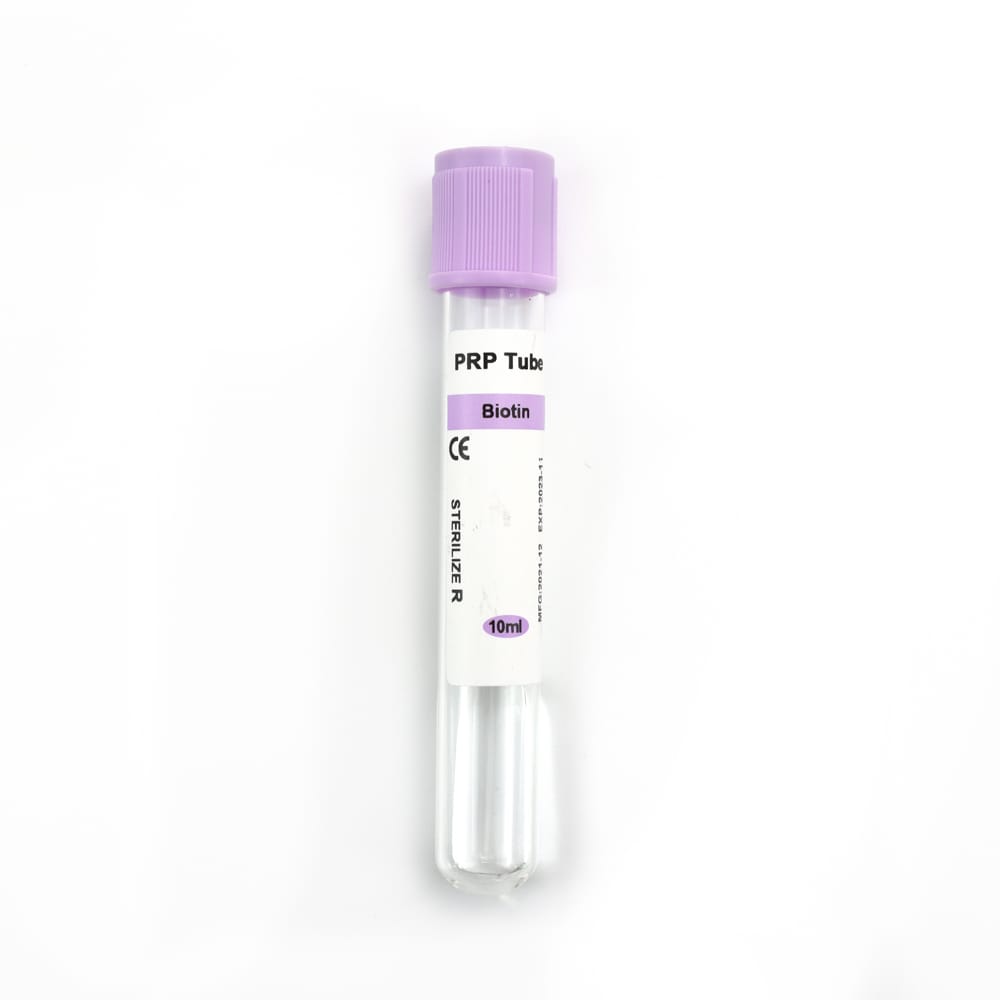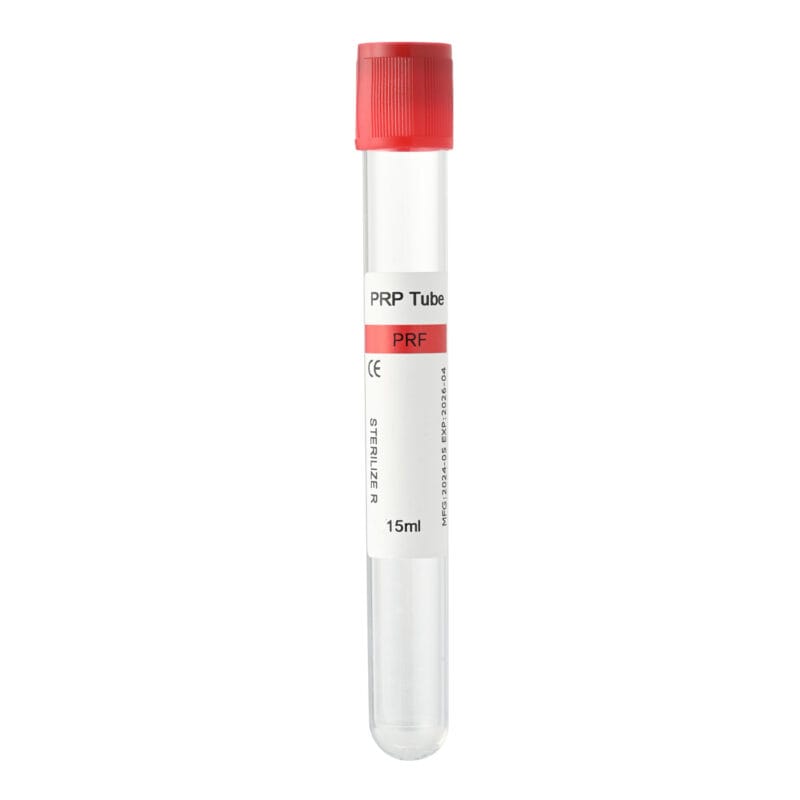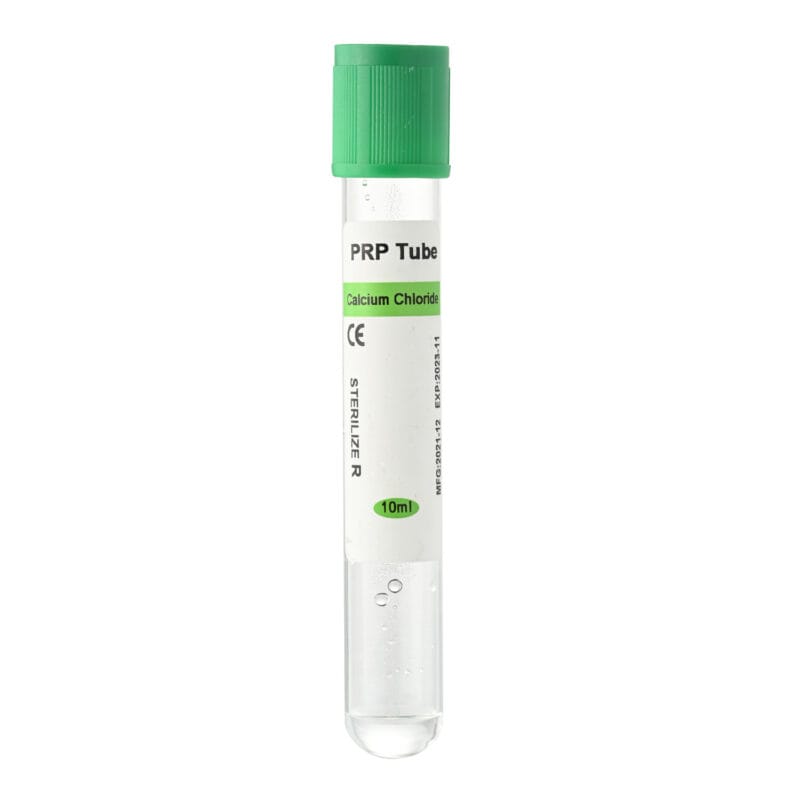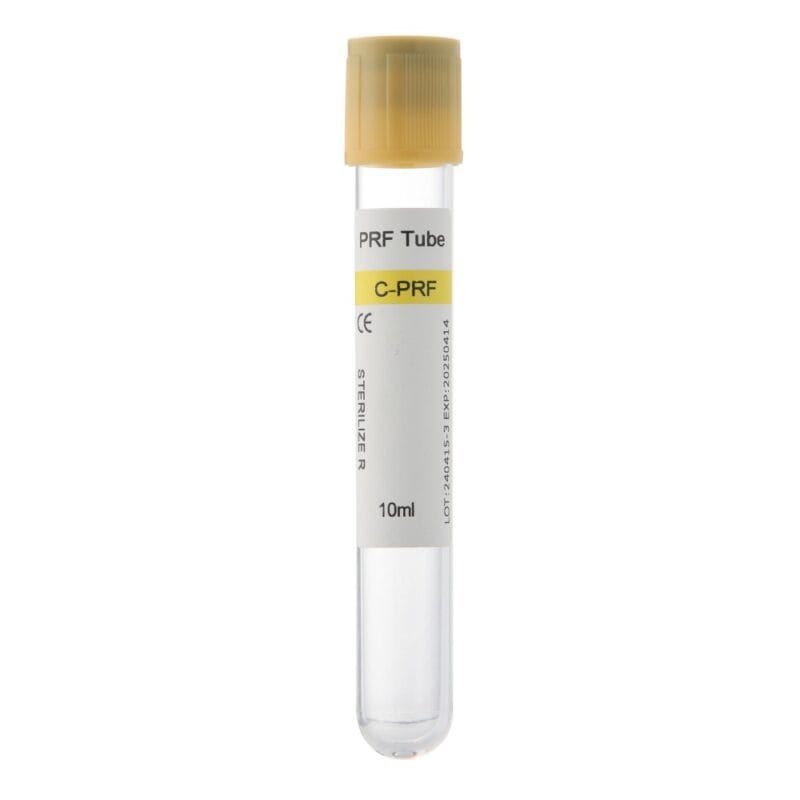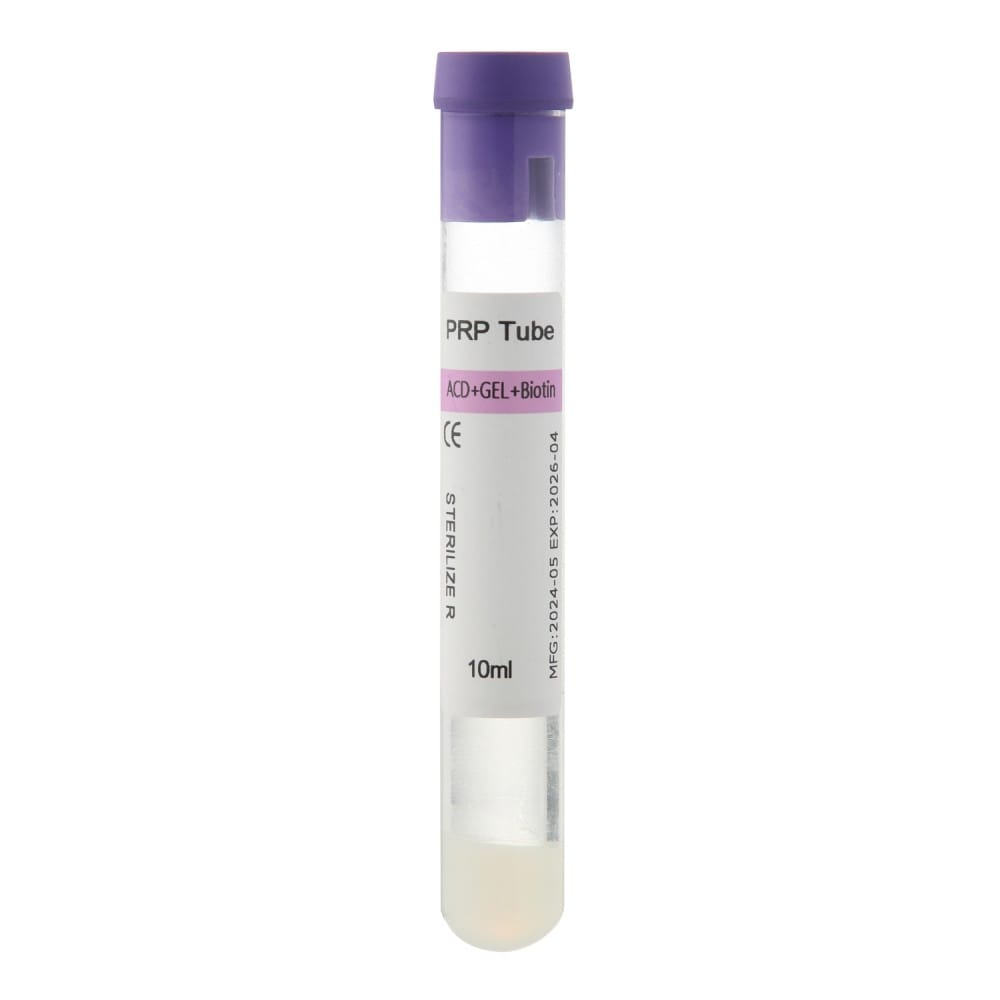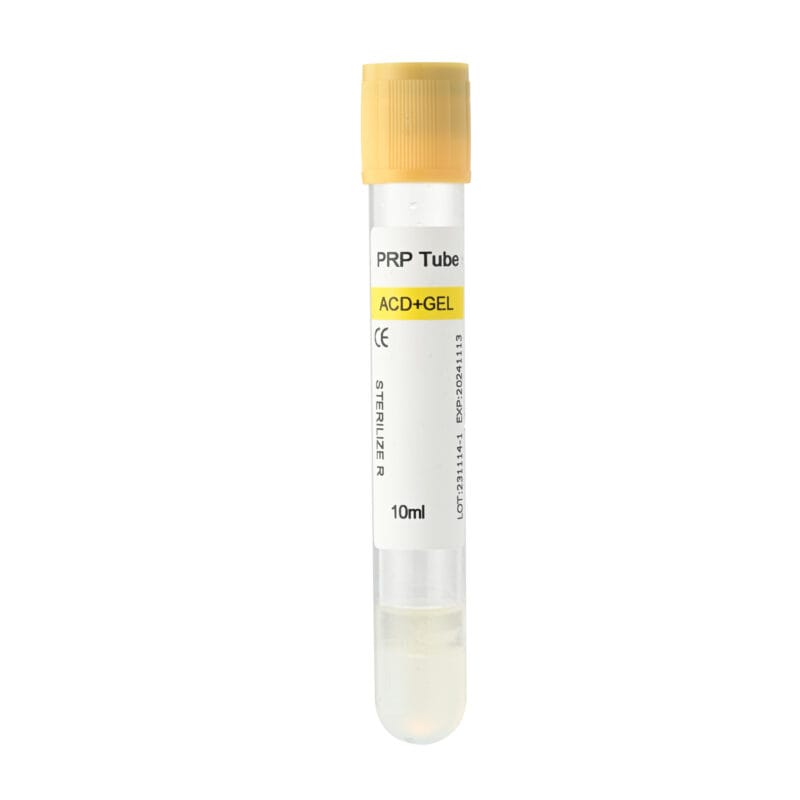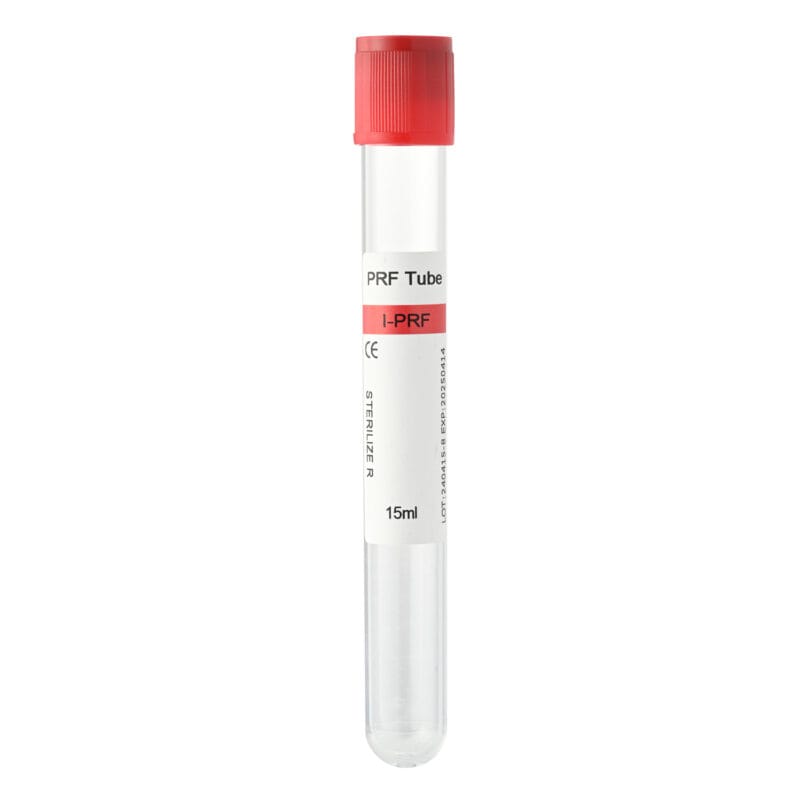
Preparing platelet-rich plasma (PRP) requires more than placing a blood sample in a centrifuge and selecting a spinning speed. The centrifugation process influences how blood components separate and how platelets are distributed within the collected plasma. One of the most common technical questions is RCF vs. RPM in PRP Centrifugation. Although these terms are closely related, they describe different measurements.
RPM tells you how fast a centrifuge rotor spins. RCF describes the centrifugal acceleration experienced by a sample relative to standard gravity. Because rotor radius affects this relationship, two centrifuges running at the same RPM can produce different separation conditions.
This distinction matters for clinics, laboratories, and medical distributors. It helps them interpret preparation protocols, compare centrifuges, and select compatible PRP collection tubes.
In this guide, we explain the differences between RCF and RPM, show how to convert between them, and discuss their influence on PRP preparation.
What Are RCF and RPM in PRP Centrifugation?
RCF and RPM are both used to describe centrifugation conditions. However, they measure different aspects of the process.
Understanding their meanings is the first step toward interpreting PRP preparation instructions correctly.
What Does RPM Mean?
RPM stands for revolutions per minute. It measures the number of complete rotations a centrifuge rotor makes in one minute.
For example, a centrifuge operating at 3,000 RPM completes 3,000 rotations every minute.
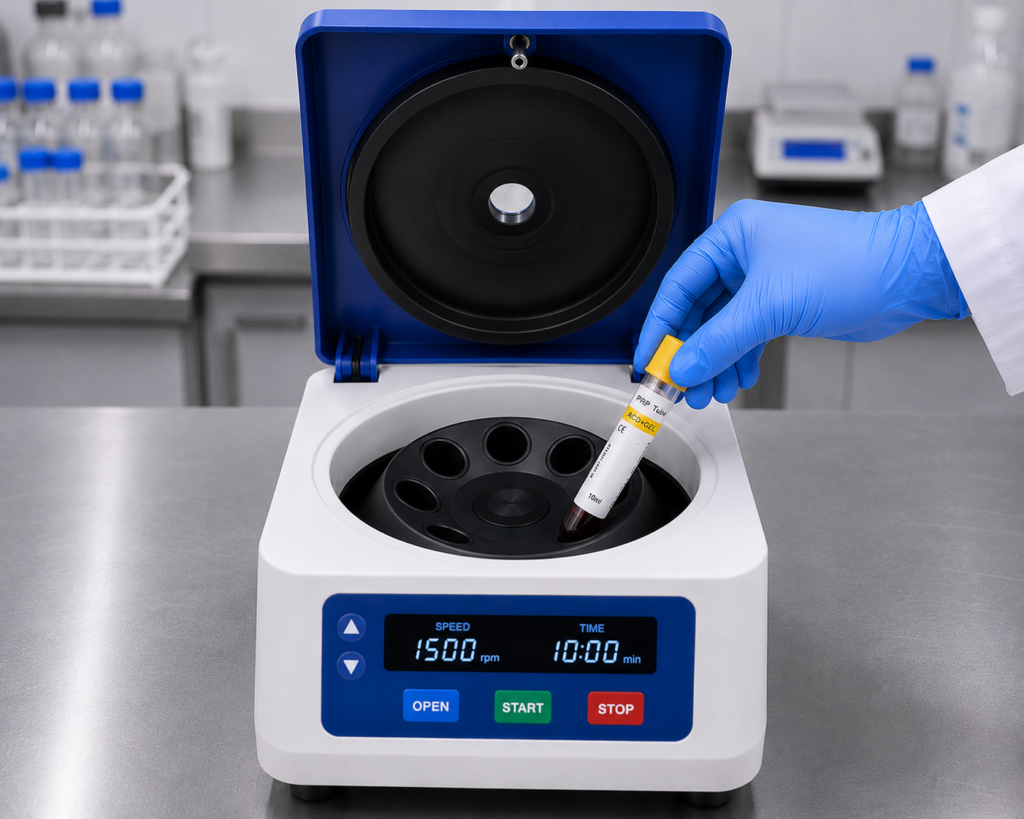
Many laboratory centrifuges display rotational speed in RPM. Operators can enter a value directly, making it a convenient setting for routine use.
However, RPM alone does not tell us the centrifugal acceleration experienced by the blood sample.
That acceleration also depends on the distance between the sample and the rotor’s axis of rotation.
As a result, two centrifuges operating at the same RPM may generate different separation conditions.
What Does RCF Mean?
RCF stands for relative centrifugal force. Despite its name, it expresses centrifugal acceleration relative to standard gravitational acceleration rather than force measured in newtons.
RCF is usually written as ×g.
For example, 500 ×g indicates centrifugal acceleration equivalent to 500 times standard gravity at a specified position within the rotor.
Unlike RPM, RCF accounts for rotor radius. This makes it particularly useful when comparing centrifugation protocols across different machines.
In PRP preparation, RCF helps describe the conditions under which red blood cells, white blood cells, platelets, and plasma separate.
The applied acceleration influences sedimentation behavior and the distribution of these components within the sample.
RCF vs. RPM: Key Differences
| Comparison | RPM | RCF |
|---|---|---|
| Full name | Revolutions per minute | Relative centrifugal force |
| Measures | Rotor speed | Centrifugal acceleration relative to gravity |
| Unit | RPM | ×g |
| Depends on rotor radius | No | Yes |
| Main purpose | Setting rotational speed | Describing centrifugation intensity |
| Use in PRP preparation | Equipment operation | Protocol comparison and process control |
Both measurements are useful.
RPM provides a practical way to operate a centrifuge, while RCF offers a more transferable description of the acceleration applied to a sample.
For PRP preparation, the important point is to understand how these values relate to the actual centrifuge configuration.
How to Convert RPM to RCF for PRP Preparation
Some PRP preparation instructions specify centrifugation conditions in RCF, while certain centrifuges allow users to enter only RPM.
In these situations, converting between the two measurements becomes necessary.
The conversion requires one additional piece of information: the rotor radius.
The RCF and RPM Conversion Formula
RCF (×g) = 1.118 × 10⁻⁵ × r × RPM²
Where:
- RCF: Relative centrifugal force expressed in ×g
- r: Rotor radius in centimeters
- RPM: Rotational speed in revolutions per minute
To calculate RPM from a known RCF:
RPM = √[RCF ÷ (1.118 × 10⁻⁵ × r)]
The formula shows that RCF increases with rotor radius and with the square of rotational speed.
If the radius remains unchanged, doubling RPM produces four times the centrifugal acceleration.
This is why relatively small changes in centrifuge speed can produce meaningful differences in processing conditions.
Example: Same RPM, Different Centrifugal Acceleration
Consider two centrifuges operating at 3,000 RPM.
Centrifuge A has a rotor radius of 8 cm, while Centrifuge B has a radius of 12 cm.
Using the conversion formula:
| Parameter | Centrifuge A | Centrifuge B |
|---|---|---|
| Rotor radius | 8 cm | 12 cm |
| Rotational speed | 3,000 RPM | 3,000 RPM |
| Calculated RCF | 805 ×g | 1,207 ×g |
Although both centrifuges operate at the same speed, Centrifuge B generates approximately 50% greater centrifugal acceleration at the specified radius.
This difference may influence blood component separation and platelet distribution.
Therefore, copying an RPM setting from one centrifuge to another does not guarantee equivalent processing conditions.
These values are mathematical examples, not recommended settings for PRP preparation.
Why Rotor Radius Matters
Rotor radius refers to the distance between the rotation axis and a specified position within the sample.
Three measurements are commonly considered:
- Minimum radius (r-min): Distance to the position nearest the rotation axis.
- Average radius (r-avg): A representative distance within the sample.
- Maximum radius (r-max): Distance to the farthest position from the rotation axis.
Different radius definitions produce different calculated RCF values.
For accurate conversion, users should check which measurement their centrifuge manufacturer or preparation protocol specifies.
This is particularly important when comparing centrifuges with different rotor designs.
How RCF and RPM Affect PRP Separation Quality
The goal of PRP centrifugation is not simply to spin blood as quickly as possible.
Instead, centrifugation should create suitable conditions for separating blood components and collecting the intended platelet-containing plasma fraction.
The relationship between RCF vs. RPM in PRP Centrifugation becomes especially important when evaluating separation efficiency and processing consistency.
How Centrifugation Separates Blood Components
Whole blood contains components with different densities and sedimentation characteristics.
During centrifugation, these components separate according to their physical properties and the conditions applied.
A typical separated sample may contain three main regions.
Red blood cell layer
Red blood cells generally form a denser fraction toward the outer end of the sample tube during centrifugation.
Buffy coat region
White blood cells and platelets may accumulate near the interface between red blood cells and plasma. Their distribution varies with the preparation method.
Plasma layer
Plasma forms the upper fraction in a typical upright tube after centrifugation. However, platelet concentration within this layer depends on the processing protocol.
The appearance of clearly separated layers does not necessarily indicate optimal platelet recovery.
Platelet concentration, recovery efficiency, and cellular composition require appropriate evaluation.
What Happens When Centrifugal Acceleration Is Too Low?
If the applied acceleration is insufficient for a particular protocol, blood components may not separate adequately within the intended processing time.
Possible results include:
- Incomplete separation between blood fractions
- Poorly defined layer boundaries
- Inconsistent platelet distribution
- Difficulty collecting the intended plasma fraction
However, lower centrifugal acceleration is not always undesirable.
Some PRP preparation methods intentionally use gentler conditions to achieve a particular separation pattern.
The correct setting depends on the preparation method rather than a universal minimum value.
What Happens When Centrifugal Acceleration Is Too High?
Increasing centrifugal acceleration can promote faster sedimentation. However, stronger centrifugation does not automatically produce better PRP.
Under certain processing conditions, excessive acceleration may change platelet distribution and recovery.
For example, more platelets may move into denser fractions, making the desired platelet-containing portion harder to collect.
Processing conditions may also influence platelet characteristics, although the effects depend on the complete preparation protocol.
Therefore, the highest available centrifuge speed should not be treated as the best setting.
Are There Standard RCF Values for PRP Preparation?
Published PRP preparation methods use a wide range of centrifugation conditions.
Some research protocols employ centrifugal accelerations of a few hundred ×g during initial separation. Subsequent concentration steps may use higher values.
However, these conditions vary considerably according to rotor design, processing time, sample characteristics, and the intended PRP composition.
A setting used successfully in one system may not produce the same result in another.
For this reason, published values should be understood as examples of different preparation approaches rather than universal operating recommendations.
Users should follow the validated instructions for their specific PRP preparation system.
Why Centrifugation Time Also Matters
Centrifugal acceleration and processing time work together.
A lower RCF applied for a longer period may produce a different separation pattern from a higher RCF applied briefly.
However, these conditions are not necessarily interchangeable.
Processing time affects how far blood components sediment, while rotor geometry and sample properties influence their movement.
Other factors, including acceleration, braking, temperature, and sample handling, may also affect separation.
Reliable PRP preparation therefore requires a complete protocol rather than a single RPM value.
Why Centrifuge Settings Matter When Choosing PRP Tubes
For clinics and distributors purchasing PRP collection tubes, understanding centrifugation conditions helps prevent compatibility problems.
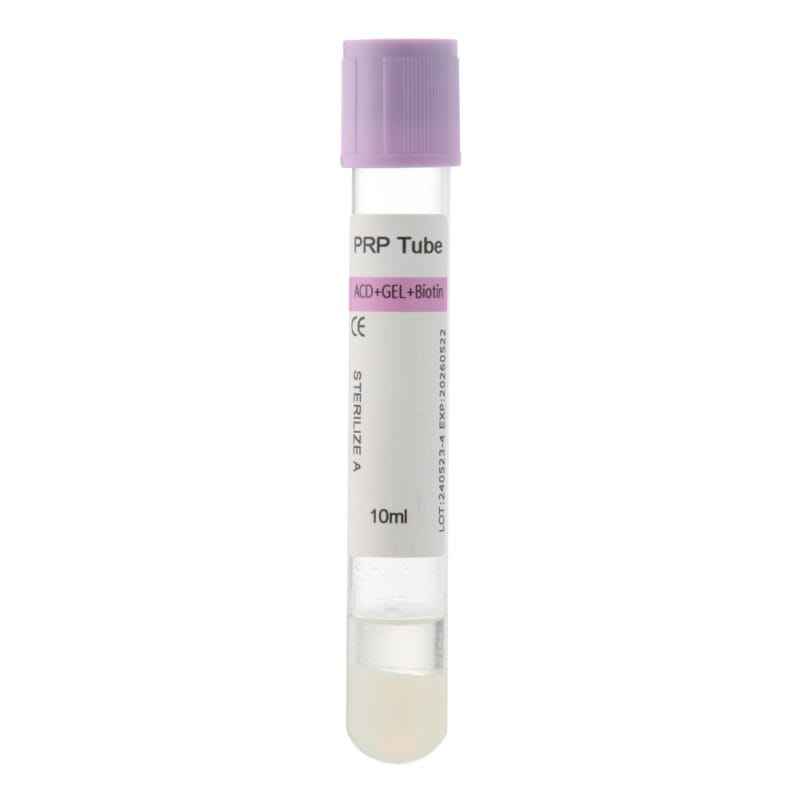
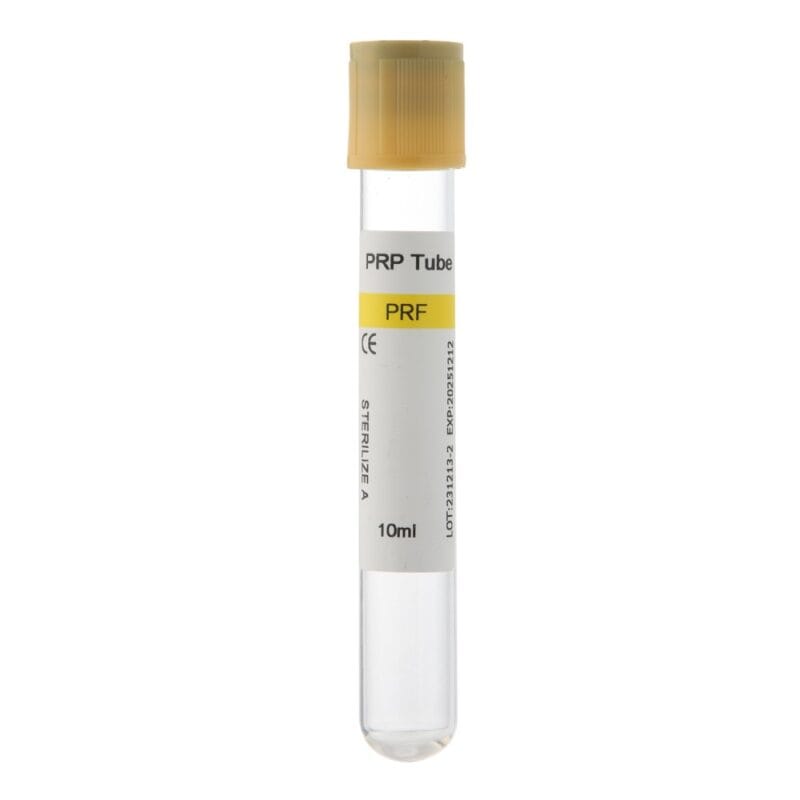
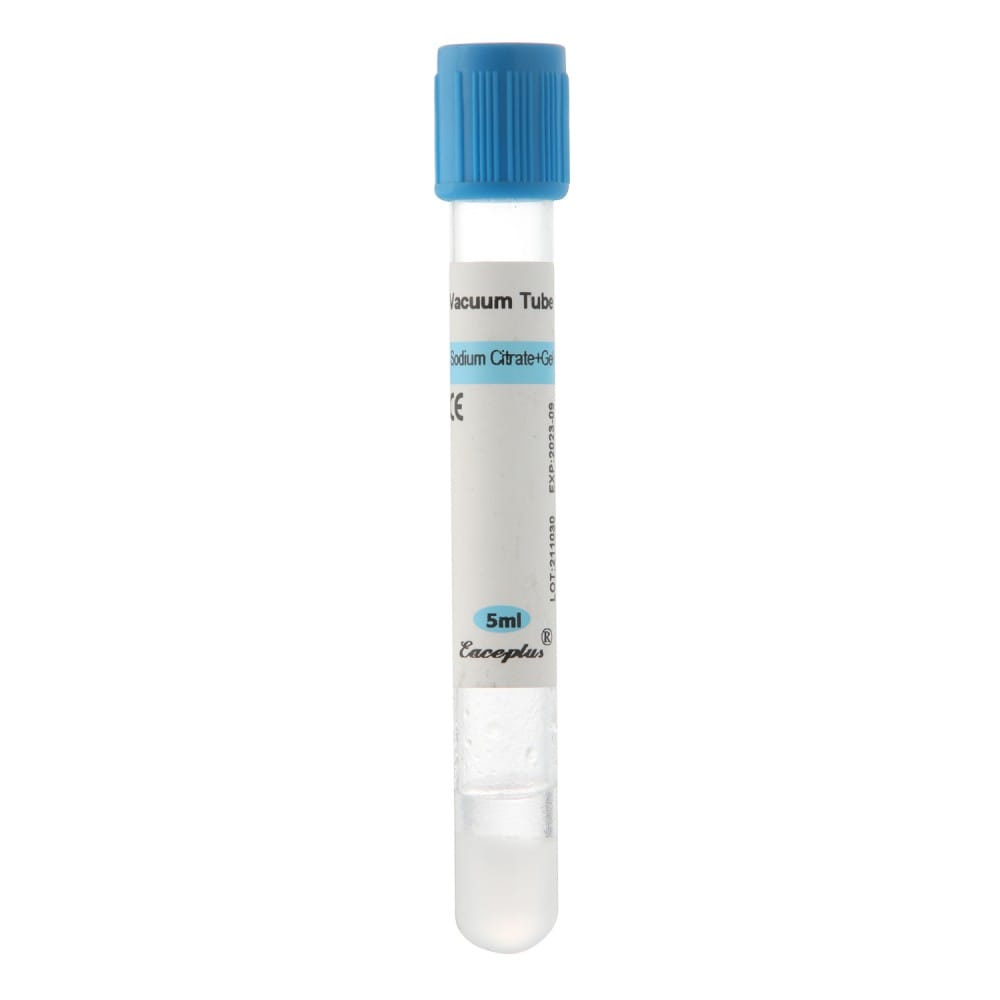
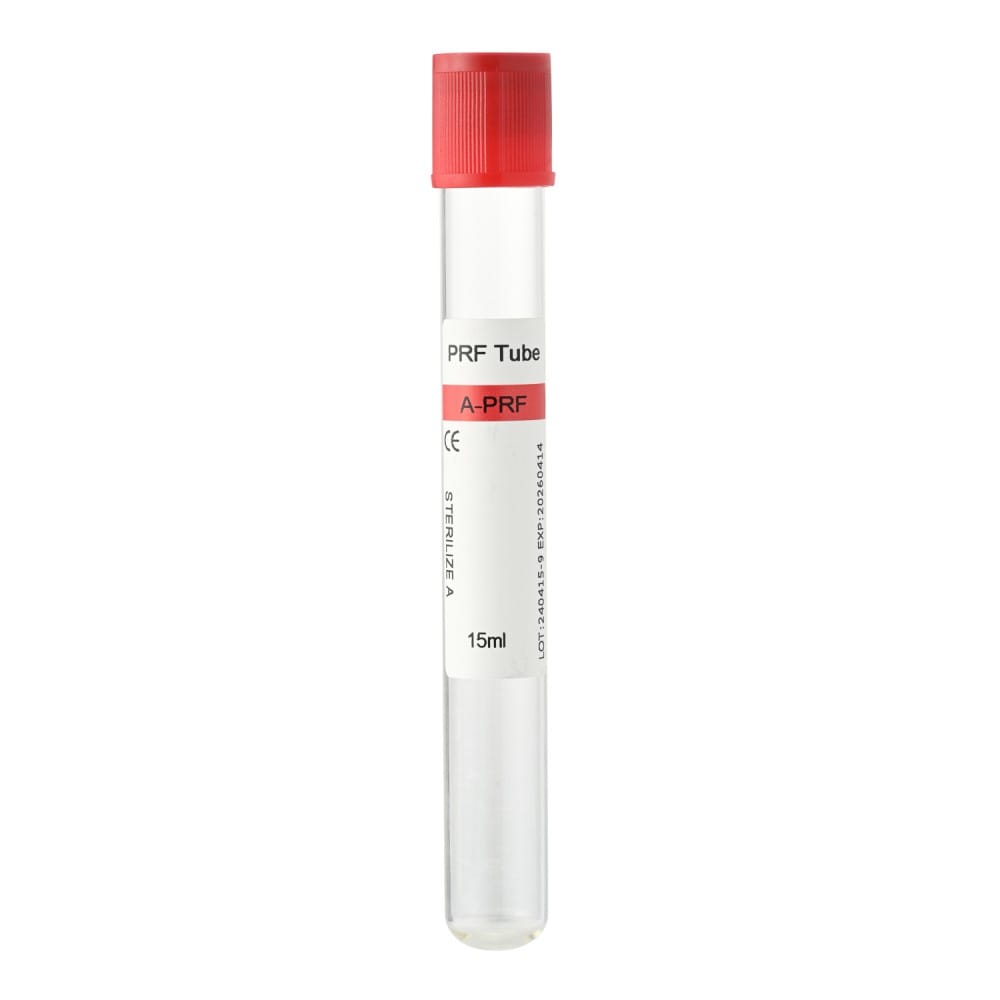
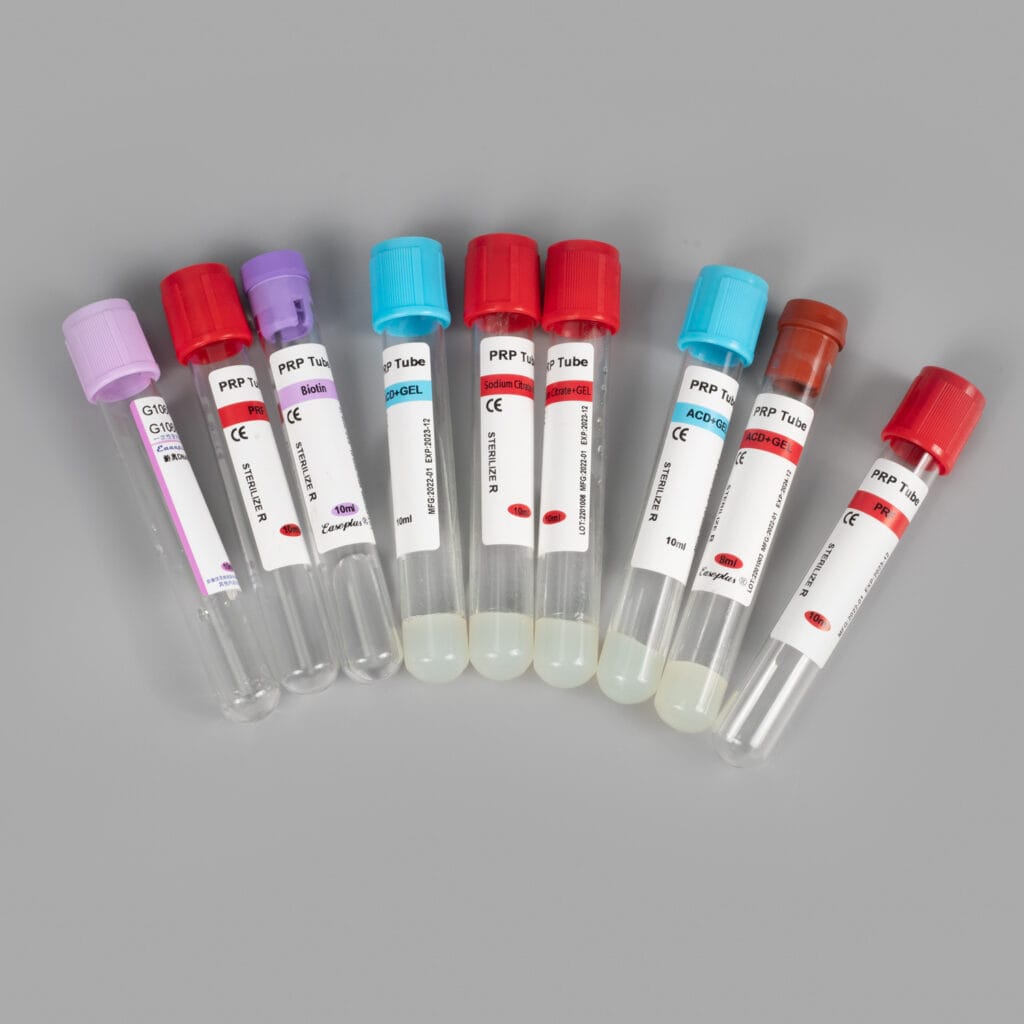
PRP tubes may look similar, but differences in dimensions, materials, internal design, and separation systems can influence their intended use.
Selecting the right tube requires more than matching its nominal capacity to the centrifuge.
PRP Tube and Centrifuge Compatibility
Before purchasing PRP tubes, buyers should confirm that the products are compatible with the intended centrifuge.
Important considerations include:
- Tube diameter and overall length
- Rotor or bucket configuration
- Suitable holders and adapters
- Permitted centrifugation conditions
- Recommended sample filling volume
- Tube handling instructions
A tube that physically fits inside a centrifuge is not necessarily approved for that equipment or preparation protocol.
Buyers should check both mechanical compatibility and the intended operating conditions.
This is especially important when clinics introduce a new PRP tube system while continuing to use existing centrifuges.
How PRP Tube Design Influences Separation
PRP tubes may use different internal designs to support blood component separation and collection.
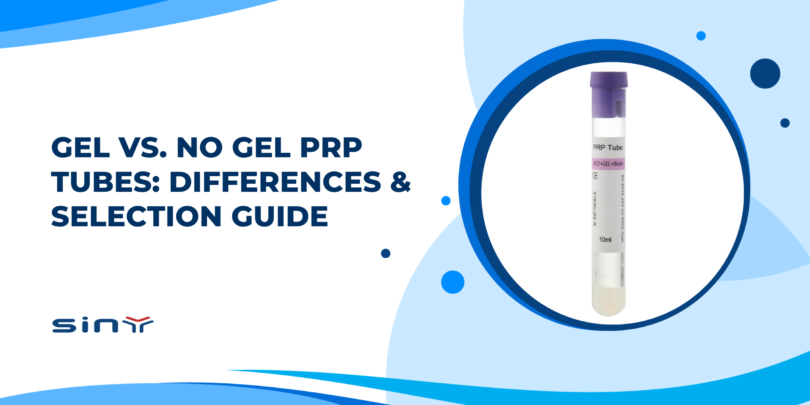
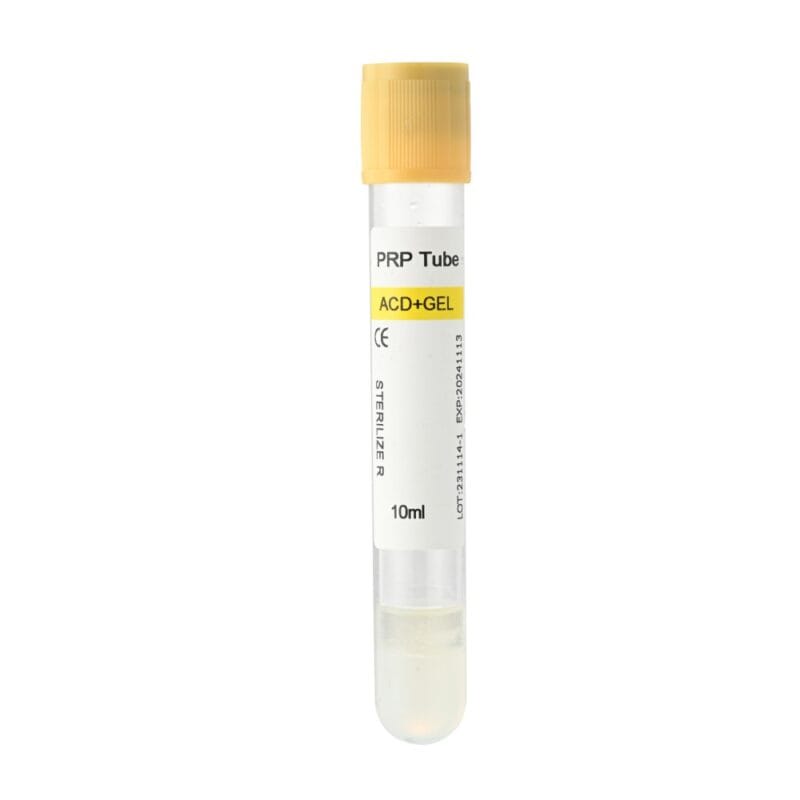
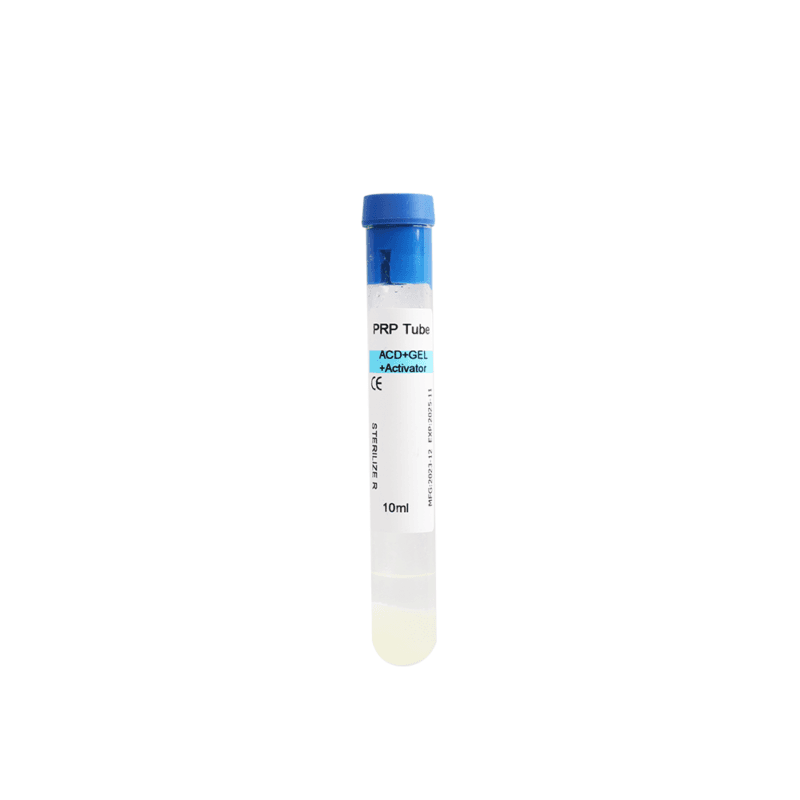
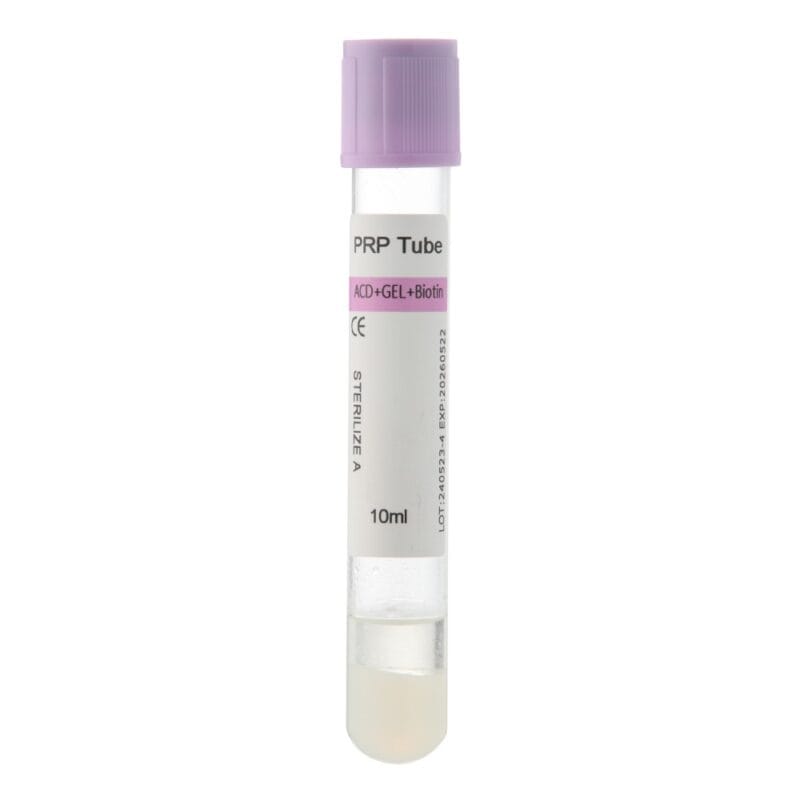
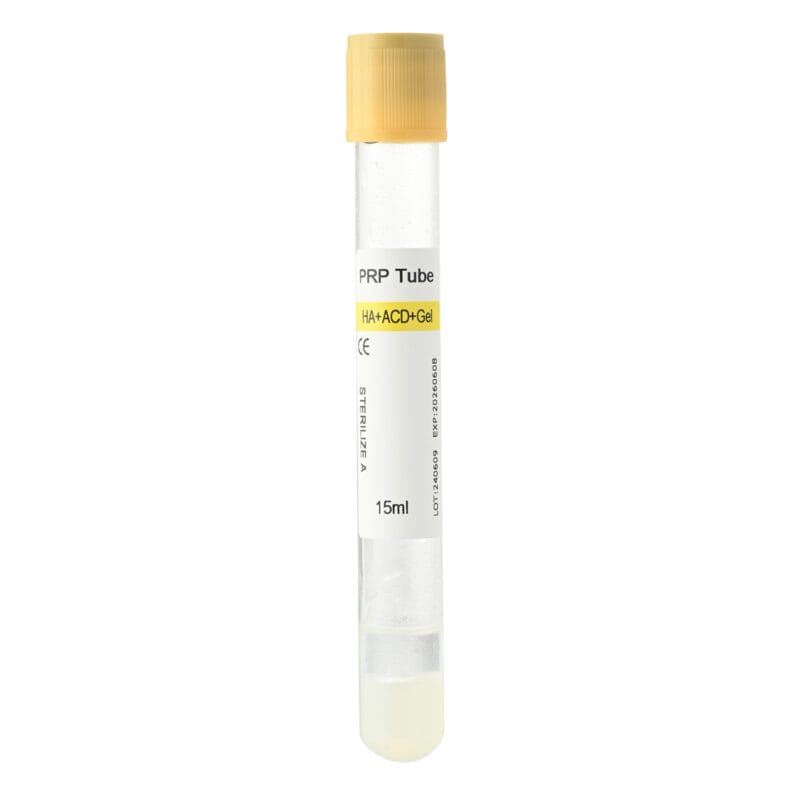
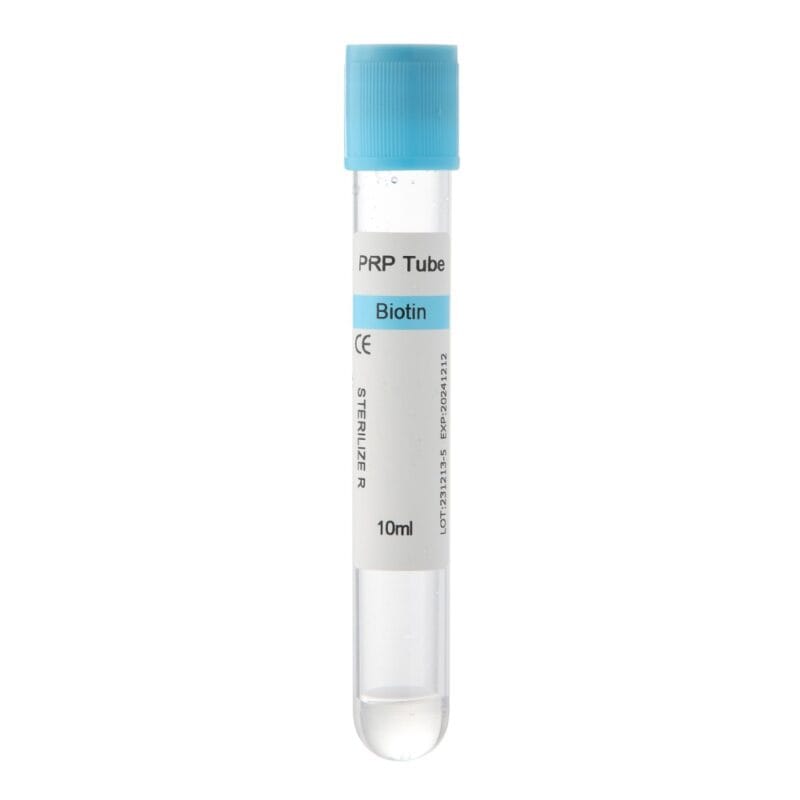
For example, some tubes contain separation gel, while others rely on centrifugation without a gel barrier.
In suitable systems, separation gel can form a physical barrier between selected blood fractions after centrifugation.
However, gel behavior depends on the tube formulation, centrifugation conditions, and intended processing method.
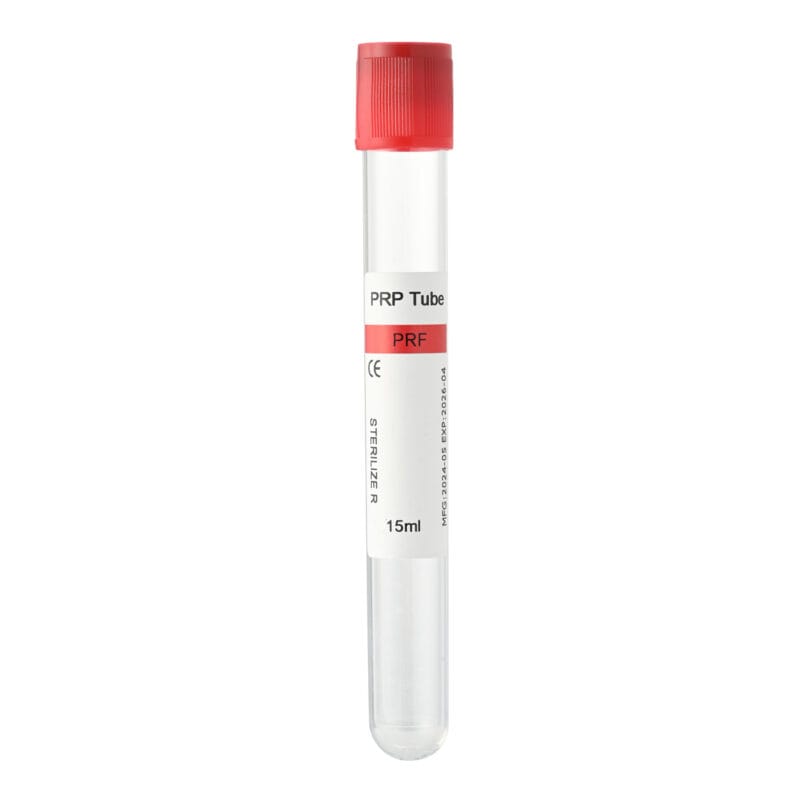
Tubes without separation gel may require a different collection technique to recover the desired platelet-containing plasma fraction.
Neither design automatically guarantees higher platelet concentration or better PRP quality.
Instead, buyers should evaluate the tube’s intended preparation method and compatibility with their equipment.
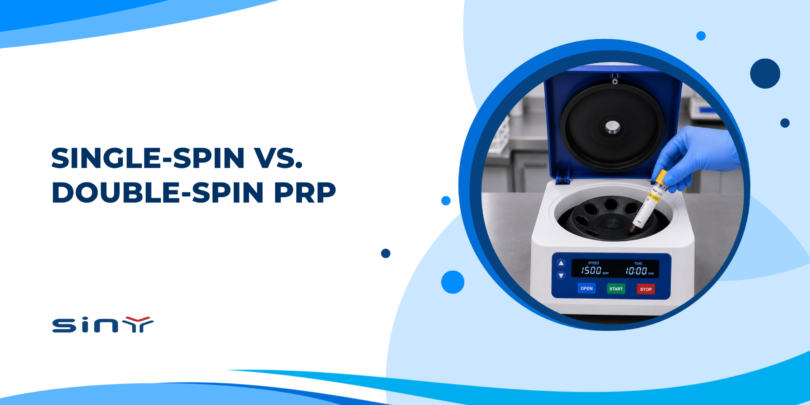
Single-Spin and Double-Spin PRP Preparation
PRP preparation may involve one or two centrifugation stages.
A single-spin method uses one centrifugation cycle before collecting the intended plasma fraction.
A double-spin method generally uses an initial separation step followed by another centrifugation stage to further concentrate platelets.
The RCF and processing time may differ between these stages.
However, the number of centrifugation steps alone does not determine PRP quality.
Platelet recovery, concentration, and cellular composition depend on the complete preparation protocol.
Clinics should therefore select PRP tubes and processing methods according to their intended application and the system’s validated instructions.
How to Choose the Right PRP Centrifugation Setup
Choosing a PRP preparation system involves matching the centrifuge, collection tubes, and operating procedure.
For medical buyers, the most useful approach is to verify compatibility before purchasing rather than relying on general centrifugation recommendations.
Check the Centrifuge Specifications
Start by confirming whether the centrifuge displays RPM, RCF, or both.
If the machine only accepts RPM, identify the correct rotor radius before converting the required RCF.
Also check the supported rotor configurations and operating limits.
A centrifuge with a higher maximum RPM is not necessarily more suitable for PRP preparation.
The priority is whether the equipment can provide the required processing conditions.
Review the PRP Tube Requirements
Next, examine the instructions supplied with the PRP collection tubes.
Different systems may specify particular processing conditions, filling volumes, and collection procedures.
Before ordering, confirm the intended centrifugation method and whether the tubes are suitable for the available equipment.
If a supplier provides only an RPM setting, ask which centrifuge and rotor configuration were used to establish it.
This helps avoid transferring machine-specific settings to an incompatible centrifuge.
Focus on Consistent Preparation
Consistent PRP processing depends on repeatable operating conditions.
Clinics should use suitable tube holders, maintain appropriate sample volumes, and follow the same validated preparation procedure.
Staff handling also matters. Even when centrifuge settings remain unchanged, differences in sample collection and plasma recovery can influence the final preparation.
For distributors, clear compatibility information and consistent product specifications are valuable when supplying PRP tubes to different customers.
Ultimately, selecting a suitable PRP system means balancing equipment compatibility, preparation requirements, and routine purchasing needs.
Frequently Asked Questions About RCF and RPM in PRP Centrifugation
1. What is the main difference between RCF and RPM?
RPM measures how quickly a centrifuge rotor rotates, while RCF describes centrifugal acceleration relative to standard gravity at a specified radius. RCF depends on both rotational speed and rotor radius.
2. Is RCF more important than RPM for PRP preparation?
RCF is generally more useful when comparing centrifugation conditions between different machines. However, RPM remains necessary for operating centrifuges that require rotational speed settings.
3. Can I use the same RPM setting on different PRP centrifuges?
Not necessarily. Two centrifuges operating at the same RPM may generate different RCF values because their rotor radii differ. Settings should be verified using the actual rotor specifications.
4. What is the best RCF for PRP centrifugation?
There is no universal RCF suitable for every PRP preparation system. Appropriate conditions depend on tube design, centrifuge configuration, processing time, and the intended PRP characteristics.
5. Does higher RPM produce better platelet-rich plasma?
Not automatically. Higher RPM increases centrifugal acceleration when rotor radius remains constant, but stronger centrifugation does not necessarily improve platelet recovery or PRP quality.
6. How do I calculate RPM from RCF?
Use the formula:
RPM = √[RCF ÷ (1.118 × 10⁻⁵ × rotor radius in cm)]
The correct rotor radius must be known before calculating the required speed.
7. Do different PRP tubes require different centrifugation settings?
They may. PRP tubes can differ in their dimensions, separation systems, and intended processing methods. Users should follow the instructions for the specific tube system and verify centrifuge compatibility.
Conclusion
Understanding RCF vs. RPM in PRP Centrifugation helps clinics and laboratories interpret centrifugation protocols and establish more consistent PRP preparation procedures. RPM describes rotational speed, while RCF accounts for the centrifugal acceleration applied to a sample at a specified radius. Because rotor design influences this relationship, centrifugation settings should be verified before transferring them between different machines.
For PRP tube buyers, suitable product selection also depends on tube design, centrifuge compatibility, and preparation requirements. Siny PRP offers a range of PRP collection tubes for different processing needs. Visit our product pages or contact our team to explore available options and discuss compatibility with your centrifugation equipment.