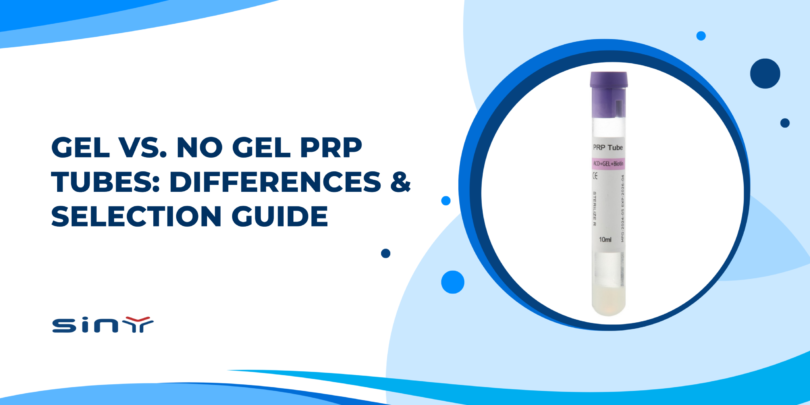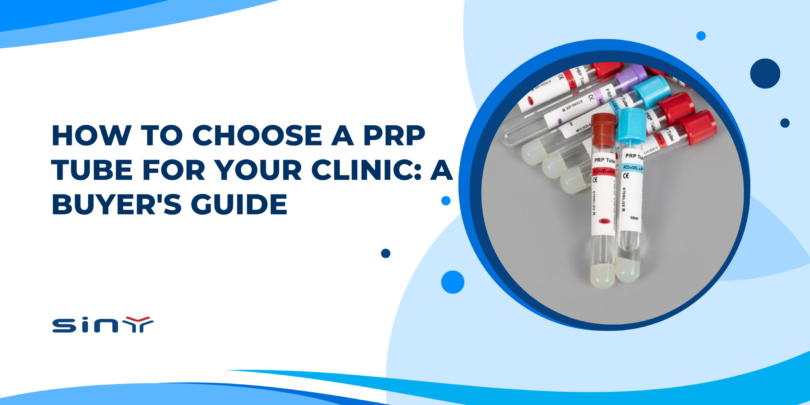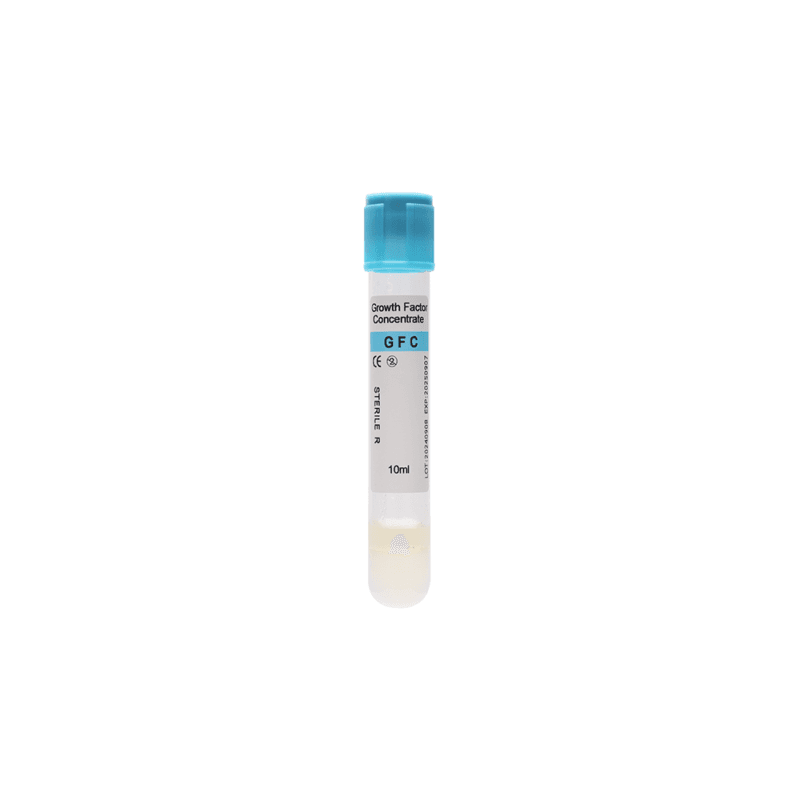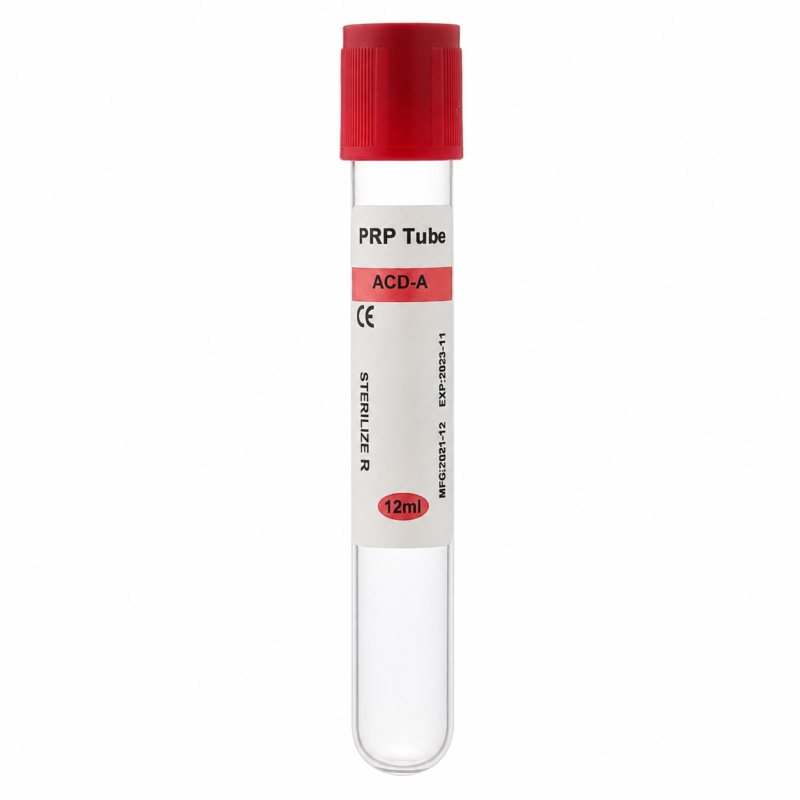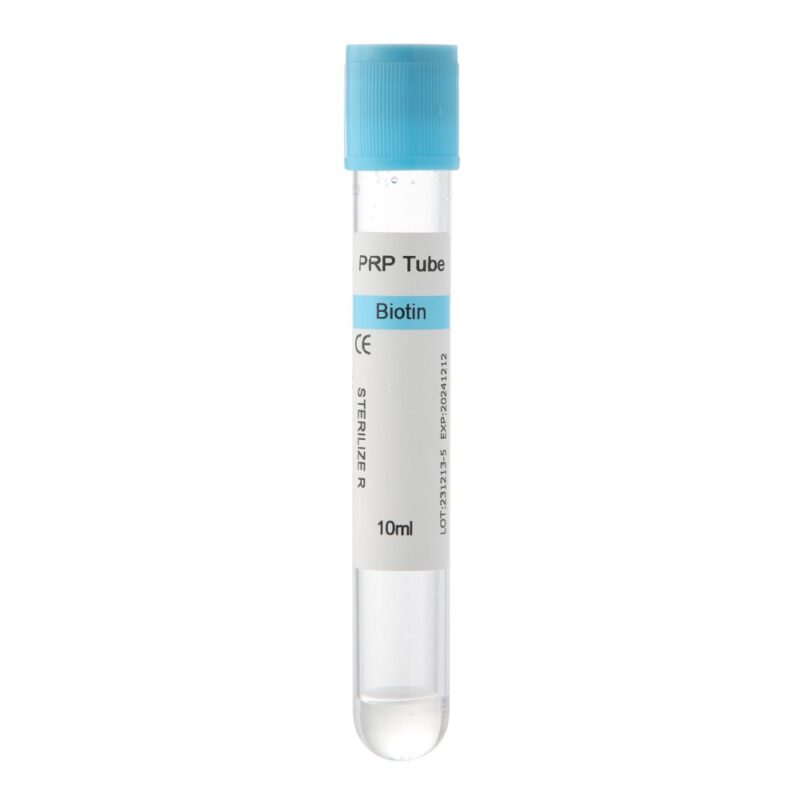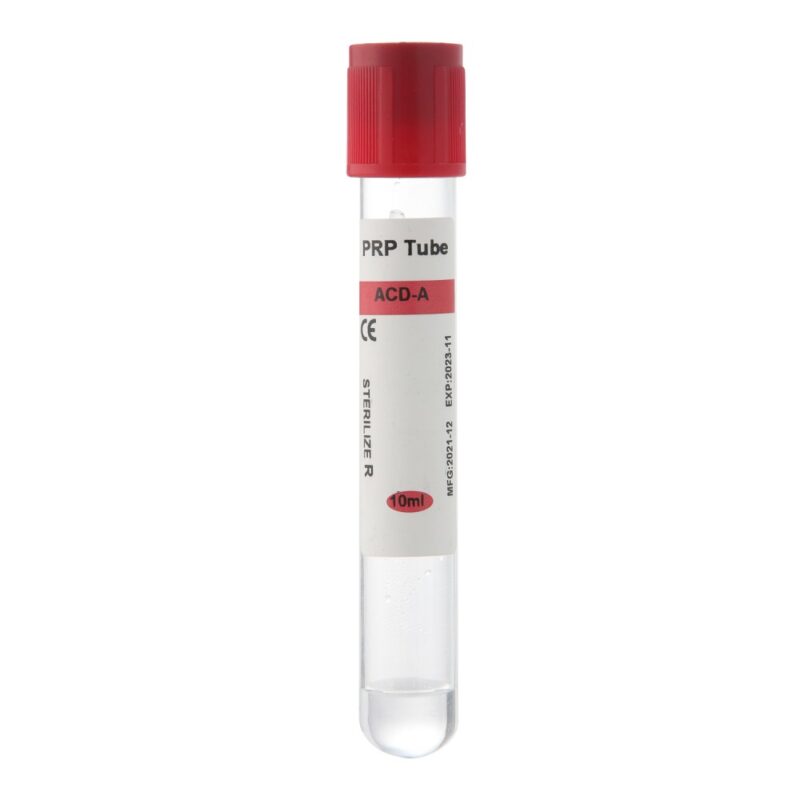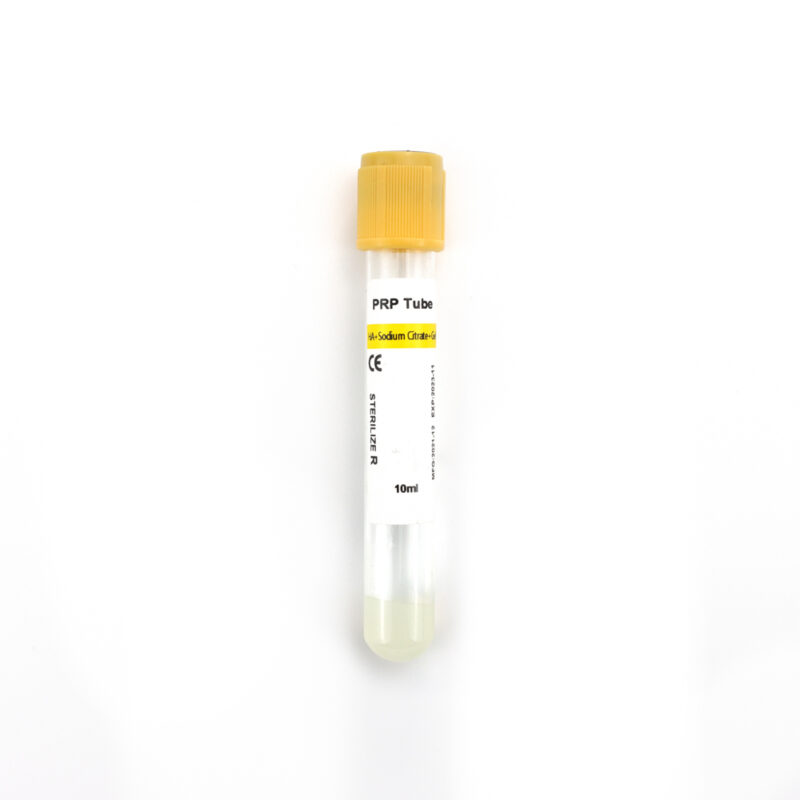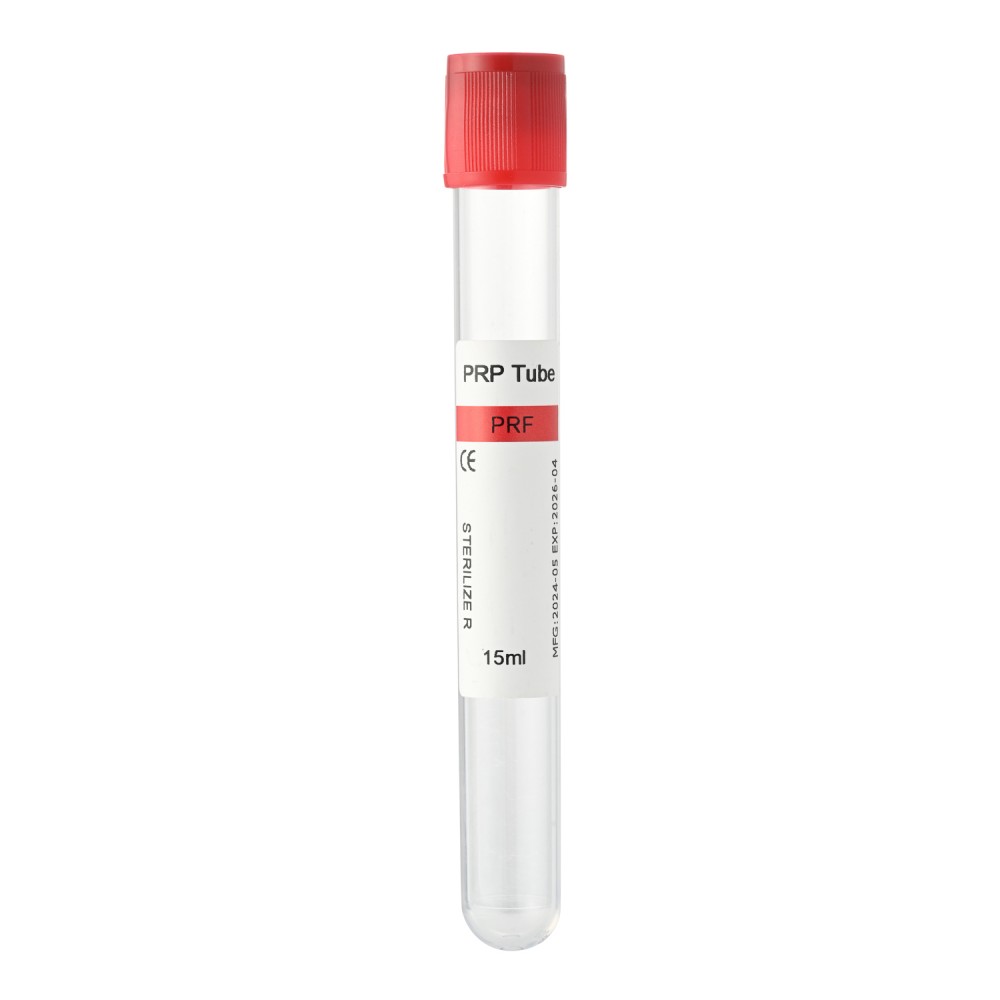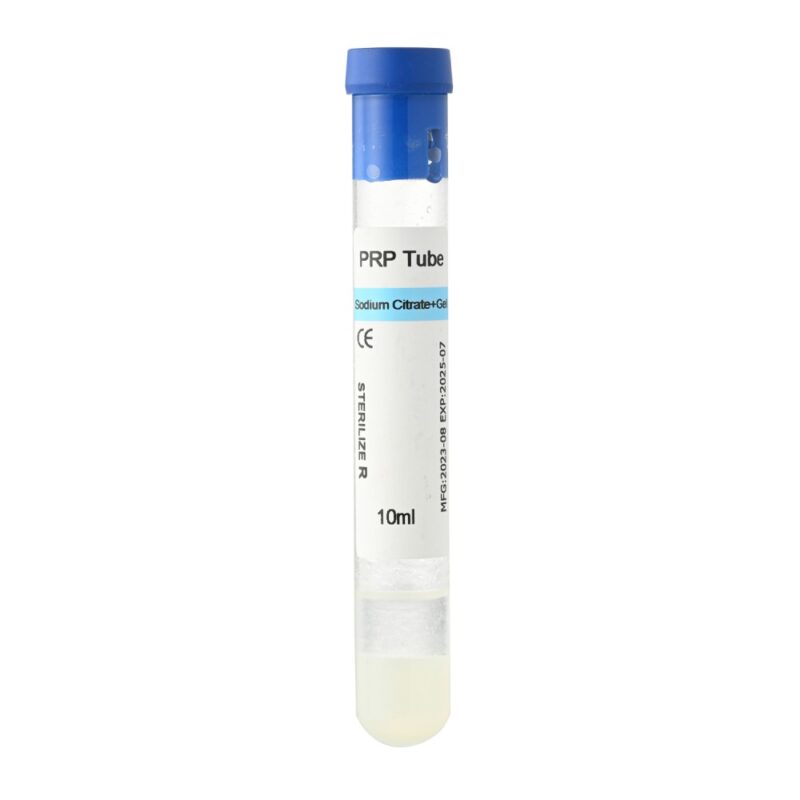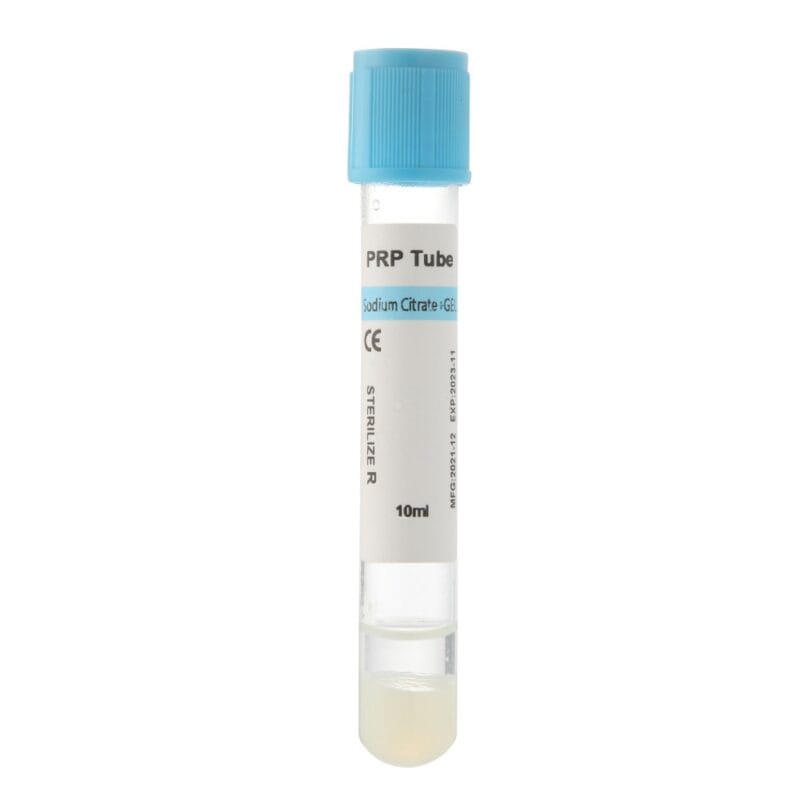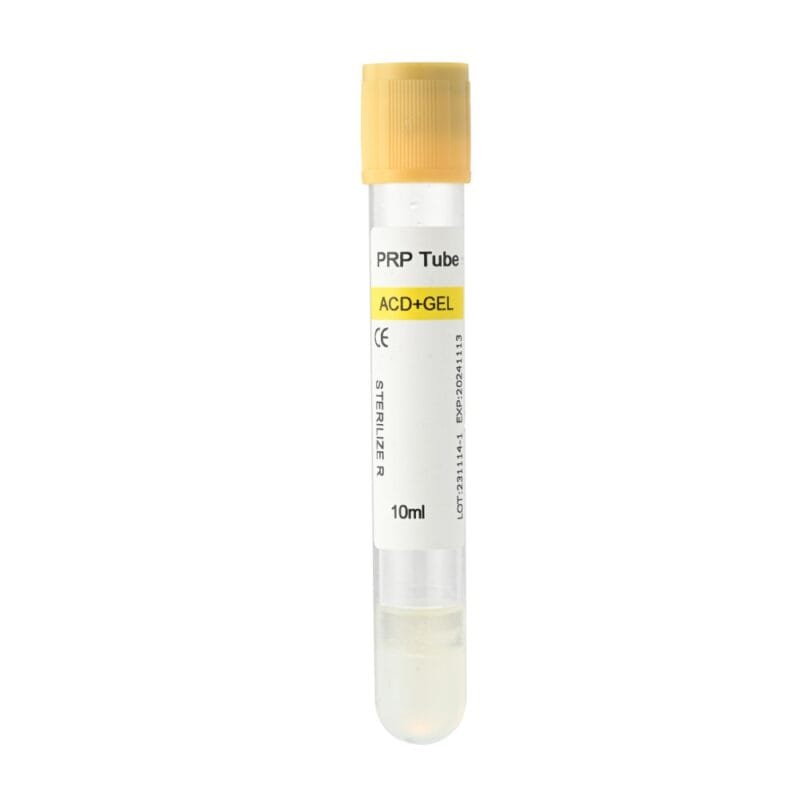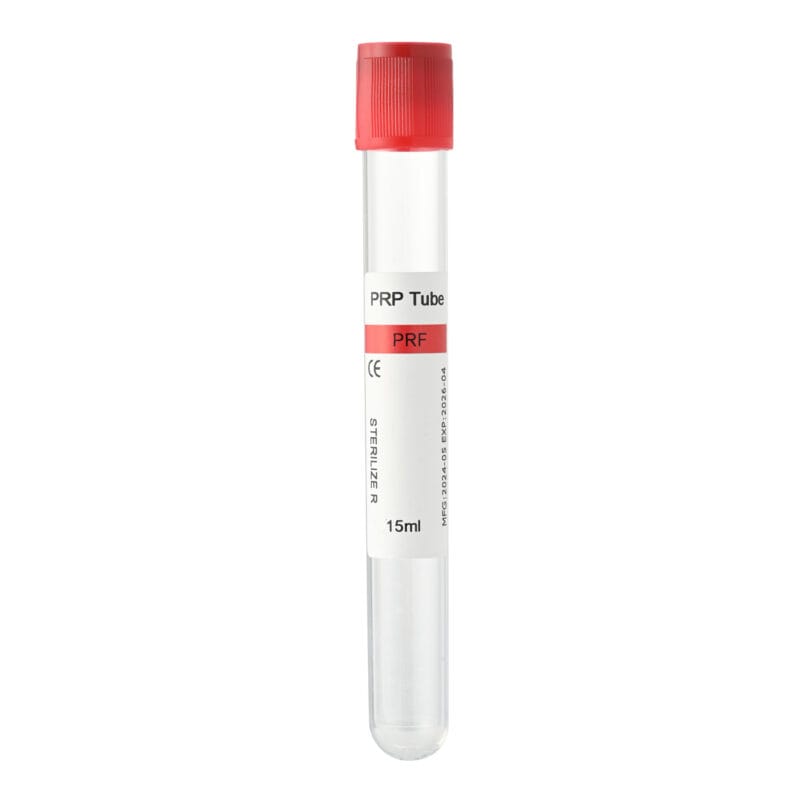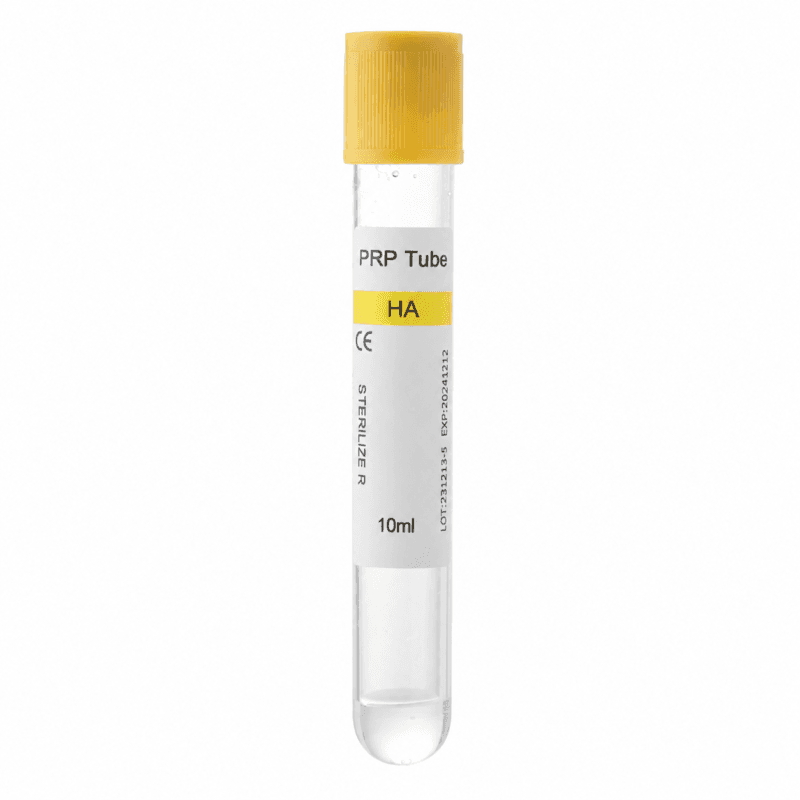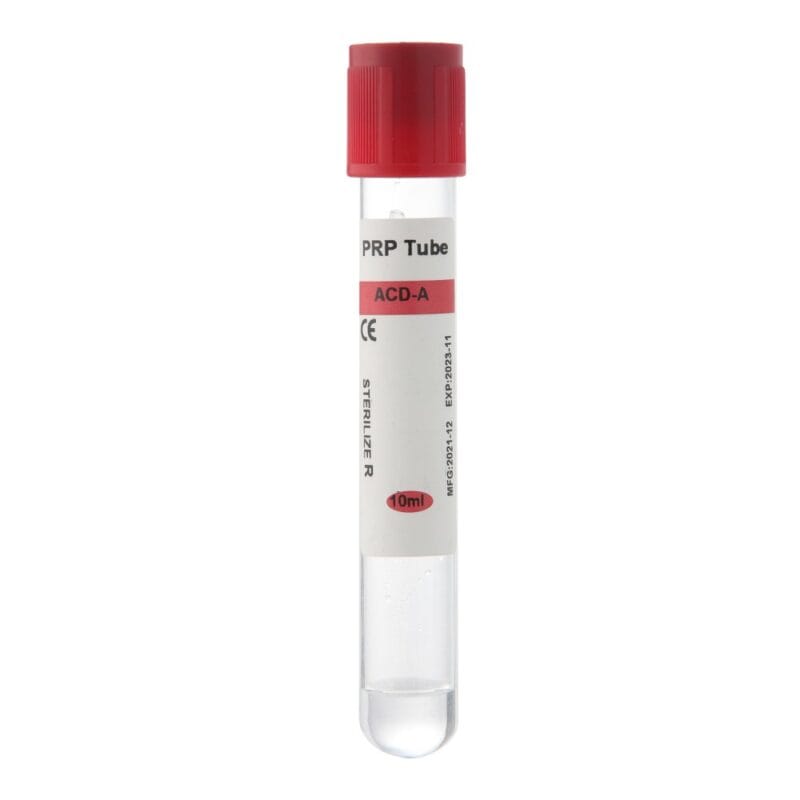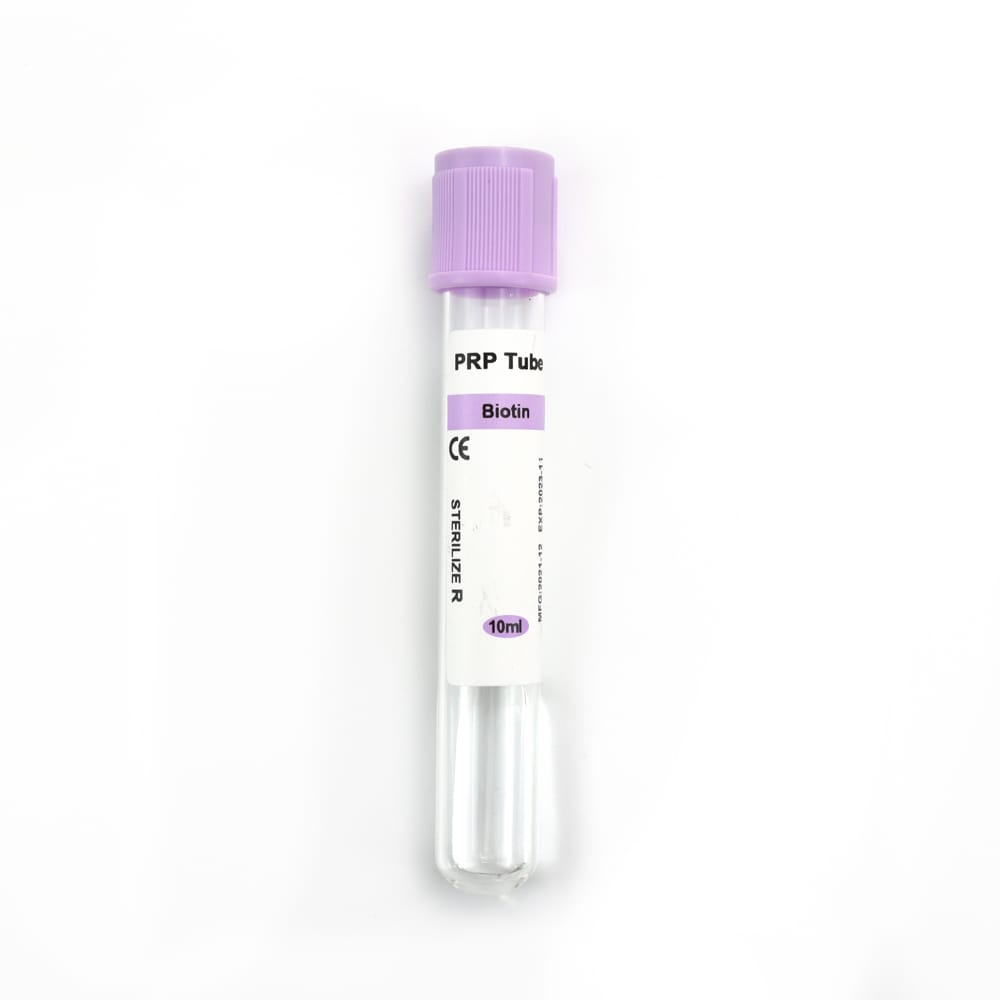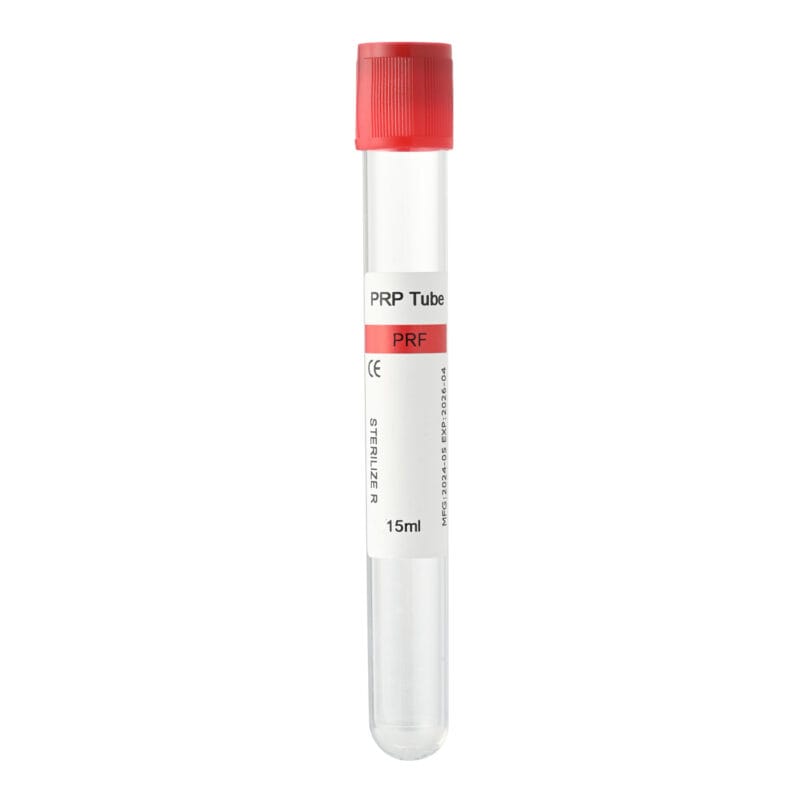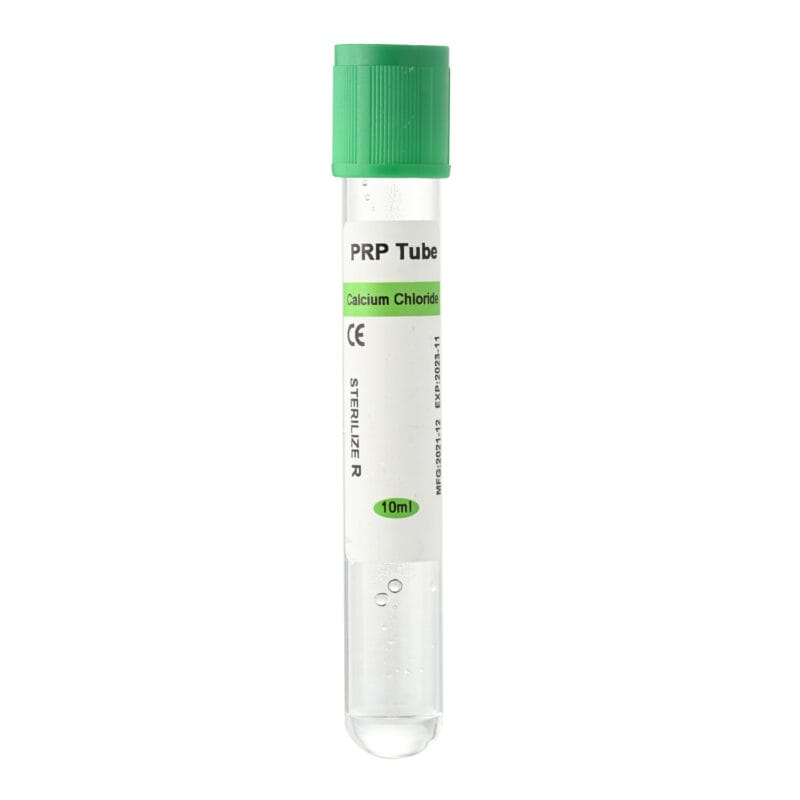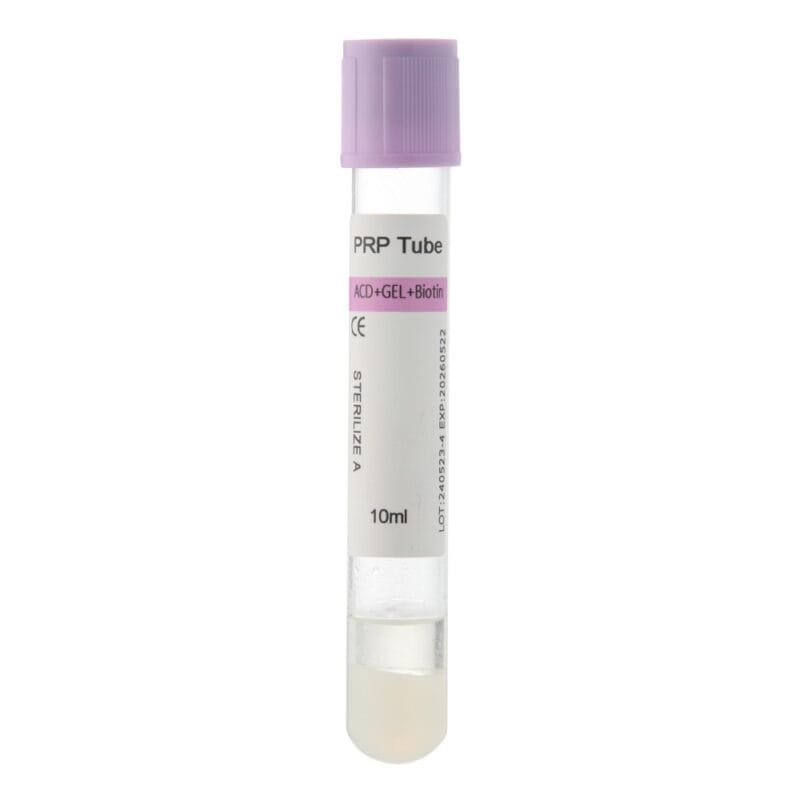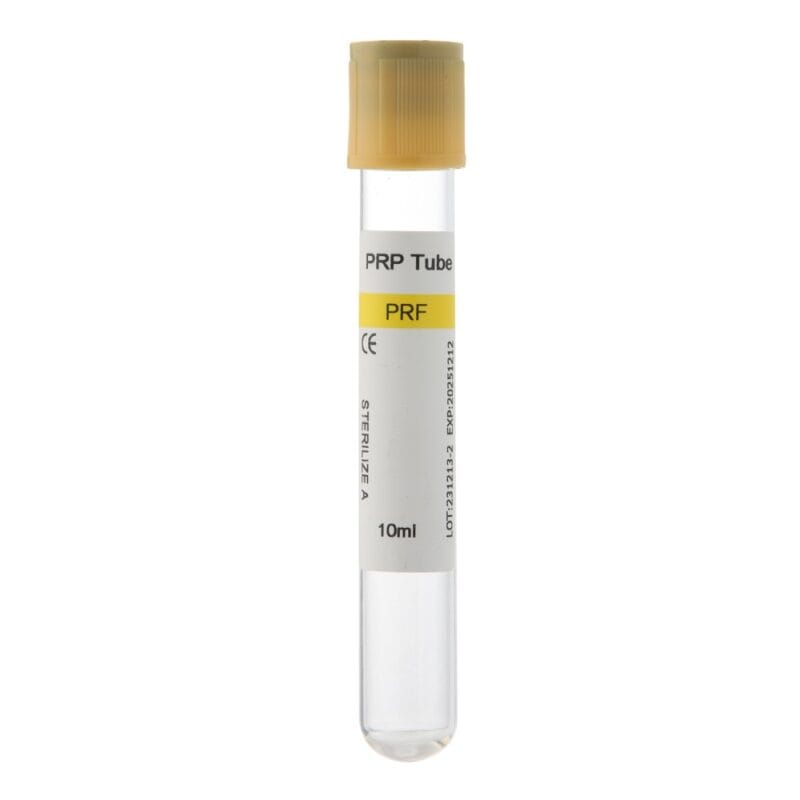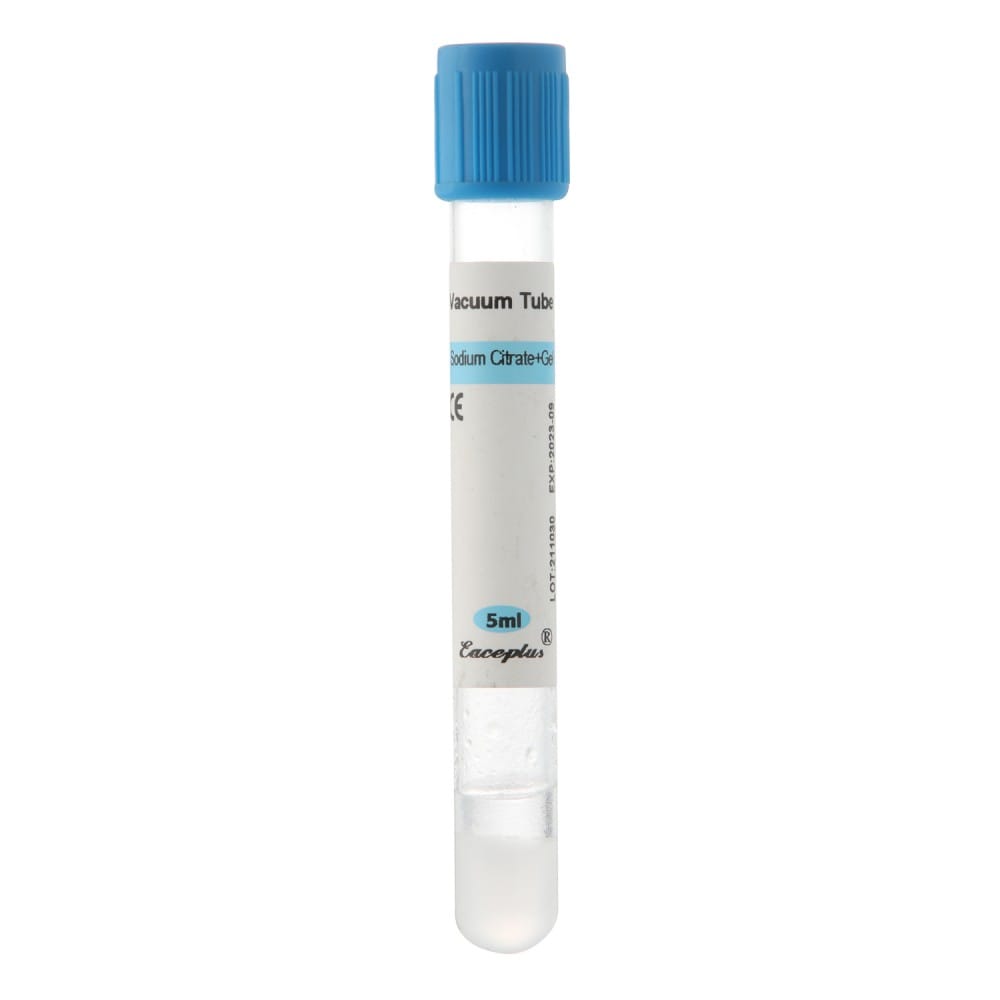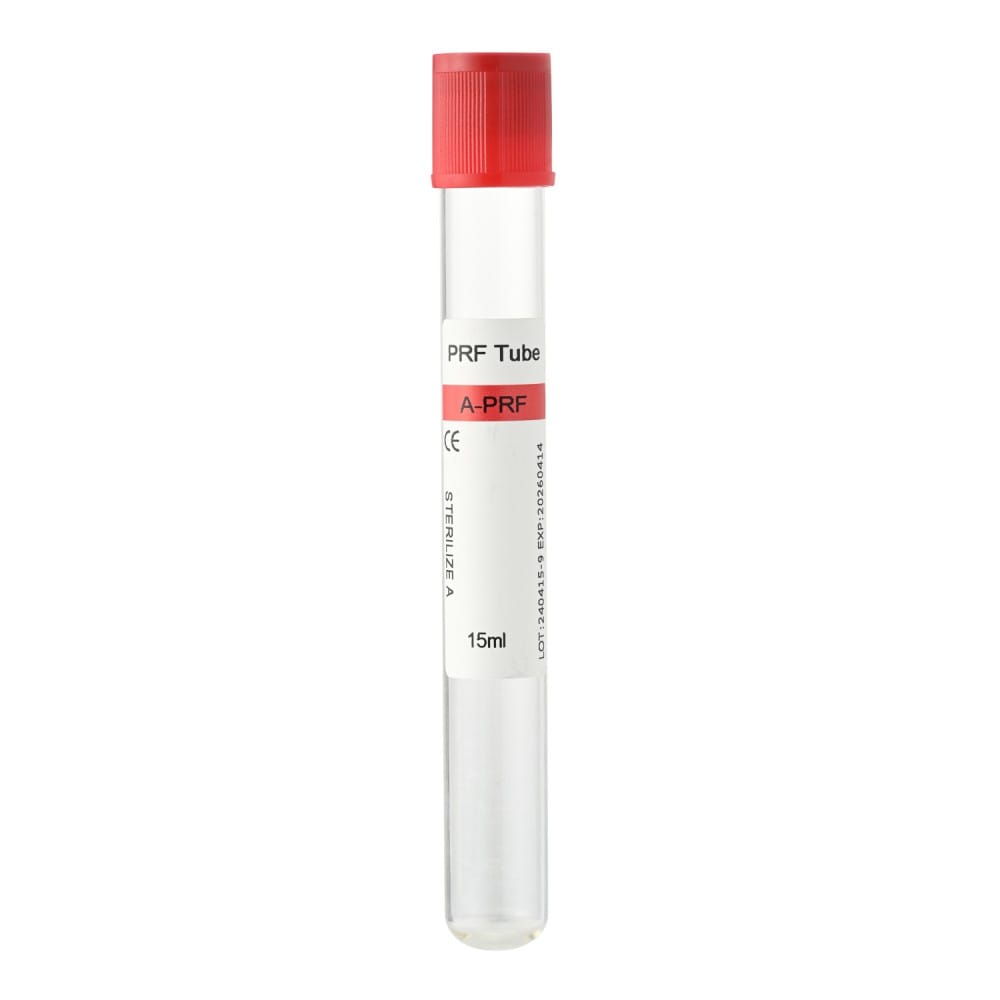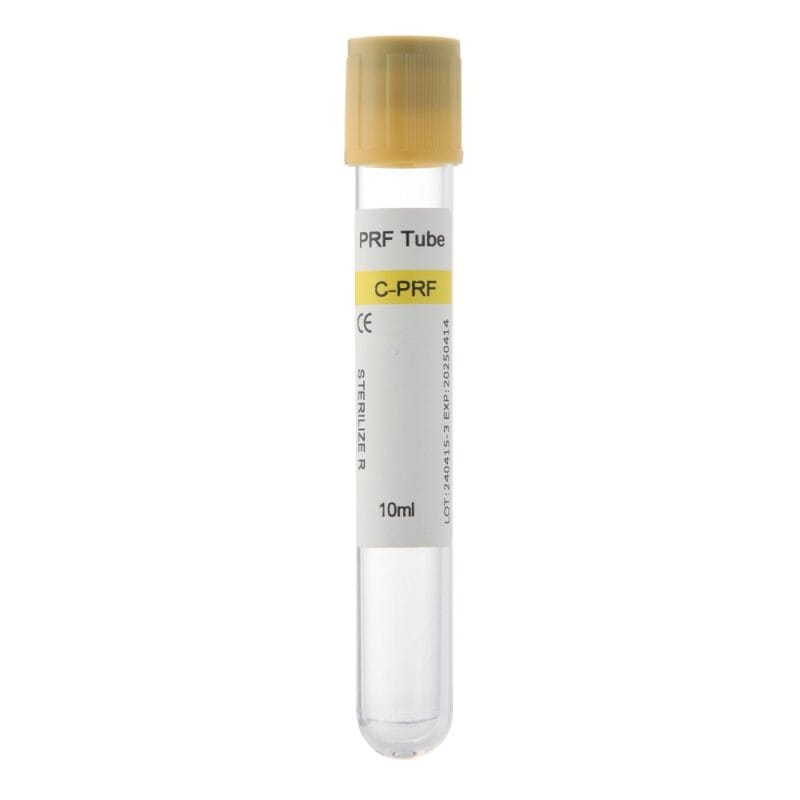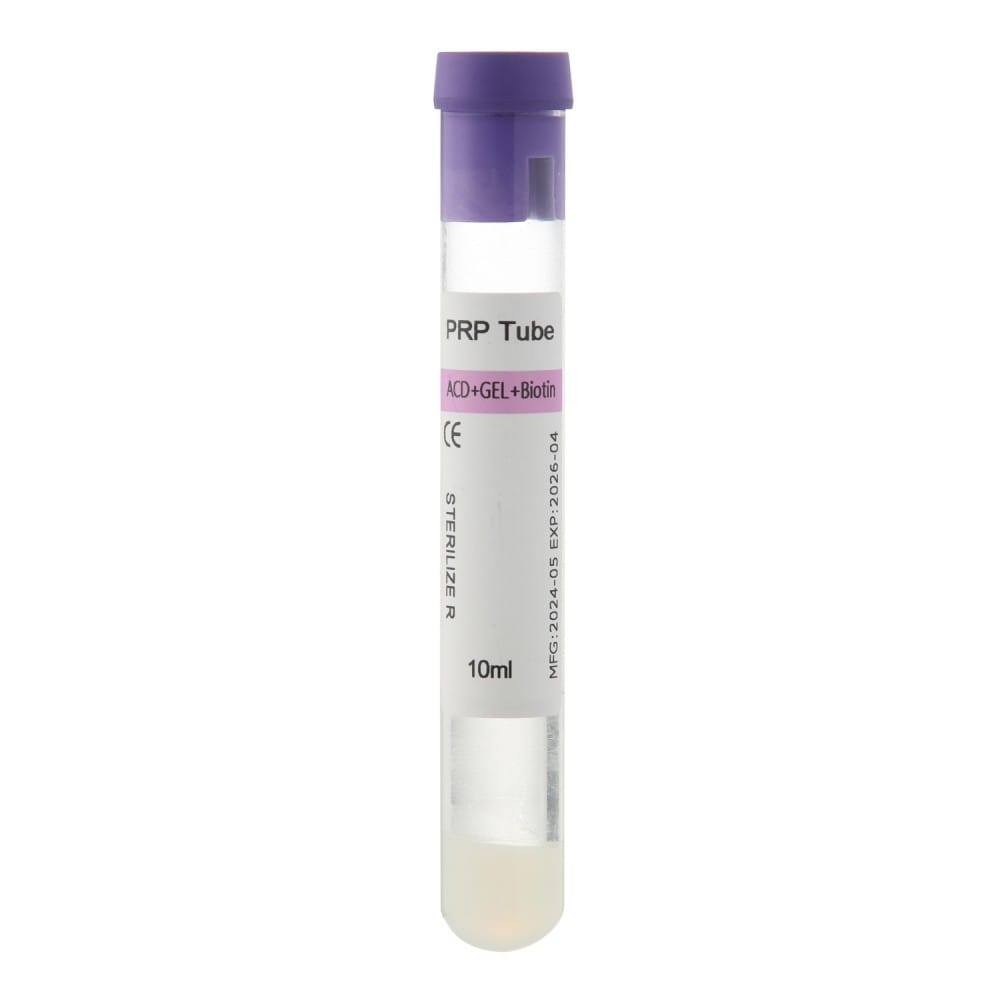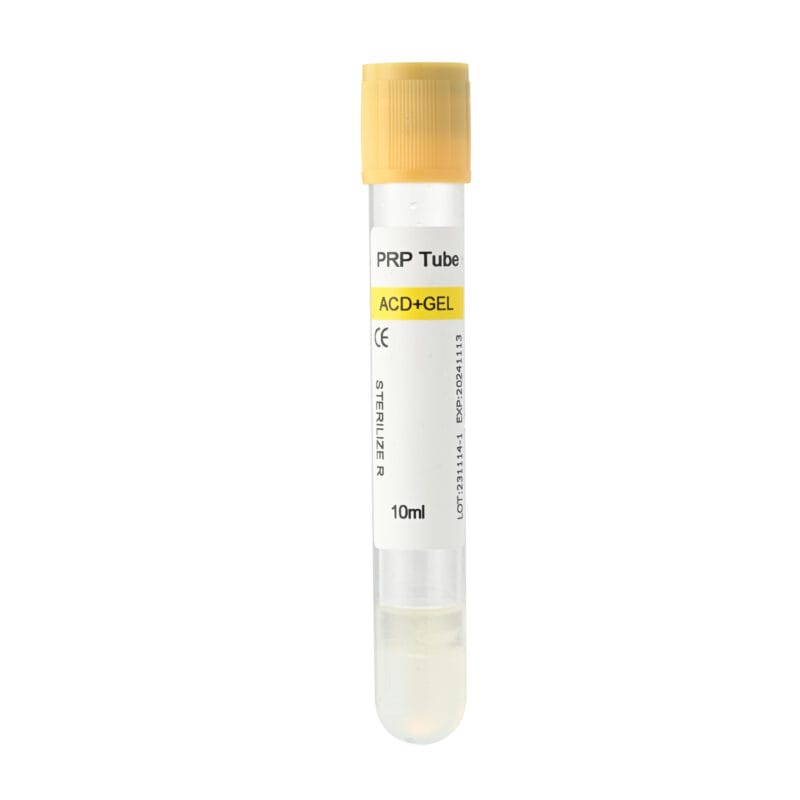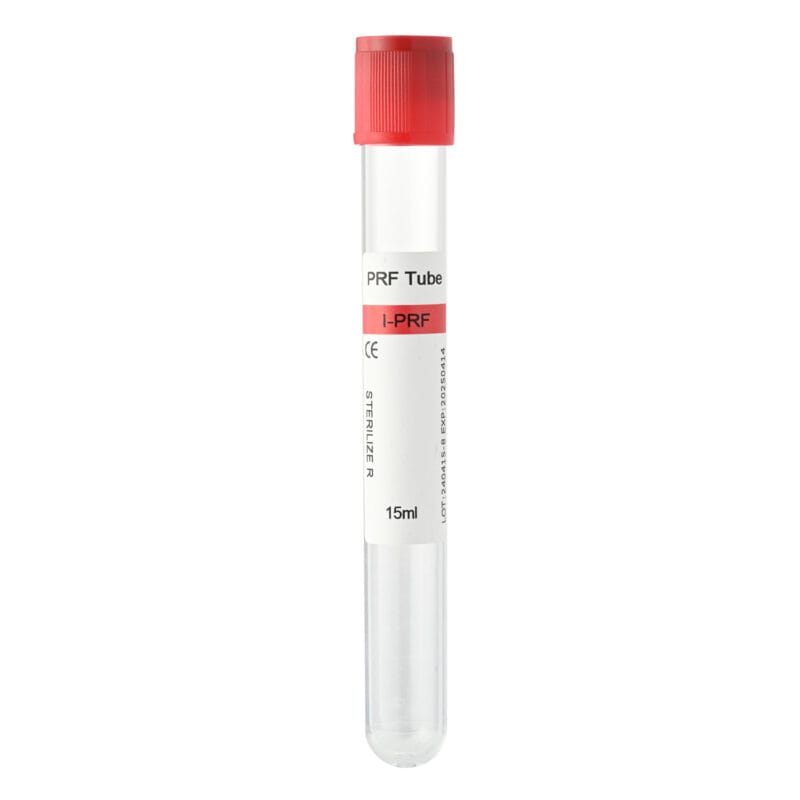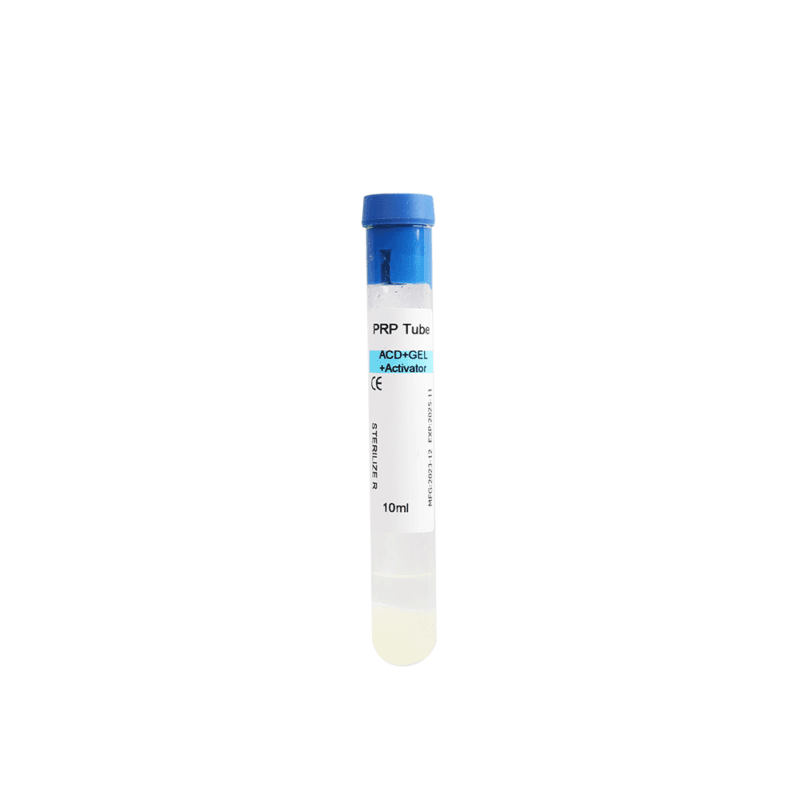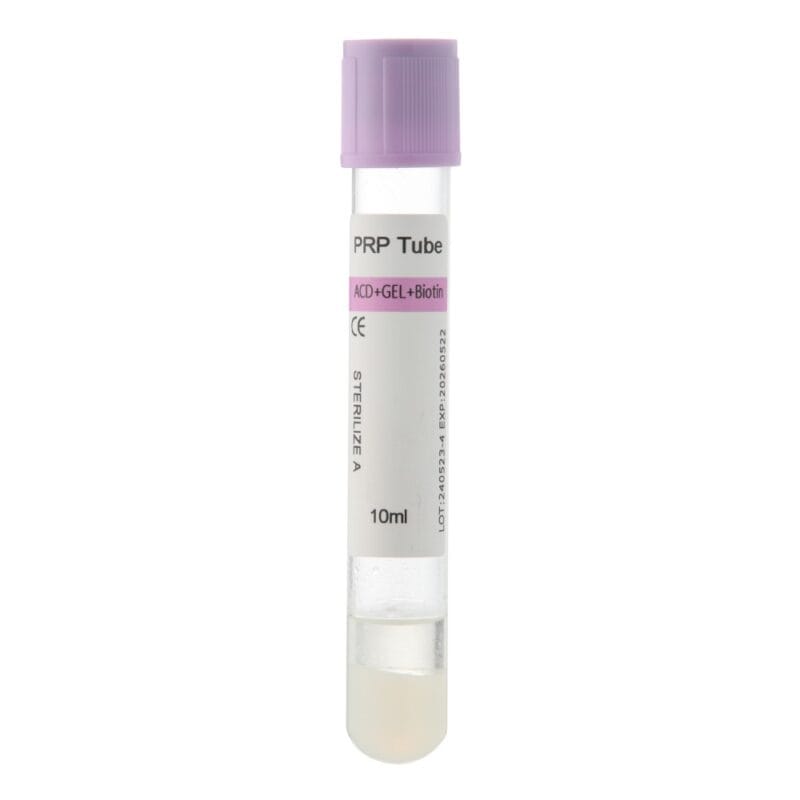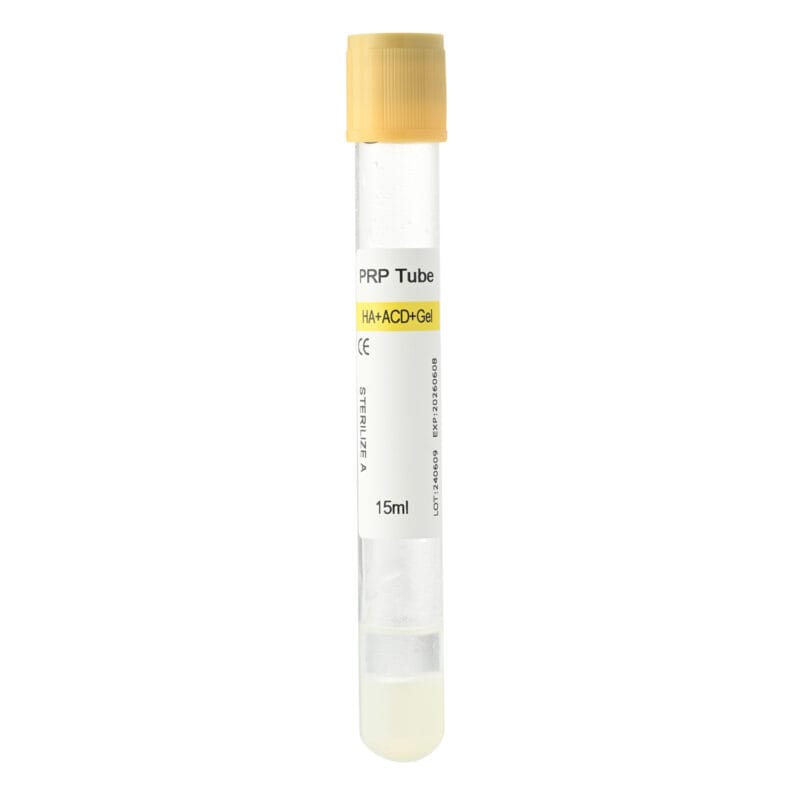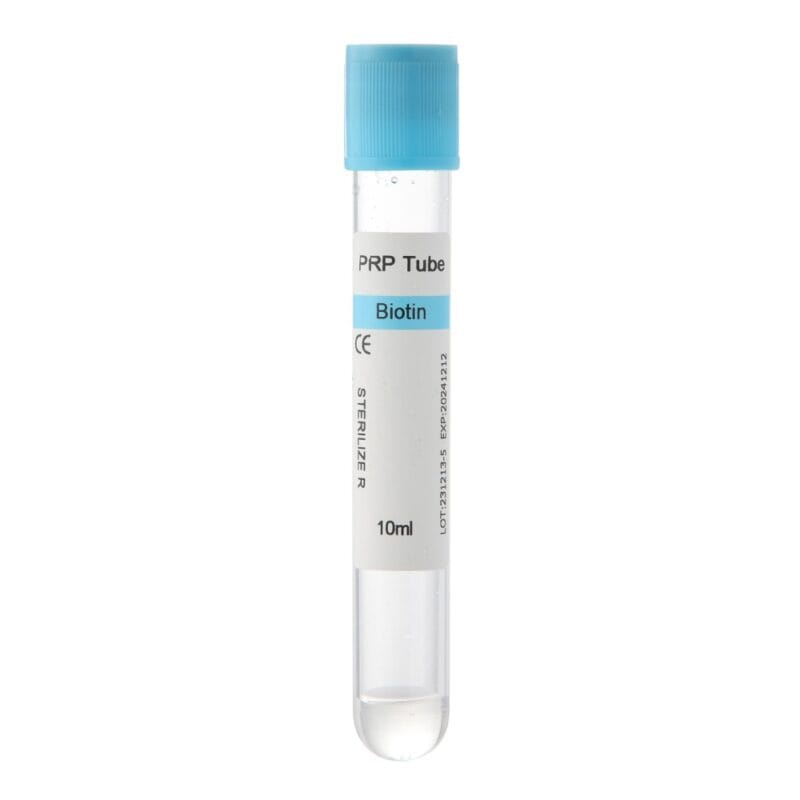
Choosing the right PRP collection tube is an important step in preparing platelet-rich plasma. For clinics and medical distributors, the comparison of Gel vs. No Gel PRP Tubes often comes down to separation efficiency, platelet recovery, ease of handling, and compatibility with existing equipment.
Both tube types support the preparation of platelet-rich plasma through centrifugation. However, they use different approaches to separating blood components. Gel tubes contain a separator that forms a physical barrier during processing, while gel-free tubes allow operators to access the separated blood layers directly.
These differences can influence the preparation workflow and the composition of the collected plasma. Yet neither design automatically guarantees higher platelet concentration or better clinical results.
This guide explains how both systems work, their main advantages and limitations, and what clinics and distributors should consider before purchasing.
What Are Gel and No Gel PRP Tubes?
PRP tubes are specialized blood collection containers used to prepare platelet-rich plasma. After blood collection, a centrifuge separates the sample into fractions based on their physical properties.
The resulting plasma can contain concentrated platelets, which release growth factors and other signaling molecules involved in tissue repair.
The tube design influences how these fractions are separated and collected.
How Gel PRP Tubes Work
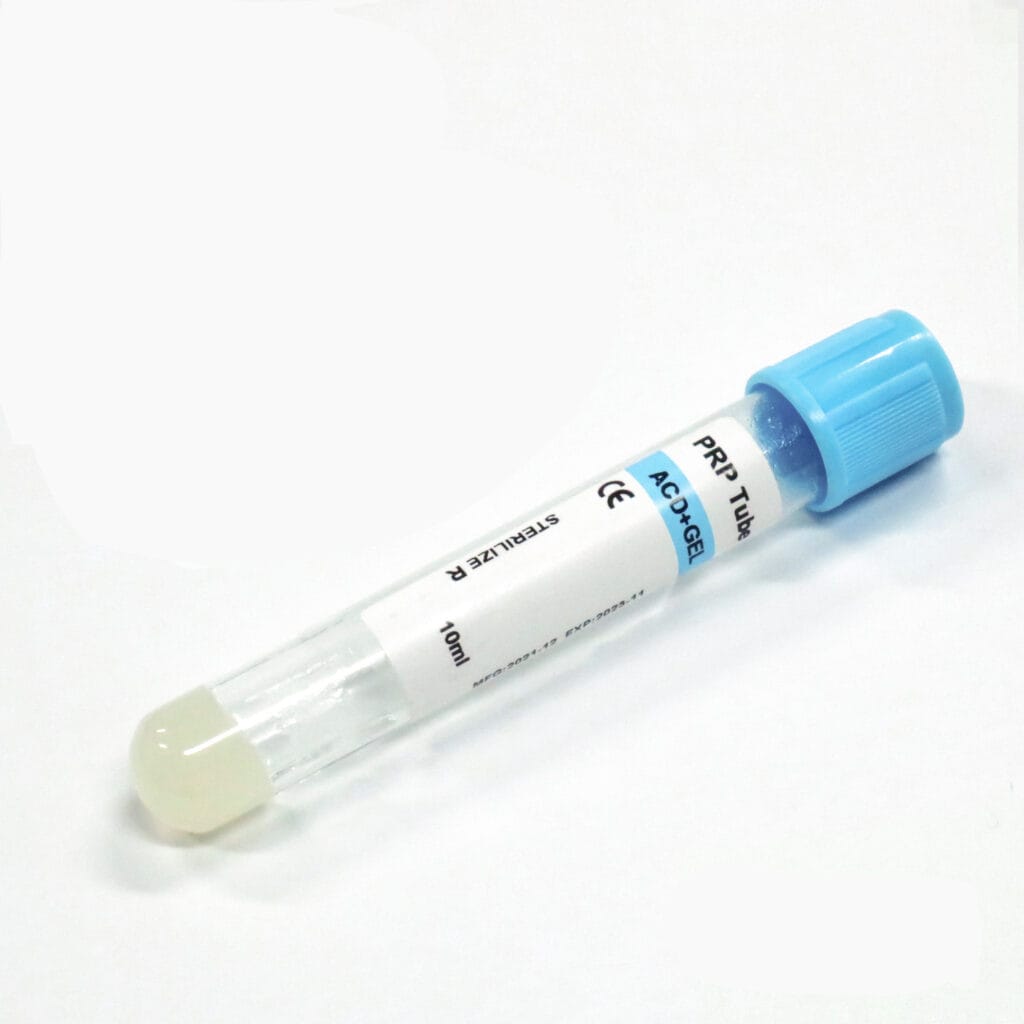
Gel PRP tubes contain a specially formulated separation gel. During centrifugation, the gel moves according to its density and forms a barrier between blood fractions.
In many gel-based systems, this barrier separates the upper plasma fraction from the denser cellular components below.
This design can make plasma collection more convenient. The operator can aspirate plasma above the barrier with less risk of disturbing the lower red blood cell fraction.
Common advantages include:
- A physical barrier between separated blood fractions.
- Easier access to plasma above the separator.
- Less manual handling near the red blood cell layer.
- A straightforward workflow when used with a validated protocol.
However, separator gels are not identical across manufacturers. Their composition and density can influence where platelets and other blood components remain after centrifugation.
Some systems may retain platelets near the gel interface. Therefore, the presence of gel alone cannot determine the final platelet concentration or recovery rate.
How No Gel PRP Tubes Work
Gel-free PRP tubes do not contain a physical separation barrier.
Instead, centrifugation produces distinguishable blood fractions. Depending on the processing conditions, these may include plasma, a buffy coat region, and red blood cells.
The operator collects the required fraction according to the preparation protocol.
Without a gel barrier, the interface between the plasma and cellular layers remains accessible. This allows greater flexibility when a protocol requires collection near the buffy coat.
Potential advantages include:
- Direct access to separated blood layers.
- Greater flexibility during plasma extraction.
- Suitability for certain customized preparation protocols.
- More control over which fractions are collected.
This flexibility also requires careful handling. Collecting plasma too close to the red blood cell layer may introduce unwanted cells into the final preparation.
Do Gel-Free PRP Tubes Contain Anticoagulants?
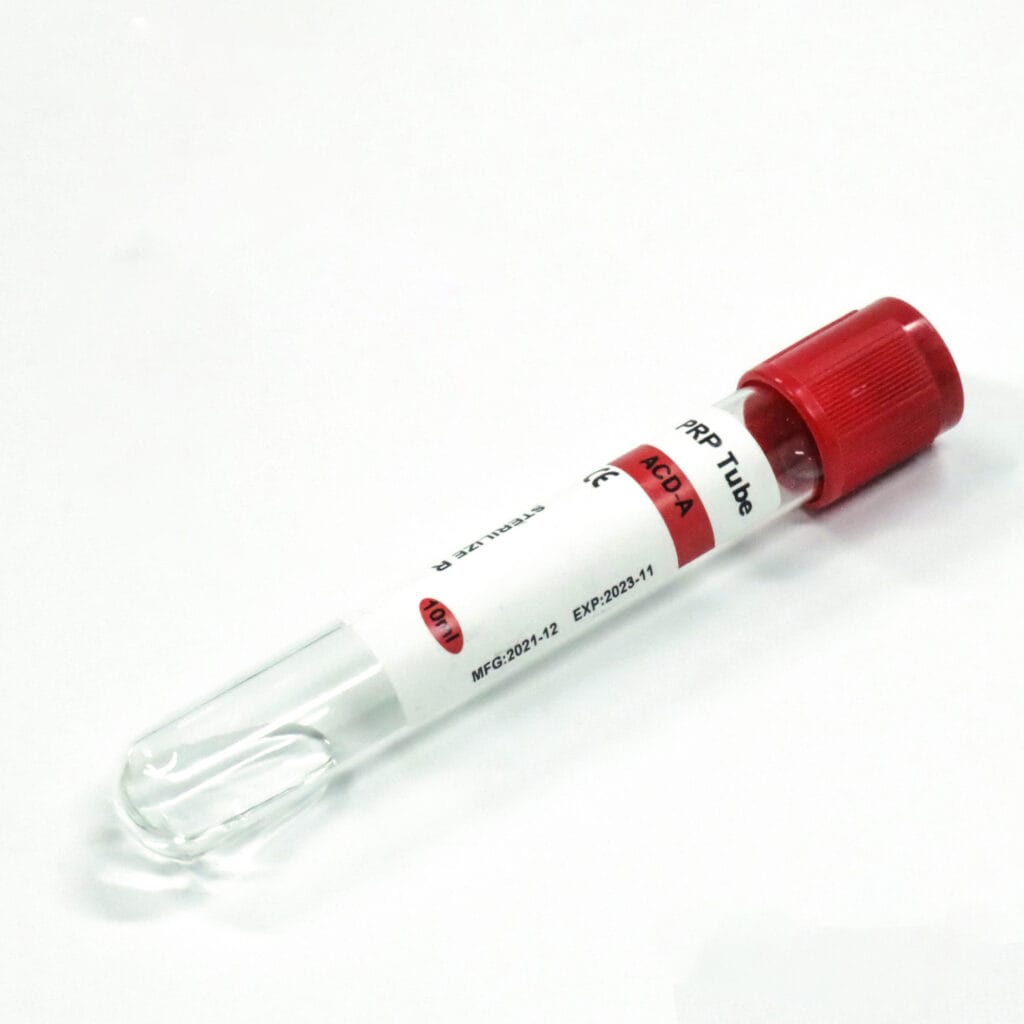
A common misunderstanding is that PRP tubes without separation gel contain no additives.
In fact, separation gel and anticoagulants serve different purposes. Gel creates a physical barrier during centrifugation, while anticoagulants help prevent blood from clotting during PRP preparation.
Common anticoagulants used in PRP collection systems include:
- ACD-A (Acid Citrate Dextrose Solution A): A citrate-based anticoagulant used in certain PRP preparation systems.
- Sodium Citrate (3.2% or 3.8%): Another citrate-based anticoagulant used in some blood collection and PRP preparation systems.
Both gel and non-gel PRP tubes may contain anticoagulants, depending on their design and intended use.
Therefore, buyers should check the actual tube contents rather than assume that the absence of gel means the tube is additive-free.
Gel vs. No Gel PRP Tubes: Key Differences
The main differences between these PRP collection systems involve separation methods, plasma extraction, platelet recovery, and workflow requirements.
| Feature | Gel PRP Tubes | No Gel PRP Tubes |
|---|---|---|
| Separation method | Centrifugation with a gel barrier | Centrifugation without a gel barrier |
| Plasma collection | Plasma is collected above the separator | Plasma is collected directly from separated layers |
| Red blood cell isolation | Barrier helps isolate the lower cellular fraction | Requires careful aspiration |
| Platelet recovery | Depends on gel design and processing conditions | Depends on centrifugation and extraction technique |
| Buffy coat access | May be restricted by the gel barrier | Generally more accessible |
| Operator handling | Can simplify plasma collection | Requires more precise layer selection |
| Workflow flexibility | Follows the requirements of the gel-based system | May allow more flexible collection methods |
| Main advantage | Convenient physical separation | Greater control over extraction |
Separation Efficiency and Plasma Collection
Gel-based tubes create a physical boundary that helps keep separated fractions apart.
This can make plasma collection easier, especially when the preparation protocol requires the plasma fraction above the gel.
Gel-free tubes leave the separated layers accessible. Operators can select the intended fraction more directly, but they must take care not to disturb adjacent layers.
The choice is therefore partly about workflow.
A clinic performing routine PRP preparation may value the convenience of a gel barrier. Another facility may need access to specific blood fractions for its established protocol.
Platelet Concentration and Recovery
Platelet concentration and platelet recovery are important indicators of PRP preparation performance.
Although closely related, they measure different characteristics.
Platelet concentration describes the number of platelets per unit volume in the collected PRP.
Platelet recovery describes the proportion of platelets retained from the original blood sample.
A preparation with a smaller final volume may have a higher platelet concentration without necessarily recovering more platelets overall.
For gel-based systems, some platelets may remain near the separator or in fractions that are not collected.
Gel-free systems may provide access to these regions. However, this does not guarantee higher recovery, since centrifugation and aspiration can also influence platelet loss.
Buyers should compare available performance data under defined processing conditions rather than rely on general claims about gel or non-gel designs.
White Blood Cell Content
PRP preparations can also differ in their white blood cell content.
Two commonly discussed categories are leukocyte-poor PRP (LP-PRP) and leukocyte-rich PRP (LR-PRP).
The desired composition depends on the preparation protocol and intended clinical application.
Some gel-based systems are designed to facilitate collection of plasma with relatively low leukocyte content. Certain gel-free systems allow greater access to the buffy coat, where white blood cells and platelets may be concentrated.
However, neither category consistently produces a particular leukocyte profile.
The final composition must be evaluated according to the specific tube design and processing method.
How Does Tube Design Affect PRP Preparation?
The collection tube is one part of a complete PRP preparation system. Centrifuge settings, rotor design, collection technique, and operator experience can all influence the final product.
Understanding these factors helps buyers avoid choosing a tube based only on its appearance or separator type.
Centrifugation Conditions and Rotor Types
During centrifugation, blood components separate under centrifugal force.
Two important parameters are relative centrifugal force (RCF) and processing time.
RCF is commonly expressed as multiples of gravity (×g). It describes the force applied to the sample and provides a more meaningful comparison between centrifuges than RPM alone.
Different rotor dimensions can produce different centrifugal forces at the same rotational speed.
The rotor type also influences how blood components form layers during centrifugation.
Swing-out rotors, also called swinging-bucket rotors, allow tubes to move toward a horizontal position while spinning. This arrangement generally produces separation interfaces that are more perpendicular to the tube’s length after centrifugation.
Fixed-angle rotors hold tubes at a constant angle during processing. The resulting separation pattern may differ, and the position of the gel barrier or cellular interface can affect how easily plasma is collected.
For some gel-based PRP systems, a swing-out rotor may make the separation interface easier to access. However, this does not mean that all gel tubes require swinging-bucket centrifuges.
The appropriate rotor depends on the tube design and the manufacturer’s validated processing conditions.
Single-Spin vs. Double-Spin PRP Preparation
PRP preparation systems may use either a single centrifugation step or a two-step process.
In a single-spin protocol, blood undergoes one centrifugation cycle before the intended plasma fraction is collected.
This approach can simplify the workflow by reducing the number of processing steps.
In a double-spin protocol, the initial centrifugation separates blood into fractions. The collected plasma fraction then undergoes another centrifugation step to further separate or concentrate platelets.
The first stage is sometimes called a soft spin, while the second is referred to as a hard spin. However, these terms describe relative processing approaches rather than universal centrifugation settings.
Some gel-based PRP systems use single-spin preparation, while certain gel-free systems use double-spin methods.
Nevertheless, gel tubes are not necessarily single-spin systems, and gel-free tubes are not necessarily double-spin systems.
The appropriate method depends on the intended PRP composition and the validated preparation protocol.
Platelet Recovery and Final PRP Volume
The amount of PRP collected does not always reflect its platelet content.
For example, collecting a larger plasma volume may increase the total volume available but reduce platelet concentration if more platelet-poor plasma is included.
Similarly, collecting a smaller fraction may produce a more concentrated preparation without maximizing total platelet recovery.
These differences matter when comparing PRP systems.
A meaningful evaluation should consider the initial blood volume, final PRP volume, platelet concentration, and recovery rate together.
Where relevant, red blood cell and leukocyte content should also be measured.
This approach provides a clearer picture of preparation performance than comparing final plasma appearance alone.
Workflow Consistency and Handling
Gel-based tubes can simplify one part of the extraction process by providing a physical barrier.
This may reduce the need for precise aspiration near the red blood cell layer.
For clinics with several trained operators, a standardized preparation process can be valuable.
Gel-free tubes may require more attention during plasma collection. Operators need to identify the correct layer and control the extraction technique.
Nevertheless, both systems require appropriate training.
Even a well-defined gel barrier cannot compensate for incorrect centrifugation or unsuitable handling.
Consistency comes from using compatible equipment, following validated instructions, and maintaining the same preparation procedure.
Which PRP Tube Should You Choose?
Choosing between gel and non-gel tubes should begin with the intended PRP preparation method.
Aesthetic clinics, hair restoration practices, orthopedic facilities, and dental clinics may use different protocols. However, the clinical field alone does not determine which separator design is appropriate.
The more useful question is what type of PRP the preparation process is intended to produce.
When Gel PRP Tubes May Be Suitable
Gel-based tubes may be worth considering when the preparation process prioritizes convenient plasma separation and a clearly defined collection area.
For example, a clinic that regularly prepares PRP using the same validated procedure may benefit from a tube that simplifies aspiration above the red blood cell fraction.
This can be useful in routine workflows where repeatability and ease of handling are important.
Gel-based systems may also be appropriate when the intended PRP fraction can be collected above the separator without needing access to the underlying cellular layers.
However, buyers should verify that the system produces the required platelet and leukocyte composition.
A visible gel barrier does not independently confirm the quality of the PRP.
When No Gel PRP Tubes May Be Suitable
Gel-free tubes may be useful when the preparation protocol requires direct access to separated blood fractions.
This can include procedures that involve controlled collection near the buffy coat or additional processing steps.
For facilities using specialized preparation methods, the absence of a physical barrier may provide greater flexibility.
However, greater access also increases the importance of operator technique.
The user must collect the intended fraction while minimizing unwanted contamination.
For this reason, gel-free systems should be evaluated as part of the complete preparation process rather than simply as an alternative to gel tubes.
Does the Clinical Application Determine the Choice?
PRP is used or investigated in several fields, including aesthetic medicine, hair restoration, orthopedics, and dentistry.
Different protocols may target different platelet concentrations and cellular compositions.
For example, one preparation method may aim to limit leukocyte content, while another may involve collecting a fraction that contains more white blood cells.
These differences should be addressed through the intended preparation protocol and supporting clinical evidence.
It would be misleading to suggest that gel tubes are always better for facial treatments or that non-gel tubes are always preferable for orthopedic applications.
The separator type alone does not establish clinical effectiveness.
It is also important to distinguish PRP from platelet-rich fibrin (PRF). PRF generally uses a different preparation approach involving coagulation, so a gel-free PRP tube should not automatically be considered interchangeable with a PRF tube.
What Should Clinics and Distributors Check Before Buying PRP Tubes?
For buyers, understanding the differences between Gel vs. No Gel PRP Tubes is only the first step.
The final purchasing decision should also consider product compatibility, preparation requirements, and supplier consistency.
Tube Capacity and Blood Collection Volume
PRP tubes are available in different sizes to accommodate different collection and processing requirements.
Buyers should distinguish between the nominal tube capacity and the intended blood collection volume.
This is particularly important when tubes contain prefilled components.
The appropriate volume depends on the preparation protocol and the amount of PRP required.
Selecting a larger tube does not automatically result in a higher platelet concentration.
Centrifuge Compatibility
Before purchasing, confirm that the tube is compatible with the intended centrifuge.
Important considerations include tube dimensions, rotor configuration, and any required adapters.
Buyers should also review the recommended centrifugal force and processing time.
A tube that fits inside a centrifuge is not necessarily suitable for every processing method.
Using the manufacturer’s validated instructions helps reduce avoidable variation during preparation.
Tube Design and Product Quality
The construction of the collection tube can affect handling and preparation consistency.
Relevant features include the tube material, closure design, separator configuration, and intended fill volume.
For gel-based tubes, buyers should confirm that the separator is designed for the intended PRP preparation system.
For gel-free tubes, the contents and recommended processing method should be clearly identified.
Packaging, sterility information, product labeling, and instructions for use also deserve attention.
These details help clinics determine whether the product matches their intended procedures.
Preparation Performance
When comparing suppliers, buyers should look beyond claims such as “high platelet concentration” or “maximum recovery.”
These statements are difficult to evaluate without supporting information.
Where available, request performance data describing:
- Initial blood collection volume.
- Final PRP volume.
- Platelet concentration and recovery.
- Red blood cell and leukocyte content.
- Centrifugation conditions used during testing.
Performance comparisons are most useful when the preparation conditions are clearly described.
If two systems use different processing methods, their reported results may not be directly comparable.
Wholesale Purchasing and Supplier Selection
Medical distributors often need products that can serve multiple clinics with different preparation requirements.
A supplier offering clear product information and consistent configurations can make purchasing decisions easier.
Before placing a bulk order, consider the available tube designs, packaging options, product specifications, and minimum order quantities.
Batch traceability and consistent product supply are also important for long-term purchasing.
Where practical, sample evaluation can help confirm compatibility with the customer’s centrifuge and preparation protocol.
Rather than selecting a tube solely by price, buyers should consider whether it supports reliable use within the intended system.
A suitable product should match the user’s preparation requirements while providing consistent quality across repeat orders.
Frequently Asked Questions About Gel and No Gel PRP Tubes
1. Are gel PRP tubes better than non-gel PRP tubes?
Not necessarily. Gel tubes can simplify plasma collection by forming a physical barrier, while non-gel tubes provide greater access to separated blood layers. The better choice depends on the preparation protocol, required PRP composition, and equipment compatibility.
2. Do gel PRP tubes produce a higher platelet concentration?
Not automatically. Platelet concentration depends on the complete preparation process, including centrifugation settings, tube design, and extraction technique. The presence of gel alone does not guarantee higher platelet recovery or concentration.
3. Can no gel PRP tubes be used to prepare leukocyte-rich PRP?
Some gel-free systems allow access to the buffy coat, which may support preparation methods involving greater leukocyte collection. However, the final composition depends on the specific tube and processing protocol.
4. Are no gel PRP tubes the same as tubes without anticoagulants?
No. A gel-free tube may still contain an anticoagulant, such as ACD-A or sodium citrate. Separation gel and anticoagulants serve different purposes, so buyers should verify the contents and intended use of each product.
5. Can gel and no gel PRP tubes use the same centrifuge settings?
Not necessarily. Different systems may require different centrifugal forces, processing times, rotor types, or centrifugation steps. Always follow the validated instructions for the selected PRP preparation system.
6. What should I consider when buying PRP tubes in bulk?
Check tube capacity, separator design, intended use, centrifuge compatibility, packaging, and product consistency. Distributors should also review available technical information, purchasing requirements, and supplier reliability before placing large orders.
Final Thoughts
The choice between Gel vs. No Gel PRP Tubes depends on how the PRP will be prepared and collected. Gel-based tubes provide a physical barrier that can simplify plasma extraction, while gel-free tubes offer greater access to separated blood fractions. Neither design guarantees superior platelet recovery or clinical outcomes in every situation.
For clinics, the priority is finding a collection tube that works with the intended preparation protocol. For distributors, product consistency, compatibility, and reliable supply are equally important. Siny PRP offers PRP collection tube options for different preparation requirements. Explore our product range or contact the Siny PRP team to discuss suitable solutions for your clinic or wholesale business.