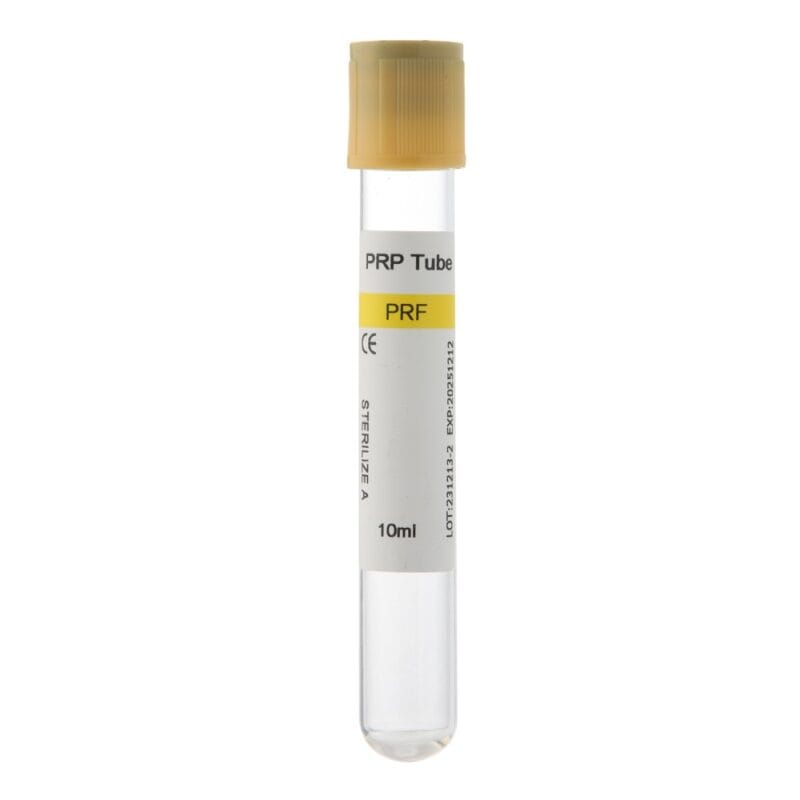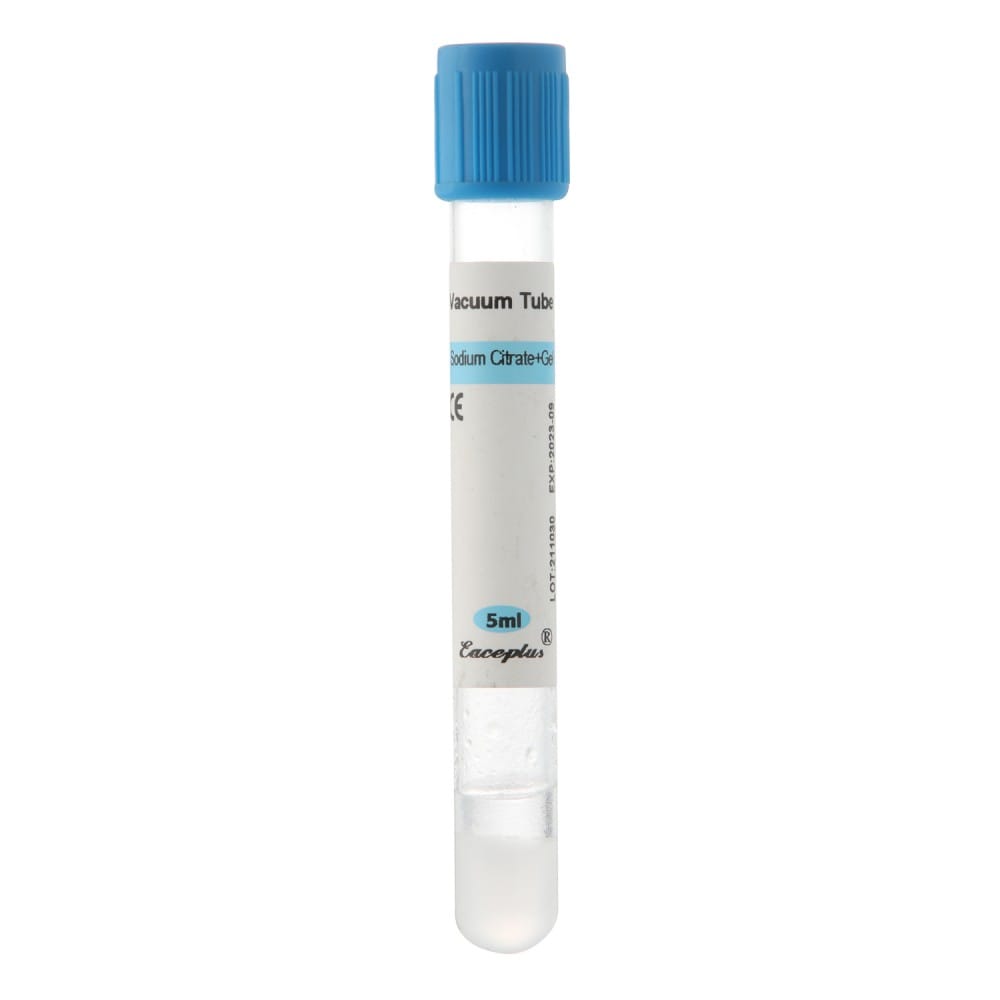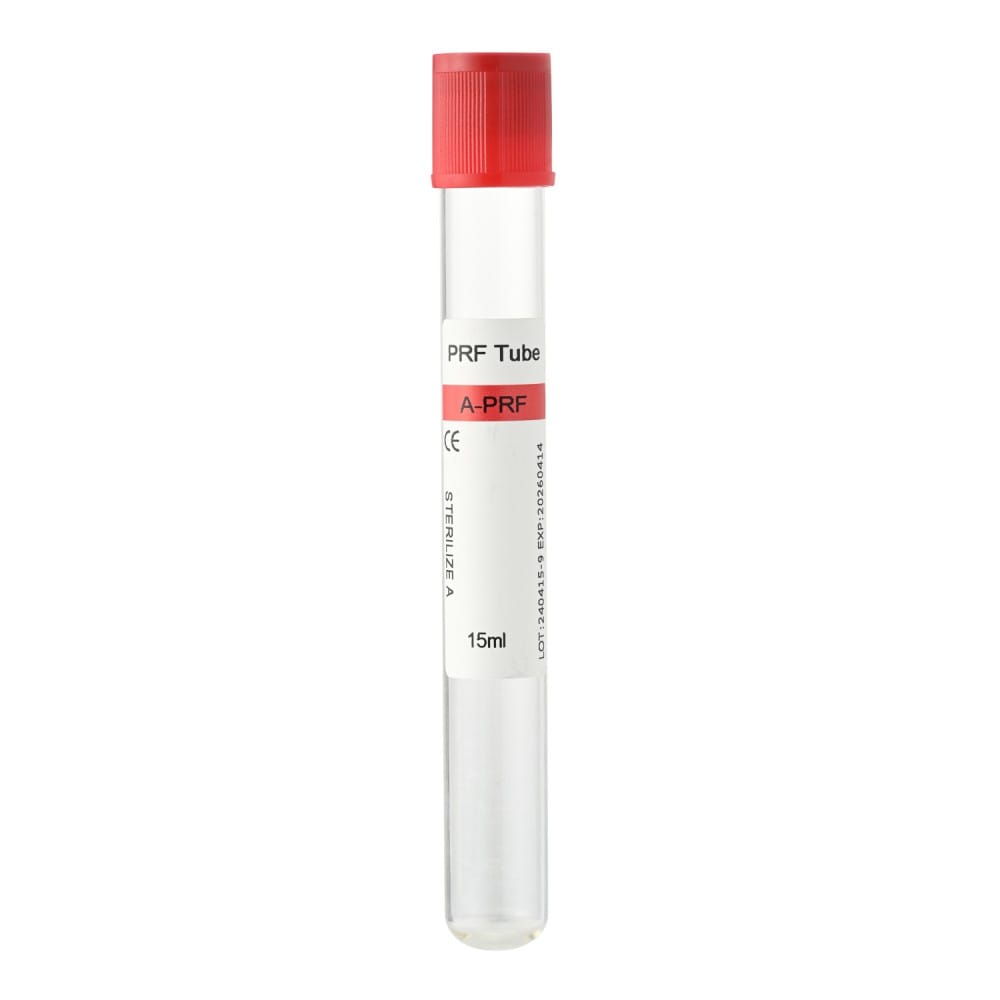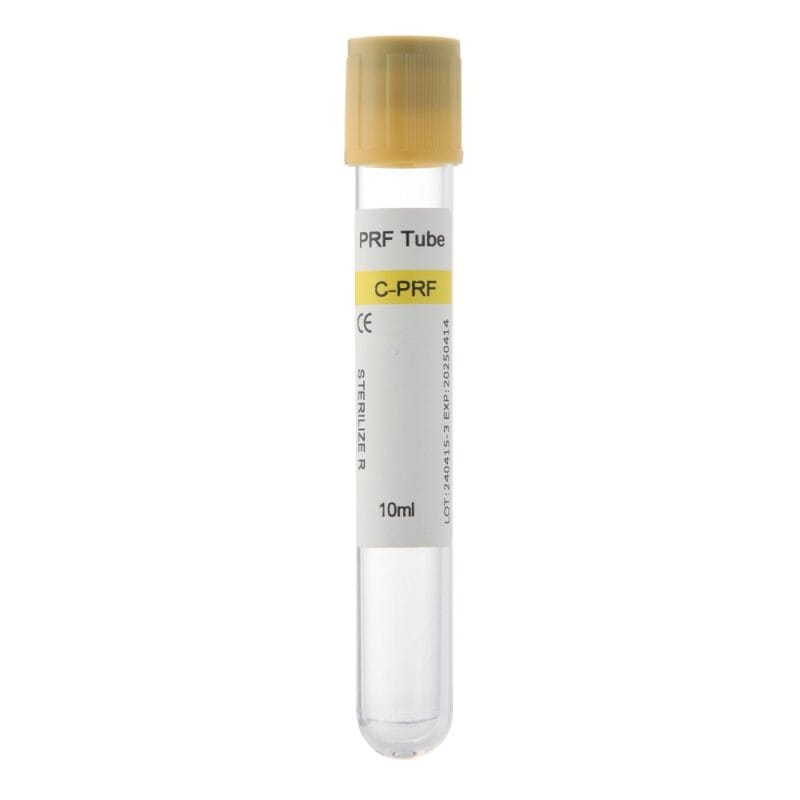
A Blunt-Tip Micro Cannula is a thin, hollow medical instrument with a rounded tip. Aesthetic professionals use it to deliver injectable materials beneath the skin during selected cosmetic procedures. Unlike a conventional sharp needle, which cuts through tissue with a beveled point, a blunt cannula usually moves along a suitable tissue plane after the practitioner creates an entry point.
These instruments commonly feature a rounded tip, a lateral opening, and a flexible stainless steel shaft. Some models also include ultra-thin-wall tubing, depth markings, and color-coded hubs. Together, these features provide a different approach to material delivery during facial filler and contouring procedures.
In certain treatments, practitioners can reach a broader area through fewer skin entry points. However, the instrument’s performance still depends on its design, the injectable material, and the clinician’s technique.
For aesthetic clinics and medical distributors, understanding these features makes it easier to evaluate cosmetic injection instruments and their intended applications.
What Is a Blunt-Tip Micro Cannula and How Does It Work?
A cosmetic microcannula is a narrow stainless steel tube that delivers compatible injectable materials into selected tissue planes. Its most recognizable feature is a rounded distal tip rather than a sharp cutting point.
The instrument usually includes a hollow shaft, a side opening near the tip, and a connector hub. Certain models also feature depth markings and thin-wall construction.
Rounded Tip Design
The rounded tip gives the cannula its distinctive shape.
Instead of cutting directly through tissue, it is designed to move forward by displacing surrounding structures along an appropriate tissue plane.
This feature can be useful when a practitioner needs to distribute material across a treatment region without creating multiple separate entry points.
The tip’s shape and surface finish also influence handling. A smooth, consistently manufactured tip helps the instrument move through tissue with more predictable resistance.
Even so, a rounded tip cannot eliminate tissue or vascular injury. Proper anatomical knowledge and controlled technique remain essential.
Lateral Opening for Material Delivery
Most cosmetic blunt cannulas deliver injectable material through a small opening near the distal end of the shaft.
This lateral opening, or side port, allows material to exit while the rounded tip remains closed.
The opening’s position, dimensions, and surface finish can affect material flow. Therefore, manufacturers must maintain consistent construction, especially for instruments intended to deliver viscous products.
A well-finished side opening should provide a clear pathway without unwanted obstructions or irregular edges.
How Is a Blunt Cannula Introduced?
Because the rounded tip cannot efficiently puncture intact skin, practitioners generally use a sharp introducer needle to create an entry point.
An introducer needle, also called a pilot needle, prepares the opening before the practitioner inserts the cannula.
Manufacturers offer introducers in different sizes to accommodate various cannula diameters. For example, a 25G cannula may require a compatible introducer with a larger opening, depending on the product configuration.
Some cosmetic cannula sets include a matching introducer needle. This makes it easier for clinical teams to prepare compatible instruments.
After creating the entry point, the practitioner advances the cannula through the intended tissue plane. Depending on the procedure, the instrument may reach several nearby locations from the same opening.
Blunt Cannula vs. Sharp Needle: What Are the Differences?
Both instruments deliver injectable materials, but their structural differences influence how practitioners use them.
A sharp needle has a beveled tip that penetrates skin and tissue directly. As a result, it often suits procedures that require targeted placement.
A blunt cannula generally requires a separate entry point. Once introduced, it can move along an appropriate tissue plane to distribute compatible materials.
Main Differences Between the Two Instruments
| Feature | Blunt Cannula | Sharp Needle |
|---|---|---|
| Tip design | Rounded, non-beveled tip | Sharp beveled point |
| Skin entry | Usually requires an introducer | Penetrates skin directly |
| Material delivery | Side opening near the tip | Opening at the needle tip |
| Shaft design | Often relatively flexible | Generally more rigid |
| Entry points | May allow fewer punctures | May require multiple punctures |
| Handling | Movement along tissue planes | Direct, localized penetration |
| Common uses | Selected filler and contouring procedures | Targeted aesthetic and medical injections |
Why Do Practitioners Use Blunt Cannulas?
One advantage is the ability to distribute material across a broader region through fewer entry points.
For example, during selected facial contouring procedures, a practitioner may use one entry site to reach several locations within the treatment area.
This approach can reduce repeated skin punctures. In addition, the rounded tip may reduce direct cutting of certain tissue structures under suitable conditions.
Some clinical studies have also reported lower vascular occlusion rates with cannulas during specific facial filler procedures. However, these findings do not apply equally to every injectable material or anatomical region.
When Is a Sharp Needle More Appropriate?
Sharp needles remain important in aesthetic medicine.
Some treatments require highly localized placement, superficial injections, or direct access to a particular tissue location. In these situations, a conventional needle may provide better handling characteristics.
Therefore, the choice depends on the treatment area, material properties, intended injection depth, and practitioner experience.
Rather than replacing sharp needles, blunt cannulas provide another option for selected aesthetic techniques.
Common Applications of Blunt Cannulas in Aesthetic Treatments
Aesthetic professionals commonly use blunt-ended microcannulas in selected cosmetic injection procedures. Their rounded tips, flexible shafts, and available lengths support different approaches to material delivery.
Dermal Filler Injections
Dermal filler treatments are among the best-known applications of cosmetic cannulas.
Depending on the treatment plan, clinicians may use them in selected facial regions, including:
- Cheeks and midface
- Nasolabial folds
- Jawline and chin
- Temples
- Selected perioral regions
During certain filler procedures, a cannula allows the practitioner to distribute material across part of the treatment area through one entry site.
This can be useful when the technique requires broader distribution rather than several isolated injection points.
However, not every filler product or anatomical region suits cannula delivery. Clinicians must consider material compatibility, anatomical structures, and the intended injection technique.
Facial Contouring and Volume Restoration
Facial contouring treatments may involve placing injectable materials along selected tissue planes to restore volume or improve facial proportions.
Blunt cannulas offer a different approach because their rounded tips and flexible shafts support movement within an appropriate plane.
Longer instruments can provide greater reach from an entry point. Meanwhile, shorter cannulas may offer more compact handling in confined regions.
The most suitable configuration depends on the anatomical target and the clinician’s technique.
The instrument itself does not determine the final aesthetic result. Material selection, placement, injection volume, and clinical judgment also play important roles.
Skin Rejuvenation Procedures
Some injectable skin rejuvenation treatments use blunt cannulas when the preparation and delivery method are compatible.
For example, a practitioner may consider cannula delivery when a procedure involves a relatively broad treatment area.
Other treatments require multiple superficial injections. In those cases, fine sharp needles may be more appropriate.
Consequently, practitioners should select the delivery instrument according to the specific treatment rather than the general goal of skin rejuvenation.
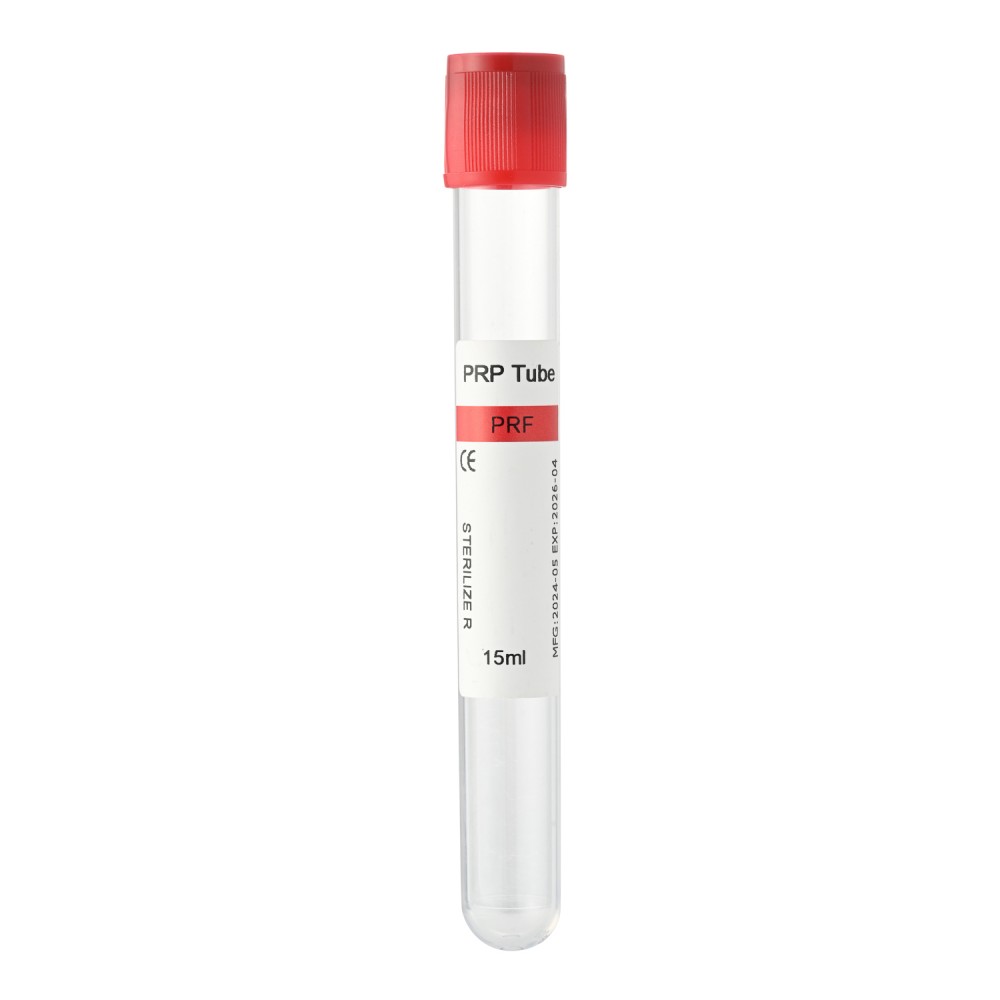
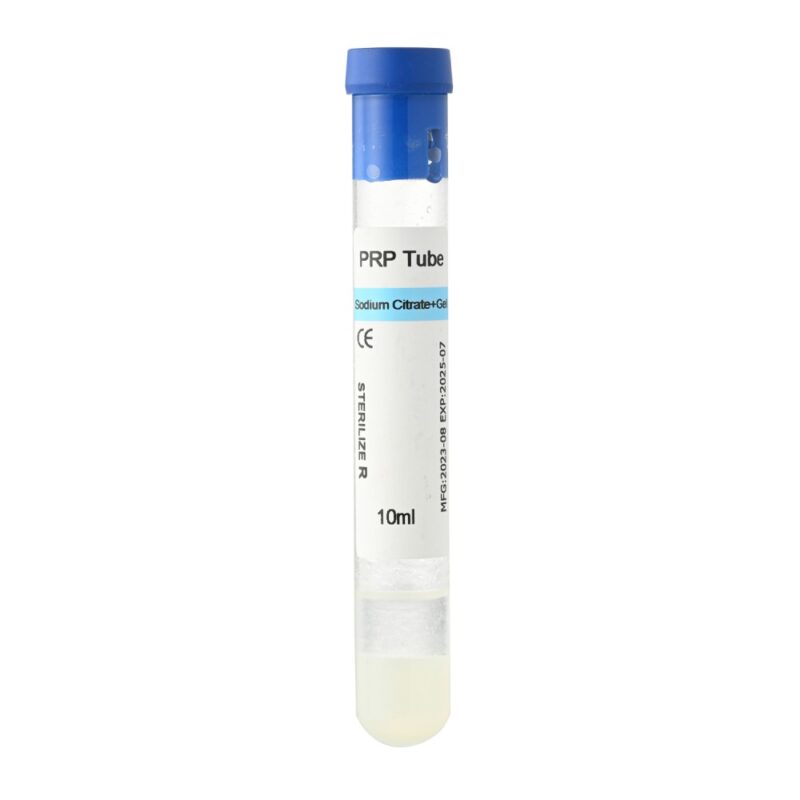
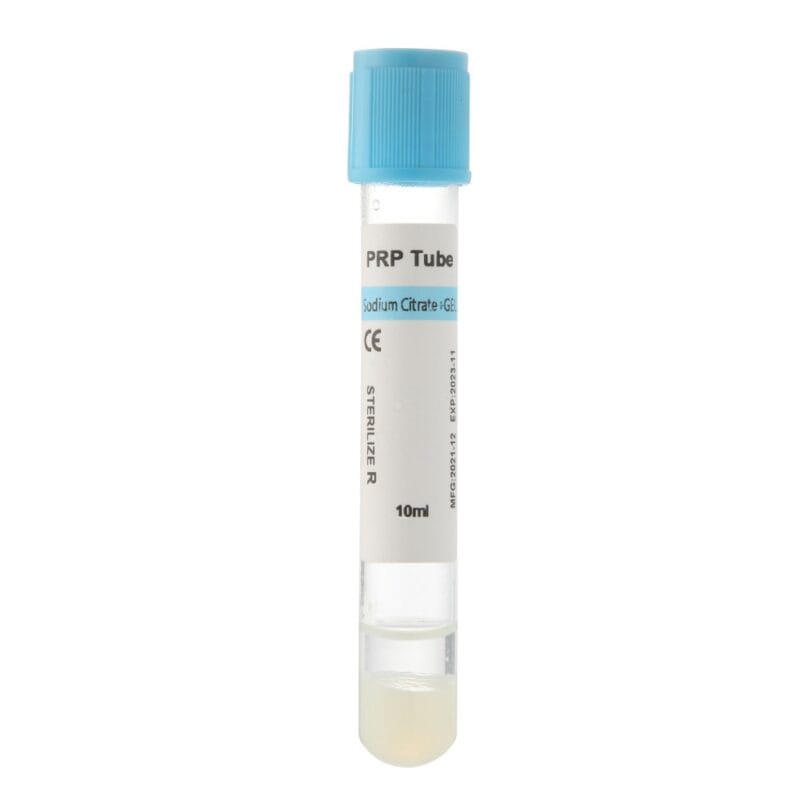
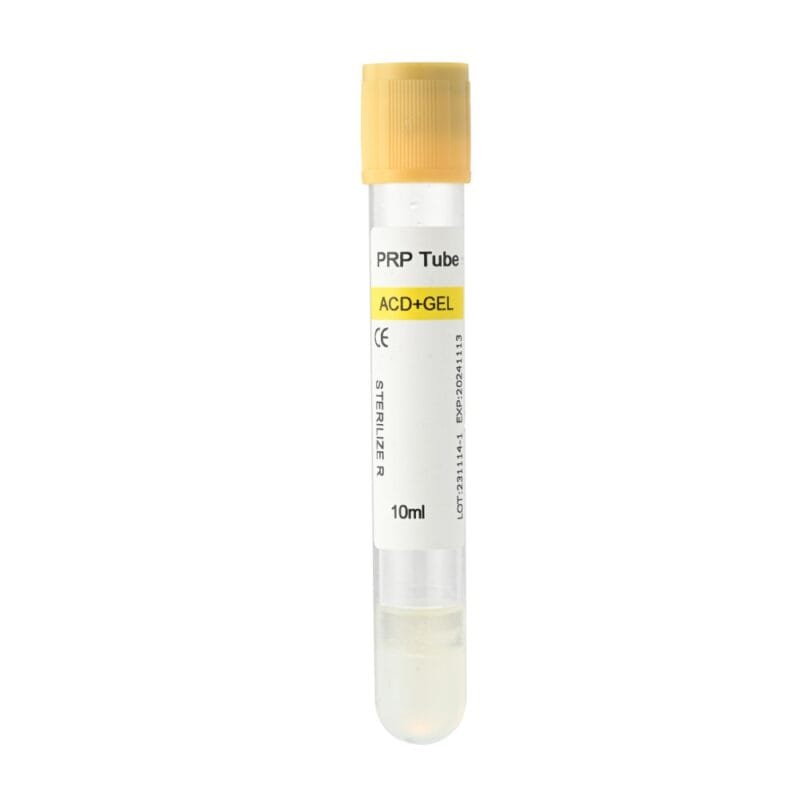
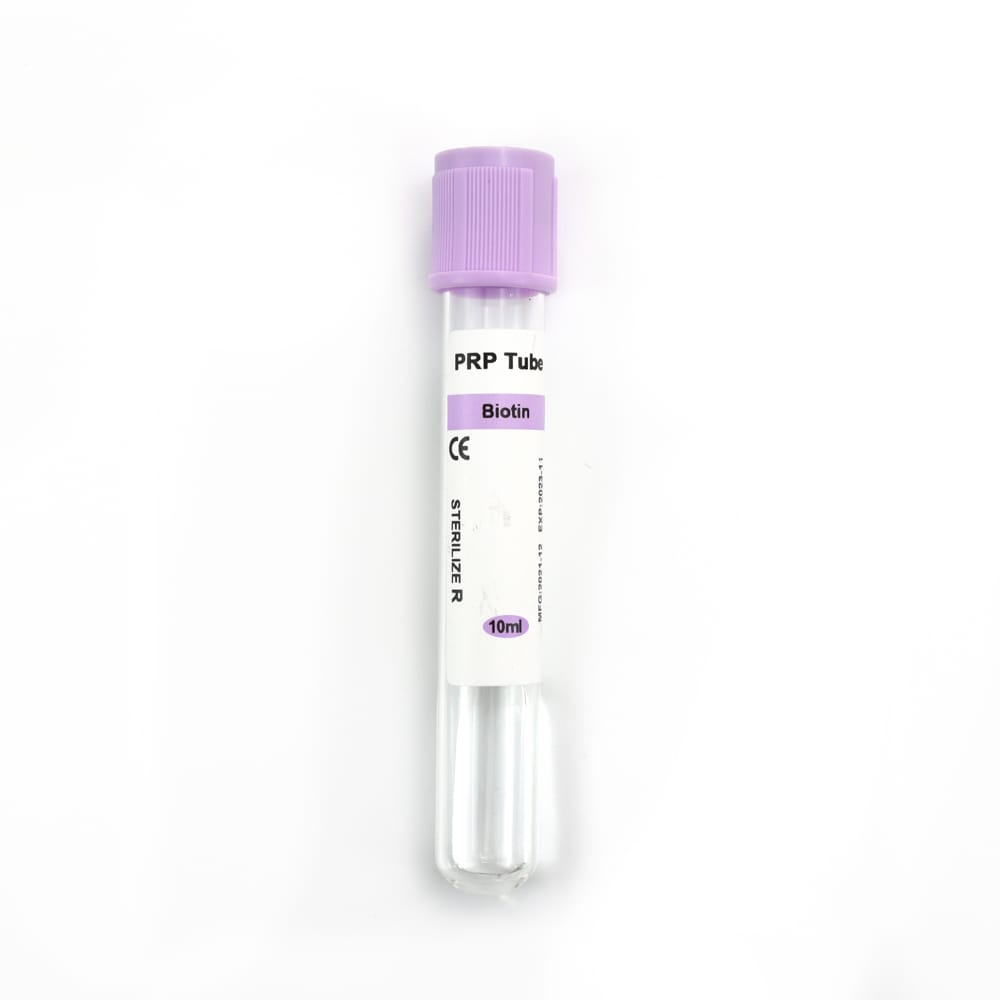
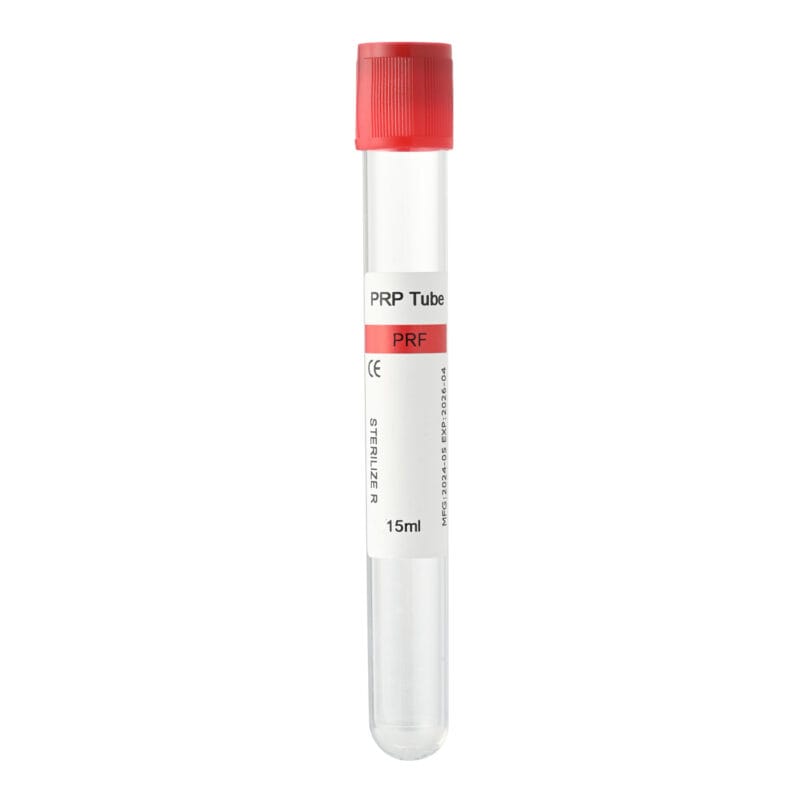
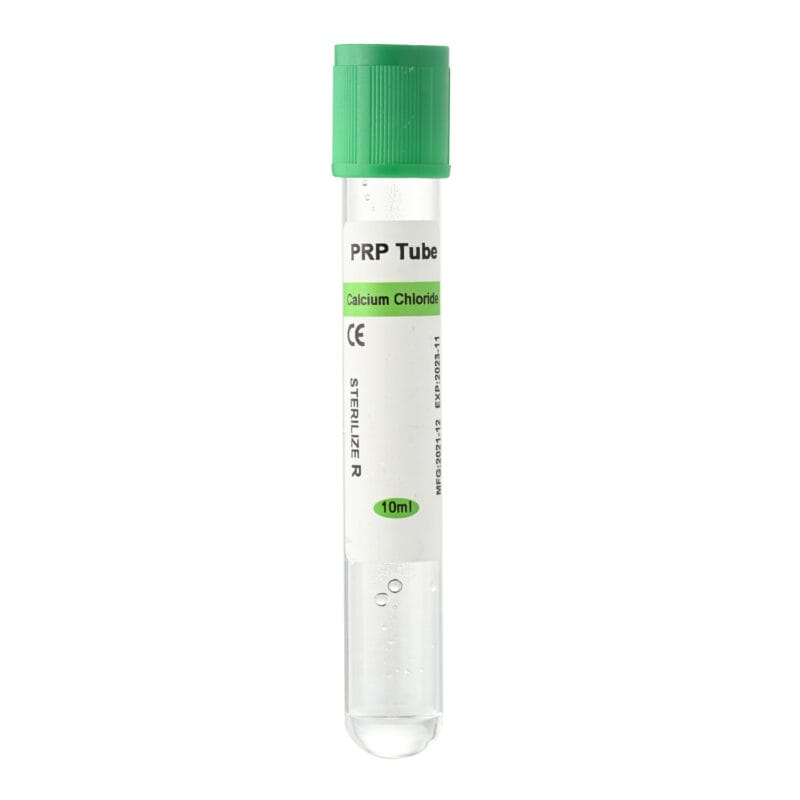
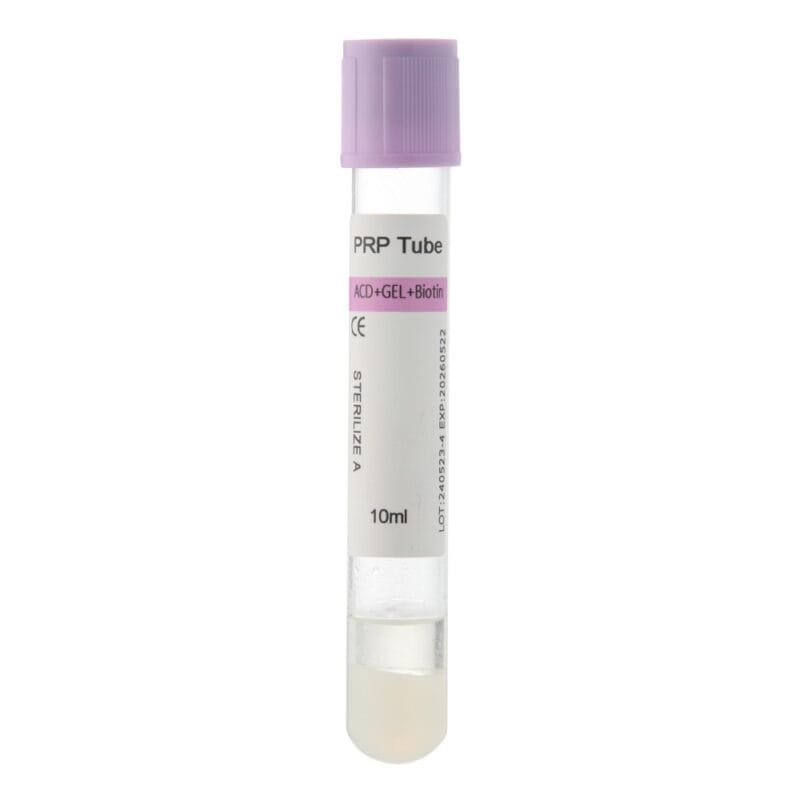
PRP Applications
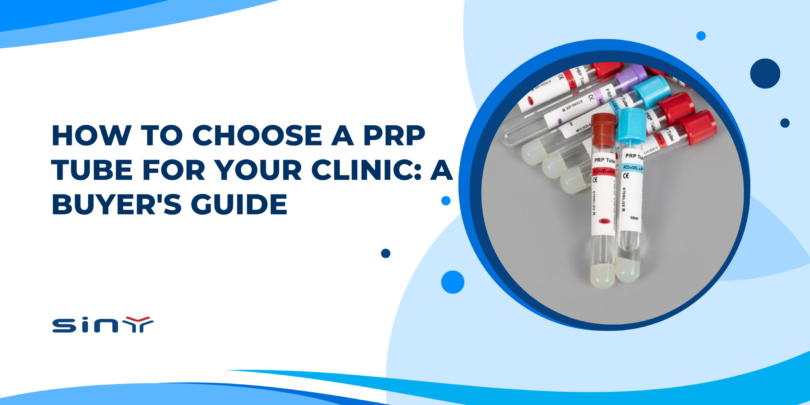
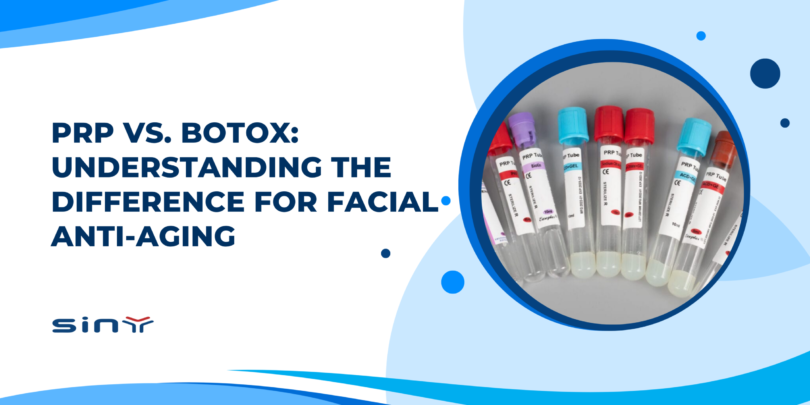
Platelet-rich plasma, or PRP, is an autologous blood-derived preparation used in selected aesthetic and regenerative procedures.
Some clinical protocols may consider cannula delivery when the PRP preparation, treatment area, and injection technique are suitable.
However, conventional needles remain common in PRP treatments. Blunt cannulas are not necessary for every application.
The delivery instrument should match the clinical protocol and the characteristics of the prepared material.
Blunt-Tip Micro Cannula Sizes and Design Features
Cosmetic microcannulas come in different gauges, lengths, and structural configurations. These differences affect flexibility, reach, and material flow.
Understanding the main specifications helps explain why manufacturers offer several designs instead of one universal instrument.
Gauge and Outer Diameter
Gauge indicates the approximate outside diameter of a cannula.
In general, a higher gauge number means a smaller outer diameter. For instance, a 27G cannula has a narrower shaft than a 22G cannula.
Commonly encountered aesthetic cannula gauges include 18G, 21G, 22G, 25G, and 27G.
| Gauge | Approximate Outer Diameter | General Characteristics |
|---|---|---|
| 18G | 1.2 mm | Relatively large-diameter shaft |
| 21G | 0.8 mm | Intermediate diameter |
| 22G | 0.7 mm | Mid-range shaft configuration |
| 25G | 0.5 mm | Narrower shaft profile |
| 27G | 0.4 mm | Fine-diameter configuration |
These dimensions are general industry references. Actual specifications and tolerances depend on the manufacturer.
However, outer diameter does not fully describe the internal lumen. Wall thickness also influences the space available for material flow.
Cannula Length Options
Length affects how far the instrument can reach from an entry point. It also influences handling during advancement.
Shorter cannulas may offer easier control in confined areas. In contrast, longer instruments can reach more distant locations within a suitable tissue plane.
Common length configurations illustrated in cosmetic cannula product ranges include:
13 mm, 25 mm, 38 mm, 50 mm, 70 mm, and 90 mm.
These dimensions represent length options within the illustrated product range. However, not every gauge is necessarily available in every length.
Clinicians should select the appropriate configuration according to the intended procedure and product specifications.
Dome-Shaped Rounded Tip
A dome-shaped distal tip creates the characteristic blunt profile.
Its smooth surface helps reduce direct cutting action as the instrument advances through tissue.
Manufacturing quality matters here. The tip should have a consistent shape without unwanted burrs, sharp edges, or surface irregularities.
Side Port and Ultra-Thin-Wall Design
The side opening allows injectable material to exit near the distal tip.
Some cosmetic cannulas also feature ultra-thin-wall construction. This design provides a larger internal lumen relative to the outer diameter.
As a result, it may improve flow characteristics for certain compatible injectable materials.
However, injection resistance also depends on cannula length, material viscosity, syringe design, and applied pressure.
Stainless Steel Shaft
Manufacturers commonly use stainless steel for cosmetic microcannula shafts because it offers structural stability and suitable flexibility.
The shaft must maintain its intended dimensions while supporting controlled handling.
Different manufacturers may use different material grades and manufacturing processes. Therefore, buyers should check the product specifications when they need exact material information.
Depth Markings and Hub Design
Some microcannulas feature markings along the shaft to provide a visual reference for insertion distance.
These markings help practitioners estimate how far the instrument has advanced from the entry point. However, they do not identify the exact anatomical plane.
The hub connects the cannula to a compatible syringe. Some models also use colors or markings to distinguish product configurations.
Luer-Lock connectors are common in medical injection systems. Their threaded design helps secure compatible components.
Nevertheless, connector types can vary. Users should confirm compatibility with the intended syringe before use.
What Makes a High-Quality Blunt-Tip Micro Cannula?
A cosmetic cannula may look simple, but several manufacturing details influence its handling and performance.
The quality of the tip, side opening, shaft, and connector all contribute to the instrument’s overall consistency.
Smooth Tip Finishing
The distal tip should have a smooth, rounded profile.
Burrs, irregular edges, or inconsistent shaping may increase resistance as the instrument moves through tissue.
Therefore, precise tip finishing is an important feature of a well-manufactured cosmetic cannula.
Consistent Side Opening
The lateral opening should provide a clear pathway for material delivery.
Its position and dimensions should remain consistent across instruments of the same specification.
A properly finished opening also helps prevent unwanted obstructions that could affect material flow.
Balanced Shaft Flexibility
A cosmetic cannula needs suitable flexibility without losing structural stability.
Its handling characteristics depend on gauge, length, tubing construction, and material properties.
For example, a long, narrow cannula may behave differently from a shorter instrument with a larger diameter.
Greater flexibility is not always better. Instead, the shaft should provide handling characteristics appropriate for its intended use.
Clear Depth Markings
When included, depth markings should be visible and consistently positioned.
They provide a useful reference for estimating insertion distance during handling.
However, practitioners must still rely on anatomical knowledge and proper technique when determining instrument placement.
Reliable Connector and Introducer Compatibility
The hub should connect securely to the intended syringe.
A properly matched connection helps reduce leakage and accidental separation during injection.
For cannula sets supplied with introducer needles, compatibility is equally important.
The introducer should create an entry point suitable for the selected cannula diameter. Therefore, clinical users should follow the manufacturer’s recommended pairing.
Consistent Packaging and Product Identification
For disposable sterile cannulas, packaging protects the instrument before use.
Clear labeling also helps medical teams identify the correct gauge, length, and product type.
In addition, consistent dimensions and construction are important for clinics and distributors that regularly purchase the same specifications.
A high-quality cannula should offer reliable manufacturing, clear identification, and handling characteristics suited to its stated intended use.
Frequently Asked Questions
1. What is the main purpose of a blunt cannula?
Its main purpose is to deliver compatible injectable materials into selected tissue planes during aesthetic procedures. Practitioners commonly use these instruments in certain dermal filler and facial contouring treatments.
2. Is a blunt cannula safer than a sharp needle?
Some studies of facial filler injections suggest lower vascular occlusion rates with cannulas in particular settings. However, both instruments can cause complications. Safety depends on anatomy, injection technique, and the intended procedure.
3. Does a blunt cannula require an introducer needle?
Yes, in most cosmetic applications. A sharp introducer creates the initial skin entry point before the practitioner inserts the blunt cannula. Some product sets include a matching introducer.
4. What sizes are commonly used in aesthetic medicine?
Common gauges include 18G, 21G, 22G, 25G, and 27G. Different shaft lengths are also available. The appropriate size depends on the intended procedure and manufacturer specifications.
5. What is the difference between a side-port cannula and a regular needle?
A side-port cannula delivers material through an opening near its rounded tip. In contrast, a conventional sharp needle usually delivers material through an opening at its beveled tip.
6. Why are depth markings useful?
Depth markings provide a visual reference for insertion distance. They support instrument handling but cannot confirm the exact anatomical tissue plane.
7. Can blunt cannulas be used for PRP treatments?
They may be suitable for selected PRP procedures when the preparation and technique are compatible. However, many PRP treatments use conventional sharp needles.
8. Are blunt cannulas reusable?
Many cosmetic blunt cannulas are sterile, single-use devices. Products labeled for single use must not be reused or resterilized. Always follow the manufacturer’s instructions.
Final Thoughts
Blunt-ended microcannulas provide a different approach to selected aesthetic injection procedures. Their rounded tips, lateral openings, and range of available dimensions support material delivery through appropriate tissue planes.
Several design details influence their practical performance. These include tip finishing, shaft flexibility, side-opening quality, and connector compatibility. Understanding these features helps aesthetic professionals and medical distributors evaluate products more effectively.
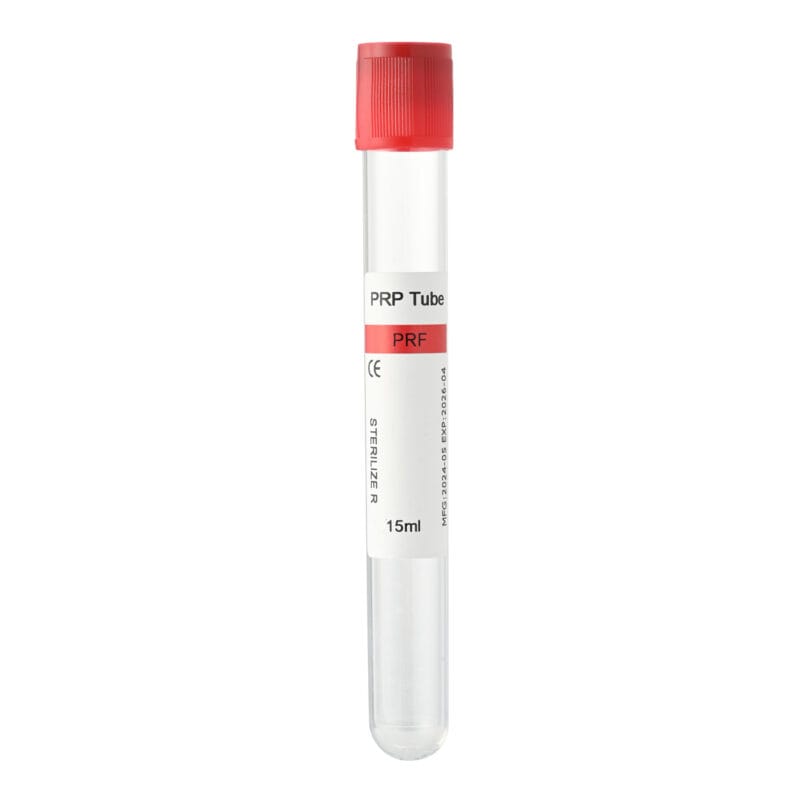
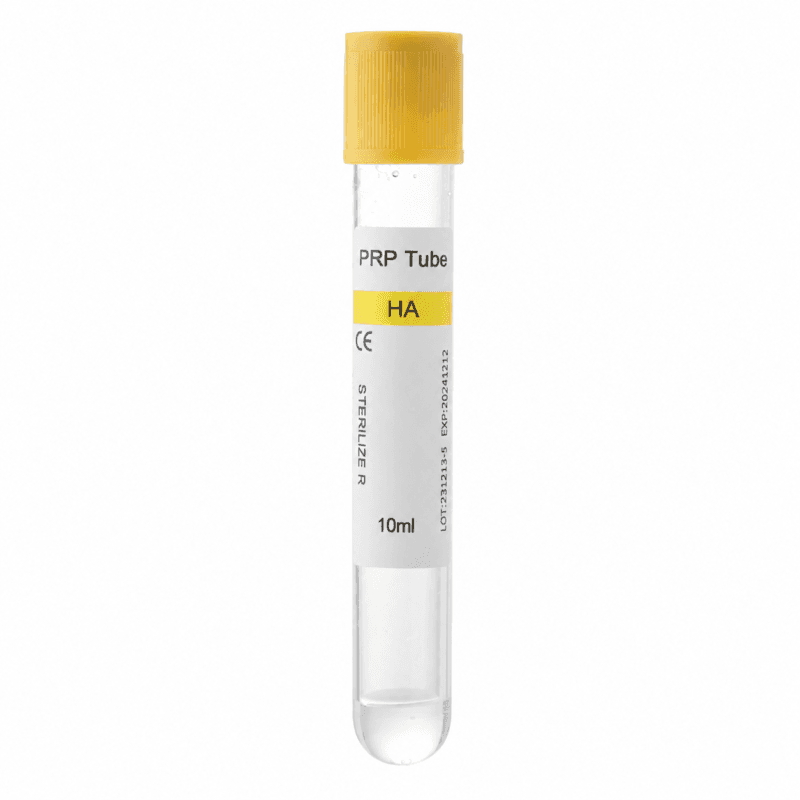
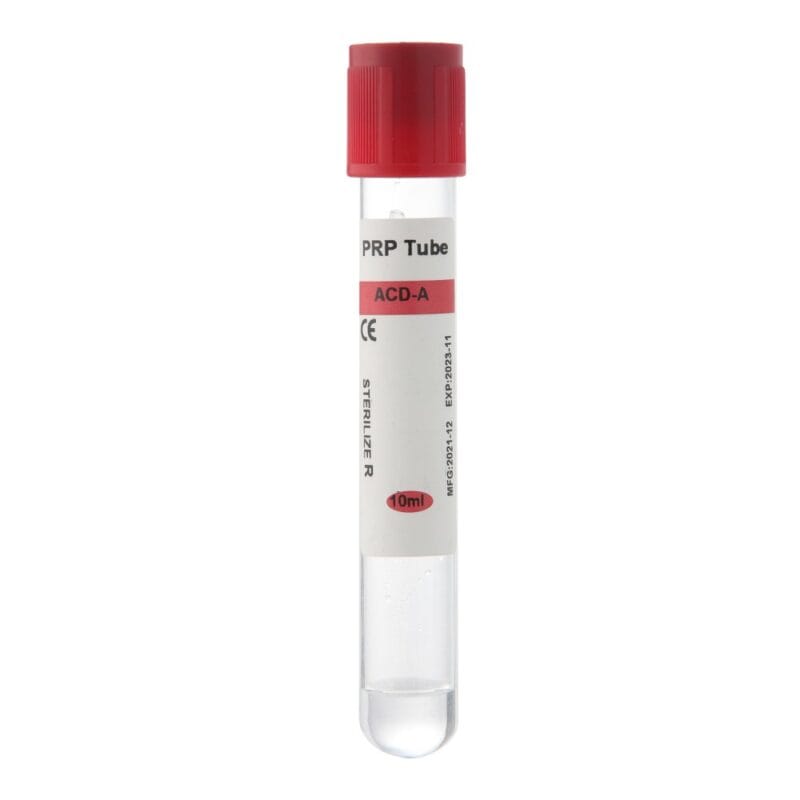
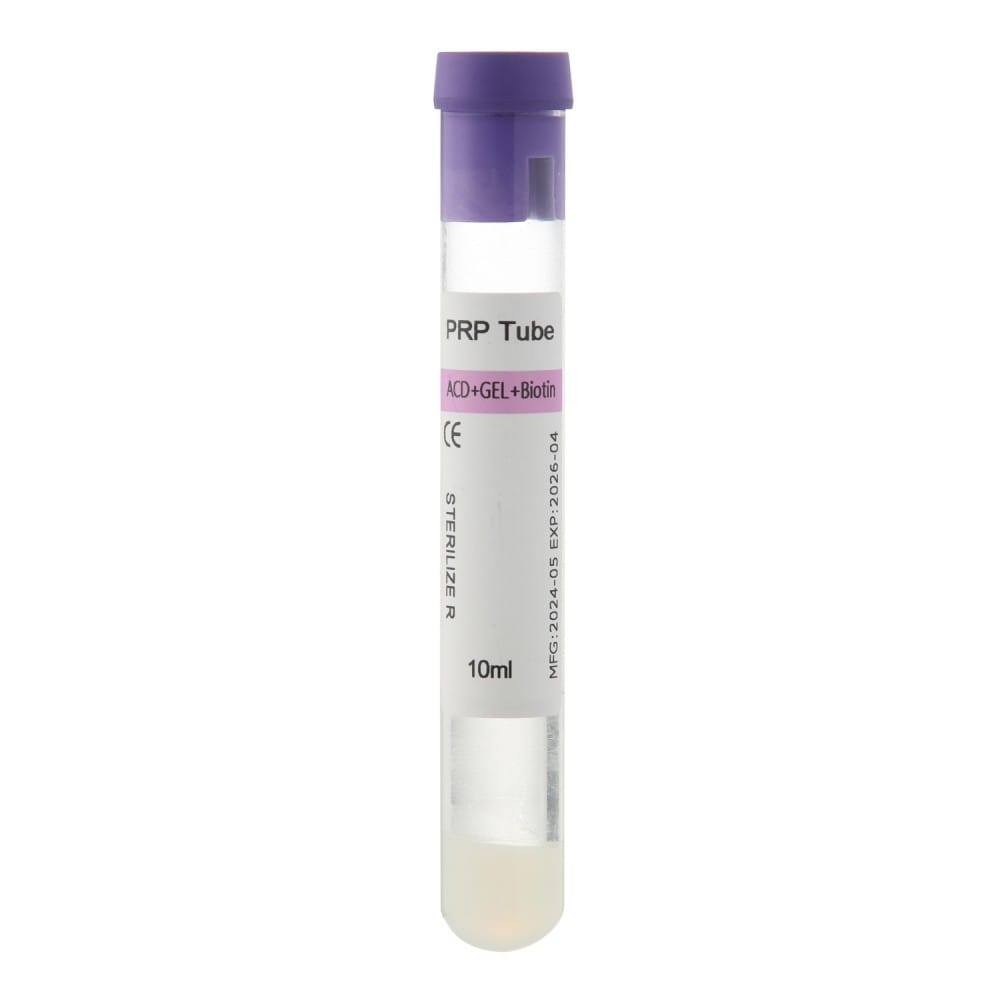
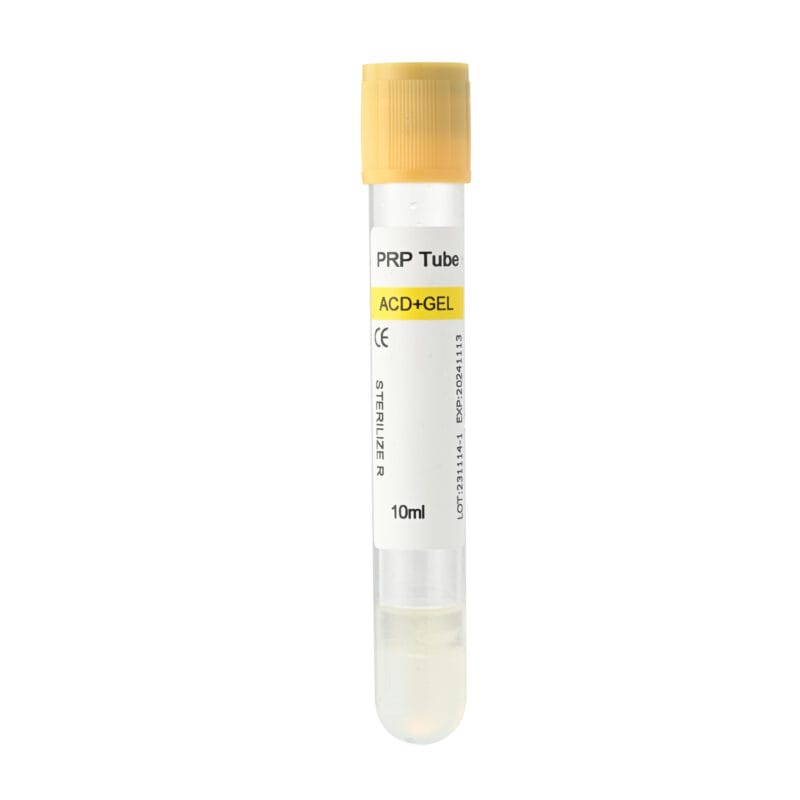
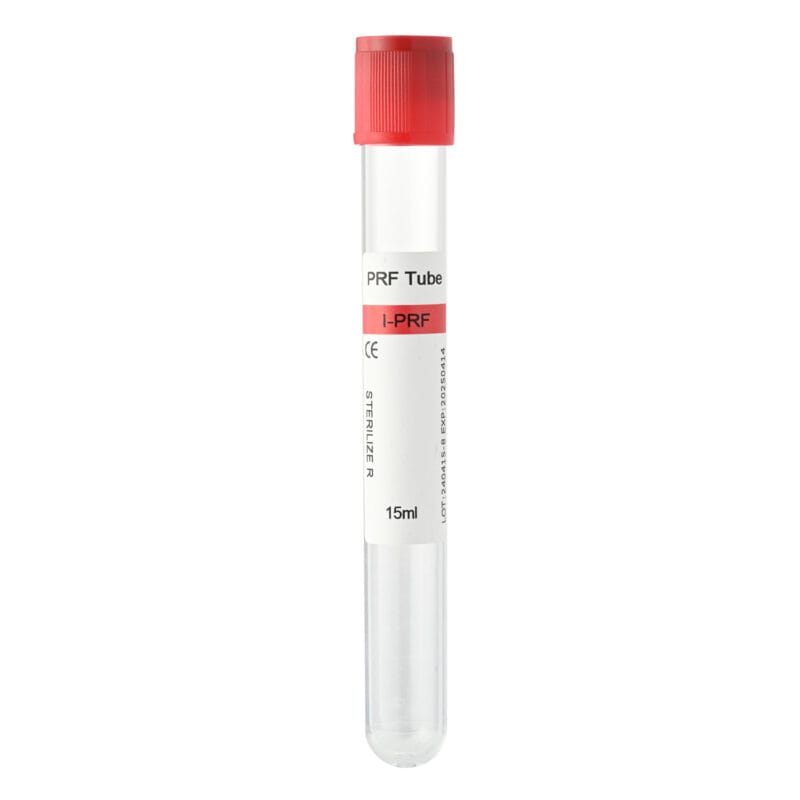
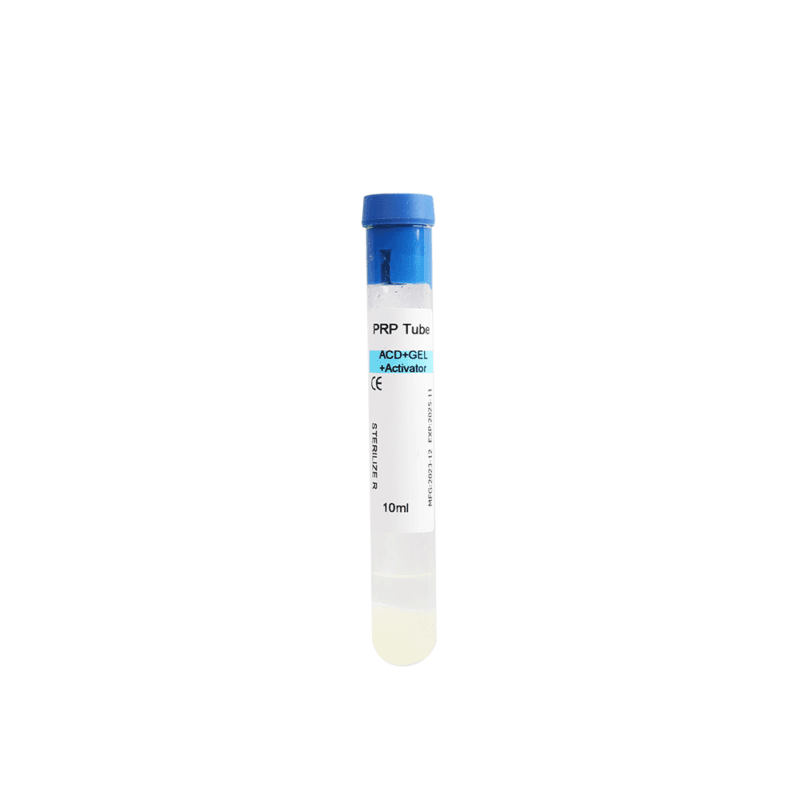
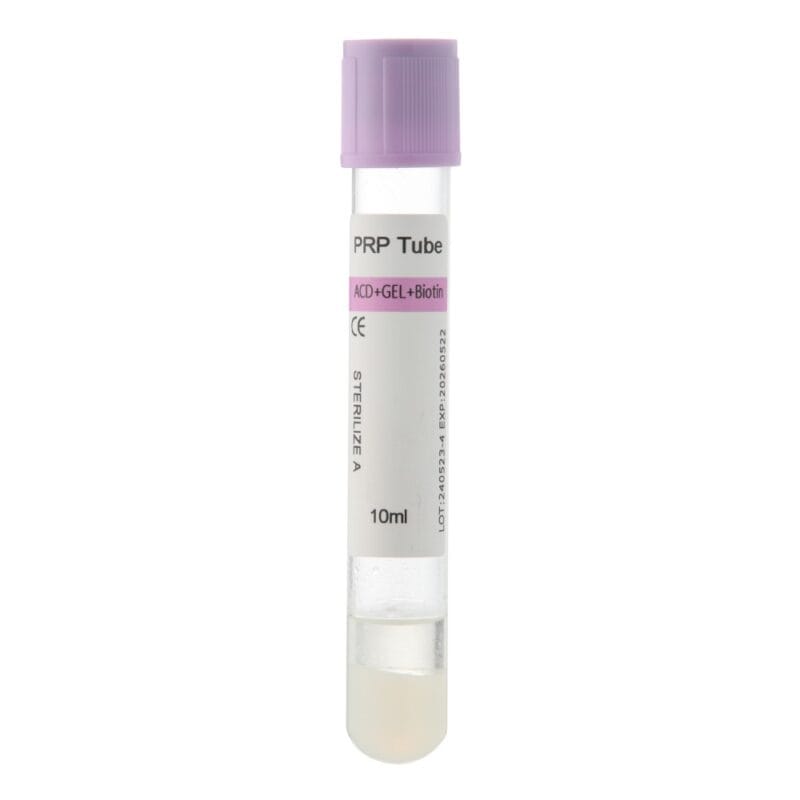
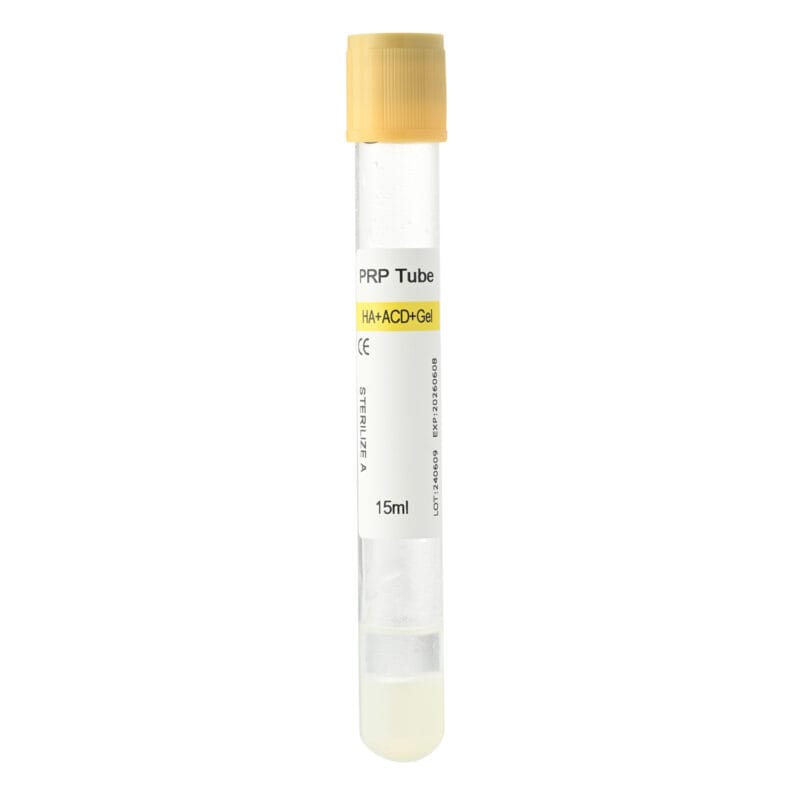
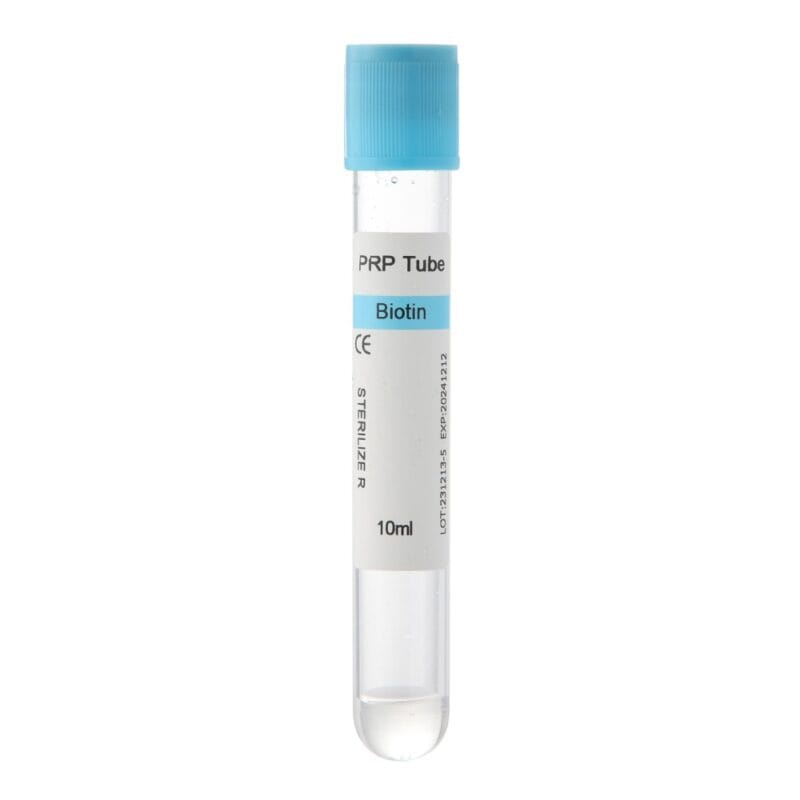
At Siny PRP, we provide aesthetic and medical consumables for clinics, distributors, and professional buyers. Whether you need cosmetic microcannulas, compatible introducer needles, or PRP tubes for aesthetic treatments, visit Siny PRP to explore our product range or contact our team to discuss available specifications, samples, and bulk purchasing requirements.