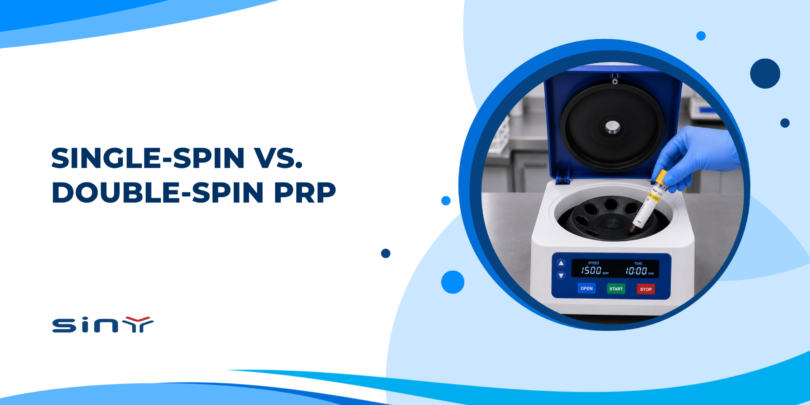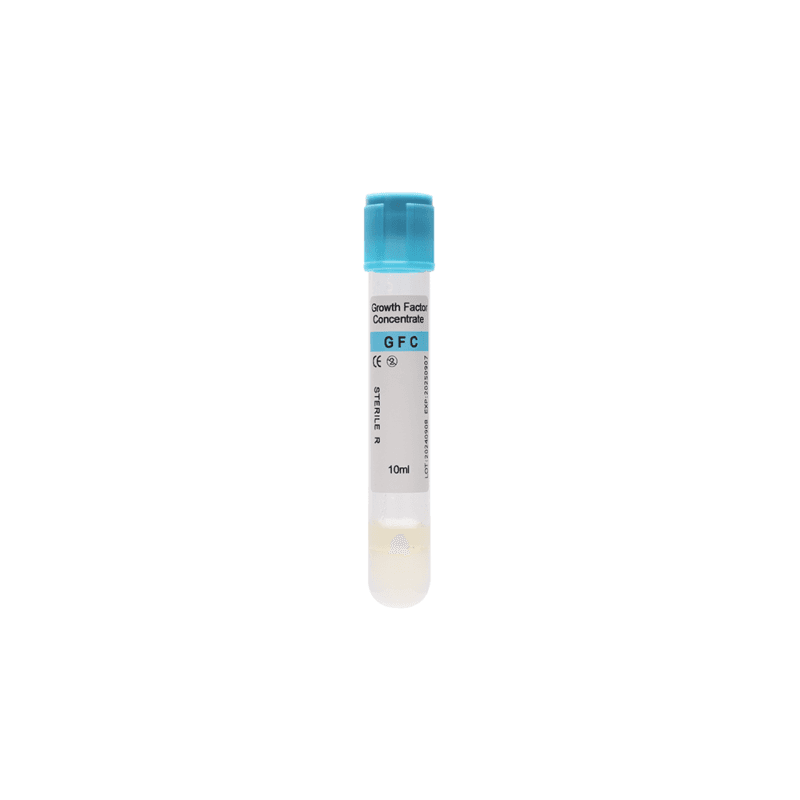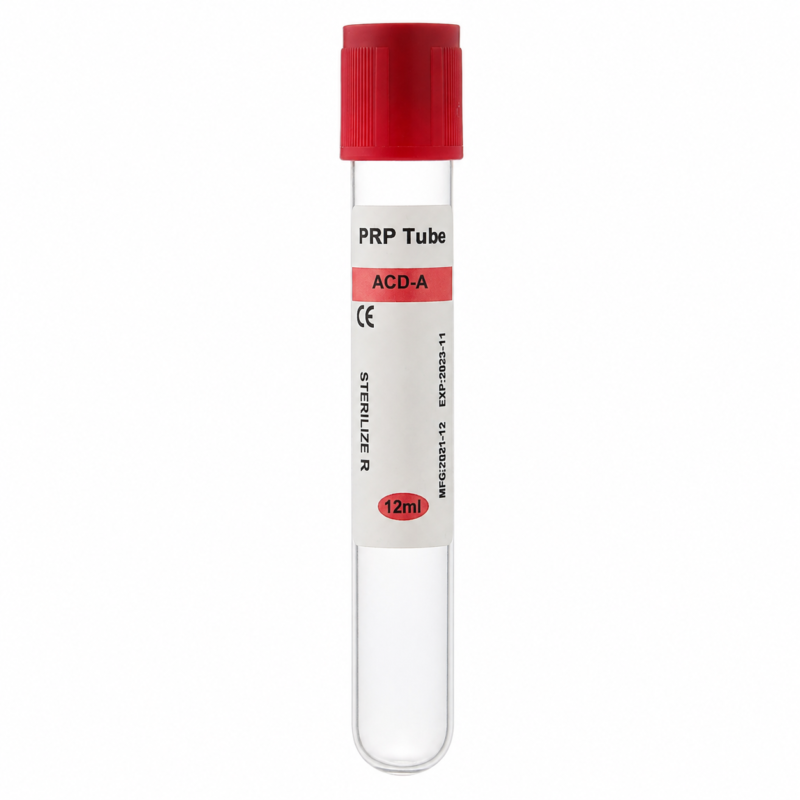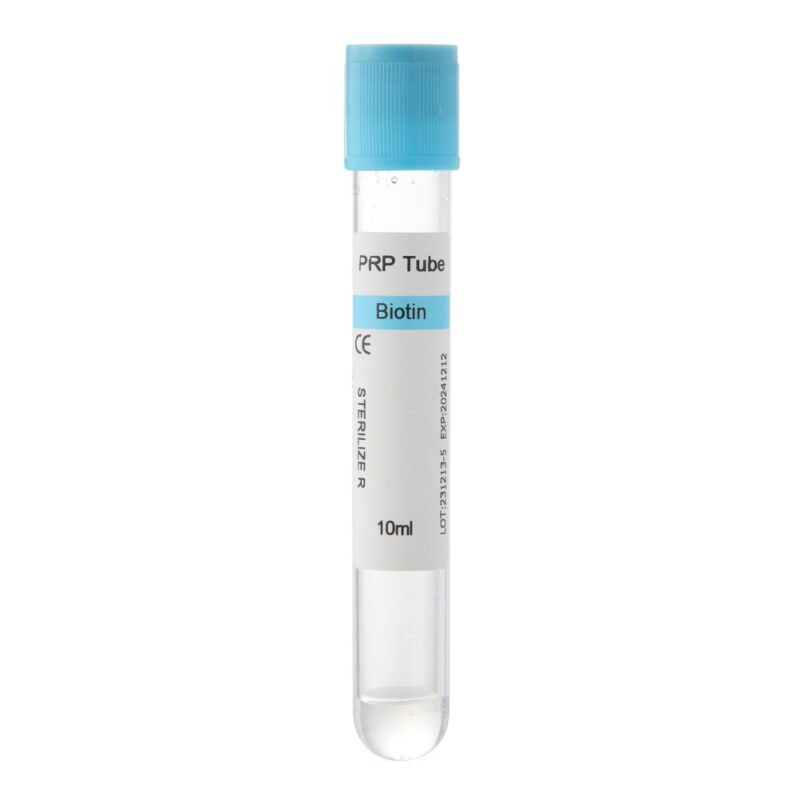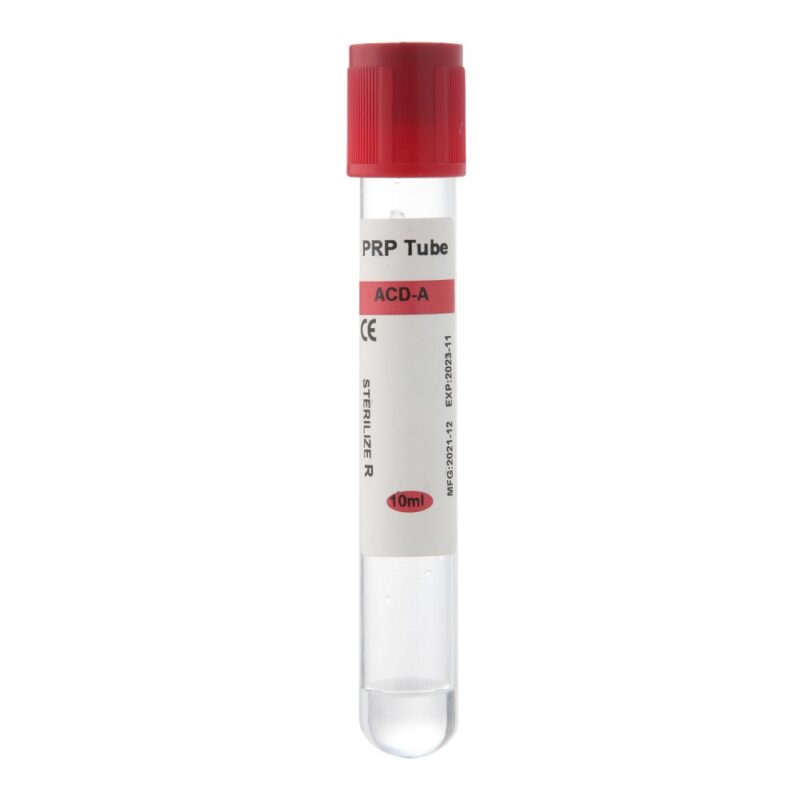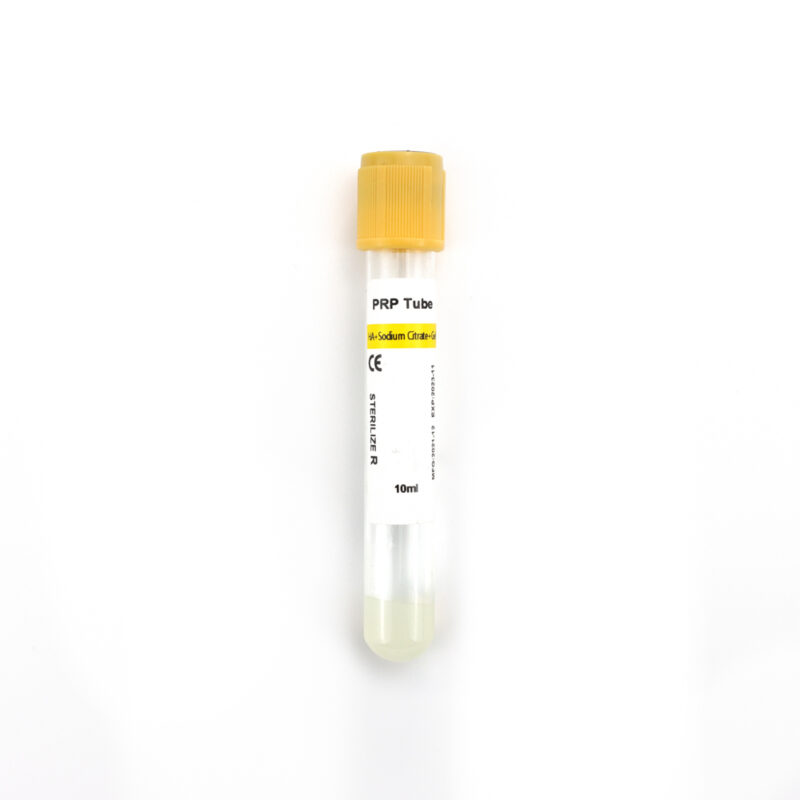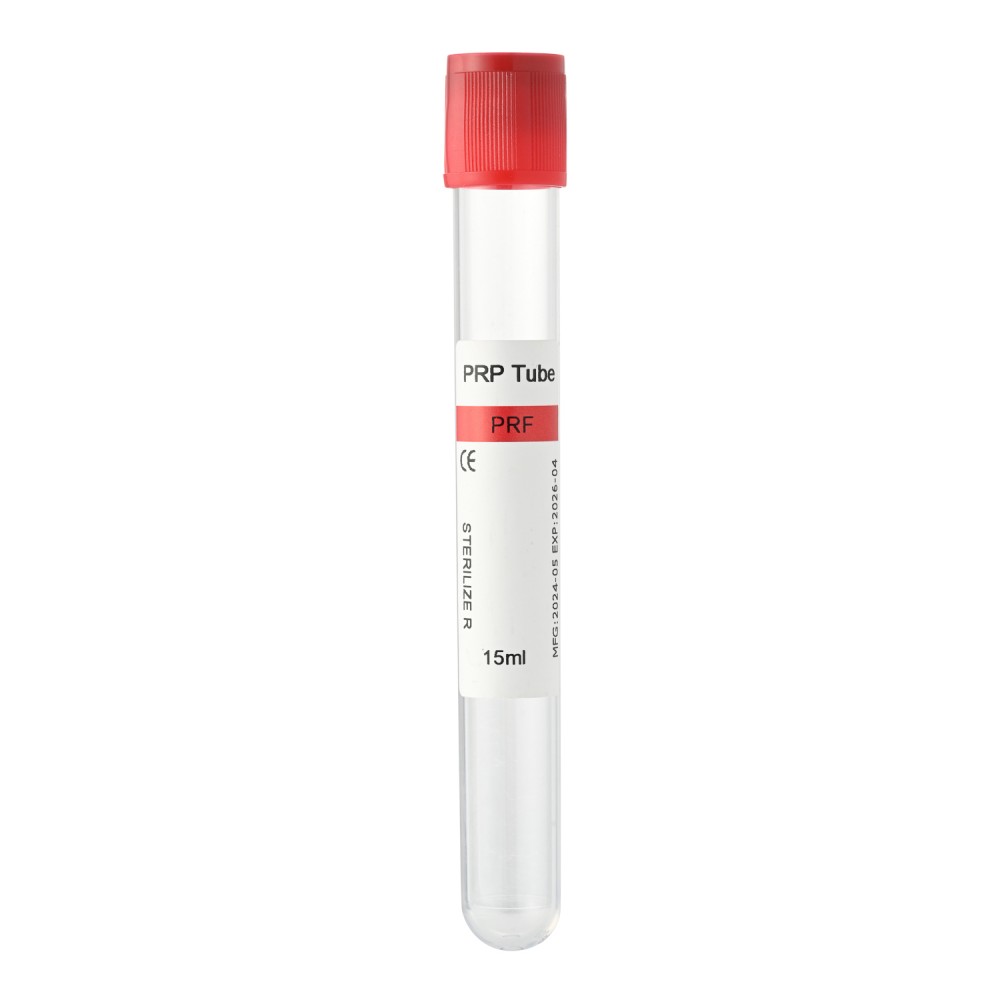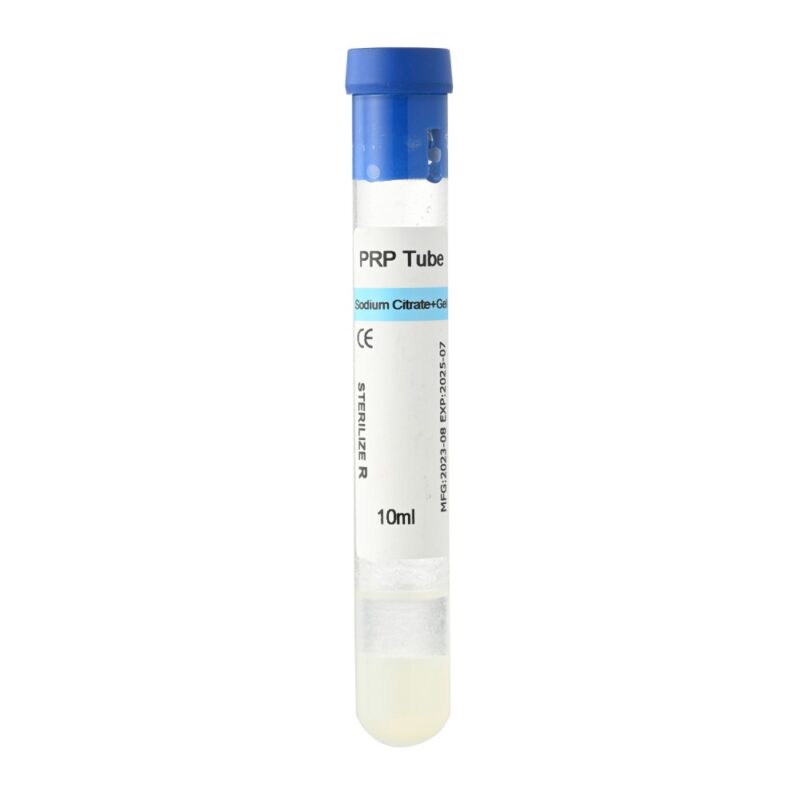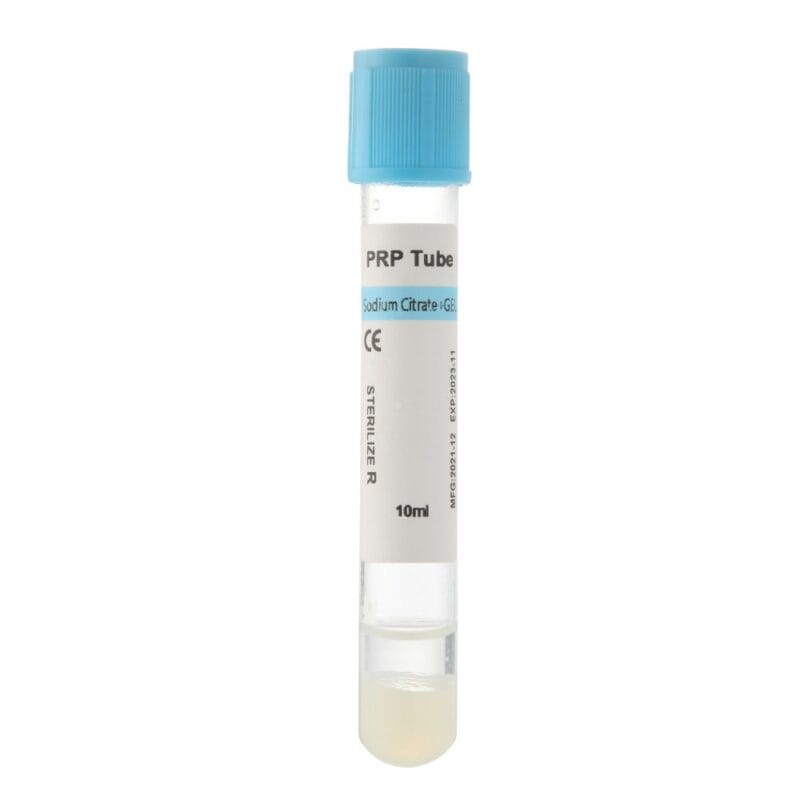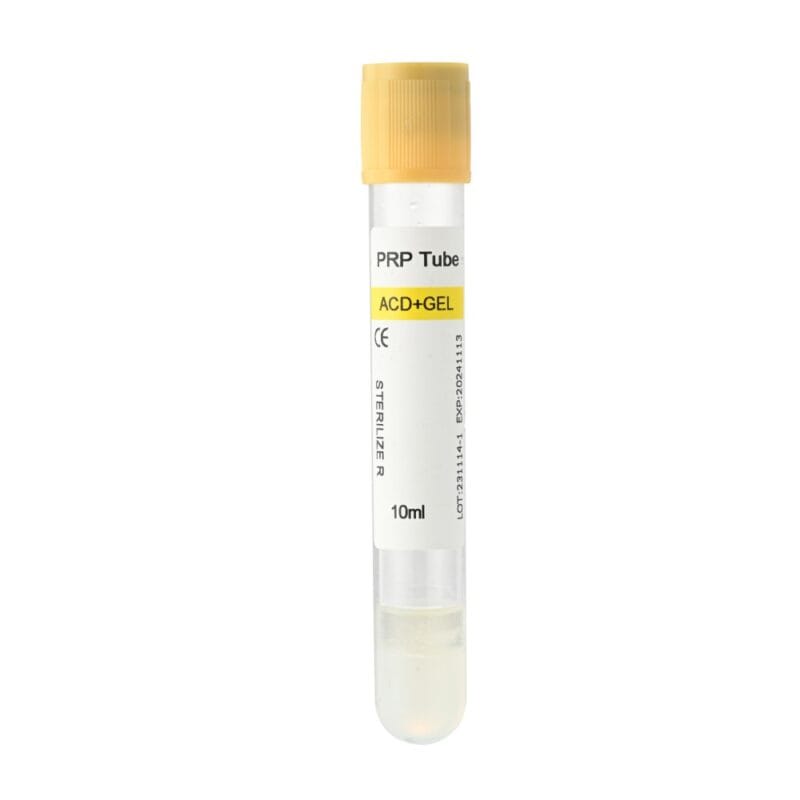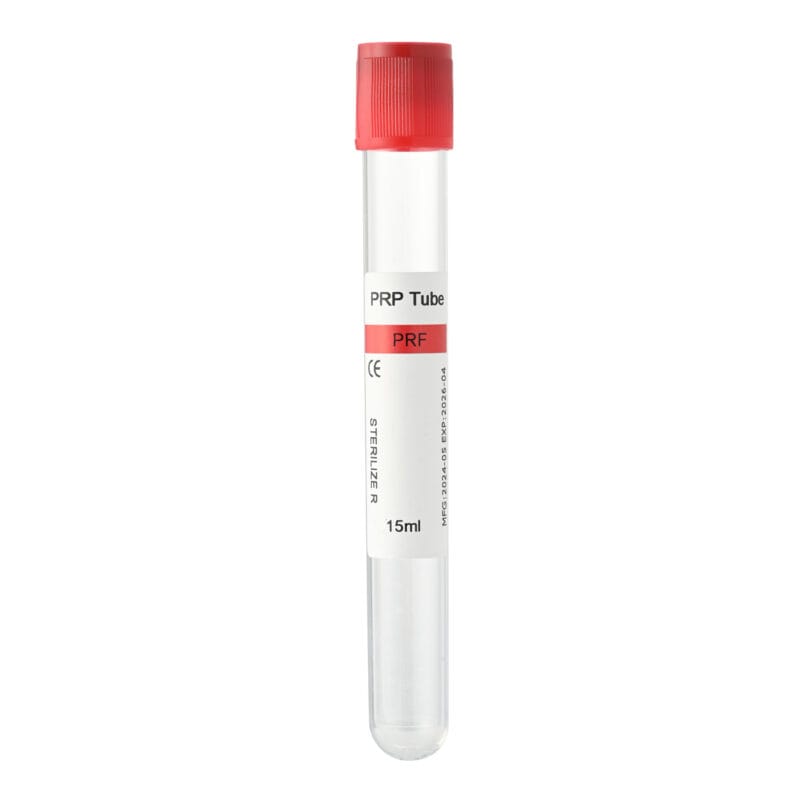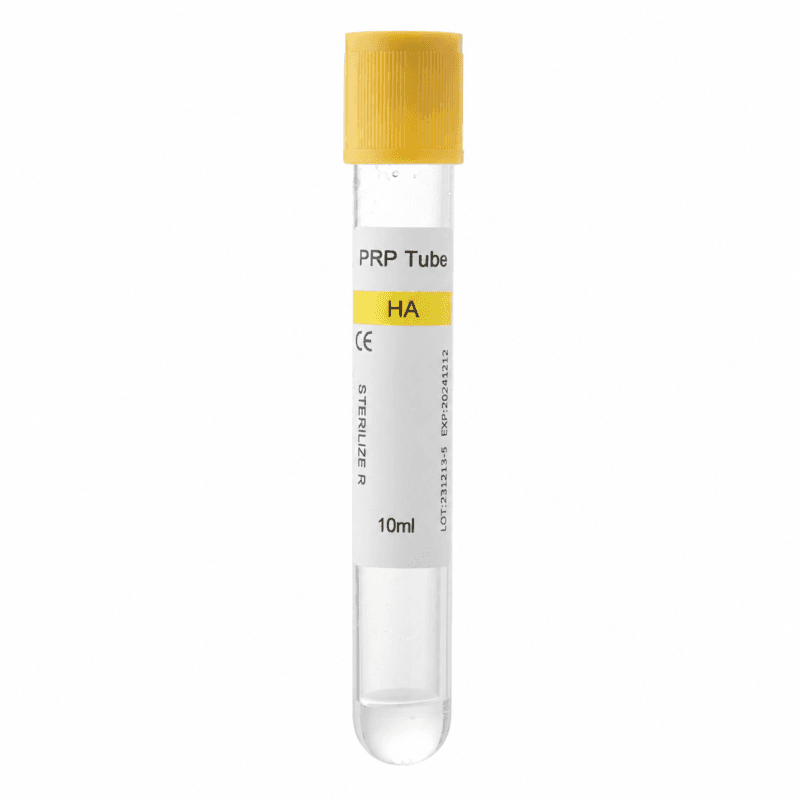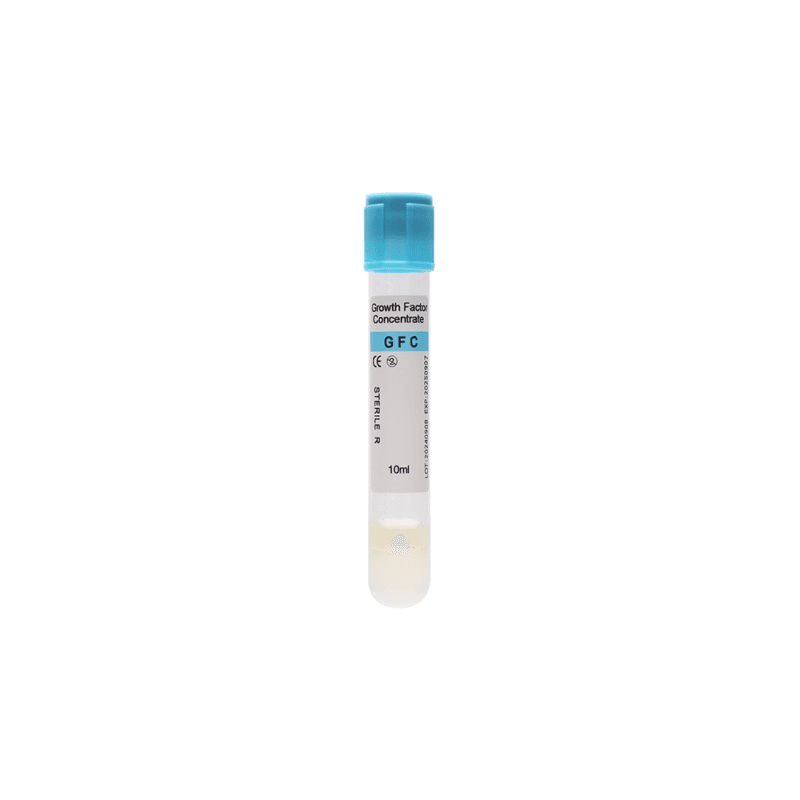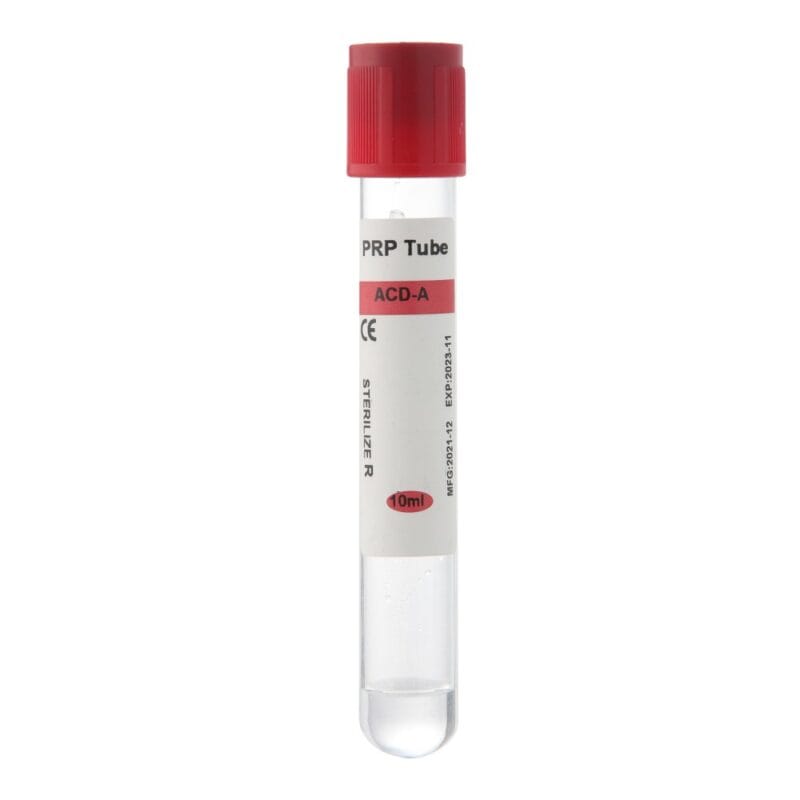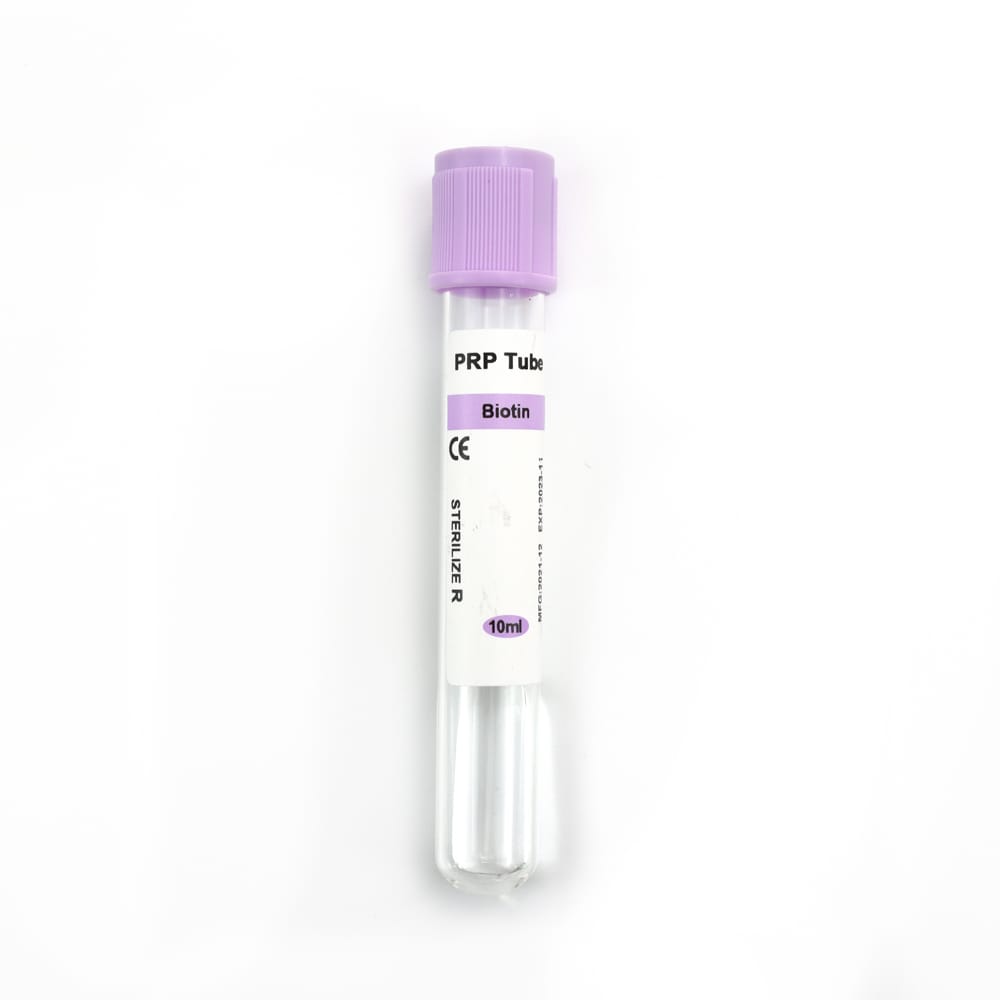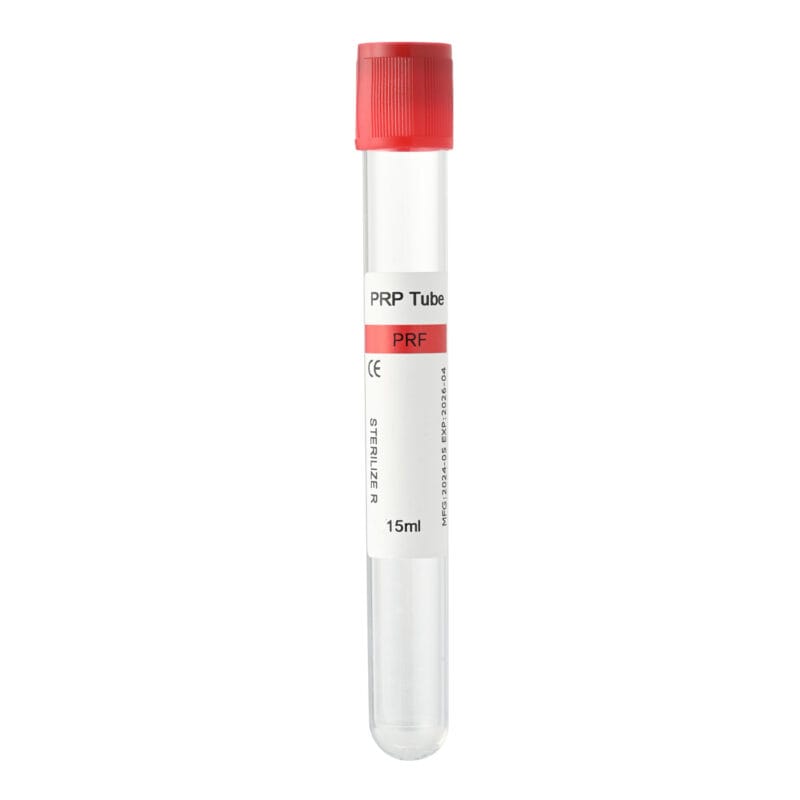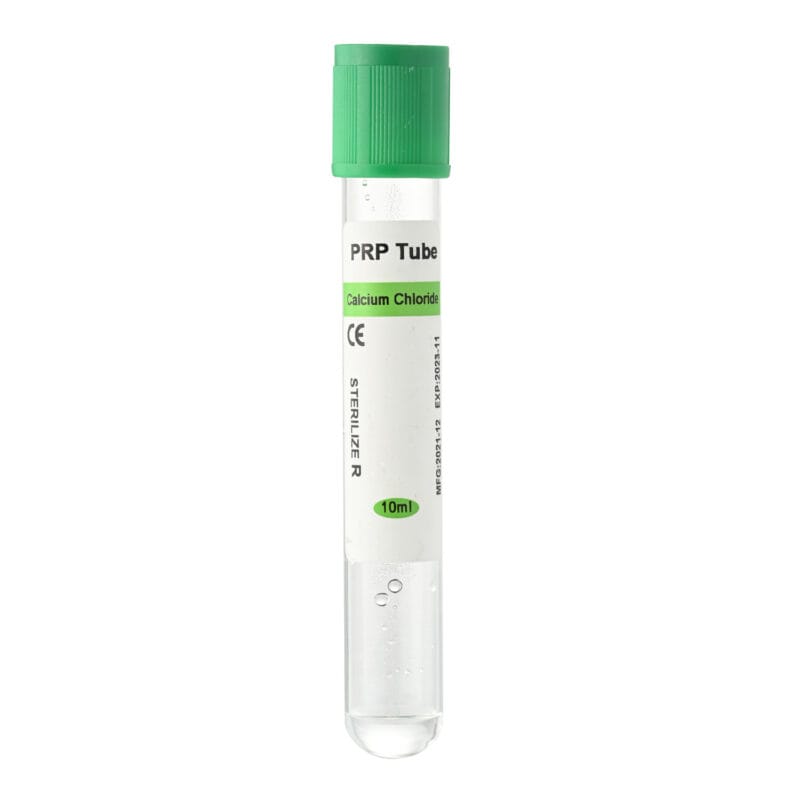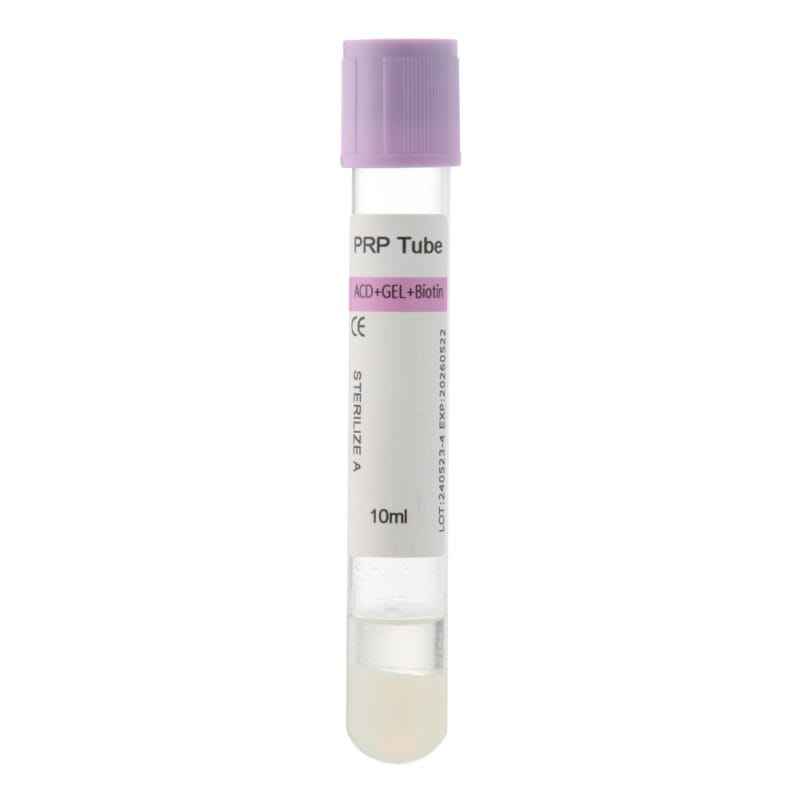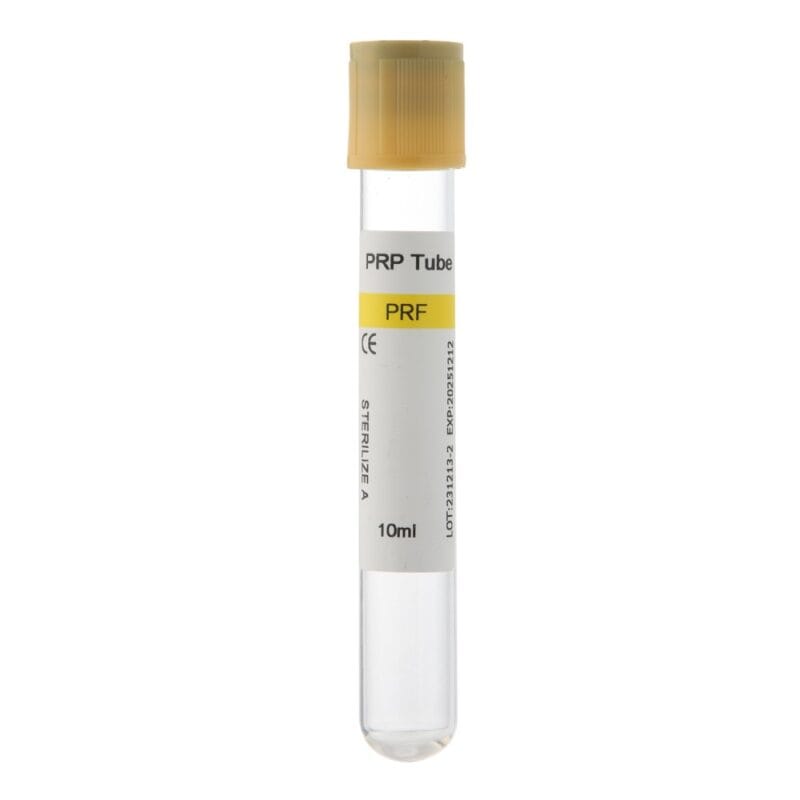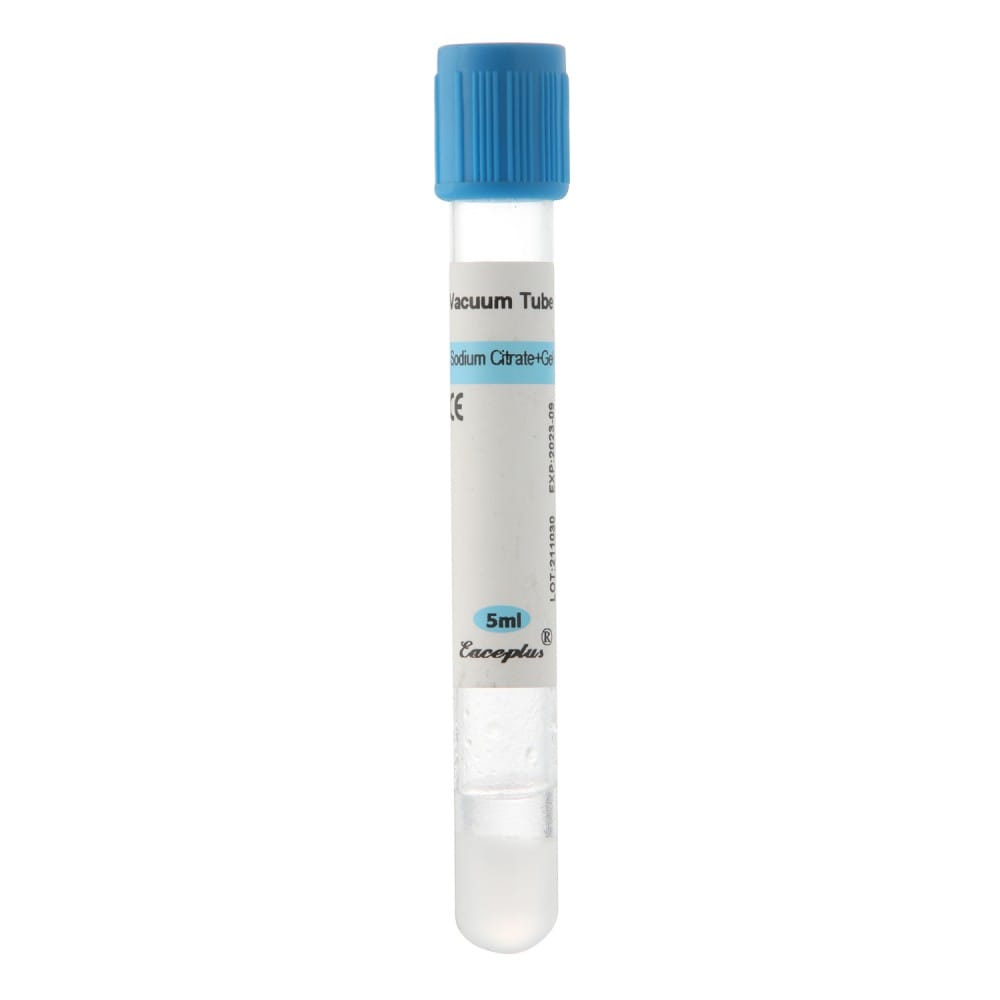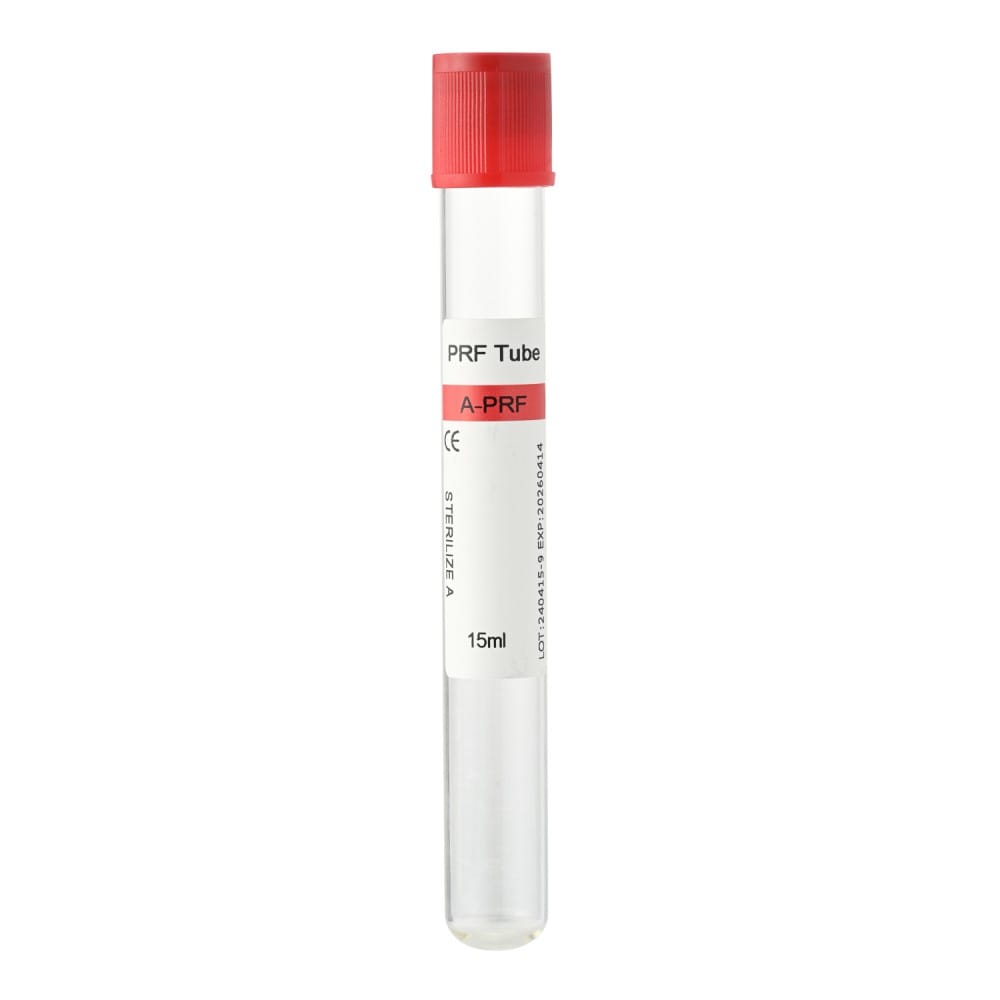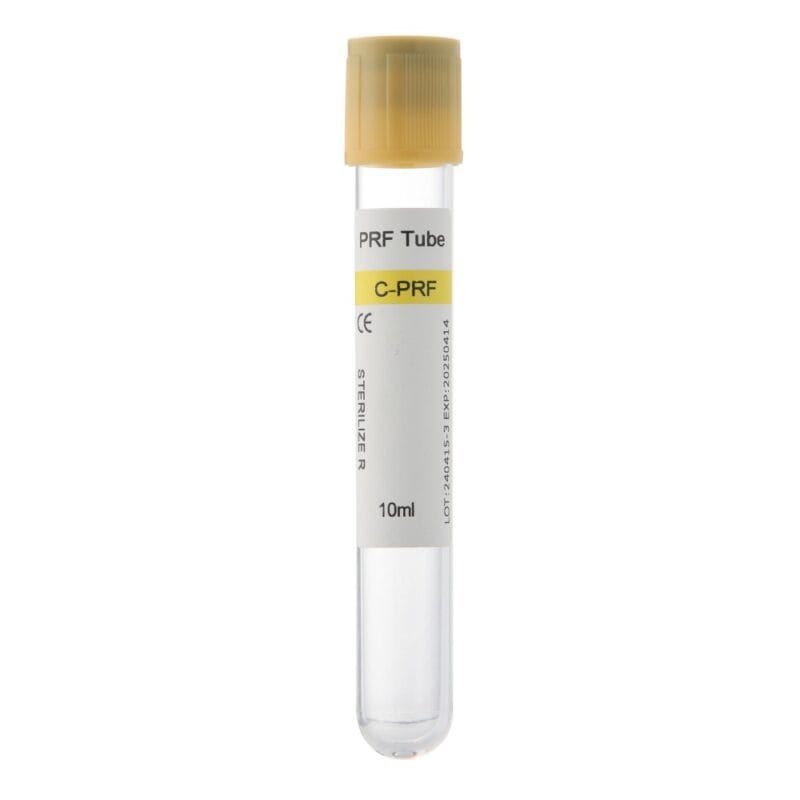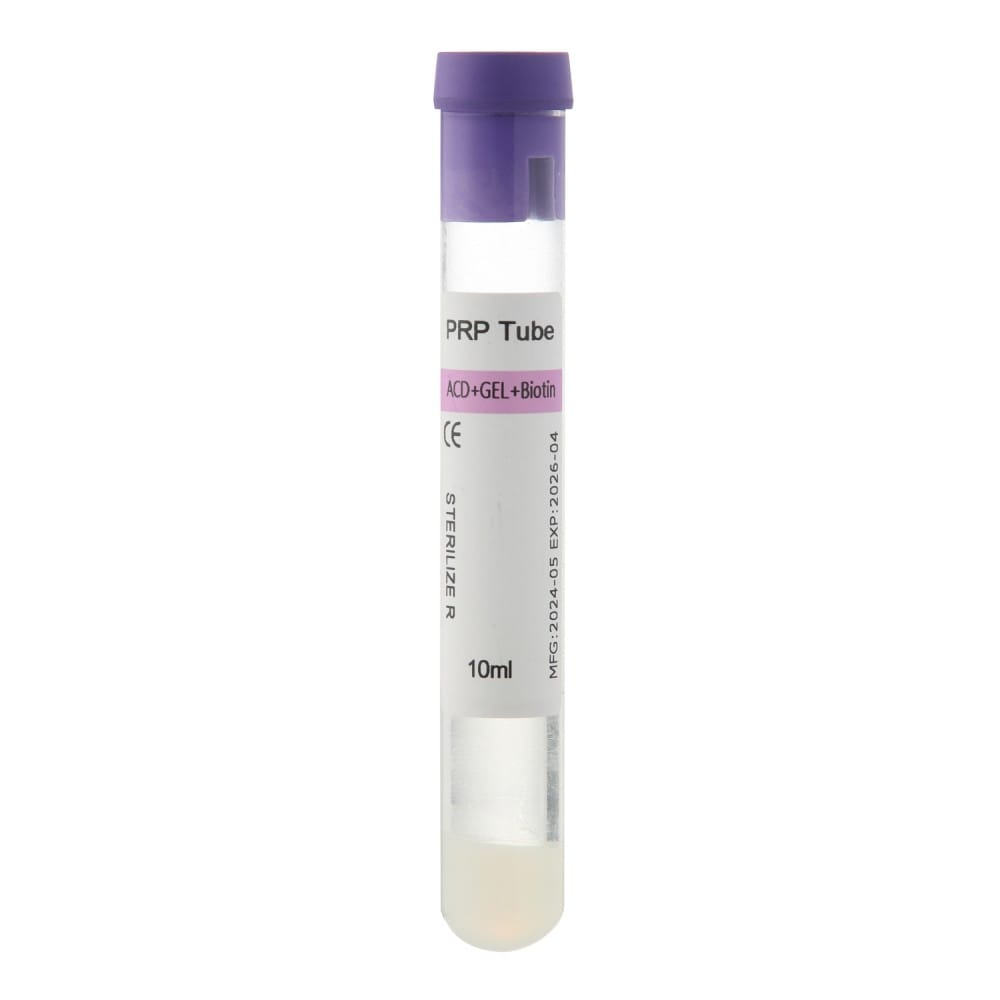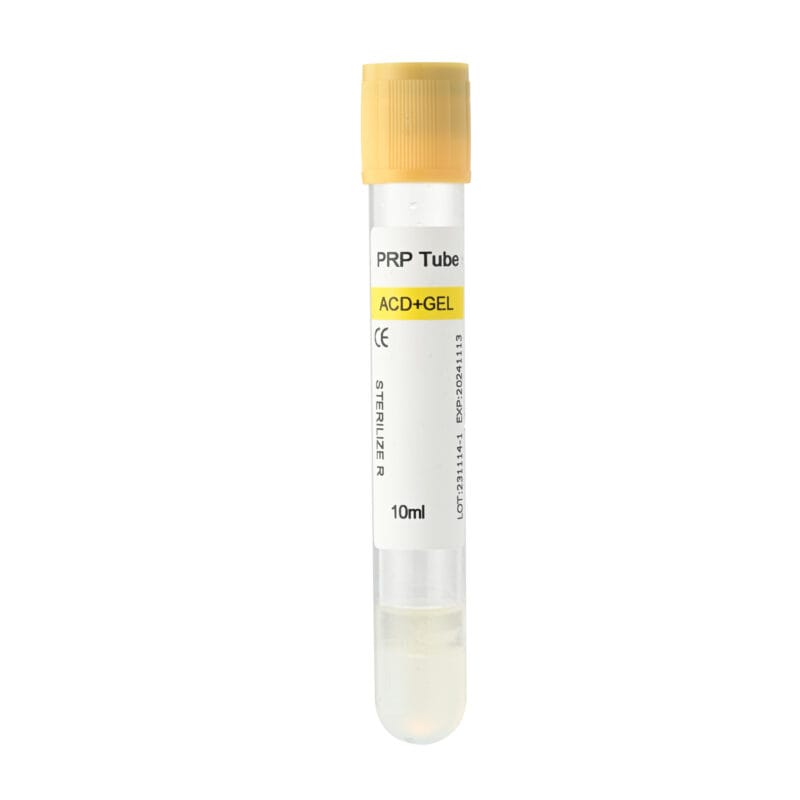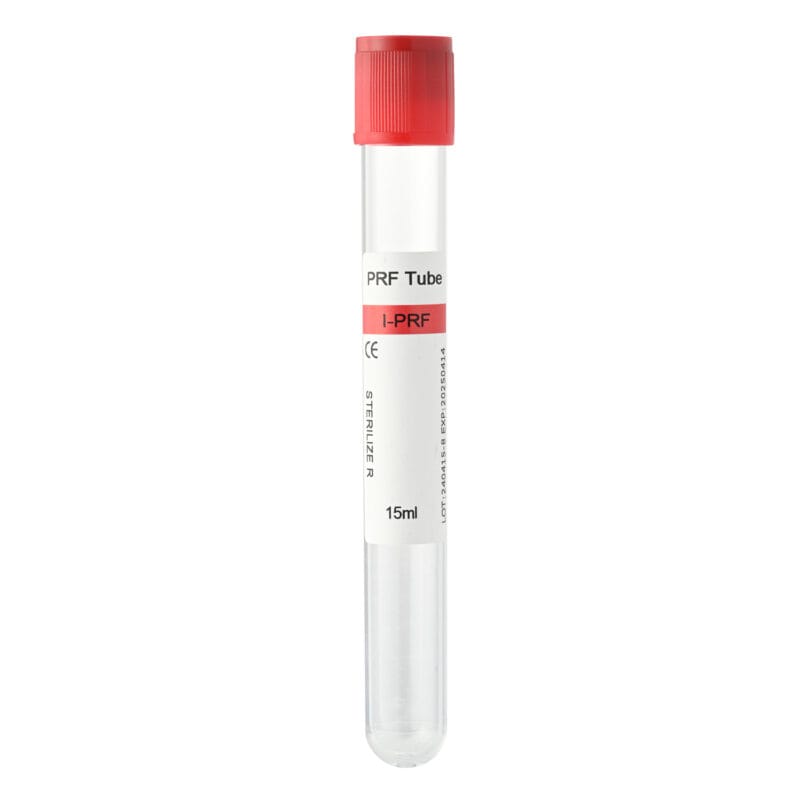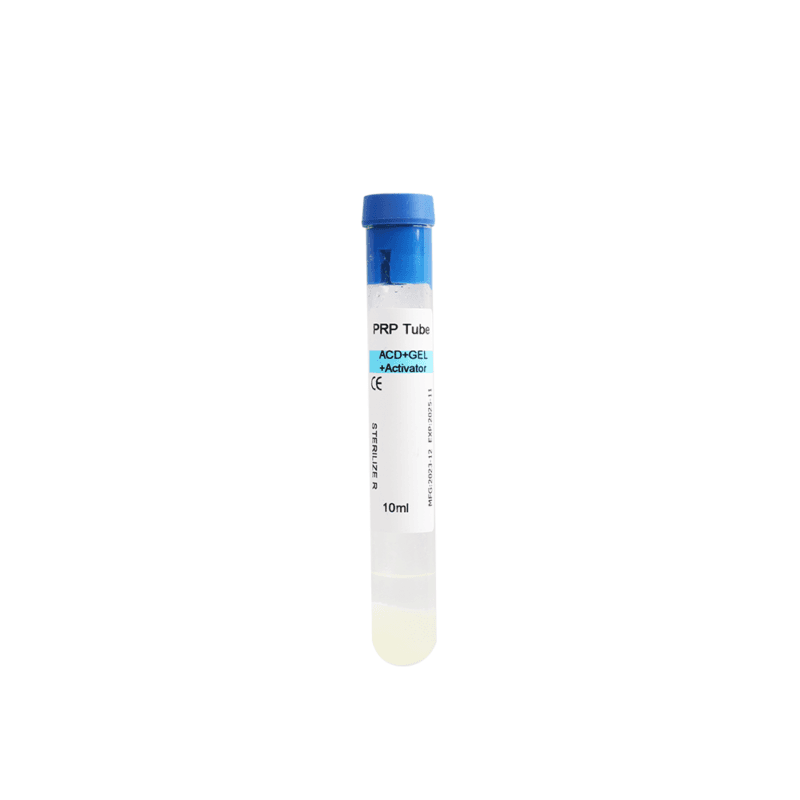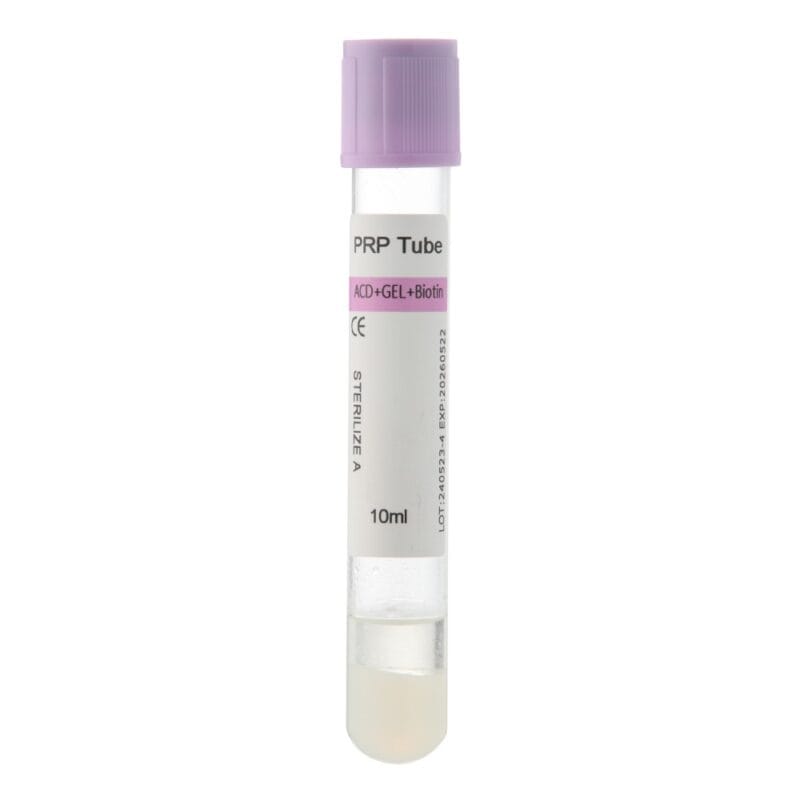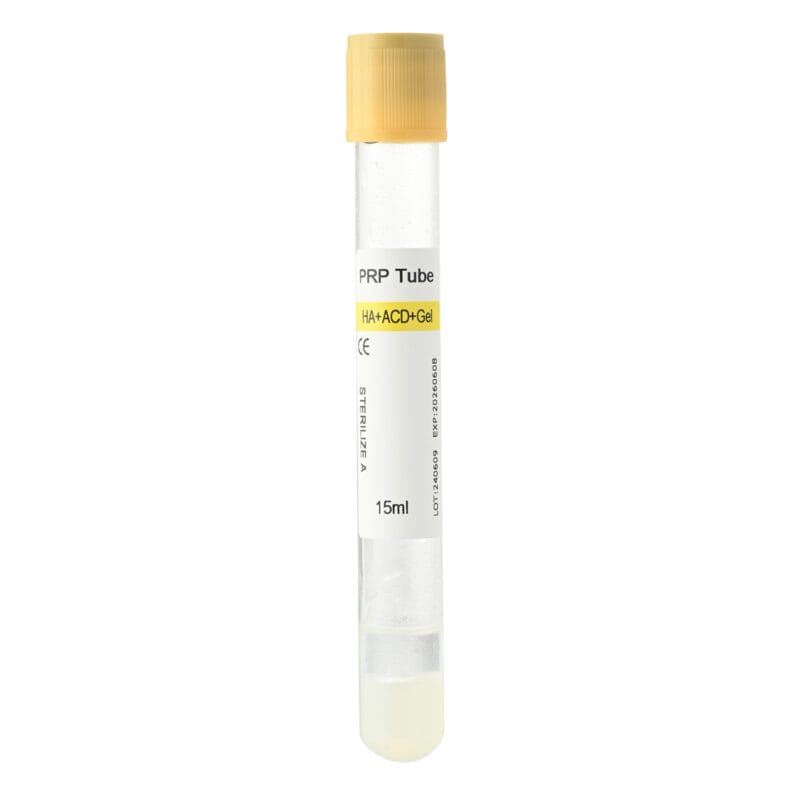
Choosing the right PRF collection tube is not just about glass or plastic. Tube material influences how blood interacts with the collection surface, how fibrin develops, and how the resulting concentrate is handled.
If your PRF membrane feels too soft, the clot is difficult to separate, or liquid PRF begins thickening before use, the collection tube is one factor worth examining. Centrifugation settings, blood collection timing, and handling techniques also affect the result.
When comparing Glass vs. Plastic PRF Tubes, the key difference lies in their blood-contact surfaces. Plain glass promotes contact activation of coagulation, while certain additive-free plastic tubes support protocols designed to collect a liquid fibrin concentrate before substantial clot formation. Coatings and additives further influence how these materials behave.
For dental clinics, aesthetic practices, and medical distributors, choosing the right tube means matching its specifications to the intended PRF preparation method.
This guide explains the differences between glass and plastic PRF tubes, how tube materials influence fibrin formation, and what buyers should check before purchasing.
What Are Glass and Plastic PRF Tubes?
Platelet-rich fibrin (PRF) is an autologous blood-derived concentrate containing a fibrin network that retains platelets, leukocytes, and other blood components. It is widely studied in regenerative dentistry, oral surgery, and selected aesthetic procedures.
Unlike conventional platelet-rich plasma (PRP), which uses anticoagulants during preparation, many PRF protocols rely on natural coagulation without added anticoagulants.
The collection tube is therefore more than a container. Its inner surface interacts directly with freshly collected blood and influences the conditions under which coagulation begins.
What Are Glass PRF Tubes?
Glass PRF tubes are blood collection containers manufactured from glass for compatible platelet-rich fibrin preparation methods.
Plain glass surfaces promote contact activation of the coagulation pathway. This property makes suitable glass tubes a common choice for preparing solid PRF clots and membranes.
Their main characteristics include:
- A rigid glass structure.
- Surface properties that support contact activation of coagulation.
- Established use in solid PRF preparation protocols.
- Availability in different collection volumes and dimensions.
- A need for protective packaging and careful handling.
However, not every glass tube has the same internal surface. Coatings, surface treatments, and manufacturing differences can alter blood-contact behavior.
Buyers should therefore verify the actual product specifications rather than assuming that every glass collection tube performs identically.
What Are Plastic PRF Tubes?
Plastic PRF tubes are manufactured from polymer materials, commonly including polyethylene terephthalate (PET).
Untreated PET has different blood-contact properties from plain glass and produces a different environment for contact activation.
This distinction is relevant to liquid PRF preparation methods, where the desired blood fraction must be collected before substantial fibrin polymerization.
Plastic tubes are available in several configurations:
- Additive-free plastic tubes: Contain no intentionally added anticoagulants or clot activators.
- Surface-modified plastic tubes: Feature internal surface treatments that alter blood-contact behavior.
- Silica-coated plastic tubes: Contain silica-based clot activators designed to accelerate coagulation.
These categories are not interchangeable.
A plastic tube containing a clot activator behaves differently from an additive-free PET tube intended for a liquid PRF protocol.
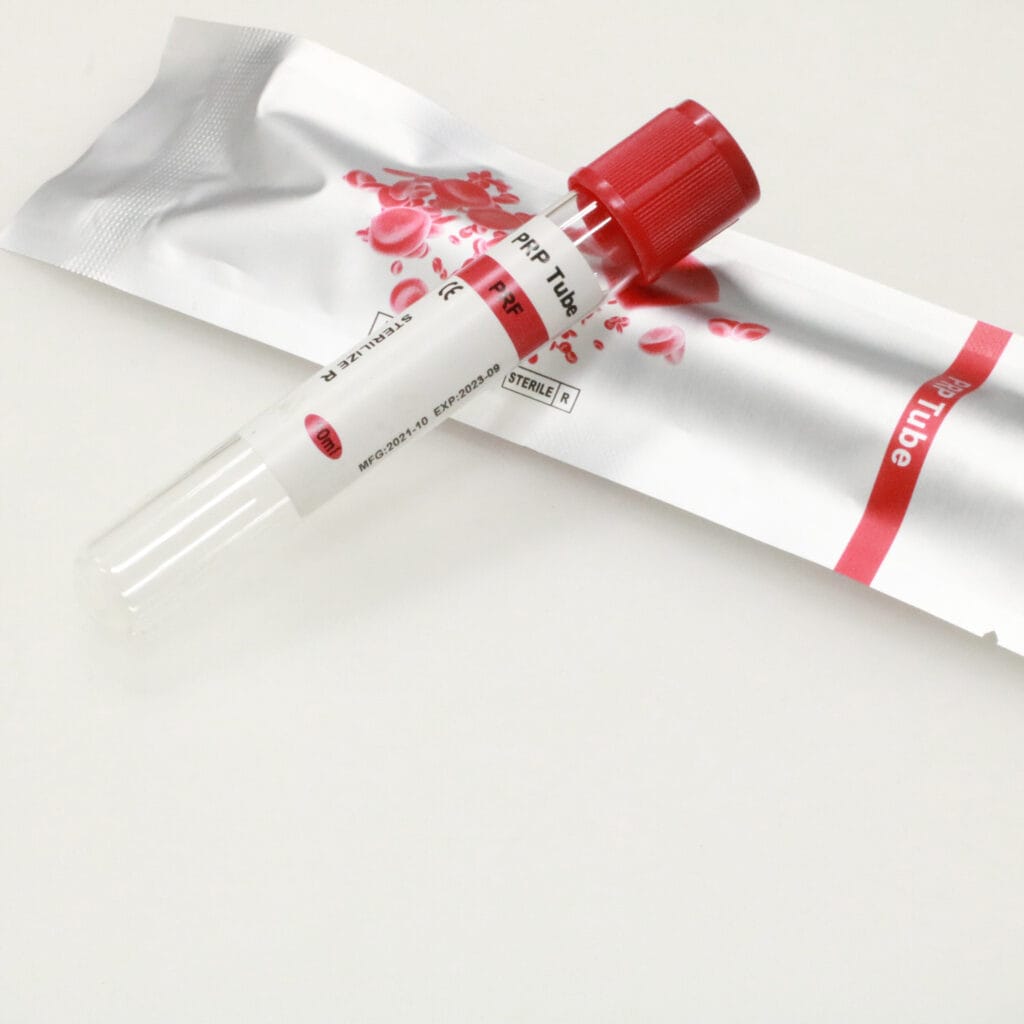
For buyers comparing materials, Siny PRP offers both glass and plastic PRF tube options, allowing clinics and distributors to evaluate products according to their preparation requirements.
Glass vs. Plastic PRF Tubes: Key Differences
Glass and plastic PRF tubes differ in surface chemistry, handling characteristics, and compatibility with different preparation methods.
Understanding these differences helps buyers avoid selecting tubes based only on material or price.
Glass vs. Plastic PRF Tubes Comparison Table
| Feature | Glass PRF Tubes | Plastic PRF Tubes |
|---|---|---|
| Main material | Glass | PET or other polymers |
| Blood-contact surface | Supports contact activation | Depends on polymer and surface treatment |
| Clot formation | Promotes coagulation in suitable plain-glass designs | Depends on additives and surface properties |
| Solid PRF preparation | Commonly used in established protocols | Requires protocol-specific evaluation |
| Liquid PRF preparation | Less suitable for protocols requiring delayed clotting | Certain additive-free designs are used |
| Internal coatings | Must be verified | Must be verified |
| Breakage resistance | More vulnerable to impact | More impact-resistant under ordinary handling |
| Transportation | Requires protective packaging | Often lighter and easier to transport |
| Cost | Depends on specifications and quantity | Depends on material and surface treatment |
| Main selection factor | Intended PRF preparation method | Intended PRF preparation method |
These comparisons describe material characteristics and common applications. Actual performance depends on the specific tube design and preparation protocol.
Which Material Supports Faster Clot Formation?
Plain glass surfaces promote contact-dependent coagulation, contributing to the development of a fibrin network.
This characteristic makes suitable glass tubes useful when preparing solid PRF clots that are subsequently processed into membranes.
Untreated plastic surfaces interact with blood differently. In selected liquid PRF protocols, additive-free plastic tubes provide a preparation environment that allows collection of the desired fraction before extensive fibrin polymerization.
Silica-coated plastic tubes are an important exception. Their clot activators accelerate coagulation, so they should not be treated as equivalent to additive-free PET tubes.
The material name alone is therefore insufficient to predict clotting behavior.
What If Your PRF Clot Is Too Soft?
A soft or difficult-to-handle PRF clot does not automatically indicate a defective collection tube.
Several factors influence the final result:
- Tube material and internal surface treatment.
- Relative centrifugal force (RCF).
- Centrifugation duration.
- Delays between blood collection and processing.
- Individual blood characteristics.
- Clot separation and handling techniques.
If a clinic repeatedly encounters inconsistent clot formation, the entire preparation process should be reviewed before changing tube materials.
For purchasing teams, this means evaluating products under an appropriate preparation protocol instead of relying on appearance or material claims alone.
Durability, Transport, and Cost
Plastic tubes offer greater resistance to accidental impact than glass tubes under ordinary handling conditions.
This provides practical advantages during transportation, storage, and routine clinical use.
Glass tubes require more protective packaging because they are vulnerable to breakage.
However, handling convenience should not outweigh preparation compatibility.
A tube that is easier to transport is not necessarily suitable for a particular PRF method.
Similarly, the lowest unit price does not always represent the best purchasing value. Packaging, shipping, breakage risk, and batch consistency also affect procurement decisions.
How Tube Material Affects PRF Clot Formation
PRF preparation involves two closely related processes: centrifugal separation and coagulation.
Centrifugation influences the distribution of blood components, while coagulation produces the fibrin network that characterizes the final concentrate.
Tube surface properties affect the coagulation environment, helping explain why different collection tubes can produce different PRF characteristics.
How Glass Supports Fibrin Formation
When freshly collected blood contacts plain glass, contact activation initiates reactions within the intrinsic coagulation pathway.
These reactions contribute to thrombin generation and the conversion of fibrinogen into fibrin.
Fibrin strands then develop into a three-dimensional network that retains platelets, leukocytes, and other blood components.
This network is important in solid PRF preparation because the resulting clot can be processed into a membrane.
However, the final structure is not determined by tube material alone.
Centrifugation conditions, collection timing, blood characteristics, and handling techniques also influence clot development.
A glass tube therefore does not guarantee a stronger membrane or superior clinical outcome.
Why Additive-Free Plastic Tubes Behave Differently
Untreated plastic surfaces have different coagulation-related properties from plain glass.
In selected liquid PRF protocols, additive-free plastic tubes are used to collect a fibrin-containing liquid fraction before extensive polymerization occurs.
This is particularly relevant to injectable platelet-rich fibrin (i-PRF), where the concentrate must be collected and handled within a limited working period.
The available working time depends on the tube, preparation conditions, temperature, and individual blood characteristics.
Consequently, not every PET tube is suitable for injectable PRF.
The tube’s intended use and internal composition must be verified before selection.
Do Silica-Coated PRF Tubes Present Safety Concerns?
Some plastic blood collection tubes contain silica-based clot activators.
These substances accelerate coagulation, but their presence deserves attention when the resulting fibrin concentrate is intended for placement in tissues.
Research has identified silica microparticles within PRF matrices prepared using certain silica-coated plastic collection tubes.
Laboratory investigations have also reported adverse cellular responses associated with silica particles from some collection products.
These findings raise questions about the suitability of particular silica-coated tubes for tissue-related PRF applications.
They do not establish that every plastic PRF tube contains silica or carries the same biological concerns.
The practical purchasing lesson is to verify the internal composition, especially when comparing additive-free tubes with products containing clot activators.
What Research Shows About PRF Quality
Research comparing different collection tube materials has identified differences in fibrin network structure and platelet distribution.
A study published in the Journal of Maxillofacial and Oral Surgery examined PRF membranes prepared using glass tubes, silica-coated plastic tubes, and additive-free plastic tubes.
Under the tested L-PRF and A-PRF protocols, additive-free plastic tubes produced lower fibrin network density than the other tube types.
The researchers also reported higher platelet aggregate density in membranes prepared using additive-free plastic tubes.
These findings demonstrate that PRF characteristics cannot be evaluated using fibrin density alone.
A denser fibrin network does not necessarily indicate greater platelet retention, and laboratory measurements do not establish superior clinical healing.
Because the study involved a limited sample size, its findings should be interpreted within the tested conditions.
For buyers, the key consideration is whether the tube supports the intended PRF preparation method rather than whether one laboratory measurement appears superior.
Why Centrifugation Settings Still Matter
Even with an appropriate tube, preparation results vary when centrifugation conditions are inconsistent.
Important variables include:
- Relative centrifugal force (RCF).
- Centrifugation duration.
- Rotor radius and centrifuge design.
- Tube dimensions and filling volume.
- Time between blood collection and centrifugation.
RCF is especially important because identical RPM settings generate different centrifugal forces in centrifuges with different rotor radii.
Clinics should follow protocols appropriate for their tube and centrifuge combination instead of assuming that one RPM setting works across all systems.
Which PRF Tube Should You Choose for Your Clinical Application?
The choice between glass and plastic depends primarily on the type of PRF concentrate being prepared.
A clinic producing solid PRF membranes has different requirements from a practice preparing liquid PRF.
Understanding these differences makes product selection easier and reduces the risk of purchasing unsuitable tubes.
Glass PRF Tubes for Solid PRF Membranes
Suitable plain glass tubes are commonly used for solid PRF preparation because their surfaces support contact activation and fibrin formation.
After centrifugation, the PRF clot is separated from the red blood cell fraction and processed according to the clinical protocol.
Solid PRF has been investigated or used in procedures involving:
- Tooth extraction sites.
- Periodontal surgery.
- Selected dental implant procedures.
- Bone grafting.
- Oral soft tissue management.
For dental practices preparing PRF membranes regularly, compatible glass tubes are an established option.
However, if membranes repeatedly appear unusually soft, fragile, or difficult to handle, the clinic should review the full preparation process.
Tube selection is one consideration, alongside centrifugation conditions and handling techniques.
Plastic PRF Tubes for Liquid PRF
Certain additive-free plastic tubes are used in liquid PRF preparation methods, including injectable PRF.
These protocols aim to collect a liquid fraction before substantial fibrin polymerization occurs.
Liquid PRF has been investigated in periodontal and regenerative dental procedures, along with selected aesthetic applications.
Clinical evidence varies across procedures, so treatment benefits should not be assumed from tube material or concentrate type alone.
The purchasing priority is verifying that the specific tube is suitable for the intended liquid PRF protocol.
A standard plastic blood collection tube should not automatically replace a product intended for clinical PRF preparation.
What If Your Liquid PRF Clots Too Quickly?
If liquid PRF begins thickening before the intended handling step is complete, the tube’s internal surface is one factor to investigate.
Processing delays, temperature, and preparation technique also influence the available working time.
A tube containing a clot activator behaves differently from an additive-free design.
Before changing products, clinics should confirm the tube specifications and review the established preparation method.
This is particularly important when switching suppliers or purchasing a new tube configuration.
For practices using both solid and liquid PRF methods, Siny PRP’s glass and plastic tube options provide a starting point for comparing products according to preparation requirements rather than material alone.
How to Choose PRF Tubes for Clinics and Distributors
For medical buyers, the best PRF tube is not necessarily the cheapest product or the one made from the most familiar material.
The priority is selecting a tube with suitable specifications, consistent manufacturing, and reliable supply.
A structured purchasing process helps clinics and distributors make informed decisions.
Start With the Intended Preparation Method
Before comparing suppliers, identify whether the tubes will be used for solid PRF, liquid PRF, or another specified preparation method.
This helps narrow the available options.
A dental clinic preparing solid membranes may prioritize suitable glass tubes, while a practice using an established liquid PRF protocol may require an appropriate additive-free plastic tube.
Avoid choosing products based only on appearance or general blood collection labels.
Confirm Tube Material and Additives
Request clear technical information from the supplier.
Important details include:
- Glass or polymer material.
- Presence or absence of anticoagulants.
- Internal clot activators or silica coatings.
- Other surface treatments.
- Intended preparation method.
Two tubes with similar appearances can have different internal properties.
Specification verification is especially important for distributors supplying clinics with different preparation requirements.
Check Capacity and Centrifuge Compatibility
Tube capacity must match the intended collection and preparation protocol.
A nominal 10 mL capacity is commonly encountered in PRF systems, although other sizes are available.
Before ordering, confirm the recommended fill volume, tube length, outer diameter, closure configuration, and centrifuge compatibility.
Tubes with the same nominal capacity do not necessarily have identical external dimensions.
Buyers should also verify the manufacturer’s specified centrifugation limits.
Evaluate Samples Before Bulk Orders
Product samples help buyers assess tube dimensions, handling characteristics, packaging, and compatibility with existing equipment.
For distributors, samples also provide an opportunity to compare labeling and physical specifications before committing to larger quantities.
However, a tube that physically fits a centrifuge is not automatically suitable for every PRF protocol.
Clinical suitability must be established according to the product’s intended use and appropriate preparation requirements.
Compare Packaging, MOQ, and Supply Reliability
Reliable supply matters as much as initial pricing.
Key purchasing considerations include:
- Packaging quantity and protection.
- Minimum order quantity (MOQ).
- Lot identification and traceability.
- Storage requirements and applicable shelf life.
- Delivery schedules.
- Consistency across repeat orders.
Glass tubes require suitable protection during transportation, while plastic tubes offer practical impact-resistance advantages.
For distributors managing multiple customer requirements, access to both materials supports more flexible purchasing decisions.
When comparing suppliers, Siny PRP’s glass and plastic PRF tube range can be evaluated alongside the required specifications, packaging preferences, and order quantities.
Frequently Asked Questions About Glass and Plastic PRF Tubes
1. Are glass PRF tubes better than plastic PRF tubes?
Neither material is universally better. Suitable glass tubes are commonly used for solid PRF preparation because they promote contact activation. Certain additive-free plastic tubes are used for liquid PRF methods. The correct choice depends on the intended preparation protocol.
2. Can plastic tubes be used to prepare solid PRF?
Yes. Research has investigated solid PRF membranes prepared using additive-free plastic tubes. Their fibrin network characteristics can differ from those produced using glass or silica-coated tubes. Protocol compatibility must be established before use.
3. Why are glass tubes commonly used for PRF?
Plain glass surfaces promote contact-dependent coagulation, supporting fibrin formation. This makes suitable glass tubes useful in established protocols designed to produce solid PRF clots and membranes.
4. Are plastic PRF tubes suitable for injectable PRF?
Certain additive-free plastic tubes are used in injectable PRF preparation because they support protocols requiring a temporary liquid phase. However, not all plastic tubes are suitable, particularly those containing additives that alter coagulation.
5. Do all plastic PRF tubes contain silica?
No. Some plastic tubes contain silica-based clot activators, while others are additive-free or have different surface treatments. Buyers should confirm the internal composition before purchasing.
6. What is the difference between PRP tubes and PRF tubes?
Conventional PRP preparation generally uses anticoagulants to prevent blood from clotting during processing. Many PRF protocols rely on natural coagulation instead. PRP and PRF collection tubes are therefore not automatically interchangeable.
7. What size PRF tube should a clinic purchase?
The appropriate size depends on the required collection volume, preparation protocol, and centrifuge configuration. Buyers should verify nominal capacity, recommended fill volume, external dimensions, and equipment compatibility.
8. What should distributors check before ordering PRF tubes in bulk?
Distributors should confirm material composition, additives, intended use, tube dimensions, packaging, minimum order quantity, and supply consistency. Product specifications and samples help assess suitability before a larger purchase.
Choosing the Right PRF Tubes for Your Practice
Understanding Glass vs. Plastic PRF Tubes helps clinics and distributors make purchasing decisions based on preparation requirements rather than material alone.
Suitable glass tubes are commonly used for solid PRF protocols, while certain additive-free plastic tubes support liquid PRF preparation. In both cases, the tube’s internal surface, intended use, and centrifuge compatibility are essential considerations.
For dental clinics, aesthetic practices, and medical distributors, choosing products with clear specifications supports consistent preparation workflows and more reliable procurement.
Siny PRP supplies both glass and plastic PRF tube options for different purchasing needs. Explore our products at Siny PRP or contact our team to discuss tube specifications, sample availability, packaging options, and bulk order requirements.