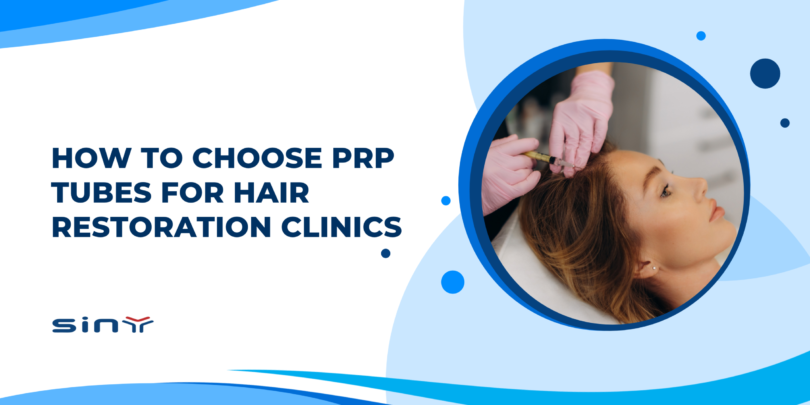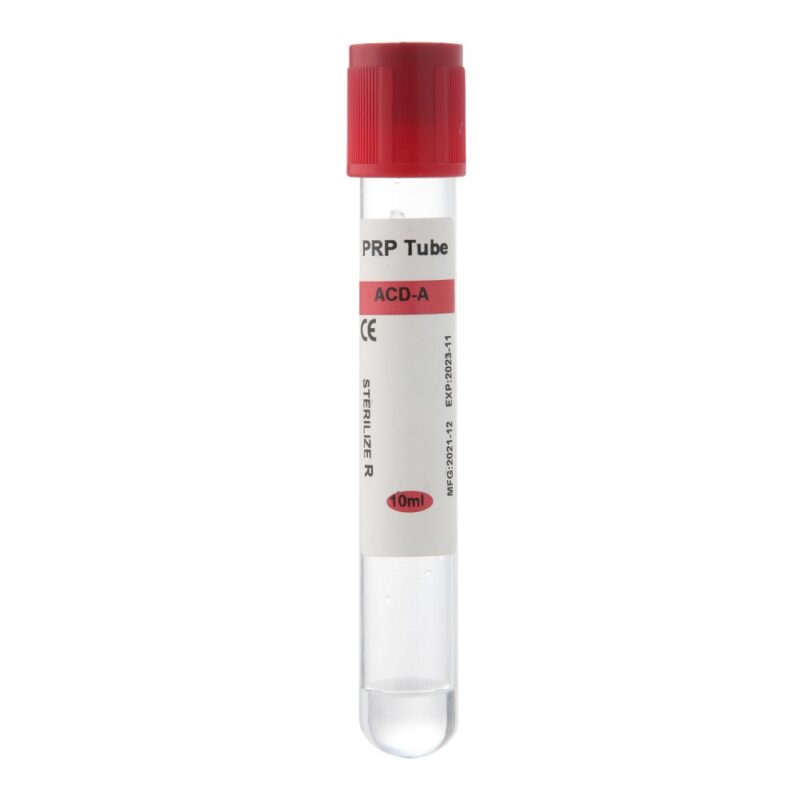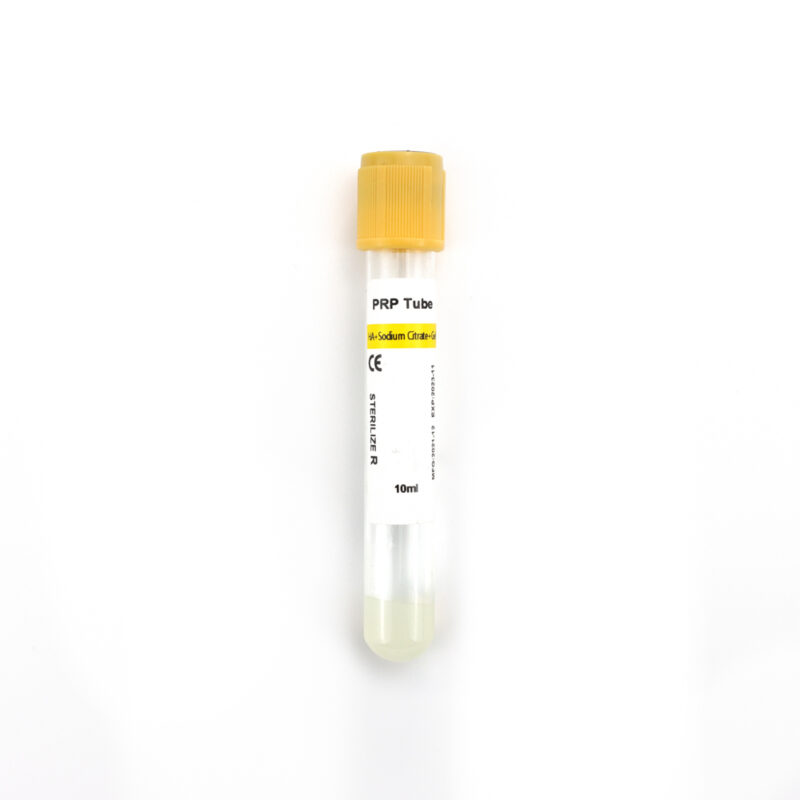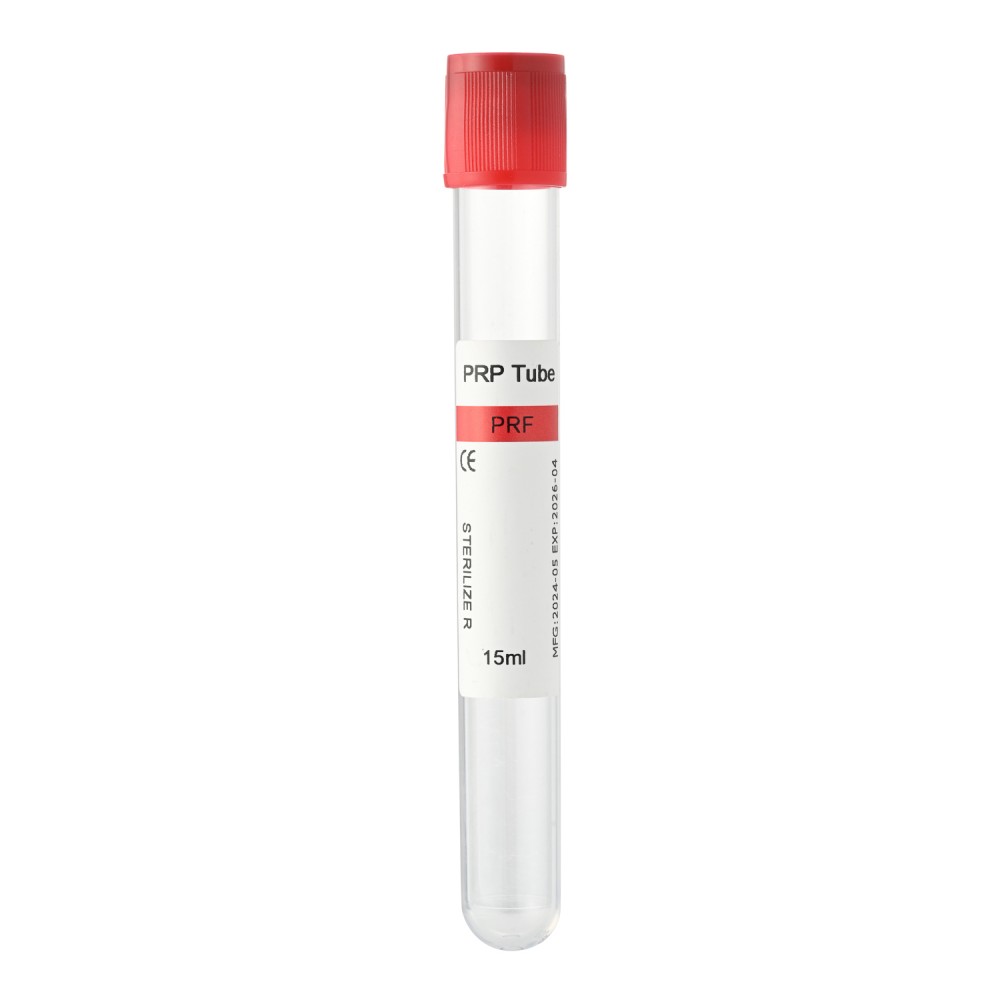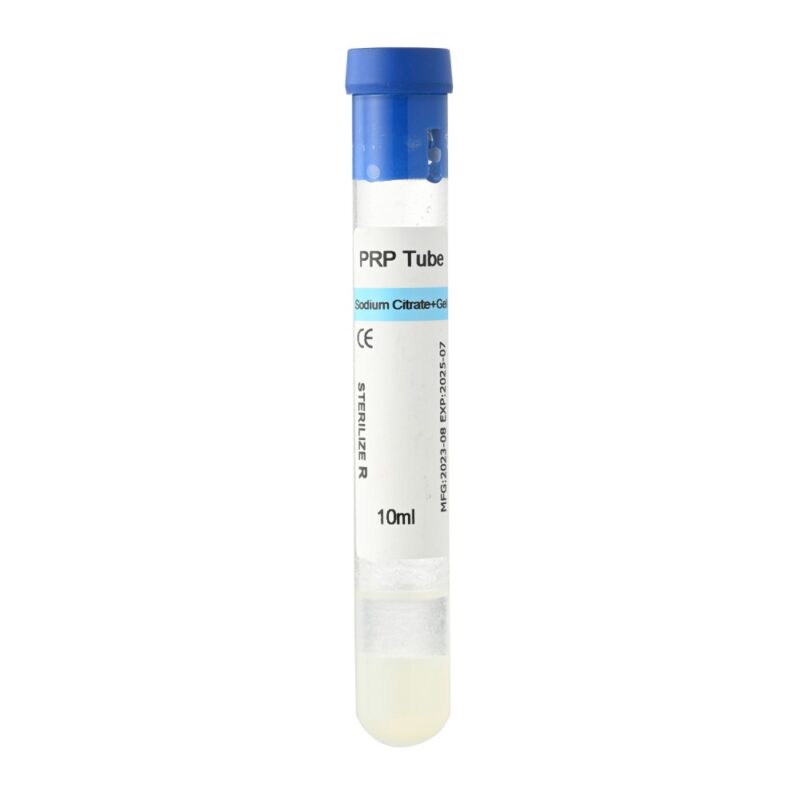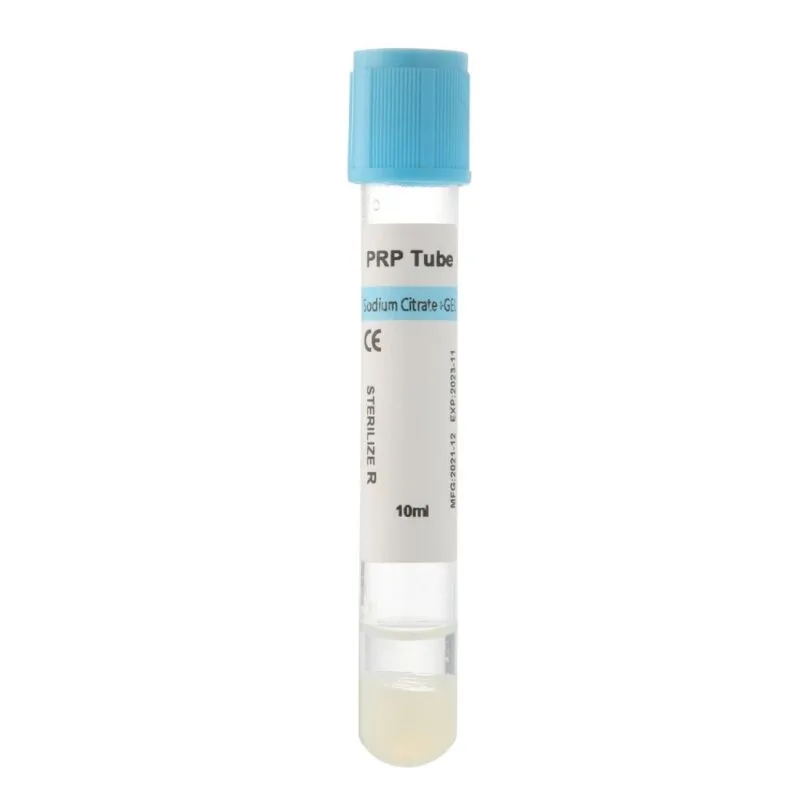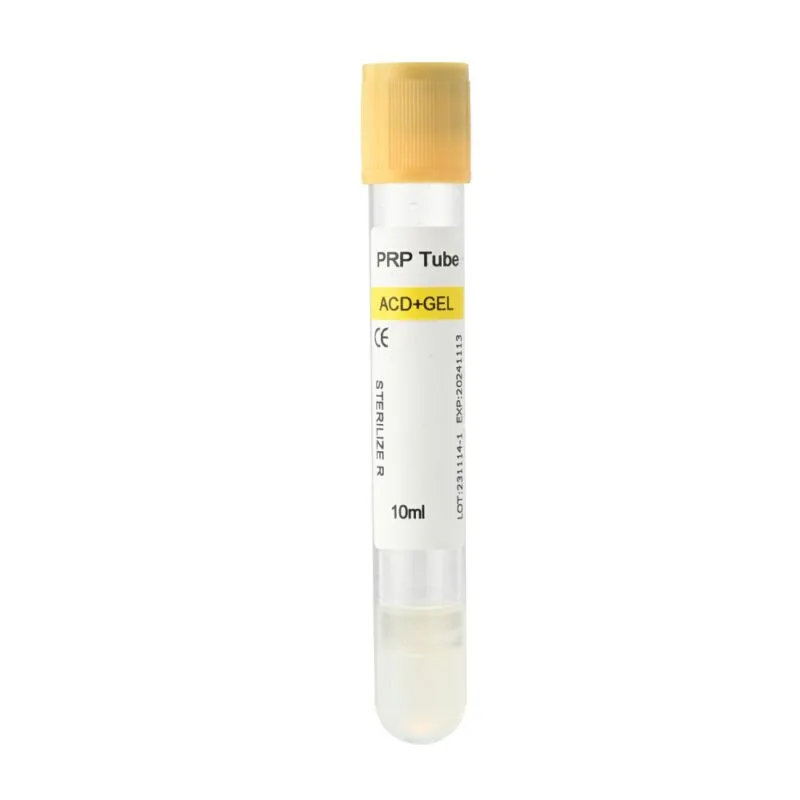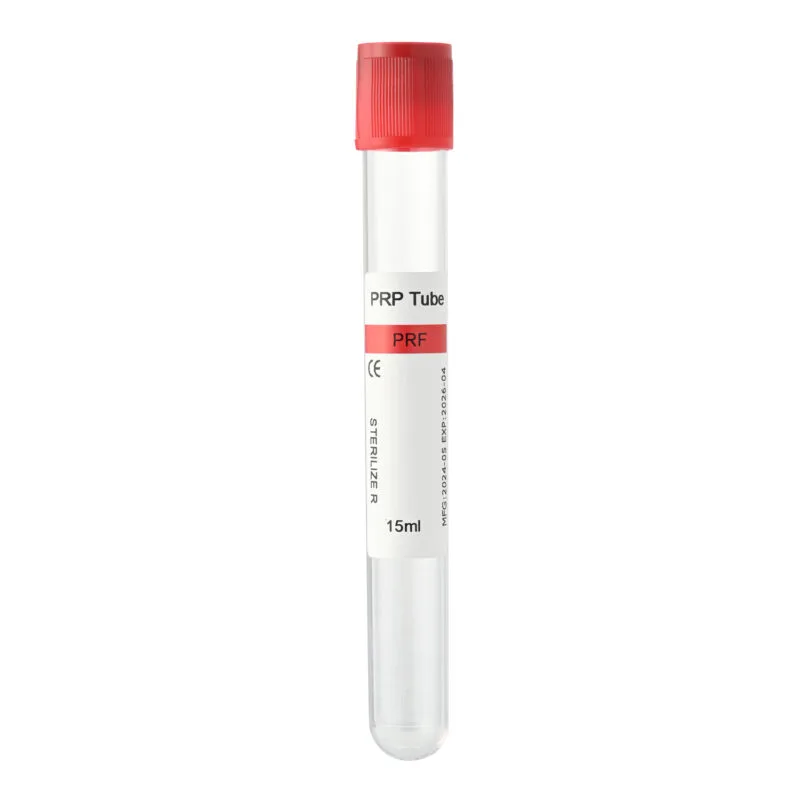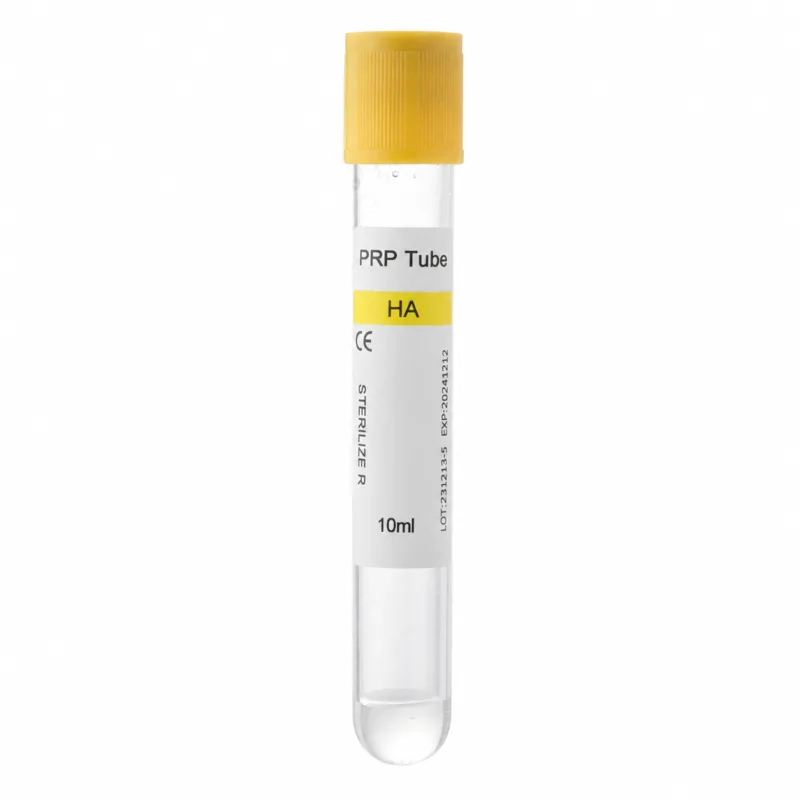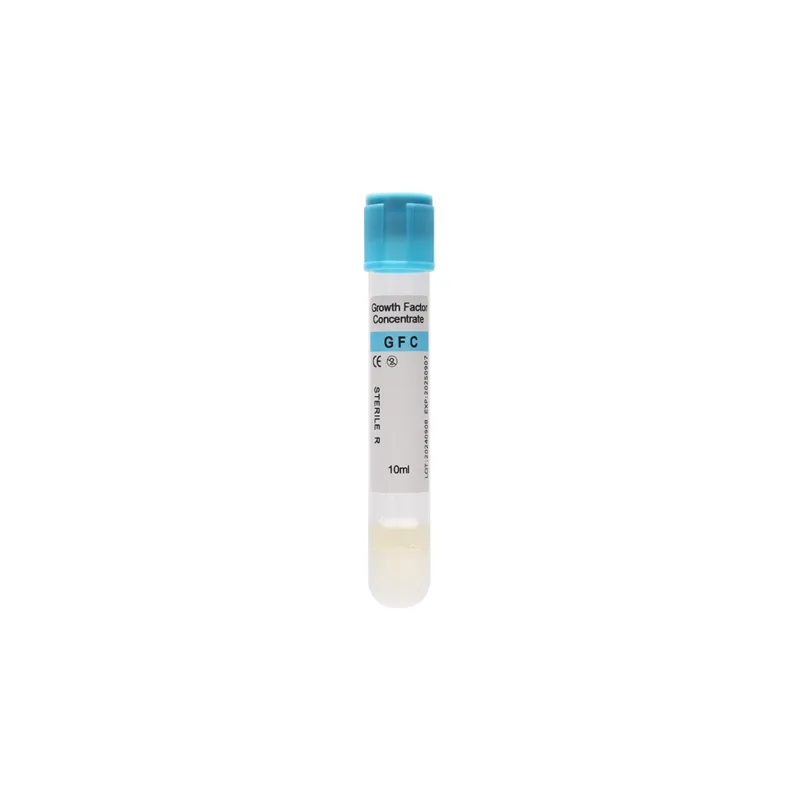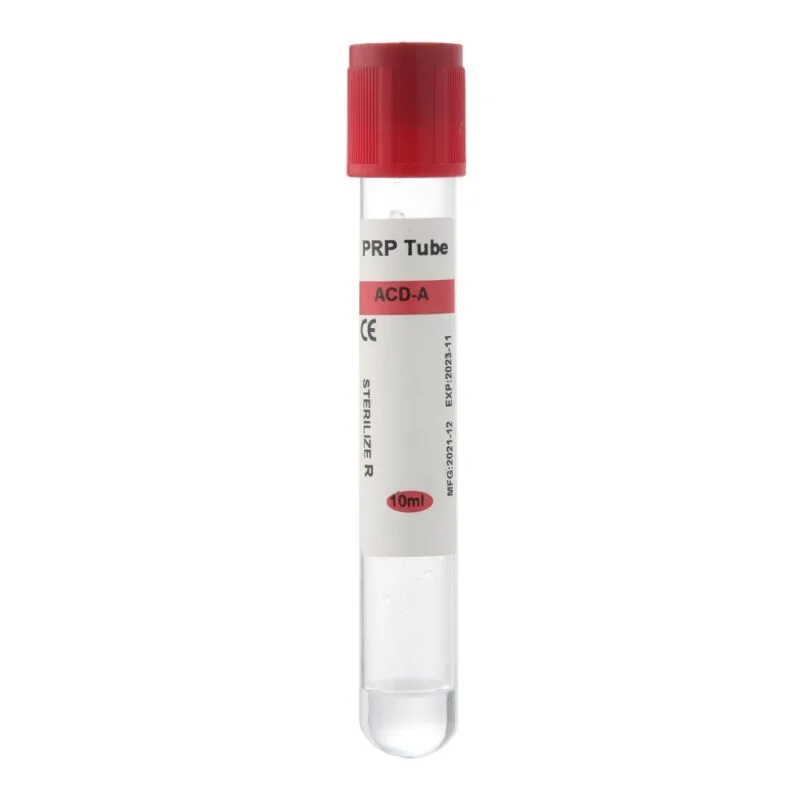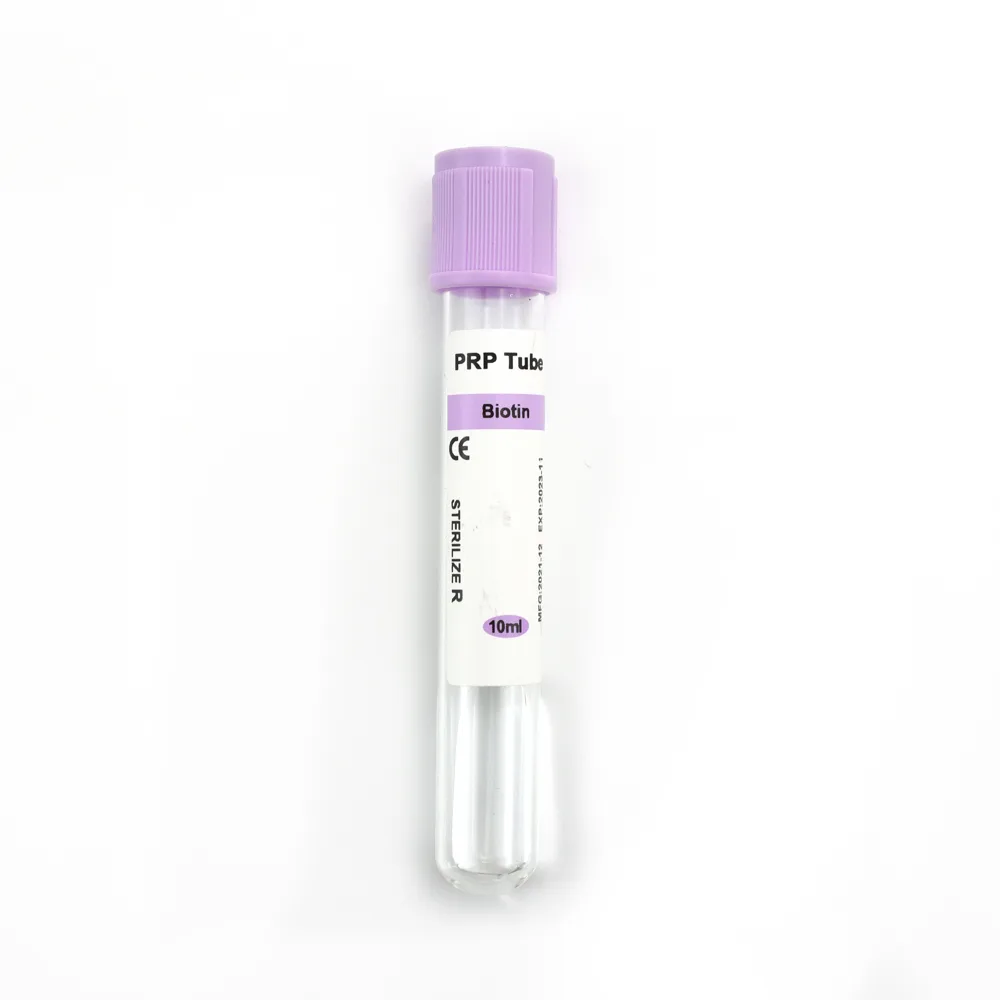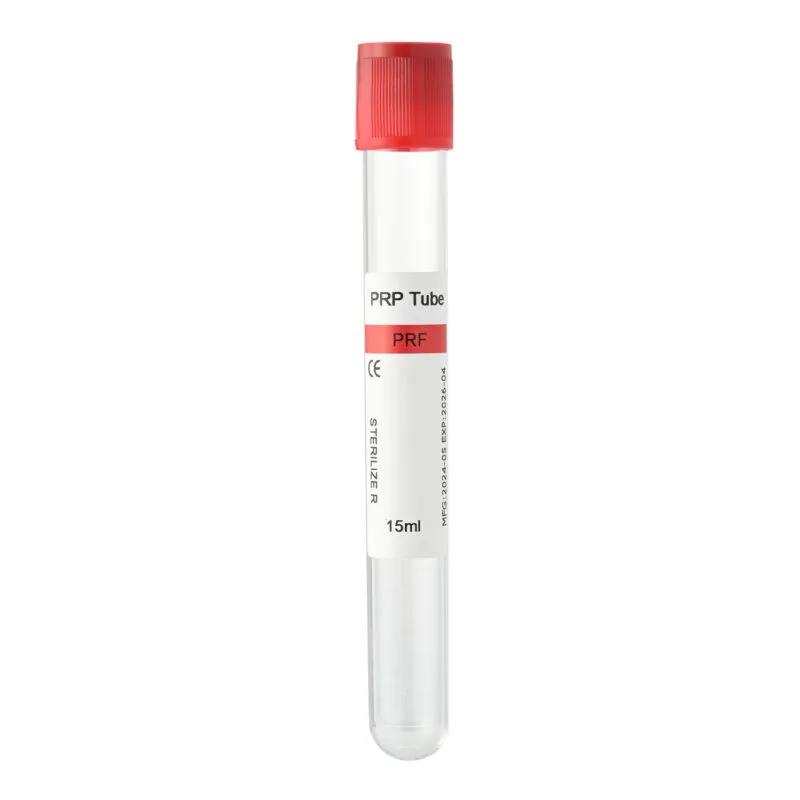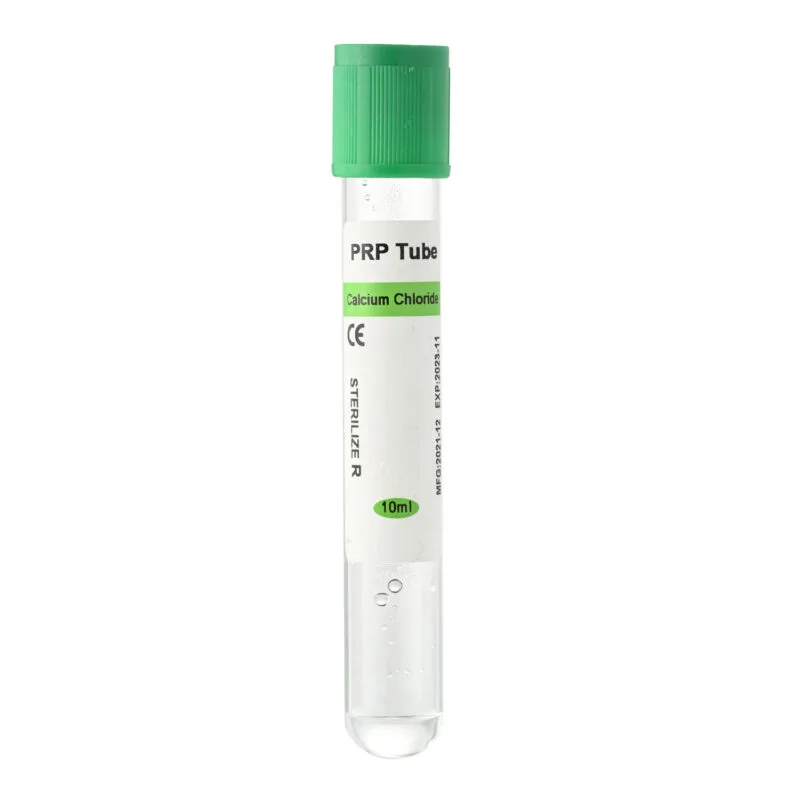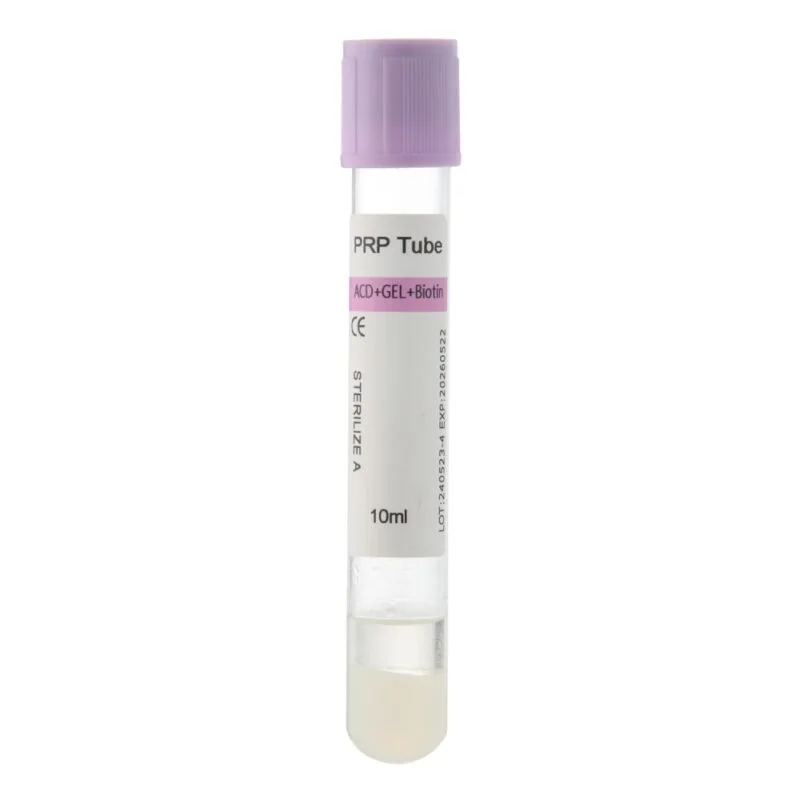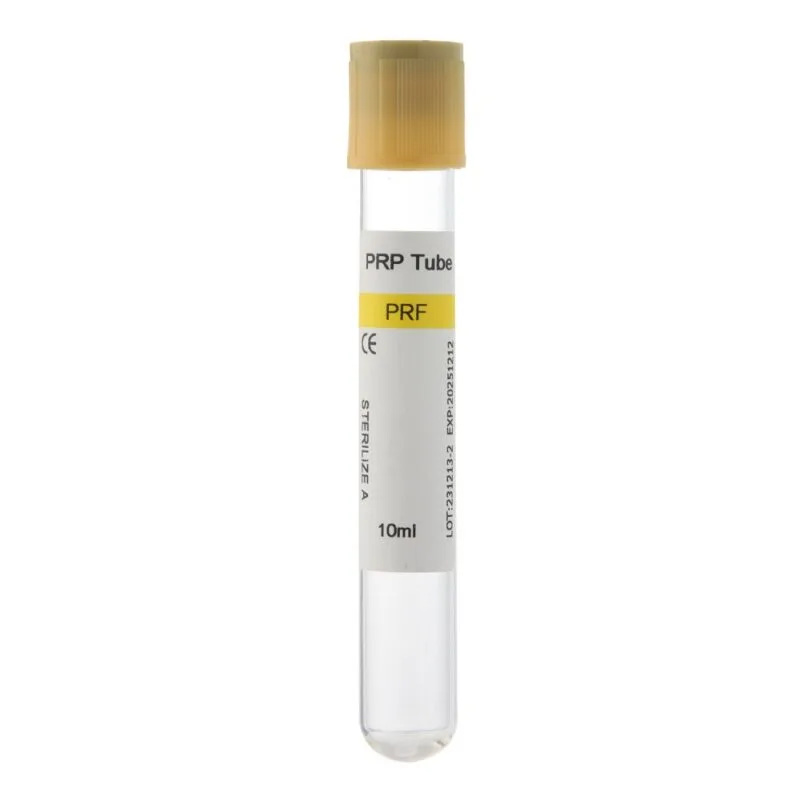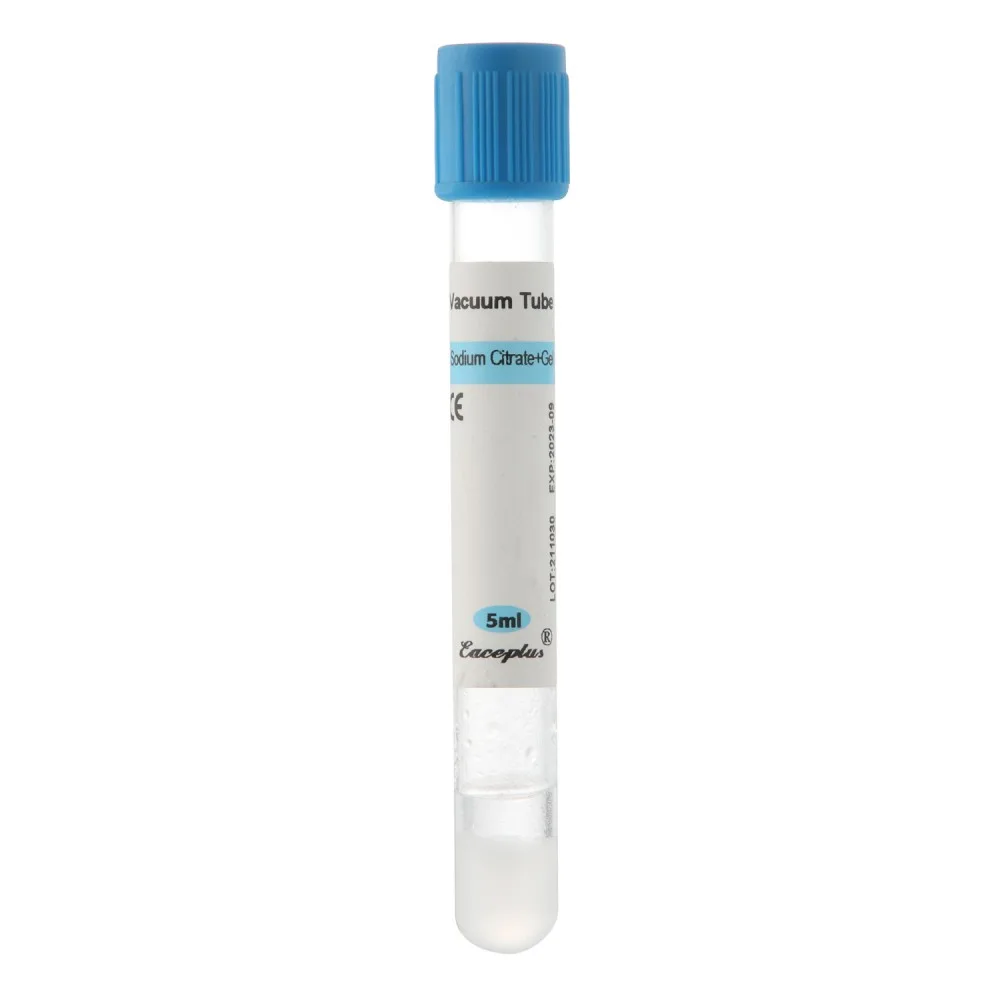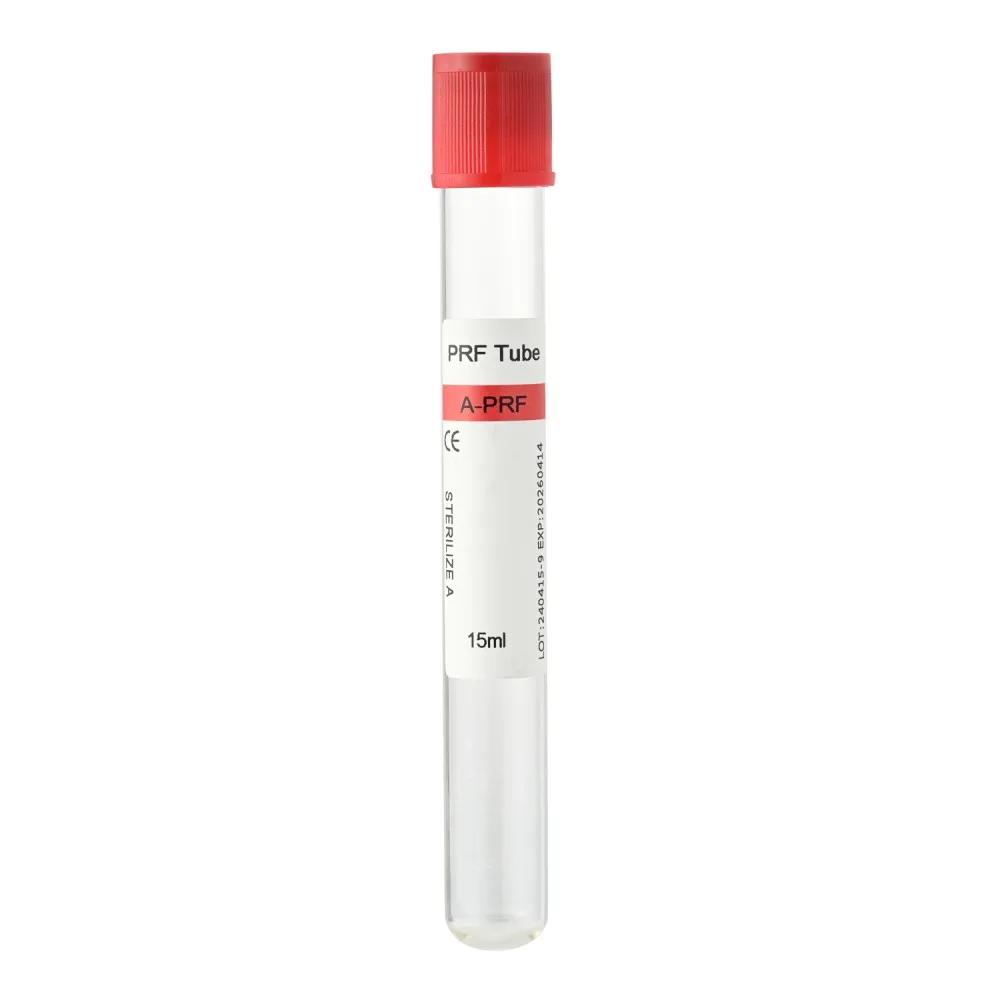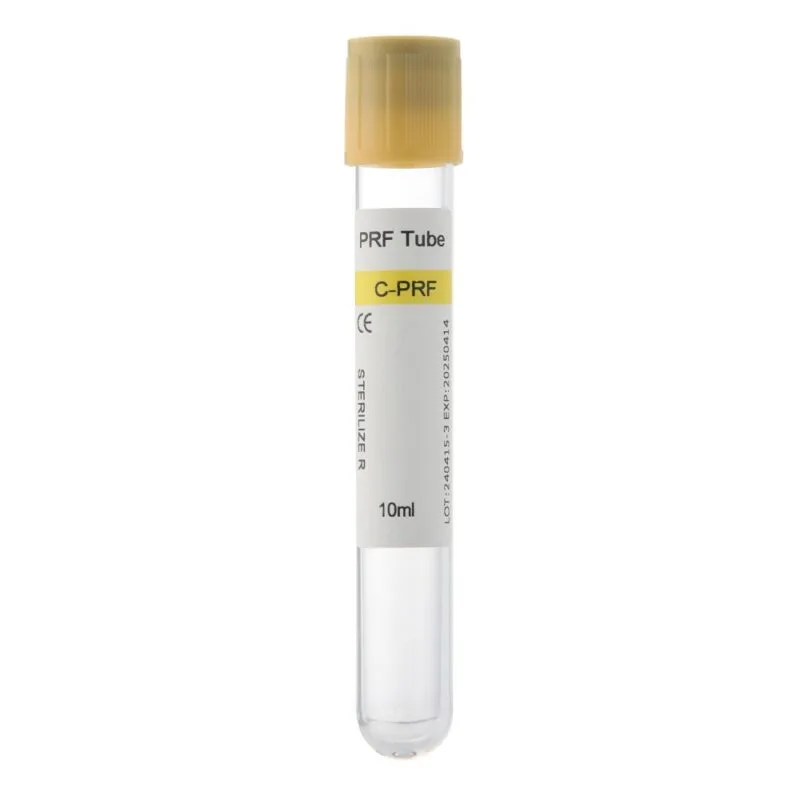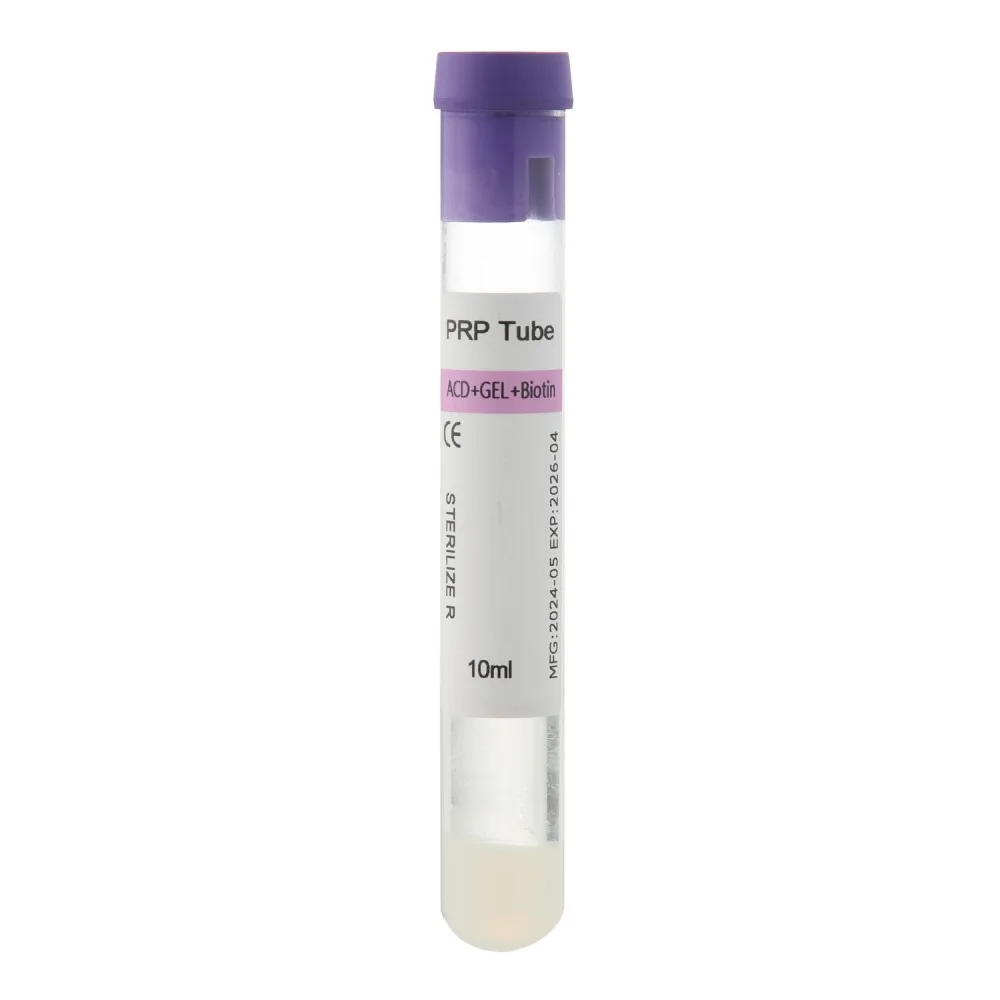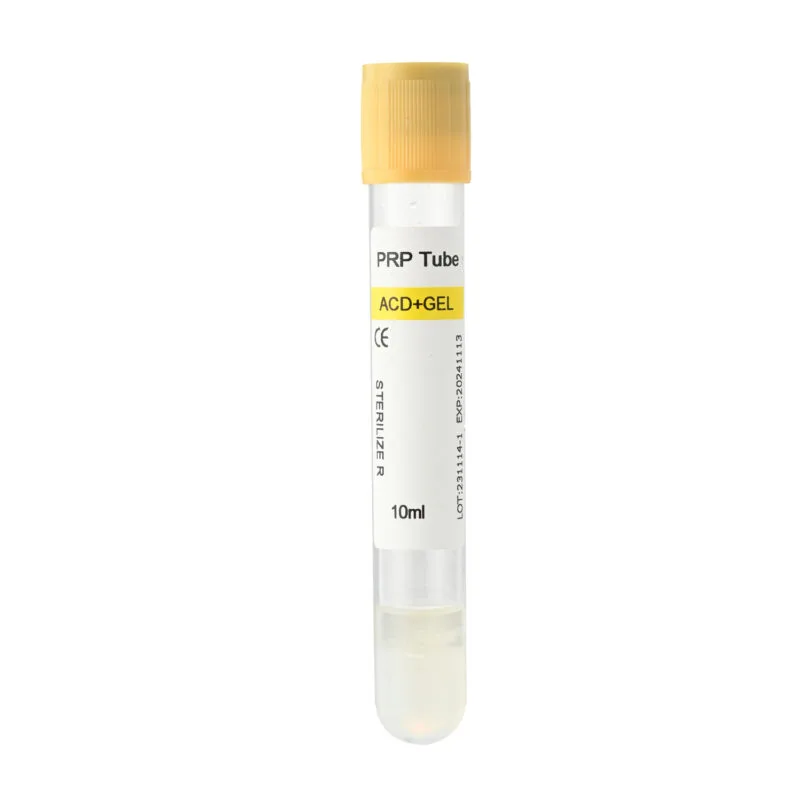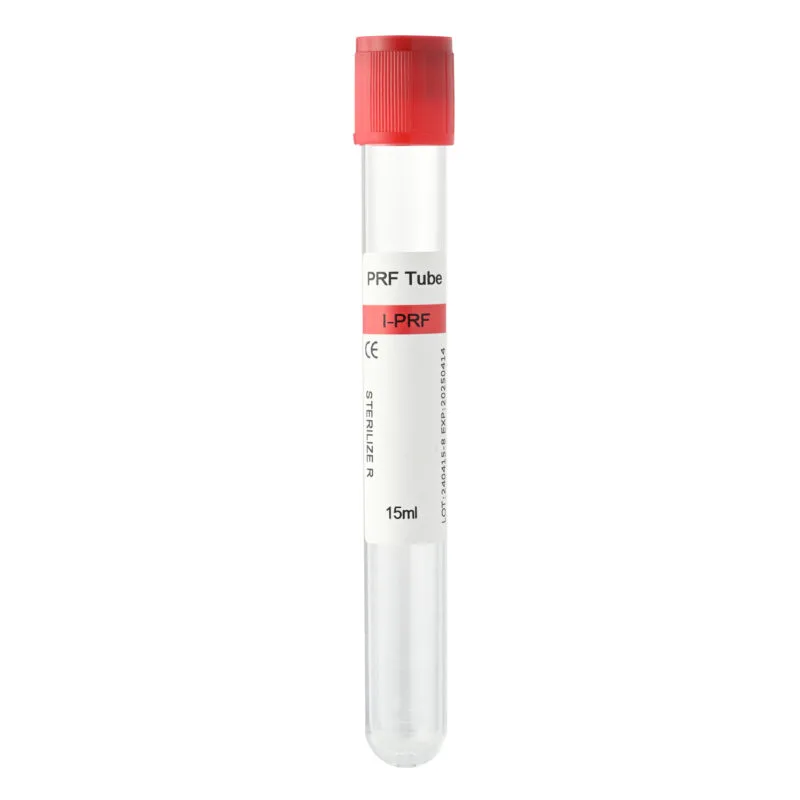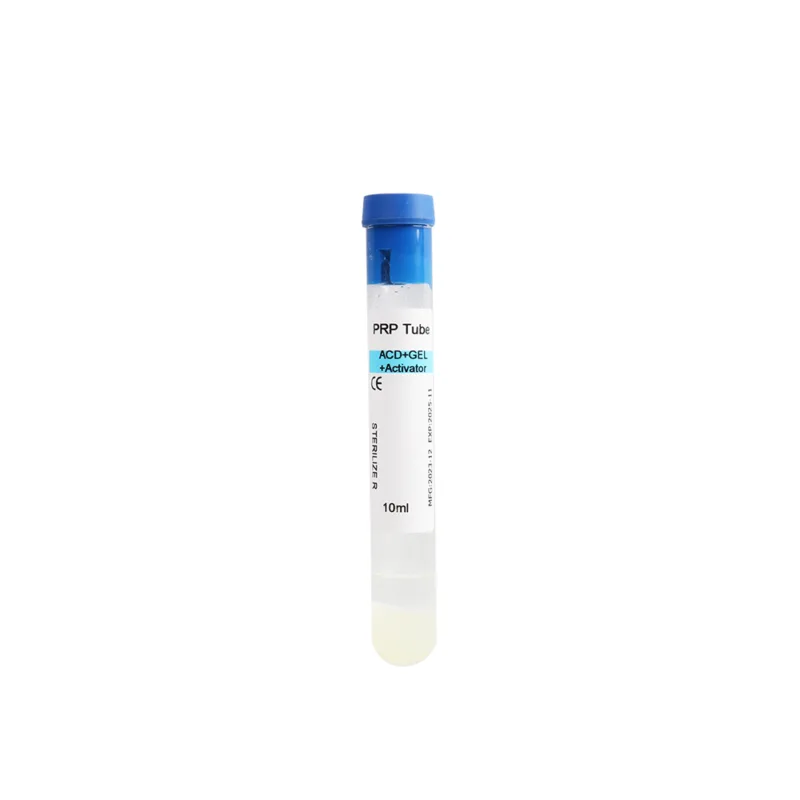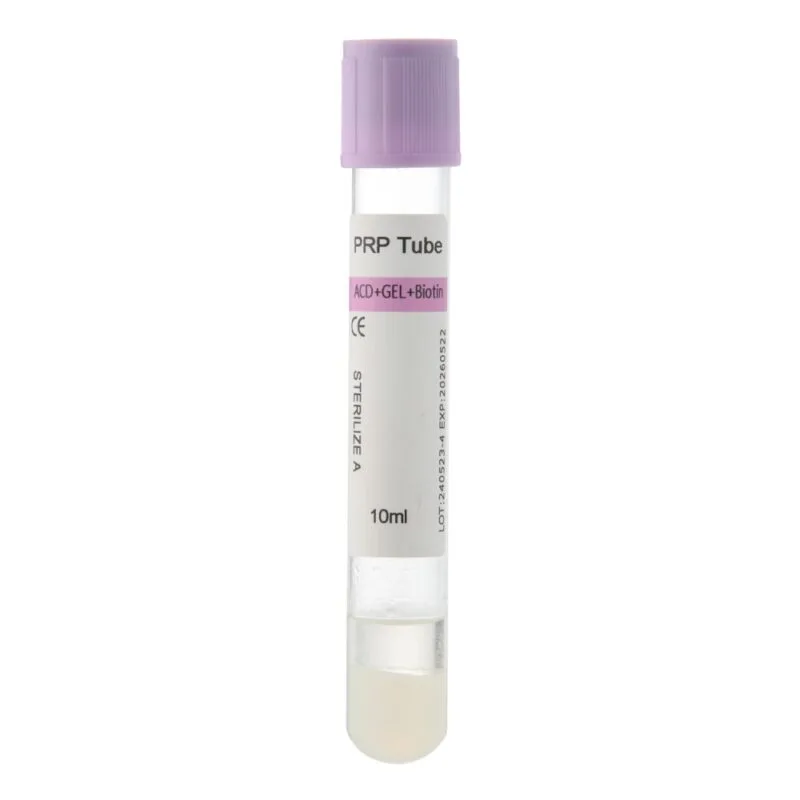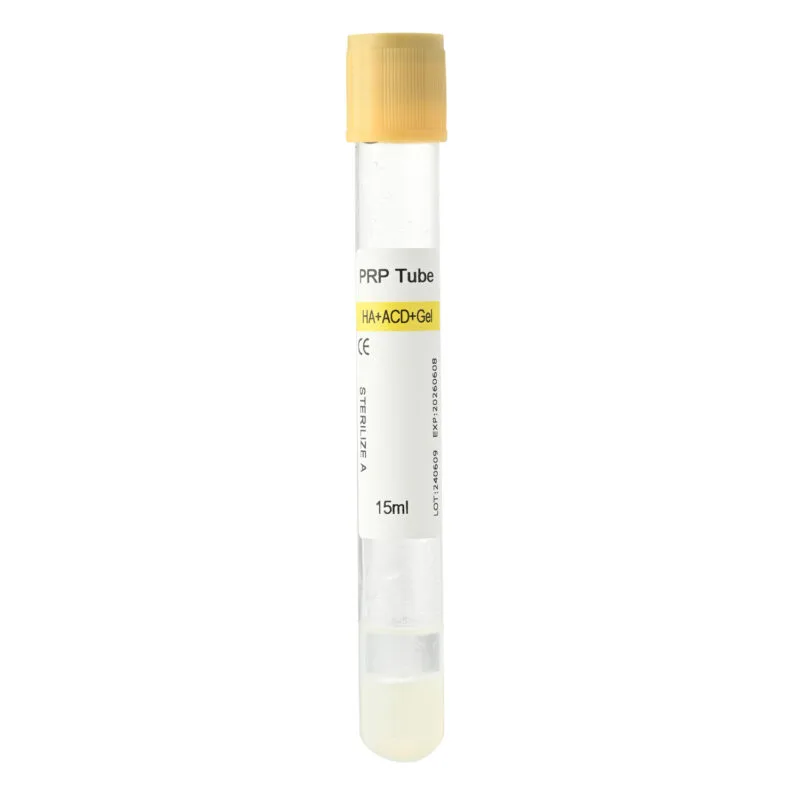
Choosing the right PRP tubes for hair restoration clinics is essential for medical professionals who want a reliable platelet-rich plasma preparation process. As PRP becomes a more familiar option in aesthetic medicine, dermatology, and hair restoration, clinics need collection systems that support consistent handling, practical workflows, and appropriate product quality.
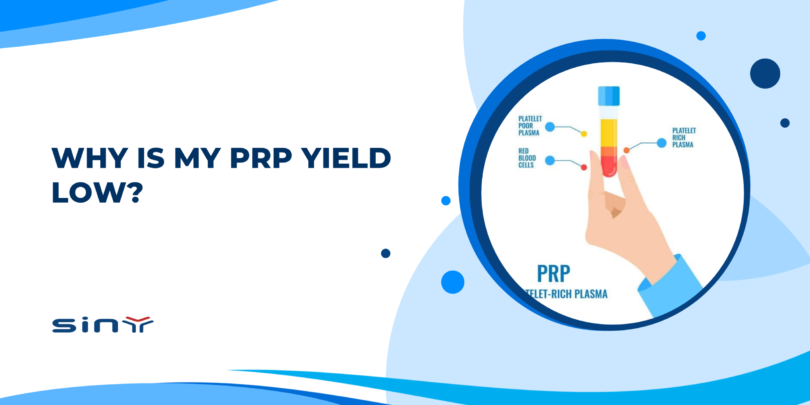
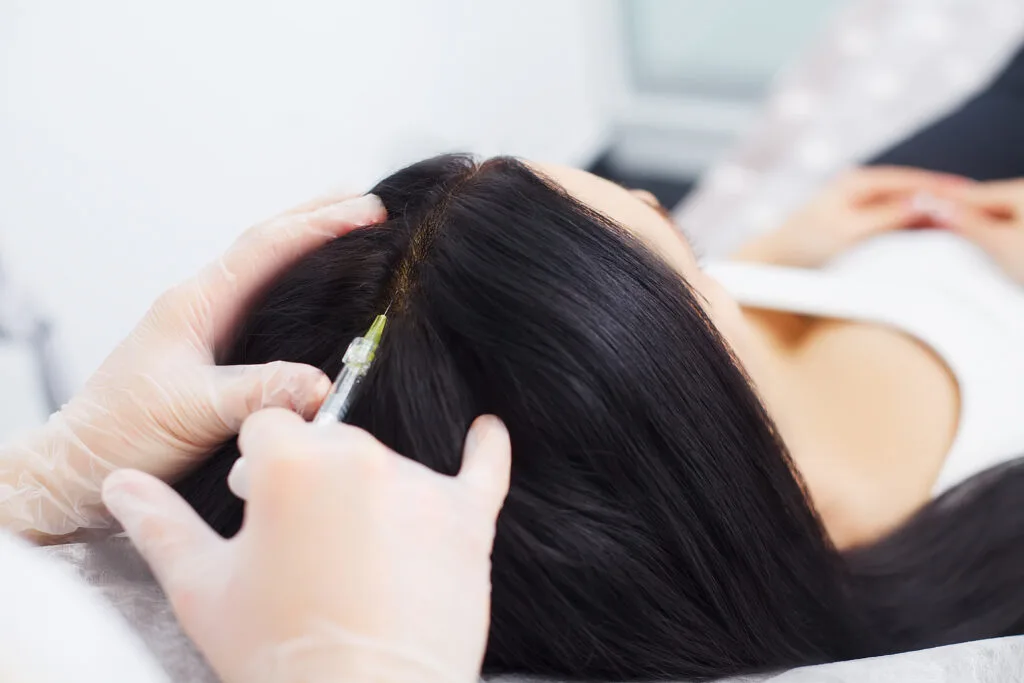
Platelet-rich plasma (PRP) is prepared from a patient’s own blood. Through centrifugation, clinicians separate blood components and collect a plasma fraction enriched with platelets. These platelets contain growth factors involved in cellular signaling and tissue repair.
In hair restoration, PRP has been investigated as a supportive treatment for androgenetic alopecia and certain other hair loss conditions. Research suggests potential benefits for hair density in selected patients. However, outcomes vary, and there is no universally accepted preparation protocol that guarantees improved hair growth.
For purchasing managers, choosing a PRP collection tube involves more than comparing prices or capacities. Material, separation design, platelet recovery, centrifuge compatibility, and supplier reliability all deserve attention.
This guide explains how hair restoration clinics can compare PRP preparation systems, understand important technical differences, and make informed purchasing decisions.
Why PRP Tube Selection Matters in Hair Restoration
The Role of PRP in Hair Treatment
PRP contains platelets and plasma components obtained through controlled blood processing. Platelets release biologically active molecules, including platelet-derived growth factor (PDGF) and vascular endothelial growth factor (VEGF).
These molecules participate in biological processes associated with tissue repair and cellular activity. Researchers have investigated their potential roles in the hair follicle environment.
Some clinical studies have reported improvements in hair density following PRP treatment. Nevertheless, patient responses differ, and factors such as hair loss diagnosis, disease severity, and treatment protocol influence clinical outcomes.
For clinics, the key purchasing consideration is not whether one tube can guarantee better hair growth. Instead, it is whether the collection system supports a suitable and reproducible PRP preparation method.
Why Preparation Consistency Is Important
PRP composition can vary between preparation systems and even between patients using the same equipment.
Several variables contribute to these differences:
- Initial platelet count and patient hematocrit
- Blood collection and handling procedures
- Tube material and separation design
- Centrifugation force and processing time
- Platelet recovery and final plasma volume
- White blood cell and red blood cell content
As a result, two clinics collecting the same amount of blood may obtain different PRP preparations.
Hair restoration treatment plans may involve repeated sessions. Therefore, clinics benefit from a preparation system that staff can use consistently according to an established protocol.
A suitable collection tube supports this process, but the tube alone cannot guarantee a specific platelet concentration or clinical outcome.
Matching the Tube to the Clinic’s Workflow
Hair restoration clinics have different operational requirements.
A smaller dermatology practice may prioritize straightforward handling and compatibility with its existing centrifuge. A high-volume aesthetic clinic may focus on processing efficiency and predictable consumable requirements.
Meanwhile, medical distributors need products with clear technical documentation, reliable packaging, and stable supply arrangements.
Understanding these needs before comparing products helps buyers avoid choosing a tube based only on its advertised features.
Key Features of PRP Tubes for Hair Restoration Clinics
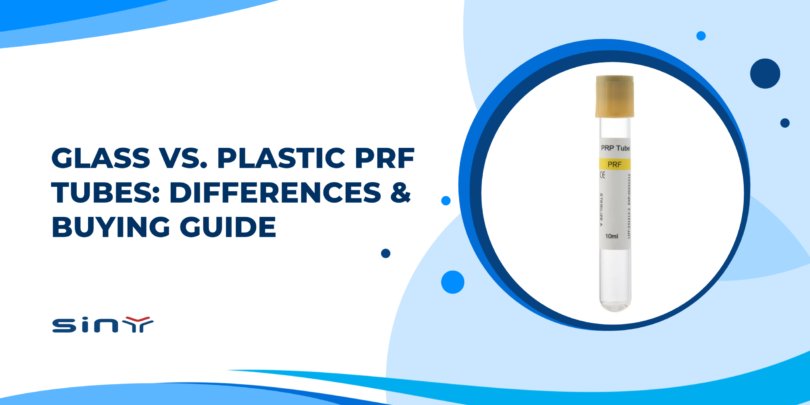
Glass vs. Plastic PRP Tubes
PRP collection tubes commonly use glass or medical-grade plastic materials, including polyethylene terephthalate (PET).
Glass PRP tubes offer a rigid structure and clear visibility of the blood sample. However, glass surfaces may influence platelet activation and interactions involved in coagulation.
Surface treatment and tube formulation can affect these interactions. Therefore, glass should not automatically be considered better for PRP preparation.
Plastic PRP tubes are lightweight and less likely to break during routine handling. Their surface properties differ from those of glass, which may influence interactions with blood components.
The appropriate material depends on the complete preparation system, its intended use, and the manufacturer’s supporting information.
For buyers, the important question is whether the material is suitable for the required PRP protocol, not simply whether the tube is glass or plastic.
Gel vs. Non-Gel Separation Systems
Another important difference is the separation design.
Gel PRP tubes contain a barrier material intended to assist blood component separation during centrifugation. Depending on the system, the gel can help establish a physical boundary between certain separated fractions.
This may simplify sample handling and collection of the intended plasma layer.
However, not every gel-containing blood collection tube is suitable for PRP preparation. Gel formulations and their effects on platelet recovery differ. Clinics should only use systems intended and appropriately validated for the selected procedure.
Non-gel PRP tubes rely on centrifugation and controlled collection techniques without a gel barrier.
These systems may provide flexibility for protocols requiring particular plasma fractions or additional processing steps. Nevertheless, operators must follow the specified preparation method to avoid collecting unwanted blood components.
Neither approach is universally superior for hair restoration. Buyers should compare the actual preparation requirements and available performance information.
Blood Collection Capacity
Collection capacity affects how many tubes a clinic may need for a procedure.
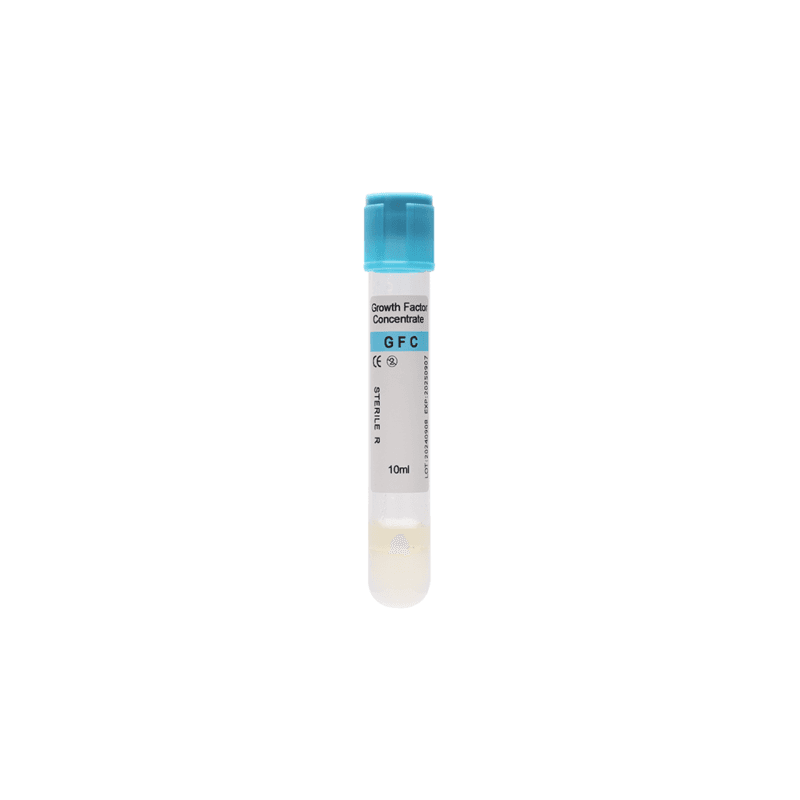
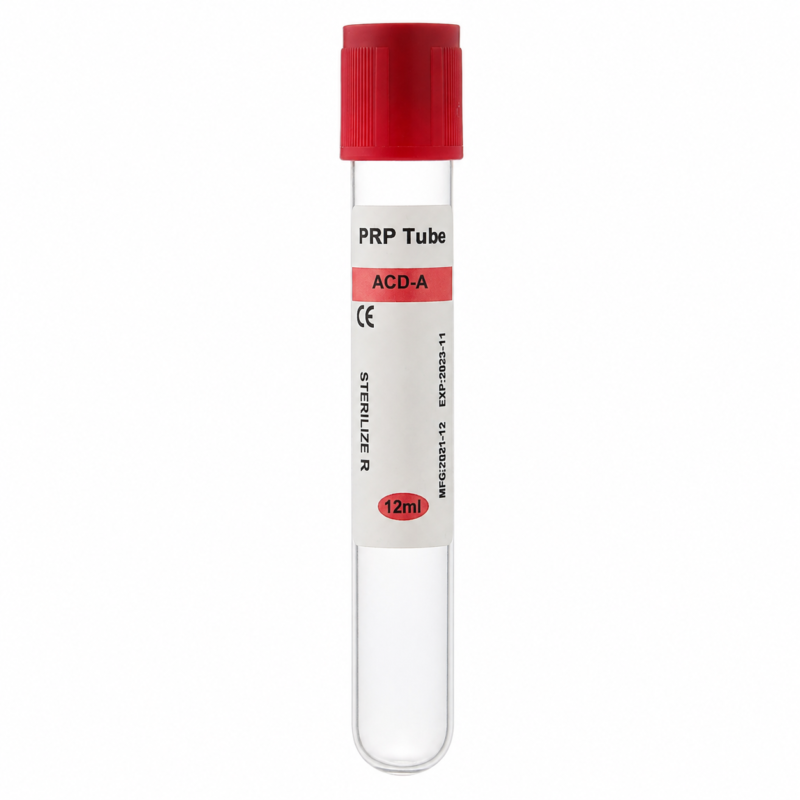
PRP tubes are available in various capacities, including 5 mL, 10 mL, 12 mL, and 15 mL, although the available options depend on the supplier.
A larger tube does not necessarily produce a proportionally larger amount of usable PRP.
Final yield depends on the patient’s blood composition, processing method, separation efficiency, and volume collected after centrifugation.
Therefore, clinics should calculate the intended PRP volume first and then select a suitable blood collection system.
This approach can reduce unnecessary consumable use and improve purchasing efficiency.
Standard and Specialized PRP Formulations
Some PRP systems contain additives used to support blood processing. Others incorporate separation gel or specialized formulation components.
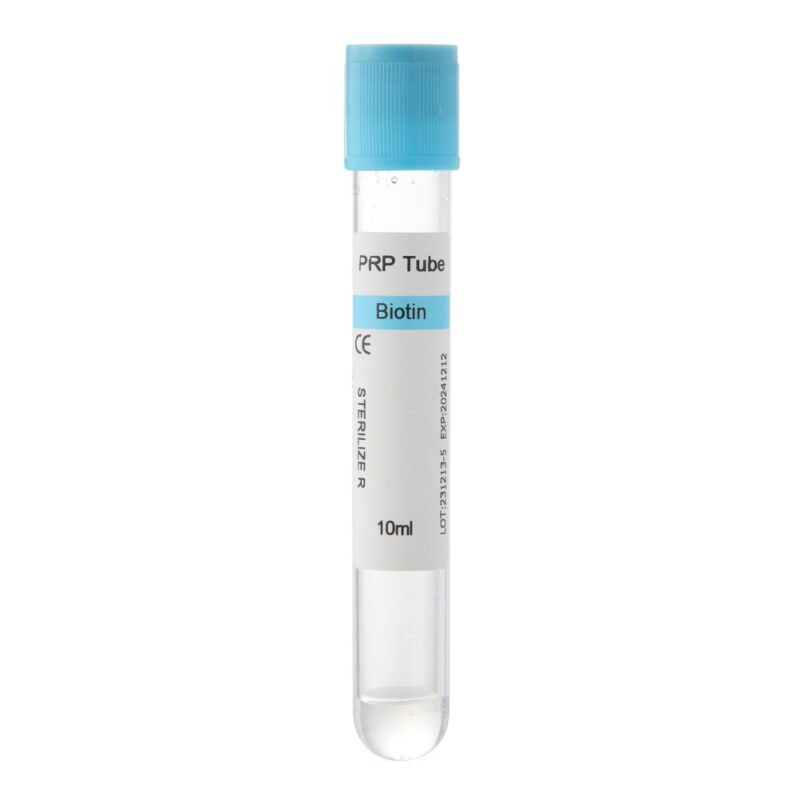
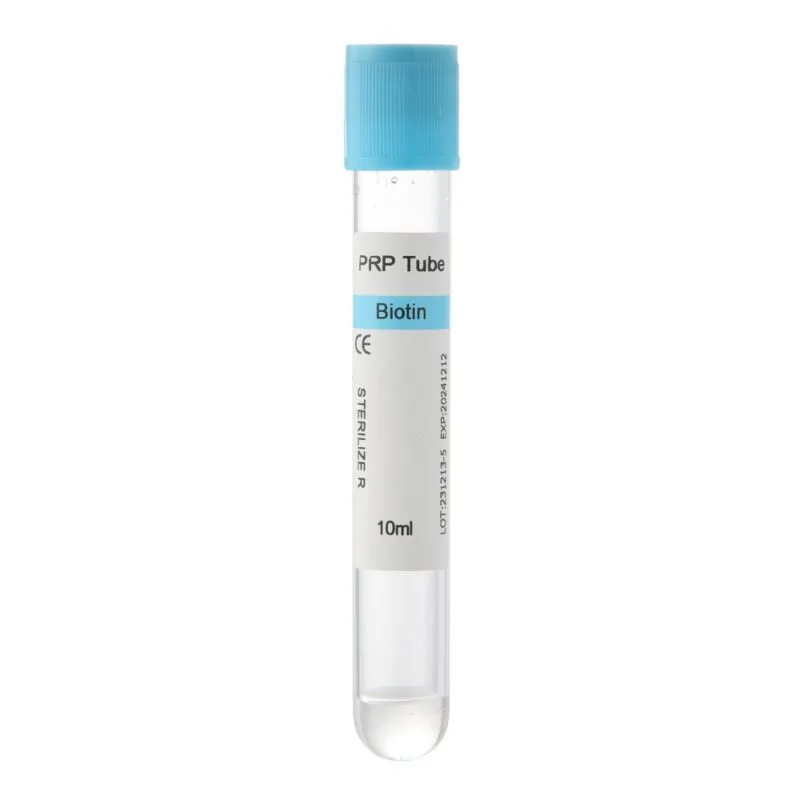
Products containing ingredients such as biotin are also available for the aesthetic medicine market.
However, an additional ingredient does not automatically improve hair restoration results. Evidence supporting conventional PRP therapy cannot be used to establish the effectiveness of every specialized tube formulation.
Before purchasing, clinics should review ingredient information, product labeling, intended use, and any relevant safety or performance documentation.
They should also confirm whether the selected formulation is appropriate for their clinical protocol and local regulatory requirements.
How to Evaluate PRP Preparation Performance and Centrifuge Compatibility
Platelet Concentration vs. Platelet Recovery
Platelet concentration is an important characteristic of PRP, but it should not be the only measure of preparation quality.
Platelet concentration describes the number of platelets present in a given volume of the final plasma preparation.
Platelet recovery refers to the proportion of the original platelets retained in the collected PRP fraction.
For example, a system may produce a highly concentrated preparation by reducing plasma volume while recovering only a limited proportion of the original platelets.
Therefore, clinics should examine both concentration and recovery information when these data are available.
The final PRP volume and total platelet dose may also be relevant to a specific protocol.
Importantly, a higher platelet concentration does not necessarily produce better hair restoration outcomes. Current evidence has not established one universally optimal concentration for every patient or treatment method.
Red Blood Cells and Leukocyte Content
The composition of the final PRP preparation matters as much as its platelet count.
Red blood cell contamination can occur when the collected fraction includes unwanted material from the red blood cell layer.
A suitable separation method should help operators collect the intended plasma fraction accurately.
PRP preparations also differ in their white blood cell content.
Leukocyte-rich PRP contains relatively more white blood cells, while leukocyte-poor PRP contains fewer.
These preparations may differ in biological activity and inflammatory signaling. However, available evidence does not establish one universally superior leukocyte profile for all hair restoration procedures.
Clinics should select a system that matches their intended PRP composition rather than assuming that more platelets or fewer white blood cells always produce better results.
Single-Spin vs. Double-Spin Processing
PRP preparation generally involves one or two centrifugation stages.
Single-spin systems use one centrifugation cycle to separate blood components and obtain the intended plasma fraction.
This approach can simplify workflow when supported by a validated tube system.
Double-spin methods use an additional centrifugation stage to further process the separated plasma. Depending on the protocol, this may increase platelet concentration or change the final preparation volume.
However, additional processing also introduces handling requirements.
Clinics should evaluate both approaches according to their preparation objectives, infection-control procedures, and equipment capabilities.
Understanding RCF and RPM
Centrifuge compatibility is one of the most important technical checks before purchasing new PRP tubes.
Manufacturers may describe processing conditions using RPM or RCF.
- RPM (Revolutions Per Minute): The rotational speed of the centrifuge.
- RCF (Relative Centrifugal Force): The centrifugal force applied to the sample, expressed as multiples of gravity (× g).
RCF depends on both rotational speed and rotor radius. Consequently, two centrifuges operating at the same RPM may generate different forces.
Before purchasing, clinics should confirm tube dimensions, rotor and adapter compatibility, processing instructions, and the required RCF range.
They should follow the validated instructions for the complete preparation system instead of applying generic centrifuge settings to an unfamiliar product.
Comparing PRP Tube Options for Hair Restoration Practices
Different tube designs address different preparation requirements. Rather than selecting products by appearance or price, clinics should evaluate the practical differences.
PRP Tube Comparison Guide
| Selection Factor | Available Options | What Buyers Should Evaluate |
|---|---|---|
| Tube Material | Glass or plastic | Material suitability, handling, and validated protocol |
| Separation Design | Gel or non-gel | Fraction separation, collection method, and processing steps |
| Collection Capacity | Different blood collection volumes | Required blood volume and expected PRP yield |
| Preparation Method | Single-spin or double-spin systems | Centrifuge compatibility, handling time, and desired composition |
| PRP Composition | Different platelet and leukocyte profiles | Available performance data and clinical protocol |
| Formulation | Standard or specialized additives | Ingredient information, intended use, and supporting evidence |
| Product Quality | Varies by manufacturer | Documentation, traceability, packaging, and applicable requirements |
These factors should be evaluated together. A glass tube can contain separation gel, while a plastic tube may use either a gel or non-gel design.
Similarly, tube capacity does not determine the number of centrifugation stages.
Which Option Is Suitable for a Busy Clinic?
For a high-volume hair restoration practice, workflow efficiency is an important consideration.
A preparation system with a clearly defined collection procedure may help staff maintain consistent operations.
However, a shorter processing time does not automatically indicate better preparation quality.
Clinics should first confirm product suitability and then compare the operational benefits.
For example, a validated gel-based system may reduce certain manual separation steps. A non-gel system may be more appropriate when the clinic follows a specific preparation method requiring controlled fraction collection.
The best option is the one that fits the clinic’s established procedures without compromising appropriate handling or product quality.
Comparing Standard PRP with Specialized Hair Treatment Tubes
Specialized PRP products sometimes attract attention because they are marketed for aesthetic or hair-related applications.
Nevertheless, purchasers should separate marketing descriptions from documented product characteristics.
A tube containing a particular additive should not be assumed to provide additional hair growth benefits unless appropriate evidence supports that claim.
When comparing products, clinics can request formulation details, intended-use information, and relevant performance data.
This helps buyers assess the product itself rather than relying on promotional descriptions.
A Practical PRP Tube Purchasing Checklist for Hair Restoration Clinics
Once a clinic identifies its preferred preparation method, the next step is evaluating suppliers.
The following purchasing process can help medical professionals and distributors make informed decisions.
Step 1: Confirm the Clinical and Equipment Requirements
Start by reviewing the clinic’s established PRP preparation protocol.
Identify the intended collection volume, required processing method, expected final PRP volume, and equipment specifications.
Then confirm that the proposed tubes are compatible with the centrifuge rotor, adapters, and processing conditions.
This avoids purchasing products that require unplanned equipment changes.
Step 2: Review Quality and Product Documentation
Request relevant technical information from the supplier before ordering.
Important documents and details may include:
- Product specifications and intended use
- Instructions for use
- Sterility status and related information, where applicable
- Lot identification and traceability
- Shelf life and storage conditions
- Packaging information
- Applicable quality and regulatory documentation
Documentation requirements vary by country, regulatory classification, and intended medical application.
Buyers should verify which documents are necessary for their market rather than assuming that every PRP collection tube has identical approvals or certifications.
Step 3: Evaluate Samples Before Bulk Orders
Sample evaluation can reveal practical differences that product photographs cannot show.
Clinics can inspect tube construction, labeling, packaging integrity, handling characteristics, and centrifuge compatibility.
Where appropriate, trained personnel may also evaluate preparation performance under an approved protocol.
Relevant measurements can include platelet concentration, recovery, final volume, and unwanted cellular components.
Visual appearance alone cannot confirm PRP quality. Any performance comparison should use suitable laboratory methods and consistent testing conditions.
Step 4: Calculate the Complete Cost Per Procedure
The lowest tube price does not always produce the lowest operating cost.
Clinics should consider the number of tubes used per treatment, required blood collection supplies, transfer components, and other consumables.
Additional factors include staff handling time, inventory management, and product waste.
For example, a clinic that performs frequent PRP procedures may benefit from a supply arrangement that matches its actual monthly demand and storage capacity.
A complete cost comparison provides a clearer picture than unit price alone.
Step 5: Assess Long-Term Supplier Reliability
Hair restoration clinics often require recurring orders. As a result, purchasing teams should look beyond a single shipment.
Evaluate the supplier’s ability to provide consistent product information, clear lot identification, appropriate packaging, and dependable order communication.
For distributors, stable supply arrangements are particularly important when serving multiple clinics.
Changes in tube design, formulation, or preparation instructions may require additional assessment before a clinic continues using the product.
Final Purchasing Checklist
Before confirming an order, buyers should be able to answer five questions:
- Is the tube intended and suitable for the clinic’s PRP preparation method?
- Is it compatible with the existing centrifuge and accessories?
- Are the relevant product specifications and documents available?
- Has the clinic evaluated the required workflow and total consumable costs?
- Can the supplier support consistent repeat purchasing?
A clear answer to these questions provides a stronger basis for procurement than relying on price or advertised platelet concentration alone.
Frequently Asked Questions
1. What are the best PRP tubes for hair restoration?
The best option depends on the clinic’s preparation protocol, desired PRP composition, and equipment compatibility. Clinics should prioritize suitable product quality, clear processing instructions, and reliable supplier documentation.
2. Are gel PRP tubes better than non-gel tubes?
Not necessarily. Gel systems may simplify certain separation steps, while non-gel systems support different processing approaches. Neither design is universally superior for hair restoration. The choice depends on the intended preparation method.
3. What size PRP tube should a hair restoration clinic use?
Available tube capacities vary by manufacturer. Clinics should select a suitable collection volume based on their intended PRP yield and established clinical protocol. The collected blood volume should not be confused with the final PRP volume.
4. Does a higher platelet concentration improve hair growth?
Not always. Platelet concentration is only one characteristic of PRP. Clinical outcomes also depend on patient factors, preparation methods, and treatment protocols. No universal platelet concentration guarantees better hair restoration results.
5. Can biotin-containing PRP tubes improve hair restoration outcomes?
Biotin-containing tubes represent a specialized product formulation. However, adding biotin to PRP has not been conclusively shown to improve hair growth compared with conventional PRP preparations. Buyers should review product-specific evidence before making clinical claims.
6. Can PRP tubes be used with any centrifuge?
No. Clinics must verify tube dimensions, rotor compatibility, processing requirements, and applicable manufacturer instructions. Different centrifuges may generate different centrifugal forces at the same RPM.
7. What should clinics check before purchasing PRP tubes in bulk?
Clinics should review product suitability, sample quality, technical documentation, shelf life, packaging, and supplier reliability. They should also estimate their expected usage to avoid unnecessary inventory.
8. How can medical distributors choose a reliable PRP tube supplier?
Distributors should evaluate manufacturing and quality-control information, product consistency, traceability, technical communication, and the availability of relevant documentation. Reliable repeat supply is also important for long-term business relationships.
Choosing the Right PRP Tube Supplier for Your Hair Restoration Business
Selecting PRP tubes for hair restoration clinics requires careful consideration of preparation methods, product materials, centrifuge compatibility, and purchasing requirements. No single tube design is suitable for every medical practice. By evaluating product quality, preparation performance, and long-term supply needs, clinics and distributors can choose collection systems that better support their established workflows.
At Siny PRP, we supply PRP collection tubes for professional medical and aesthetic applications, including standard and specialized tube options. Our goal is to help clinics, distributors, and international buyers identify products that match their purchasing requirements. Explore our PRP tube products or contact Siny PRP to discuss available options, product details, and supply solutions for your hair restoration business.