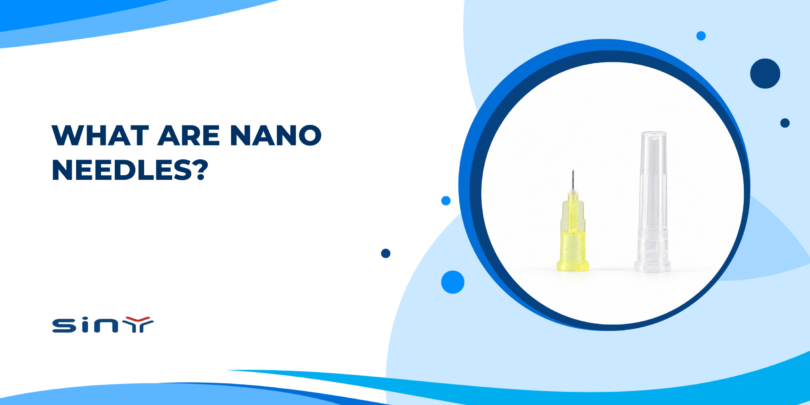
Nano Needles are ultra-fine injection needles used in aesthetic procedures that require precise placement, controlled delivery, and careful handling. In professional aesthetic medicine, practitioners often work with delicate treatment areas where needle selection can influence injection resistance, procedural control, and patient comfort.
However, the term “nano needle” does not describe a universally standardized medical needle category. Manufacturers may use it for fine-gauge injection needles, specialized aesthetic needles, or superficial skincare cartridges. These products can differ considerably in construction and intended use.
For clinics offering PRP treatments, mesotherapy-style procedures, and other injectable aesthetic services, understanding these differences is essential. A needle that works well for one preparation or technique may not be suitable for another.
This guide focuses on ultra-fine hollow injection needles used by trained aesthetic professionals. It explains their structure, applications, differences from other needle systems, and the practical factors that clinics and distributors should consider before purchasing.
What Are Nano Needles and How Do They Work?
A nano injection needle operates on the same basic principle as a conventional hypodermic needle. Its hollow metal shaft provides a pathway through which an appropriate injectable material can pass into the intended tissue.
The main difference lies in the emphasis on fine dimensions and precise handling. These characteristics can be useful when practitioners need to work with small treatment areas or perform multiple carefully controlled injections.
Understanding Fine Needle Construction
Several components influence how an ultra-fine needle performs.
Needle gauge describes the outside diameter according to a standardized numbering system. In general, a higher gauge number indicates a smaller outside diameter. However, the gauge alone does not tell the complete story.
The inner lumen, or internal opening, determines how much space is available for fluid movement. Two needles with similar outside diameters may have different internal dimensions because of their wall construction.
This difference matters when a practitioner needs to deliver a preparation through a narrow needle.
As the internal diameter becomes smaller, resistance to fluid flow generally increases. The effect also depends on the material’s viscosity, needle length, and injection rate.
For example, a low-viscosity injectable preparation may pass relatively easily through a fine needle. A thicker material may require greater injection force or a different needle configuration.
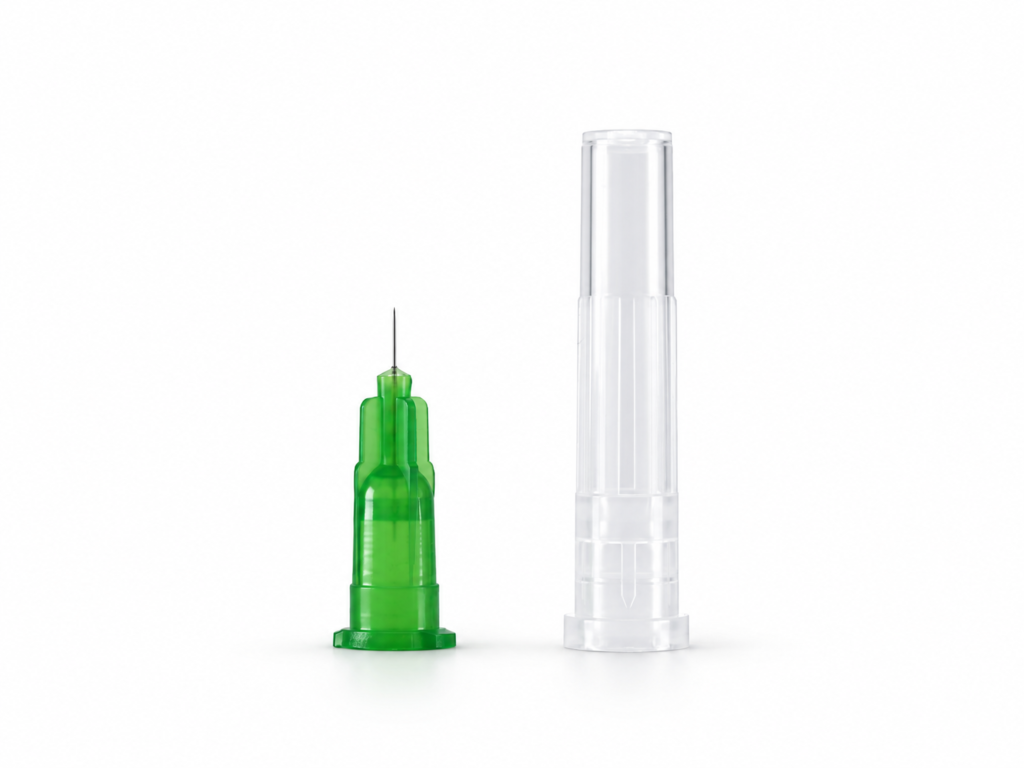
Needle tip geometry is another important consideration. The bevel design, sharpness, and manufacturing consistency can influence penetration characteristics and handling.
Finally, the hub connects the needle to the syringe. A secure, compatible connection helps maintain stability during preparation and administration.
These characteristics work together. Choosing a needle based only on its advertised fineness can therefore overlook several factors that affect practical performance.
Does Nano Mean Nanometer-Sized?
Despite the name, commercially described nano injection needles are not necessarily measured in nanometers.
In aesthetic product marketing, “nano” often communicates an especially fine or precision-oriented design. It should not be treated as a substitute for actual dimensional specifications.
Professional buyers should confirm the gauge, length, internal dimensions where available, and intended use before making a purchasing decision.
Why Are Ultra-Fine Needles Used in Aesthetic Treatments?
Aesthetic procedures frequently involve areas where anatomical awareness, controlled placement, and patient experience are important.
Fine-gauge needles can support certain injection techniques by providing a relatively small puncture profile. However, their suitability depends on the treatment rather than on needle diameter alone.
Precision in Facial Aesthetic Procedures
Facial treatments may involve the forehead, cheeks, temples, or other areas with different tissue characteristics.
Some techniques require small injection volumes and carefully controlled placement. In these situations, practitioners may select fine needles that match the intended depth and delivery method.
The benefit is not simply that the needle is thinner. An appropriate needle configuration should also allow the practitioner to maintain control without excessive injection resistance.
For delicate facial regions, anatomical knowledge and proper technique remain essential. A smaller needle does not eliminate the risk of bruising, vascular injury, infection, or other injection-related complications.
Patient Comfort During Repeated Injections
Patient comfort is another reason practitioners consider fine-gauge needles.
A smaller outside diameter may reduce certain mechanical effects associated with needle penetration. Nevertheless, discomfort also depends on injection location, technique, injection speed, material characteristics, and individual sensitivity.
For procedures involving multiple injection points, these factors become especially relevant.
An excessively narrow needle can create greater resistance when delivering a viscous preparation. As a result, the practitioner may need to apply more force, which can affect procedural control.
Therefore, the most appropriate needle is not always the finest available option.
Applications in Scalp and Skin Treatments
Scalp procedures and some skin-focused injection techniques may involve multiple localized injection sites.
Depending on the treatment protocol, practitioners may use fine needles to administer suitable preparations into selected tissue layers.
These techniques differ from microneedling, which generally uses multiple needles to create controlled skin punctures rather than delivering material through a single hollow needle.
For clinics offering several aesthetic services, understanding the differences helps ensure that the correct consumables are selected for each procedure.
The goal is to match the device to the clinical technique, not to use the same needle across every treatment.
Nano Needles vs. Microneedling and Other Aesthetic Needles
The aesthetic consumables market includes several products with similar names but different functions.
A hollow injection needle, a microneedling cartridge, and a nano infusion tip may all appear in beauty equipment catalogs. However, they should not be treated as interchangeable.
The following comparison highlights their main differences.
| Needle Type | Structure | Main Function | Common Application |
|---|---|---|---|
| Nano Injection Needle | Ultra-fine hollow metal needle | Delivers suitable injectable materials | Precision aesthetic injections |
| Conventional Fine Needle | Hollow metal needle | Provides controlled injection | Medical and aesthetic procedures |
| Microneedling Cartridge | Multiple solid or specialized needles | Creates controlled skin punctures | Professional microneedling |
| Nano Infusion Tip | Short projections or superficial tips | Supports surface-level cosmetic application | Non-injection skincare procedures |
| Multi-Pin Injection Head | Multiple hollow needles | Enables multiple injection points | Selected mesotherapy-style techniques |
Injection Needles vs. Microneedling Cartridges
The most important difference is how the devices interact with the skin.
A hollow injection needle delivers a material through its internal lumen. The practitioner controls the injection according to the procedure, intended tissue, and preparation being administered.
A conventional microneedling cartridge works differently. It uses multiple needles to create controlled punctures in the skin.
These punctures may form part of a professional skin treatment protocol, but the device does not necessarily inject material through hollow needles.
Some specialized systems combine needling with delivery mechanisms. Their functions must be assessed according to the actual device design.
What About Nano Infusion?
Nano infusion is another commonly used term in aesthetic skincare.
Many nano infusion systems use short silicone or metal projections designed primarily for superficial skin interaction and cosmetic product application.
These systems are generally marketed differently from conventional injection needles. Their depth, mechanism, and intended purpose can vary by manufacturer.
Consequently, buyers should not assume that a product advertised as a nano tip can perform the same function as a hollow injection needle.
Are Nano and Micro Needles the Same?
The terms can overlap in commercial usage, but they are not automatically equivalent.
“Micro needle” may refer broadly to small needles or to components used in microneedling systems. “Nano needle” may describe a particularly fine injection needle or a superficial cosmetic tip.
Neither term alone provides enough information to establish the device’s dimensions, clinical suitability, or regulatory classification.
The safest purchasing approach is to examine the actual needle structure, specifications, and intended use rather than relying on the marketing name.
How to Choose Fine Needles for Professional Aesthetic Use
Selecting the right needle requires a balance between precision, flow characteristics, handling, and compatibility.
For aesthetic clinics and distributors, the purchasing process should begin with the intended procedure.
Match the Needle to the Treatment
Different aesthetic procedures involve different injection techniques.
Some require small volumes delivered into relatively superficial tissue. Others involve deeper placement or preparations with different physical characteristics.
A needle suitable for one technique may be inappropriate for another.
Before selecting a product, clinics should identify the intended treatment area, injection depth, material characteristics, and delivery method.
The practitioner should then determine whether the needle design supports the approved or otherwise clinically appropriate procedure.
Common Needle Gauges for PRP Injections
Needle selection in PRP treatments depends on the injection site, preparation characteristics, and clinical technique. Published aesthetic PRP studies describe the use of fine-gauge needles, including 30G and 32G, although practices vary between protocols.
For professional buyers, the following specifications provide a practical reference.
| Needle Gauge | Nominal Outer Diameter | PRP Application Reference |
|---|---|---|
| 30G | 0.30 mm | Documented in facial and scalp PRP injection protocols |
| 31G | 0.25 mm | Intermediate fine-gauge option requiring protocol-specific evaluation |
| 32G | 0.23 mm | Documented in selected aesthetic PRP injection protocols |
Short needles, including 4 mm and 6 mm, may be considered in certain superficial injection techniques. However, length should be selected according to the intended tissue depth, anatomy, and clinical protocol.
These dimensions represent product specifications and clinical reference points, not universal recommendations for PRP administration.
Although finer configurations are available, a smaller needle diameter does not necessarily provide better treatment performance. Very narrow internal lumens can increase injection resistance, especially when the preparation has higher viscosity.
For this reason, clinicians should consider both the outside diameter and the internal flow characteristics before selecting a needle.
Consider Gauge and Flow Resistance
Needle gauge is one of the most visible specifications, but it should never be evaluated independently.
As the needle becomes finer, its internal opening may also become smaller. This can increase the force required to deliver material.
Needle length contributes to resistance as well. Under otherwise comparable conditions, a longer, narrow needle generally creates more flow resistance than a shorter one.
For low-viscosity preparations, a fine needle may provide an appropriate balance between controlled delivery and a small puncture profile.
For thicker materials, a larger internal opening may be necessary.
Flow performance should always be considered alongside needle diameter.
This is particularly important when comparing different manufacturers. Two products with the same gauge may not provide identical flow characteristics if their internal dimensions differ.
Evaluate Needle Length and Handling
Needle length influences how the practitioner accesses the intended treatment area.
A shorter needle may be useful for certain superficial injection techniques, while other procedures require different lengths.
However, length does not independently determine injection depth. Actual placement depends on the insertion technique, angle, anatomy, and clinical protocol.
Handling characteristics also matter.
A well-matched needle and syringe combination should support controlled movement without unnecessary instability or connection problems.
For clinics performing frequent aesthetic injections, consistency between batches can be just as important as the nominal specifications.
Check Quality and Packaging
Disposable aesthetic needles must meet appropriate quality and safety requirements for their intended use.
Important purchasing considerations include:
- Tip quality: Consistent bevel geometry and manufacturing finish.
- Needle integrity: Appropriate shaft construction without visible defects.
- Hub connection: Compatibility with the intended syringe system.
- Sterility: Validated sterile condition when required for the intended use.
- Packaging integrity: Protective packaging that maintains the specified condition until use.
- Traceability: Clear identification of lot number and expiry date.
- Documentation: Applicable technical and regulatory information for the destination market.
A needle’s appearance alone cannot establish its quality.
For distributors, supplier evaluation should also consider manufacturing consistency, documentation availability, packaging requirements, and the ability to maintain reliable supply.
Choose Products Based on Actual Demand
Aesthetic clinics often use more than one needle configuration because their procedures differ.
Distributors should consider which treatments their customers perform most frequently and which needle types are compatible with those workflows.
Rather than building a catalog around numerous similar product names, a more practical approach is to organize products by function.
This may include fine injection needles, blunt-tip microcannulas, multi-pin injection systems, and microneedling accessories.
Each category addresses a different procedural requirement.
Such an approach helps buyers compare products more effectively and reduces the risk of selecting an unsuitable device based on terminology alone.
The Role of Precision Needles in PRP Treatments
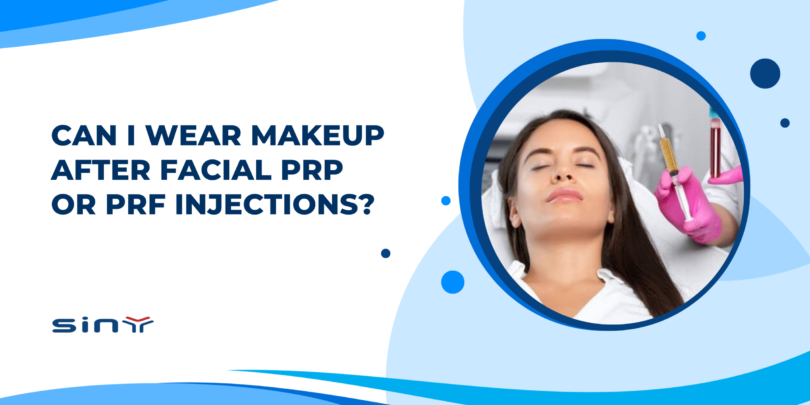
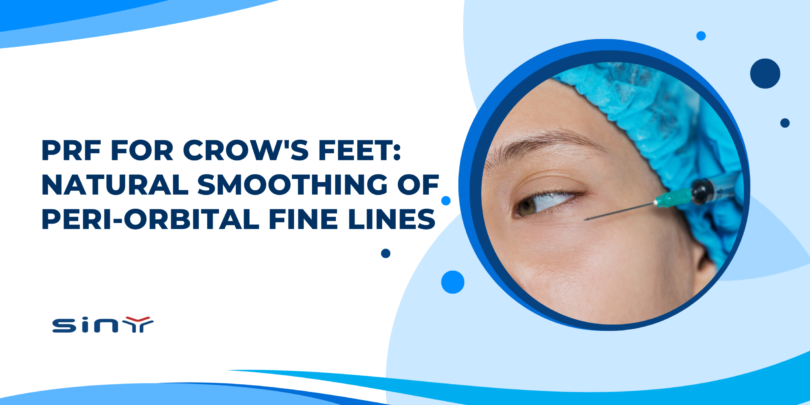
Platelet-rich plasma treatments are widely discussed in aesthetic medicine, particularly in relation to facial rejuvenation and hair restoration.
However, PRP is not a single standardized injection procedure. Preparation methods, final product characteristics, treatment areas, and administration techniques can differ.
For this reason, needle selection must reflect the actual clinical protocol.
Why PRP Preparation Matters
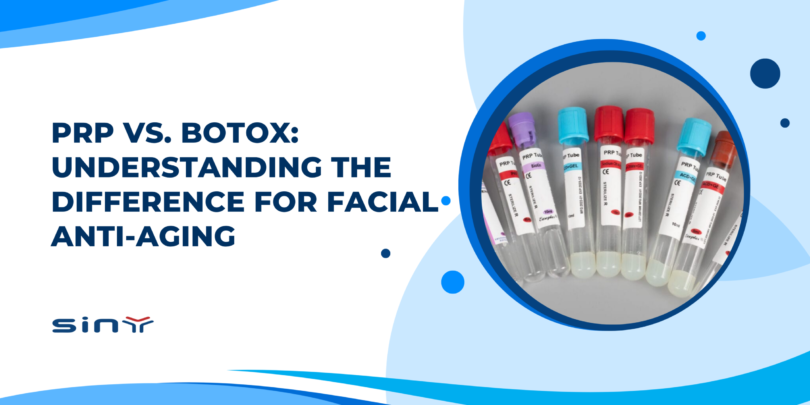
PRP is prepared from a patient’s own blood through a process intended to concentrate platelets within a plasma fraction.
The resulting preparation may differ in platelet concentration, cellular composition, and physical characteristics depending on the collection and processing system.
These differences can influence how the material behaves during administration.
A relatively low-viscosity preparation may flow differently from a preparation with greater cellular content or one that has begun forming a fibrin network.
Beyond viscosity and flow resistance, practitioners should also consider the potential effects of mechanical stress on platelet integrity.
Very narrow needle lumens, particularly when combined with high injection flow rates, may expose platelet preparations to increased shear forces. However, the actual biological impact depends on needle geometry, preparation characteristics, and injection conditions.
The use of a fine-gauge needle does not automatically mean that platelet activation or damage will occur.
Therefore, needle selection should balance controlled delivery with the physical characteristics of the PRP preparation.
Clinicians must evaluate the preparation and choose an appropriate delivery device according to the intended use and clinical protocol.
Facial PRP Applications
Facial PRP procedures may involve localized injections or other administration approaches, depending on the technique.
When injection is part of the protocol, the practitioner must consider the treatment region, intended depth, injection volume, and preparation characteristics.
Fine-gauge needles may be selected for certain techniques, but smaller diameter does not automatically improve treatment outcomes.
In addition, facial injections require careful anatomical assessment. Important vascular and neural structures may be present even in areas where superficial injections are planned.
Needle selection supports the procedure, but it cannot replace appropriate clinical training.
Scalp PRP Applications
PRP is also used in some professional hair restoration protocols.
Scalp treatments may involve multiple injection sites distributed across a selected region.
This can make needle handling, injection resistance, and procedural efficiency important practical considerations.
A practitioner may prefer a configuration that allows controlled delivery while remaining suitable for the preparation being administered.
However, the appropriate needle must still be determined according to the treatment technique and individual clinical circumstances.
There is no universally optimal gauge or length for every scalp PRP procedure.
Building a Complete Aesthetic Consumables Workflow
For clinics, needle selection is only one part of the overall treatment process.
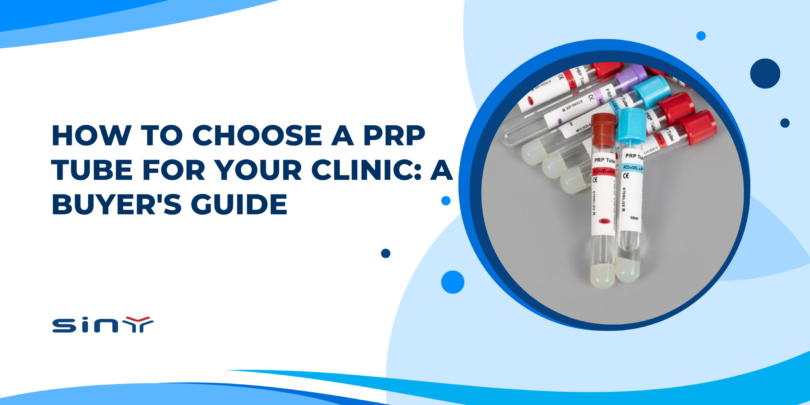
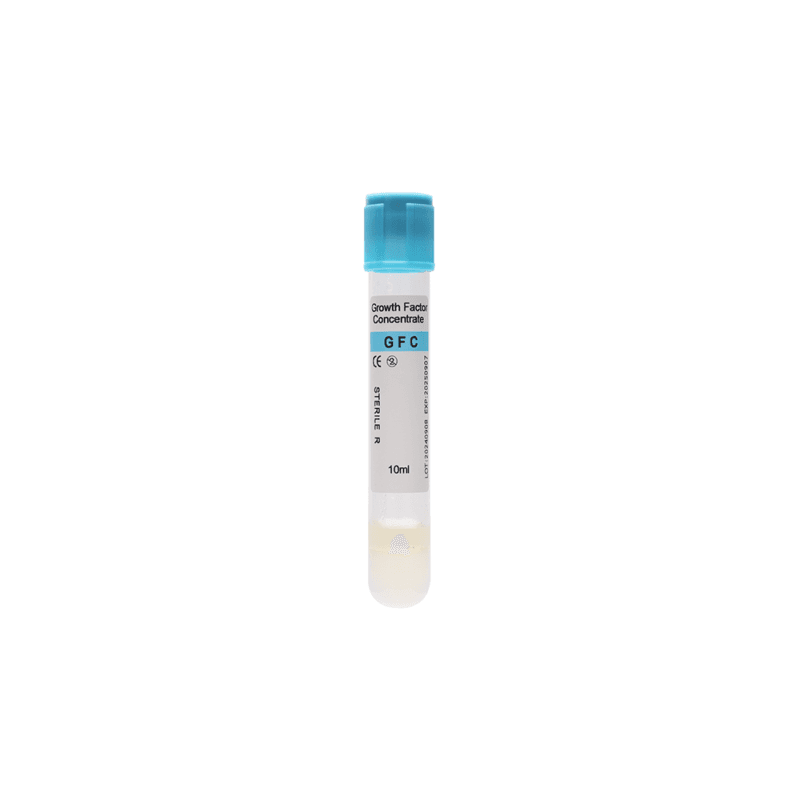
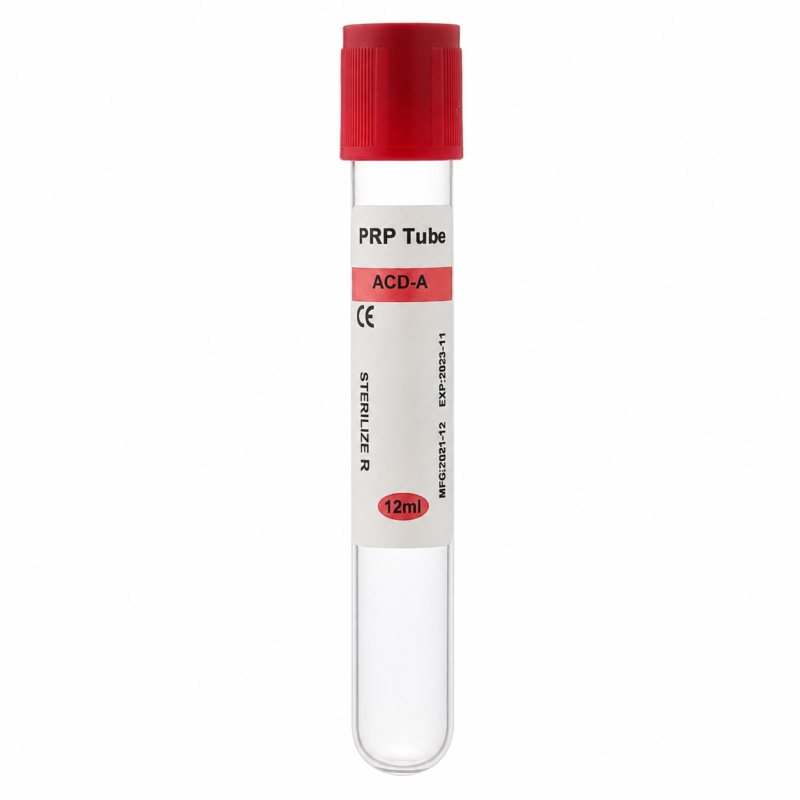
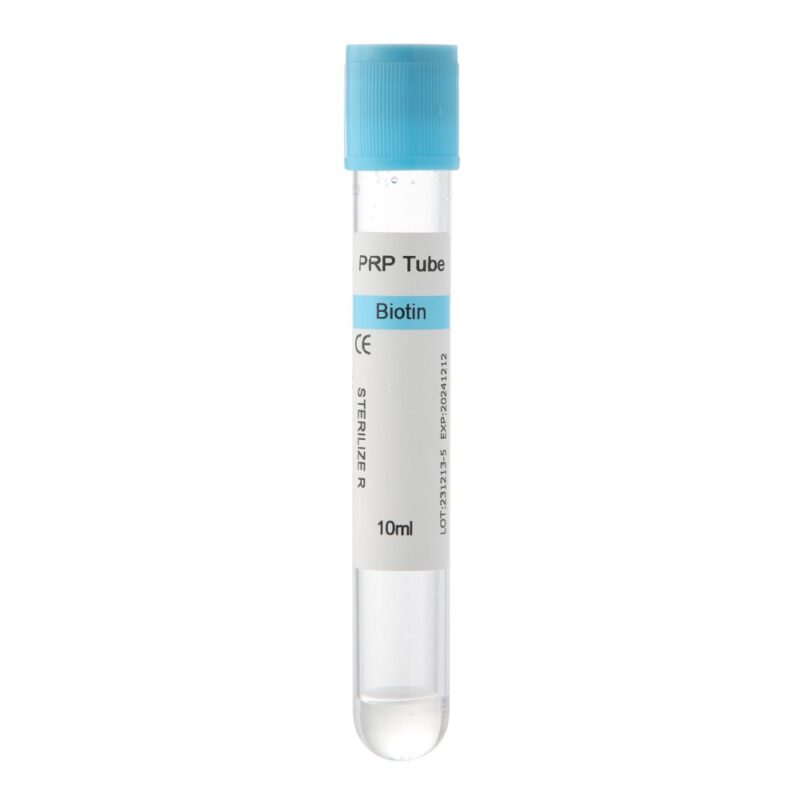
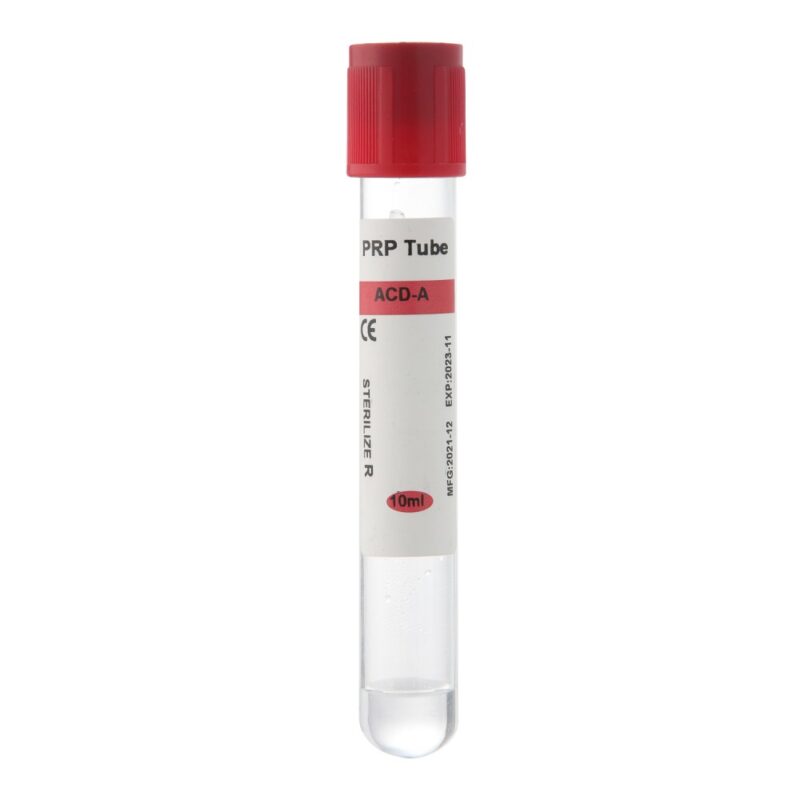
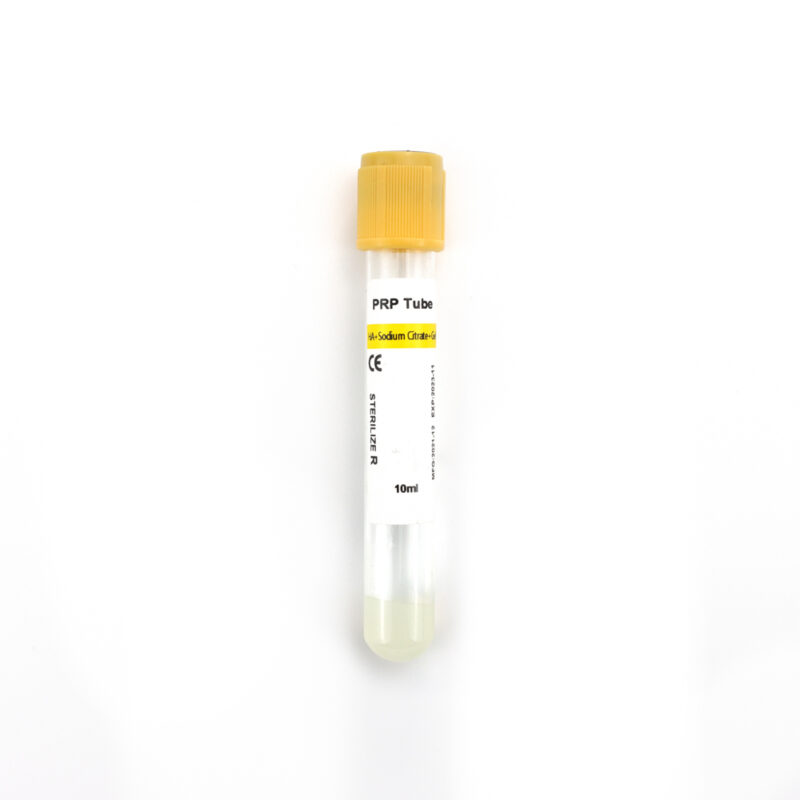
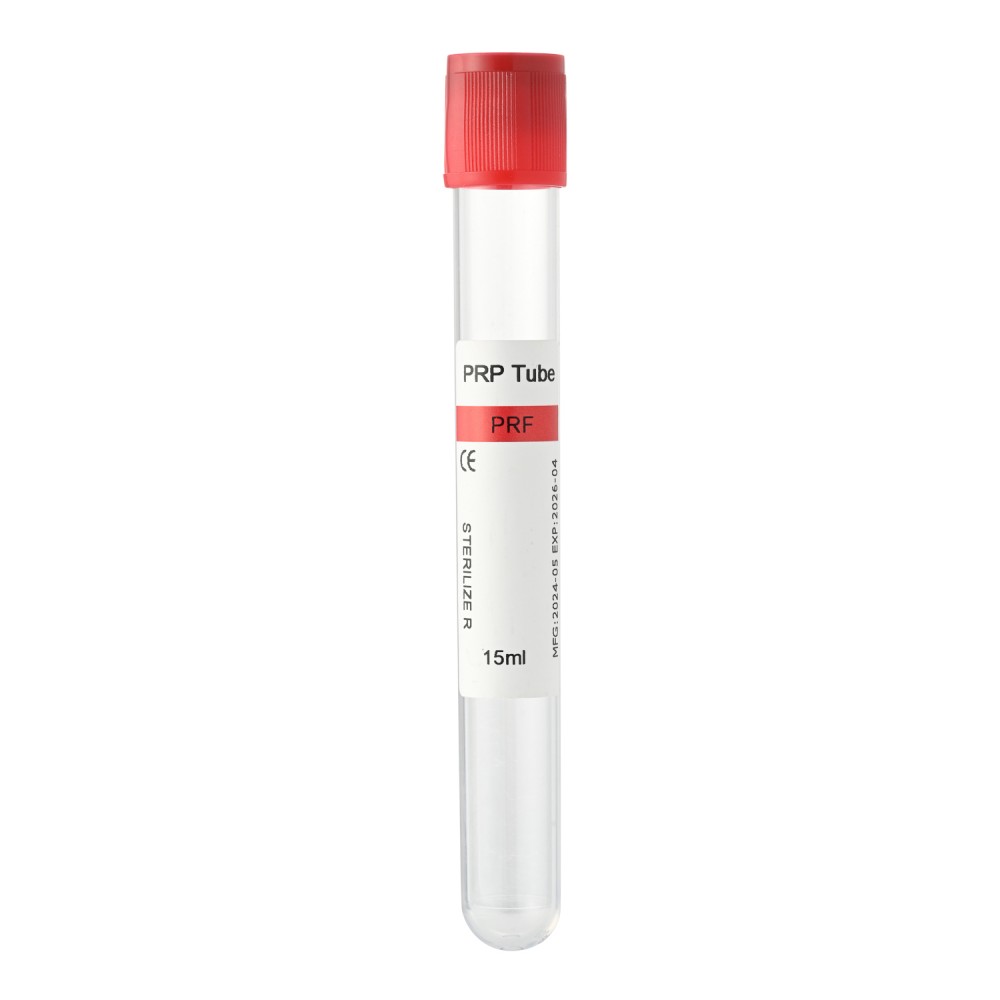
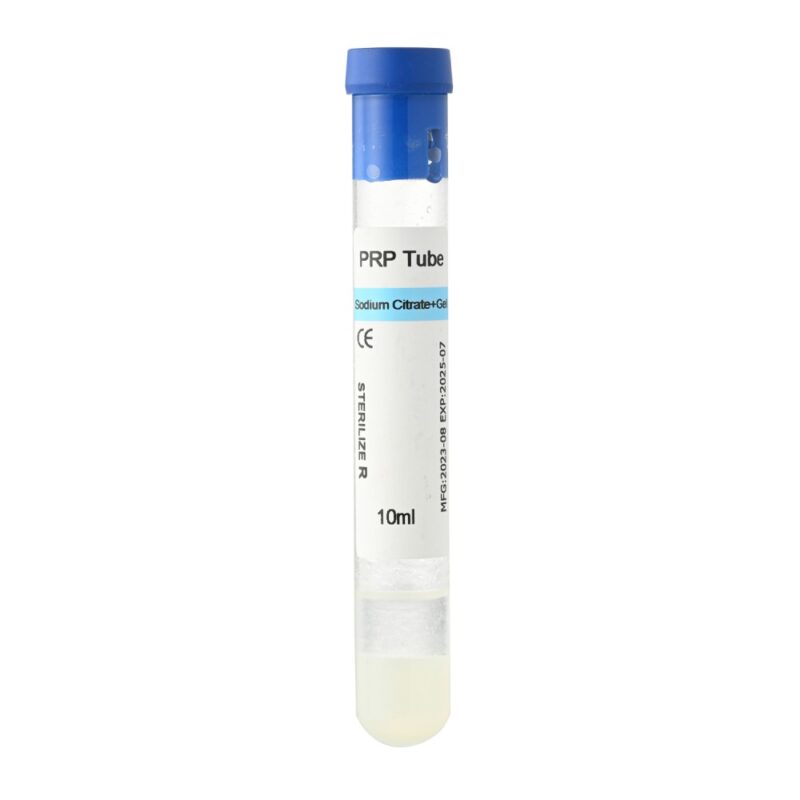
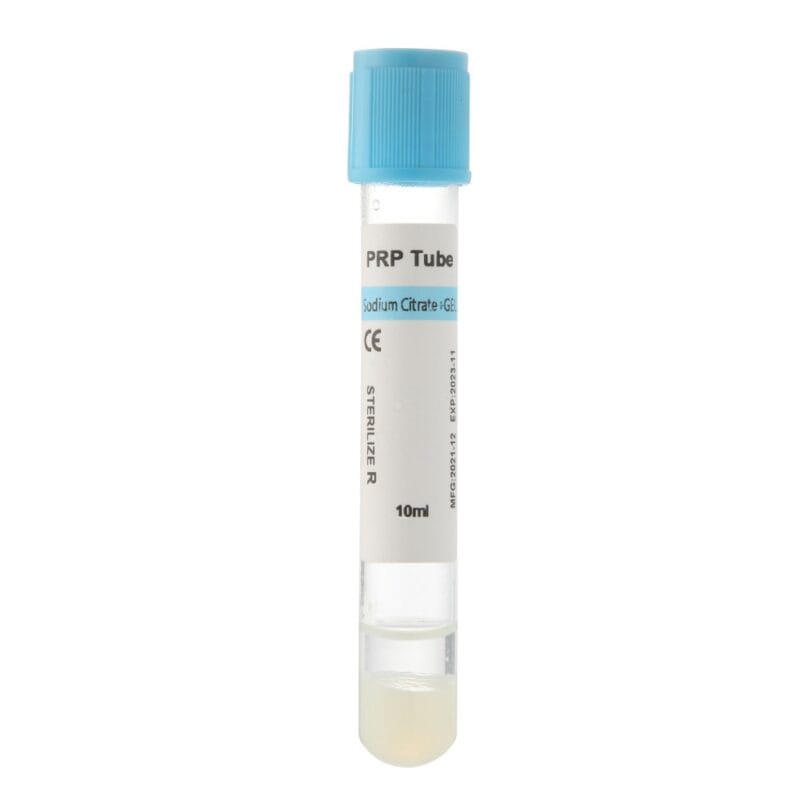
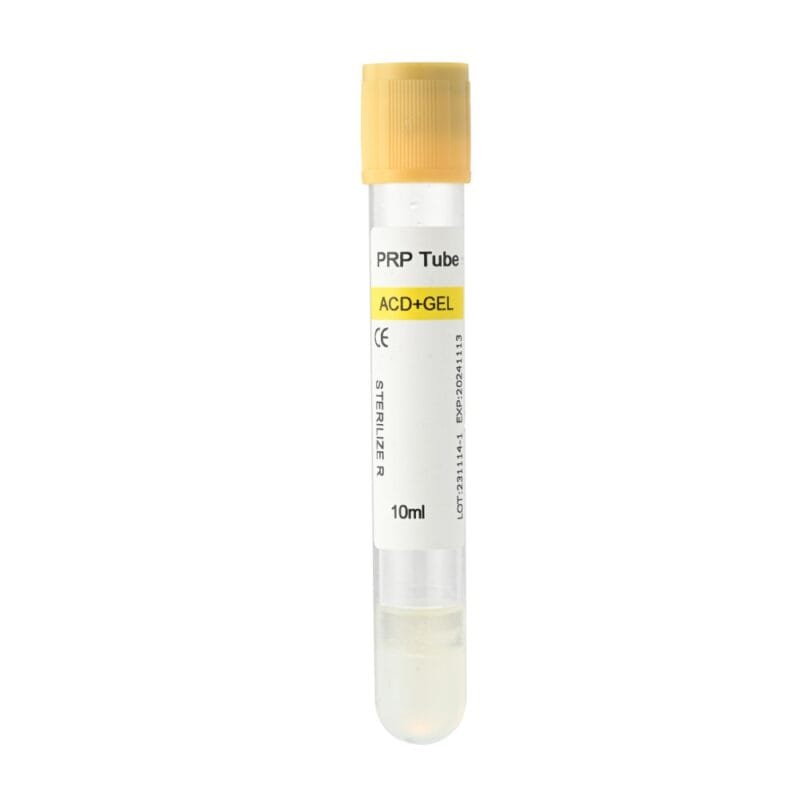
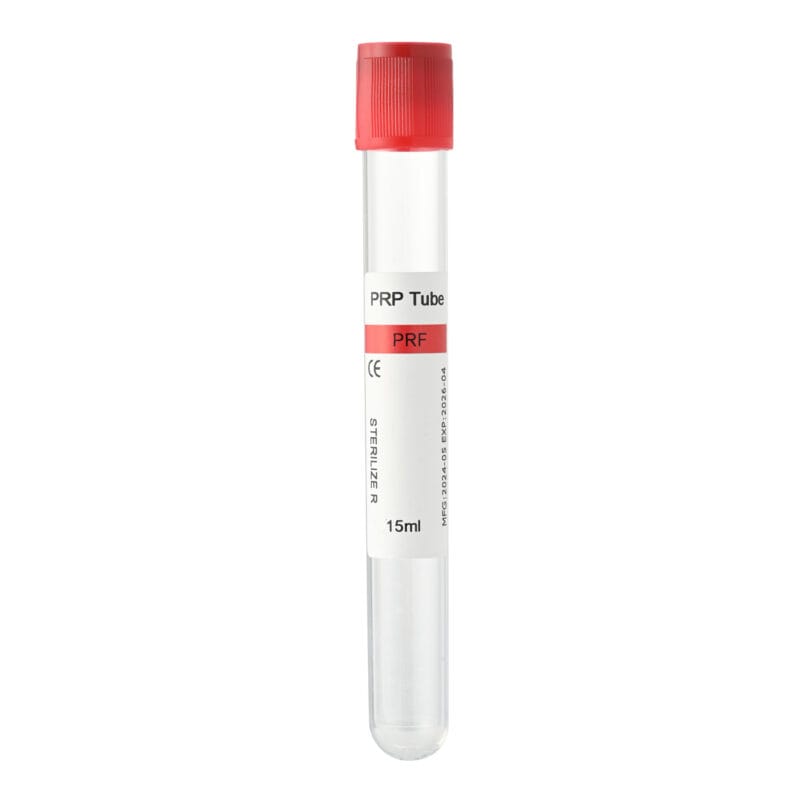
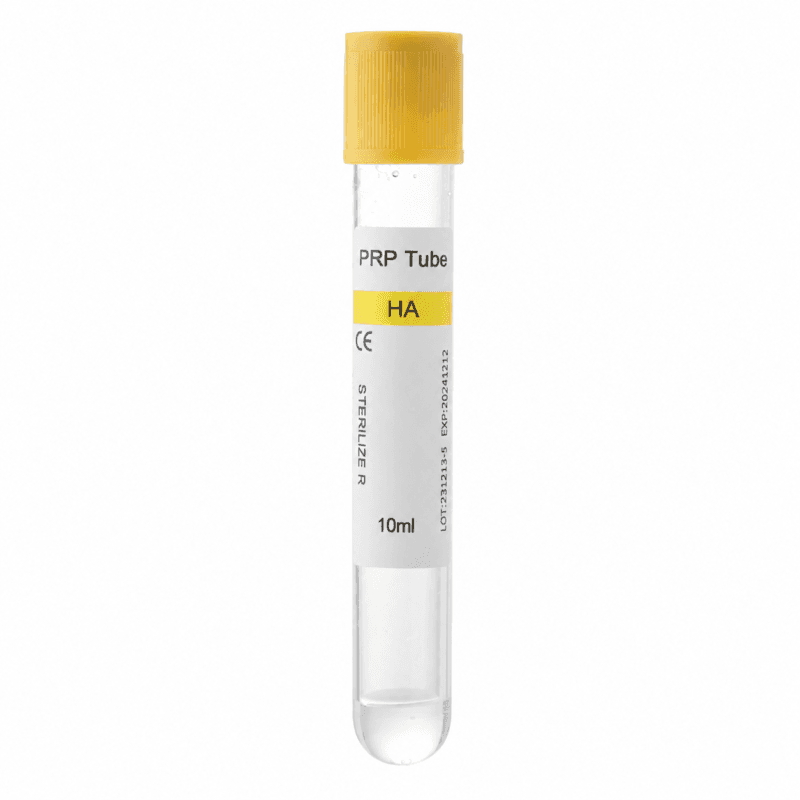
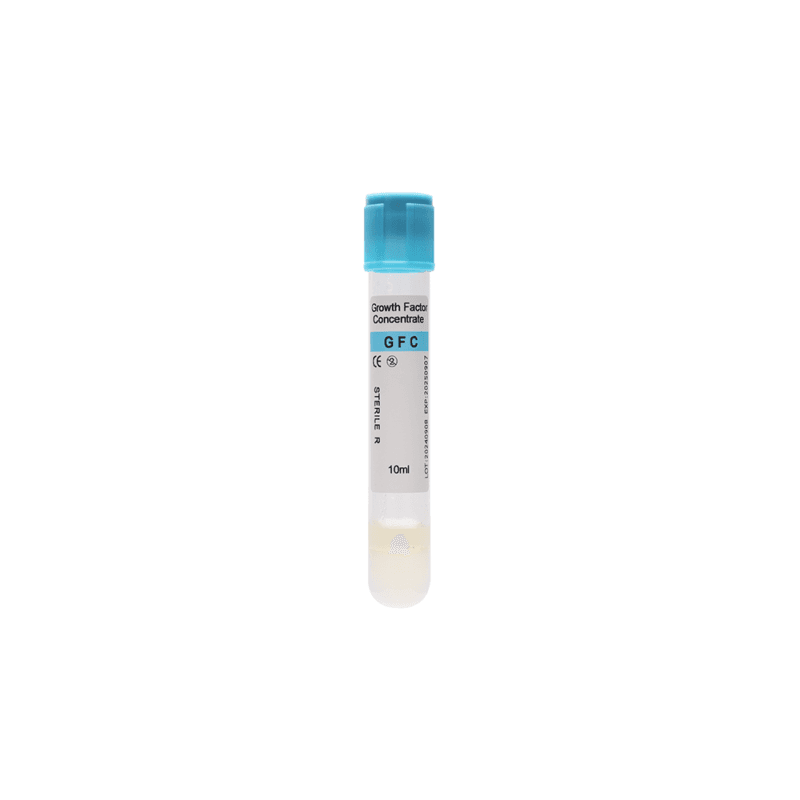
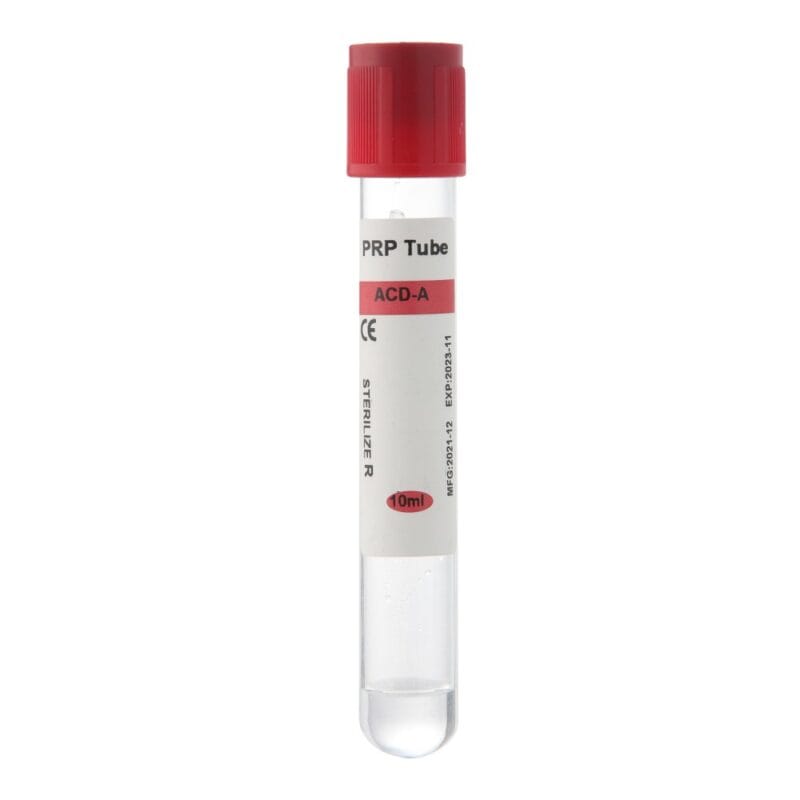
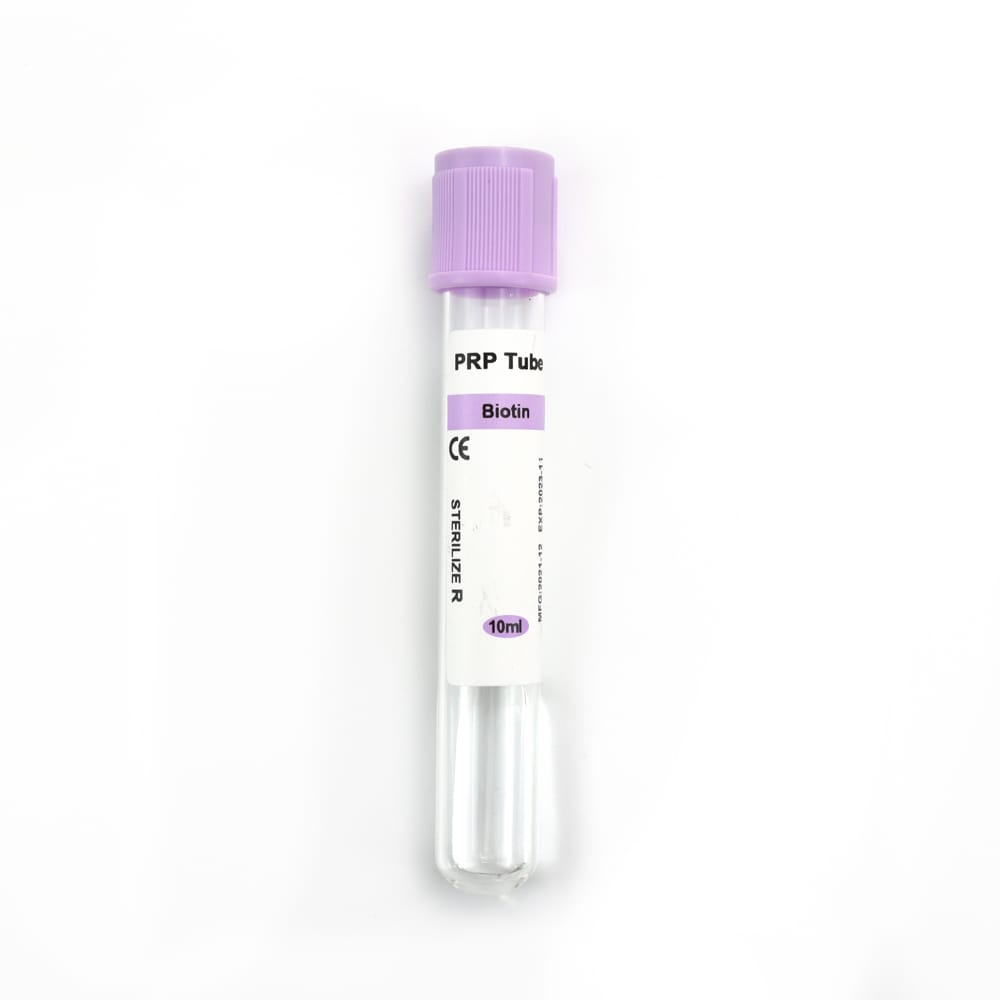
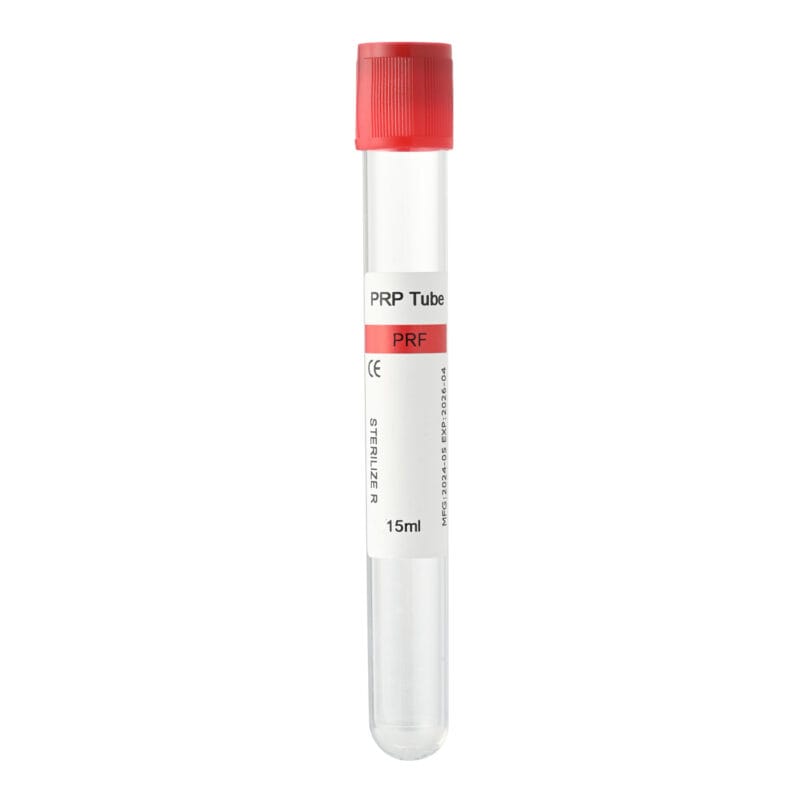
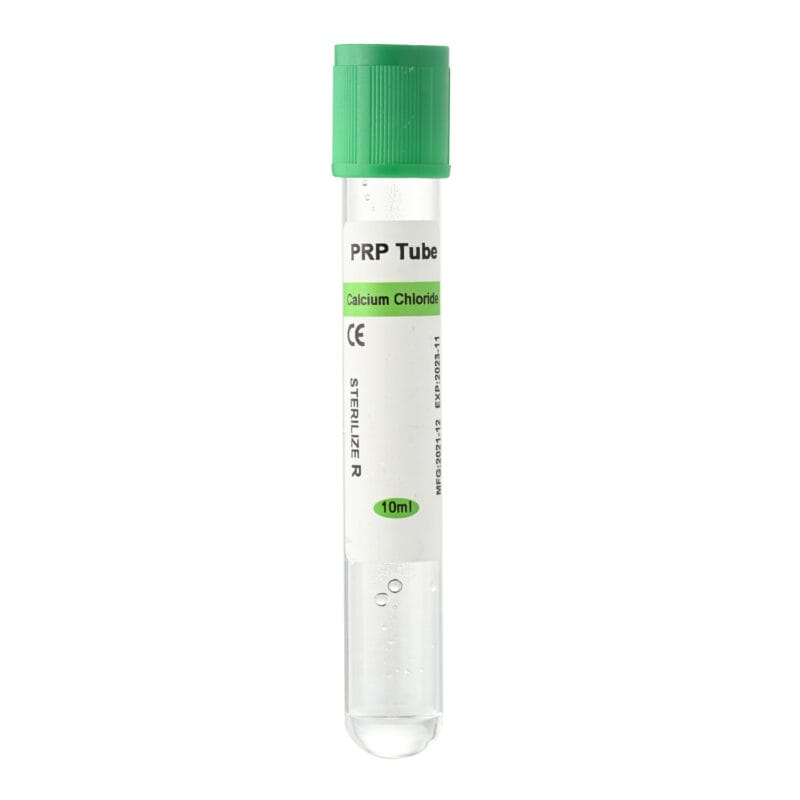
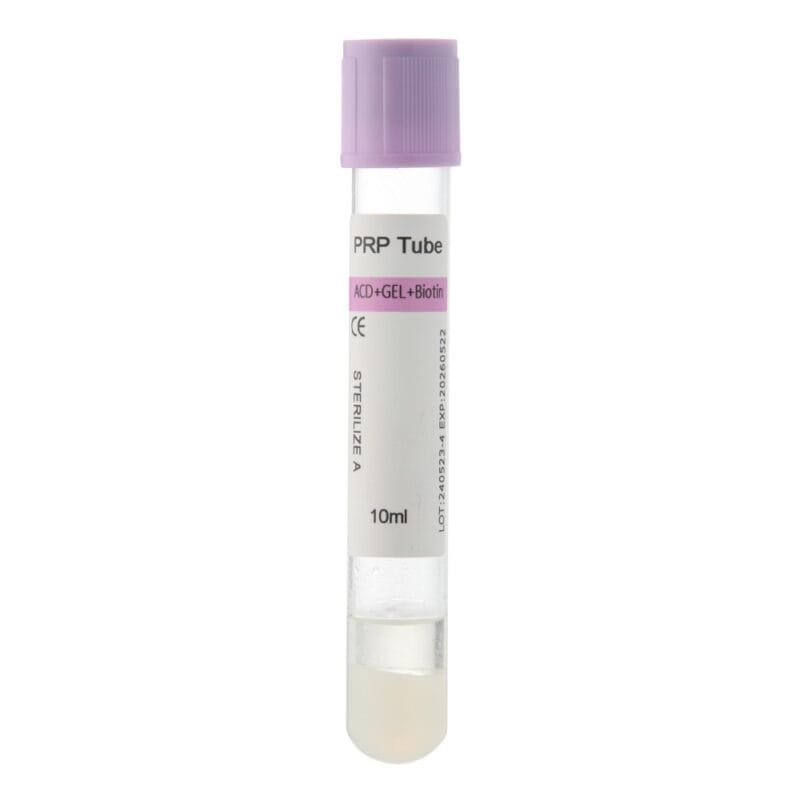
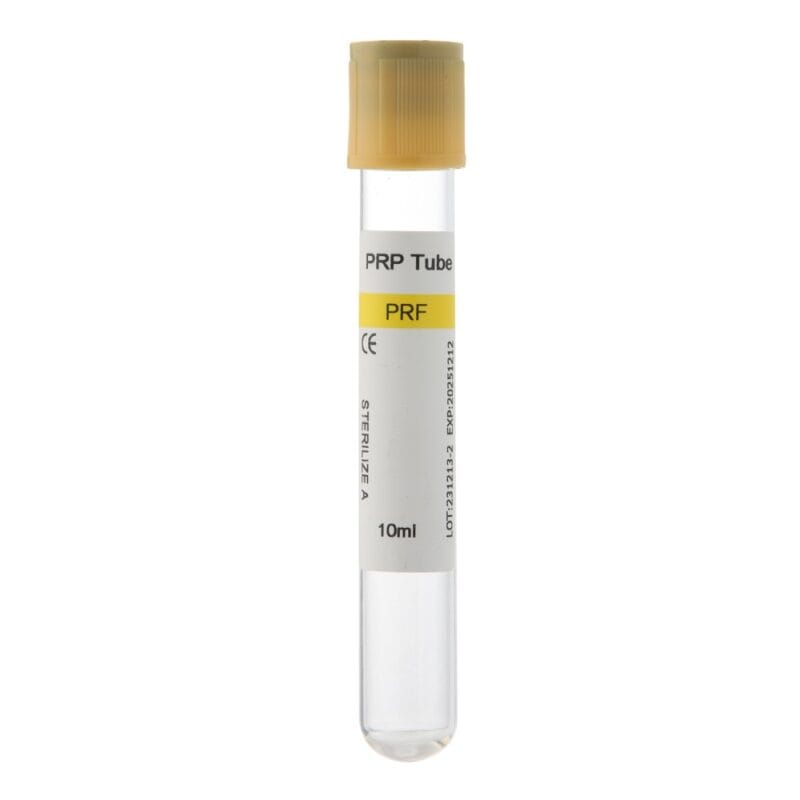
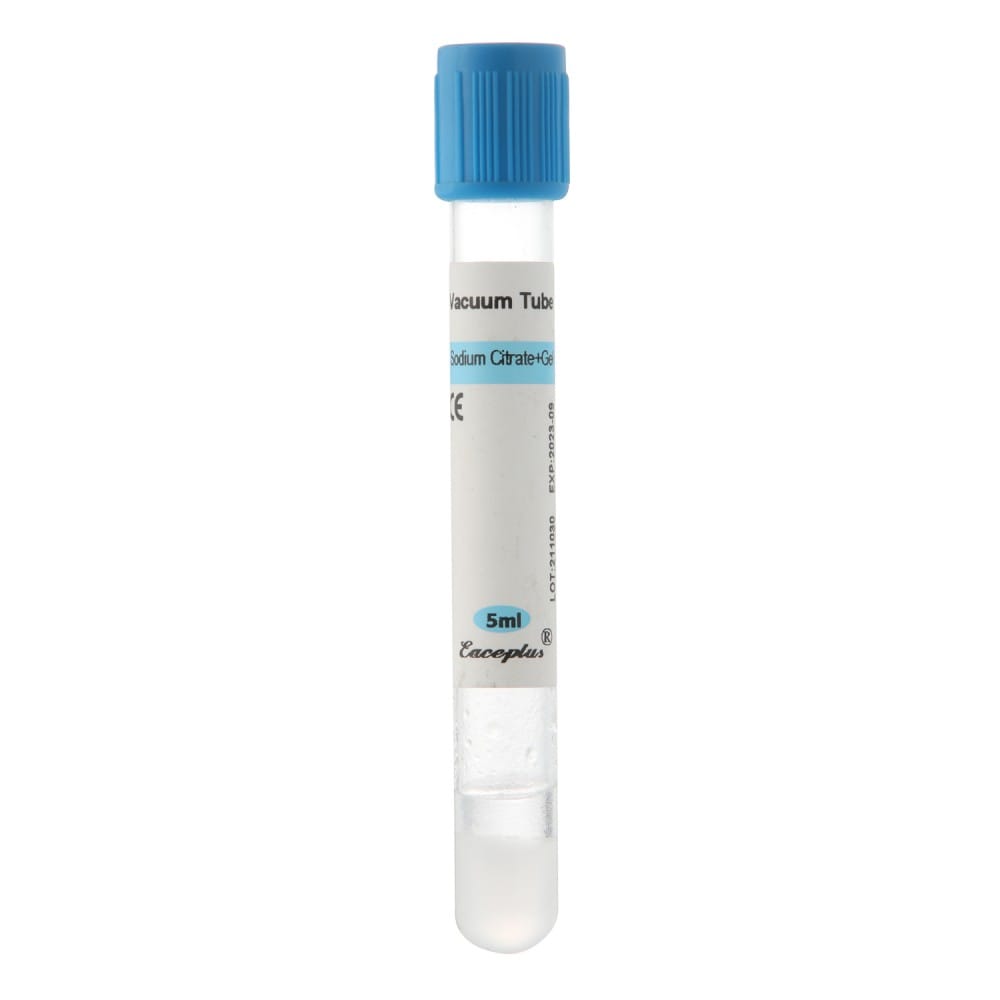
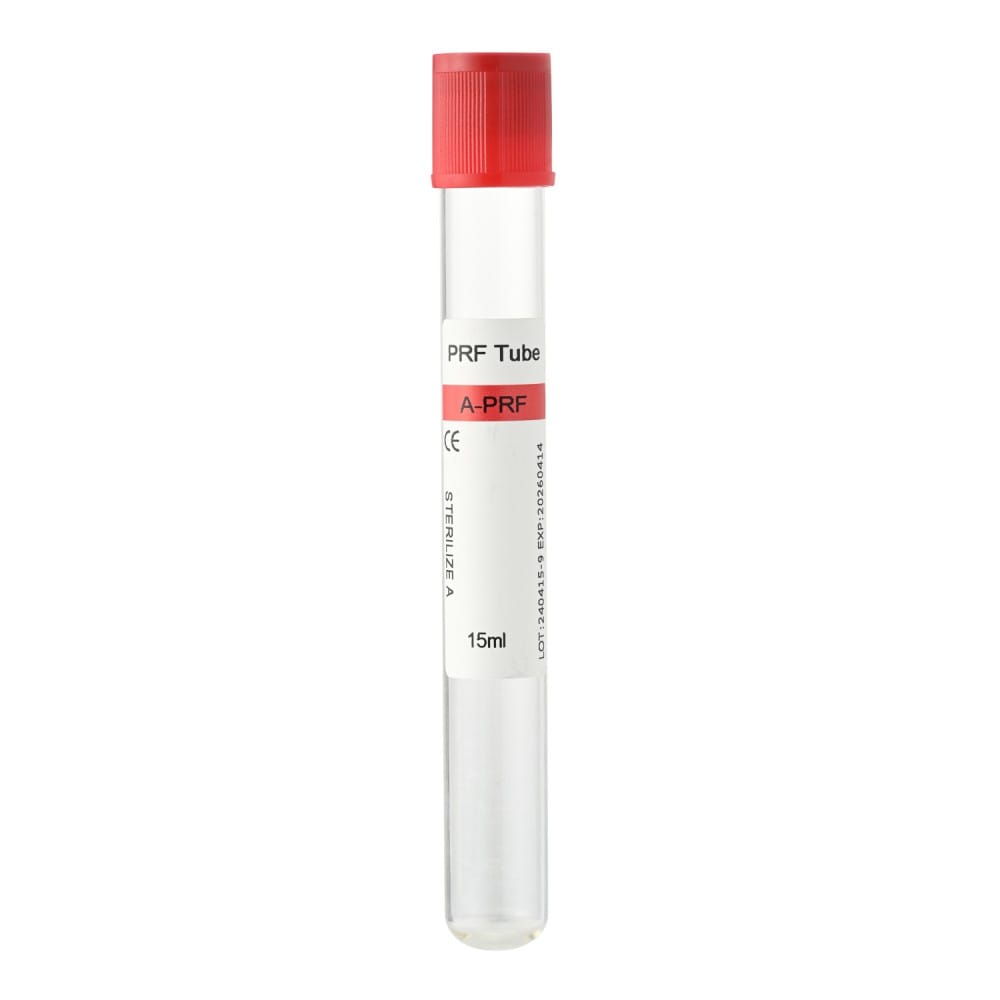
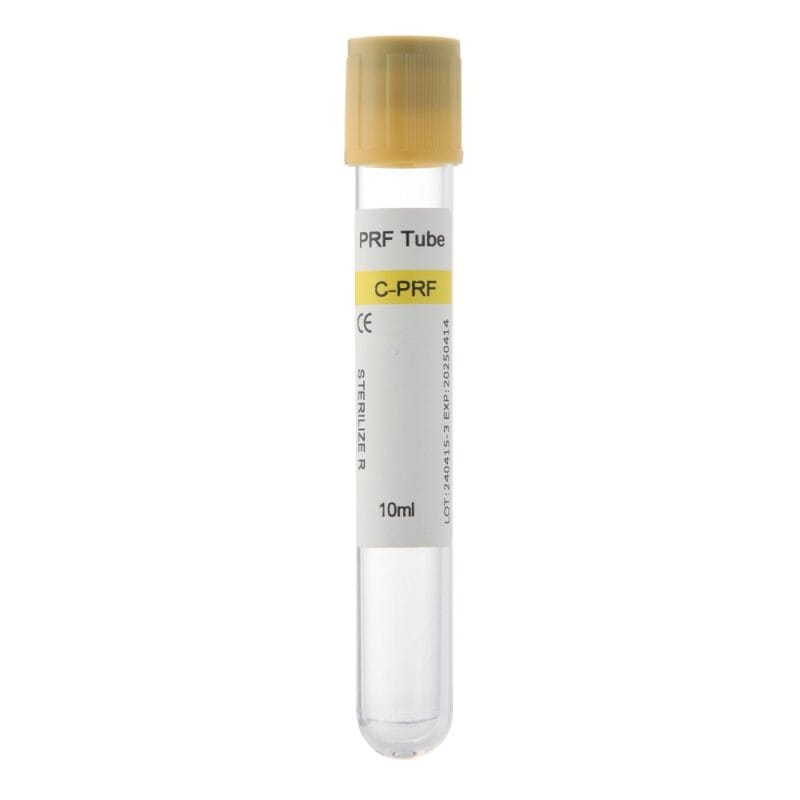
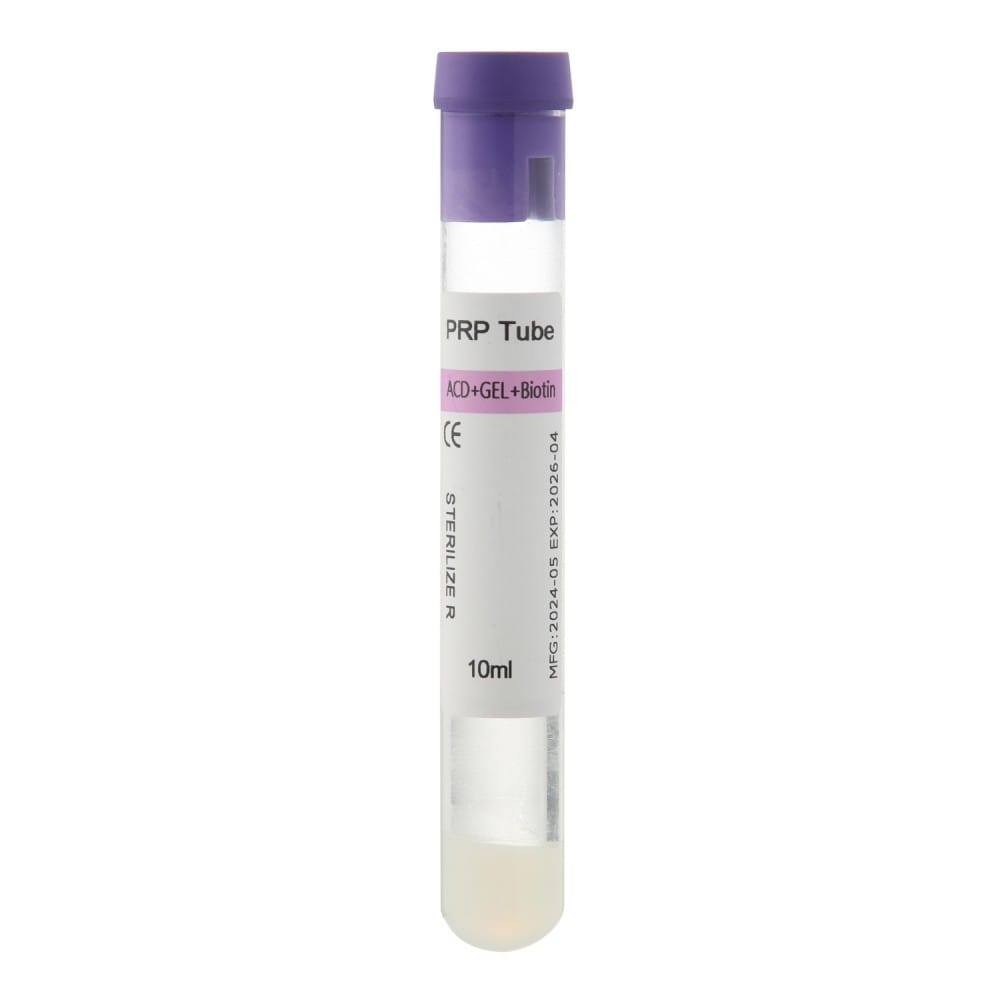
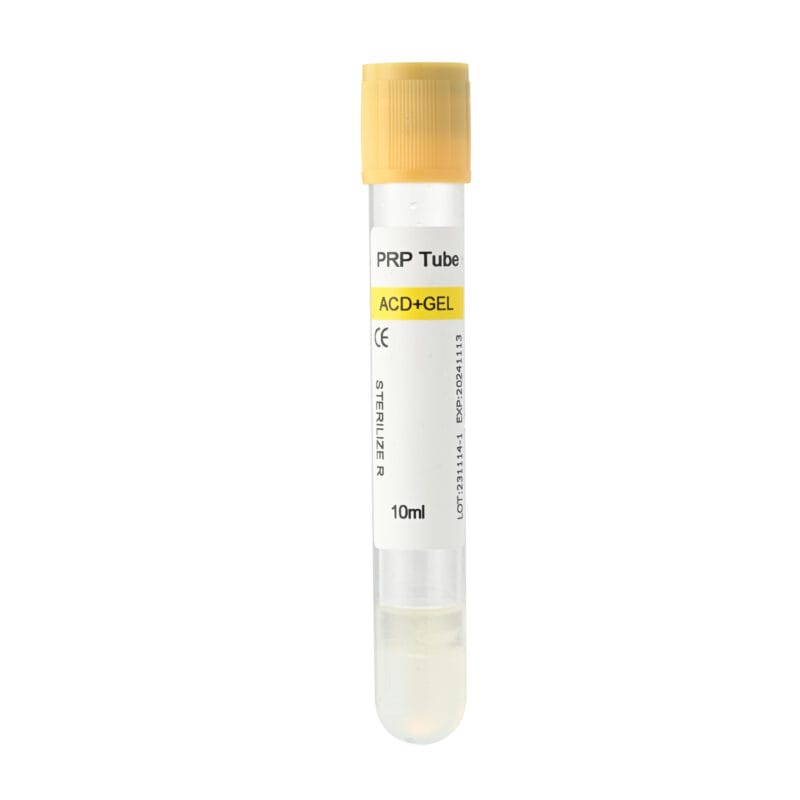
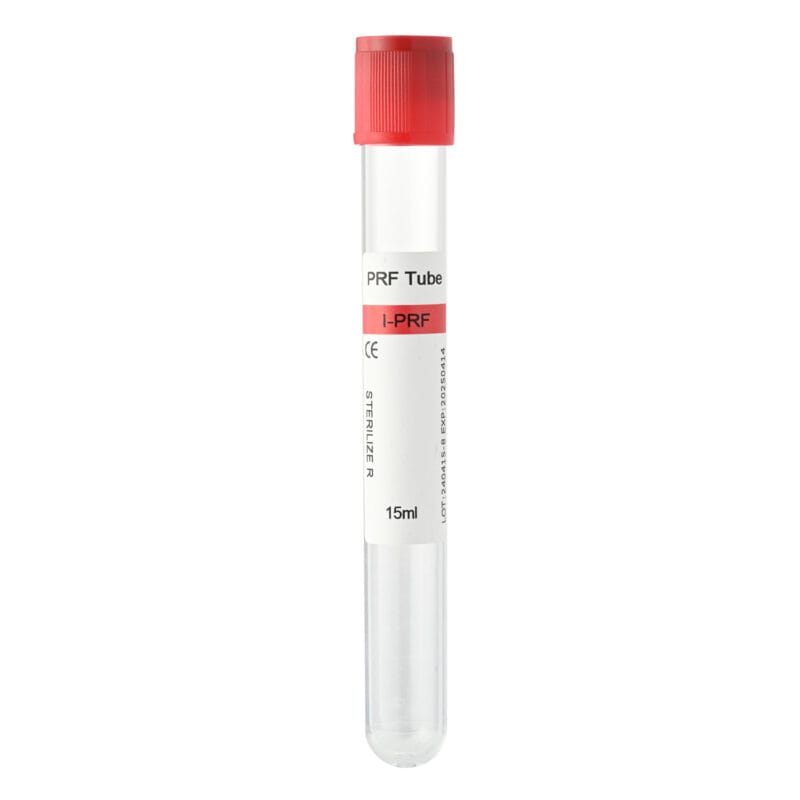
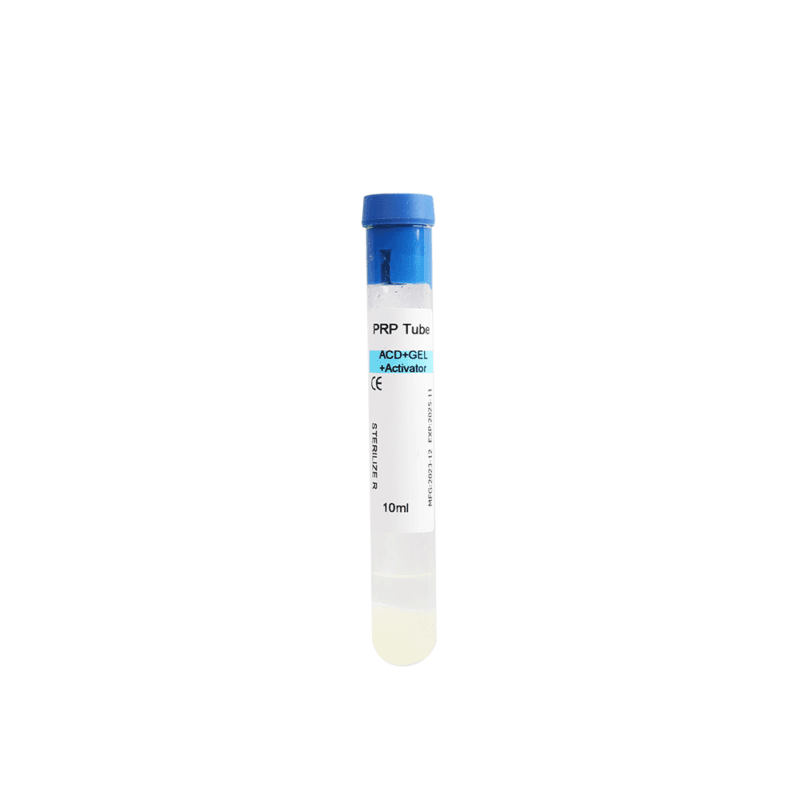
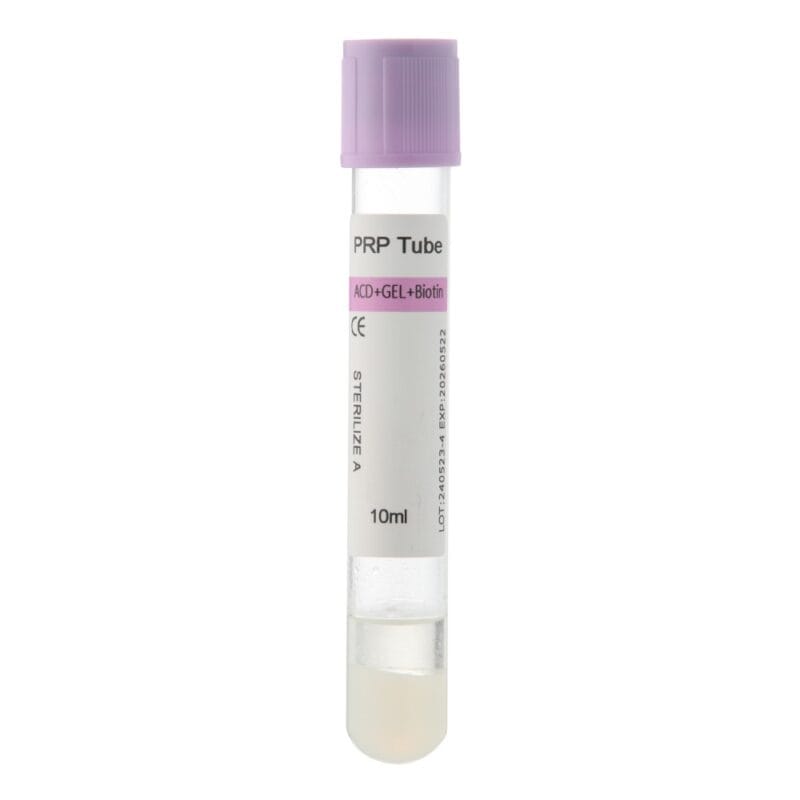
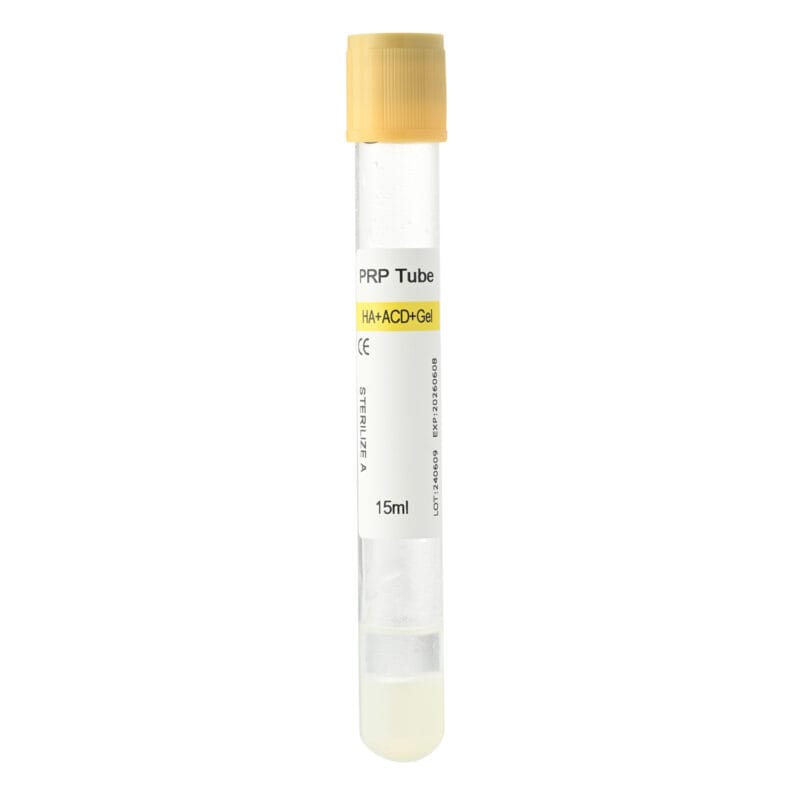
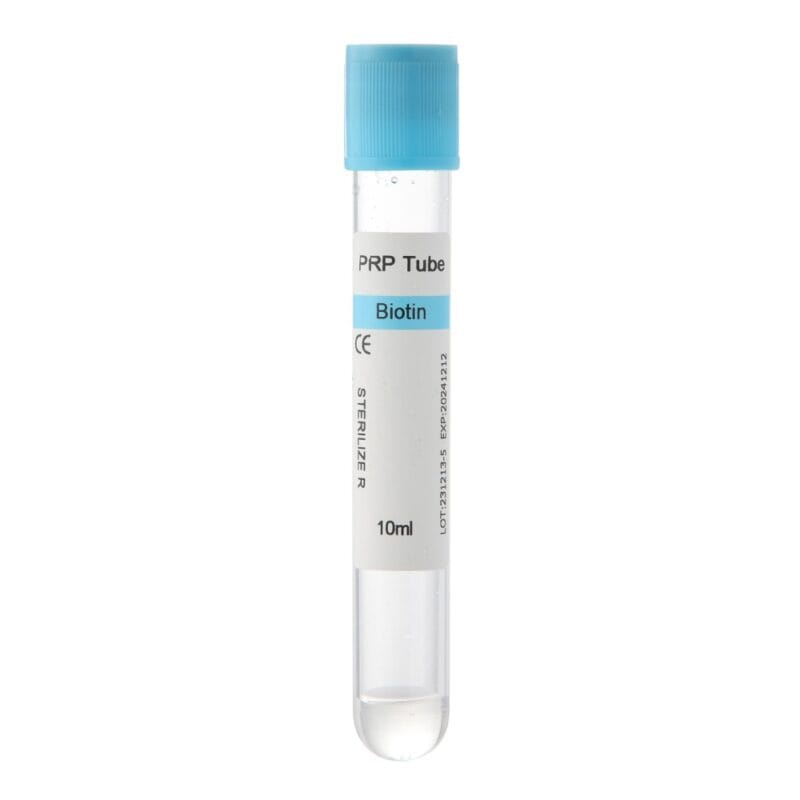
PRP procedures may involve blood collection devices, preparation tubes, centrifugation equipment, syringes, and administration accessories.
Each component has a distinct function.
The blood collection system must support appropriate sample handling, while the preparation system must be compatible with the intended processing protocol.
The administration device must then match the characteristics of the final preparation and the selected treatment technique.
These components should be evaluated as a coordinated workflow rather than as unrelated products.
For distributors, this creates an opportunity to organize aesthetic consumables around real clinical requirements.
A carefully selected product range can help customers identify compatible supplies without assuming that every needle or accessory is suitable for every procedure.
Ultimately, precision needles are valuable because they can support controlled administration when properly matched to the treatment. Their performance depends on correct selection, consistent product quality, and professional use.
Frequently Asked Questions
1. What are Nano Needles used for?
They are commonly marketed for precision aesthetic injections and other procedures requiring fine needle handling. Their suitability depends on the actual needle structure, treatment technique, and intended use.
2. Are nano injection needles painful?
Fine needles may reduce certain mechanical effects associated with needle penetration, but they do not guarantee a painless procedure. Discomfort depends on the injection site, technique, preparation, injection speed, and individual sensitivity.
3. Can ultra-fine needles be used for PRP injections?
Certain fine-gauge needles may be suitable for specific PRP injection protocols. However, selection depends on the preparation’s characteristics, intended tissue, administration technique, and clinical requirements.
4. What needle gauges are commonly used for PRP injections?
Fine-gauge needles such as 30G and 32G appear in published aesthetic PRP protocols. Other sizes may also be used depending on the treatment. The appropriate gauge should be selected according to the preparation, injection depth, and clinical technique.
5. What is the difference between a nano injection needle and a nano infusion tip?
A nano injection needle is a hollow device designed to deliver suitable injectable material through the skin. A nano infusion tip is generally associated with superficial cosmetic applications and may not function as an injection device.
6. Is a higher gauge always better?
No. Higher gauge numbers generally indicate smaller outside diameters, but a narrower internal lumen can increase flow resistance. The best choice balances precision, handling, material characteristics, and the intended procedure.
7. Can the same needle be used for facial and scalp treatments?
Not necessarily. Facial and scalp procedures may require different injection depths, techniques, and material delivery characteristics. Needle selection should follow the applicable clinical protocol.
8. What should distributors consider when sourcing aesthetic needles?
Distributors should review the needle’s actual specifications, intended use, manufacturing consistency, syringe compatibility, sterility status, packaging, traceability, and applicable regulatory documentation.
9. Are all products labeled nano needles interchangeable?
No. The term may describe different products, including hollow injection needles and superficial skincare tips. Buyers should confirm the device’s construction and function before ordering.
Choosing the Right Precision Needles for Your Aesthetic Practice
The value of an ultra-fine aesthetic needle lies in its ability to support precise, controlled injection when matched to an appropriate procedure.
Needle diameter is only one part of that decision. Internal lumen, length, tip construction, syringe compatibility, preparation characteristics, and handling all influence practical suitability.
For clinics offering PRP and other injectable aesthetic treatments, choosing the correct needle means understanding the full treatment workflow rather than selecting a product based on its name alone.
Distributors should apply the same principle when building their aesthetic consumables portfolio. Products should be selected according to actual clinical requirements, consistent quality, and the needs of their target markets.
If you are sourcing professional aesthetic injection needles or related PRP consumables, visit Siny PRP to explore our product range or contact our team to discuss suitable options for your clinic or distribution business.