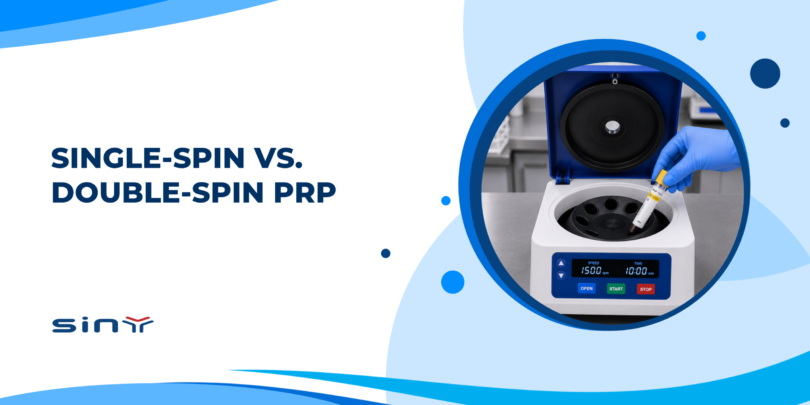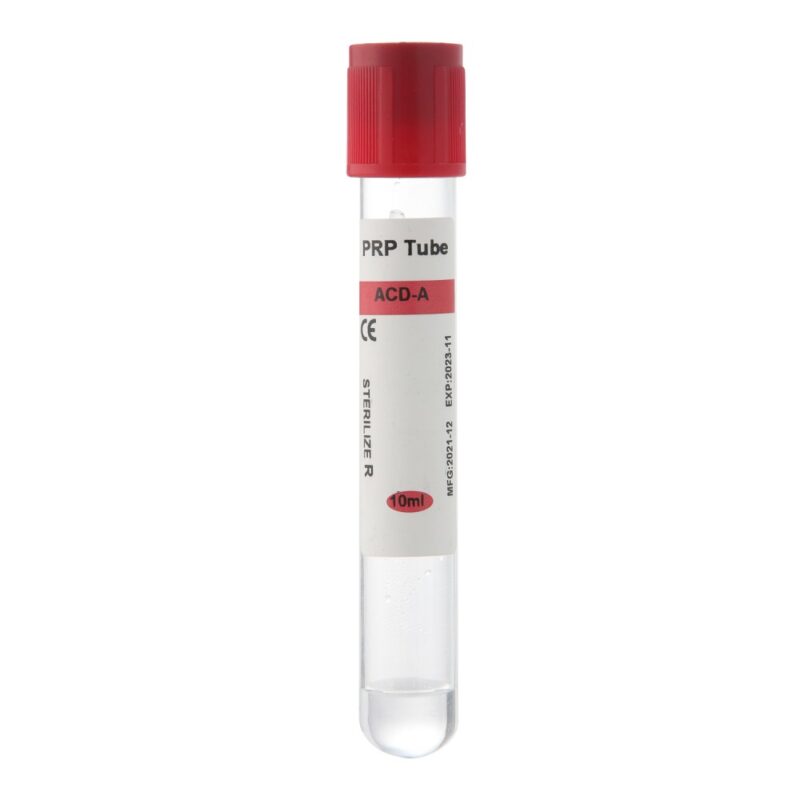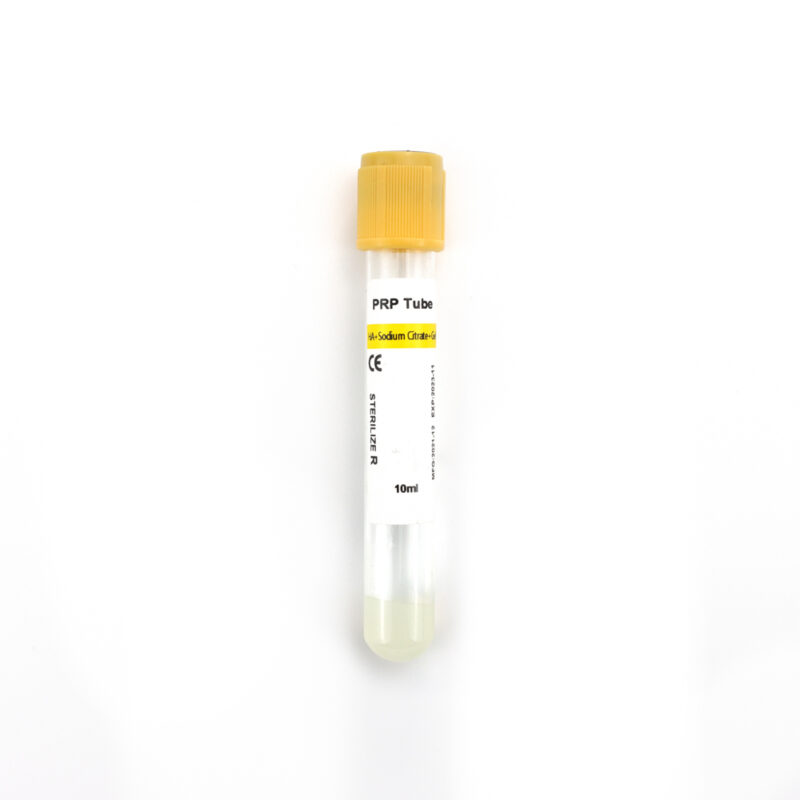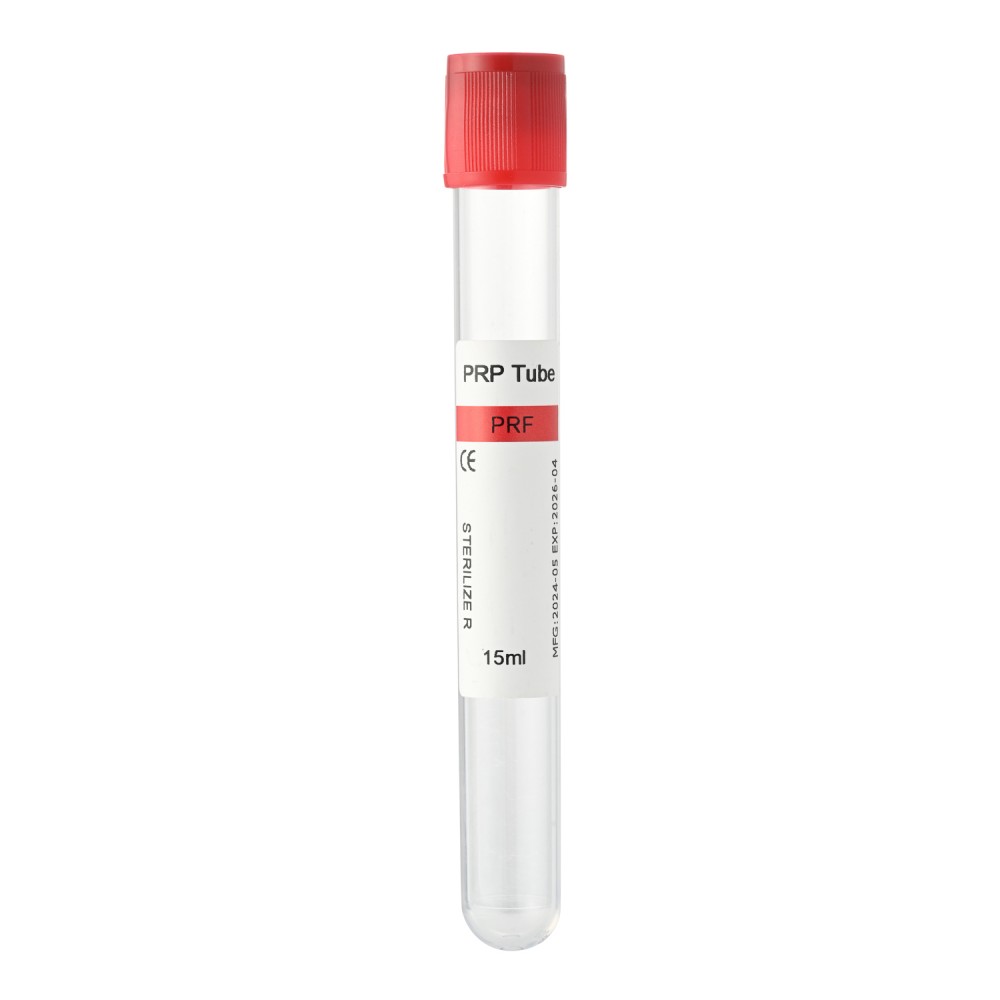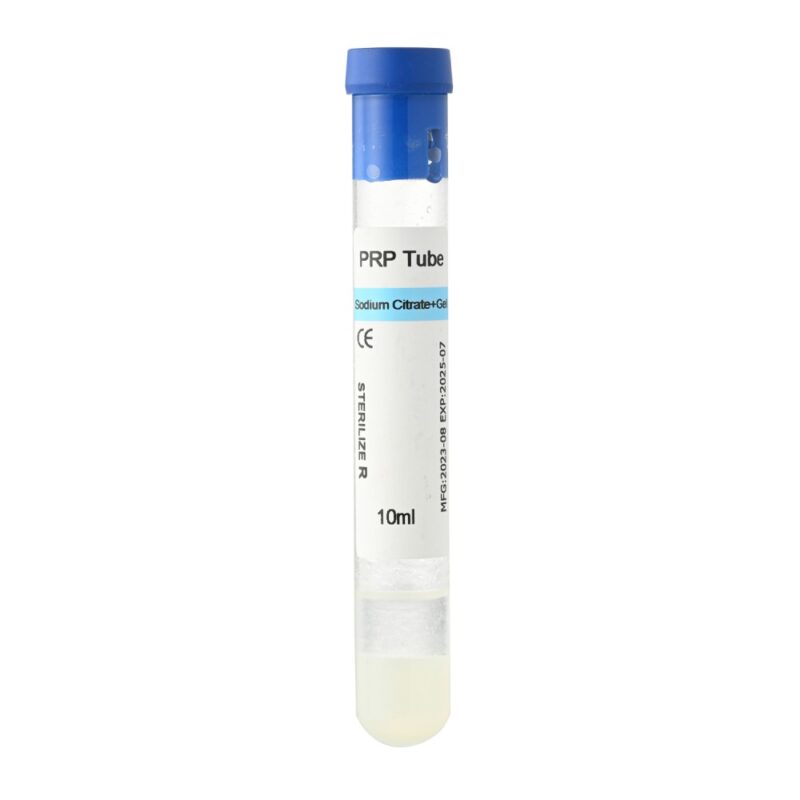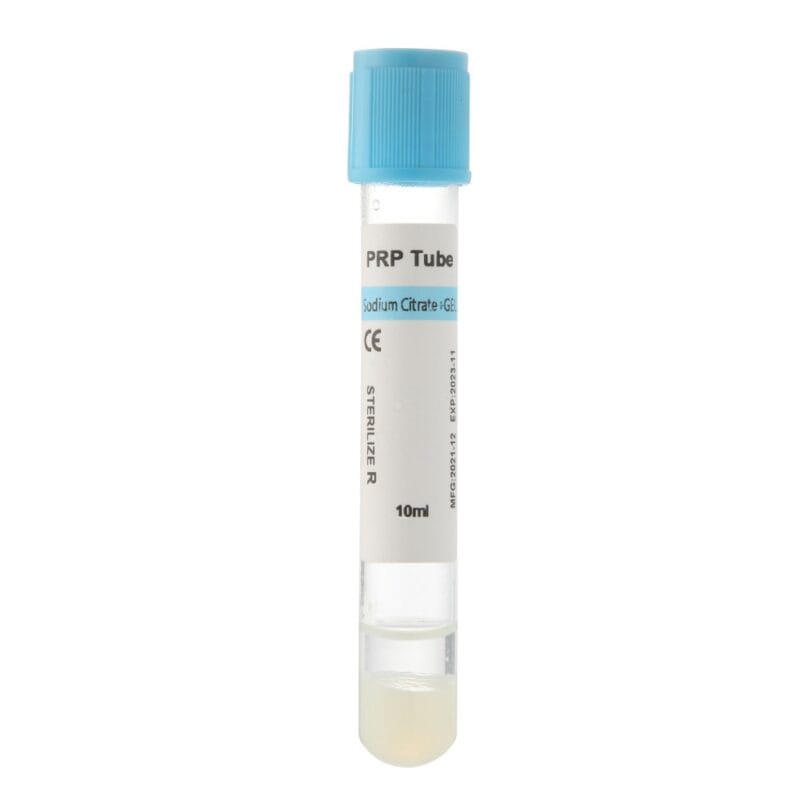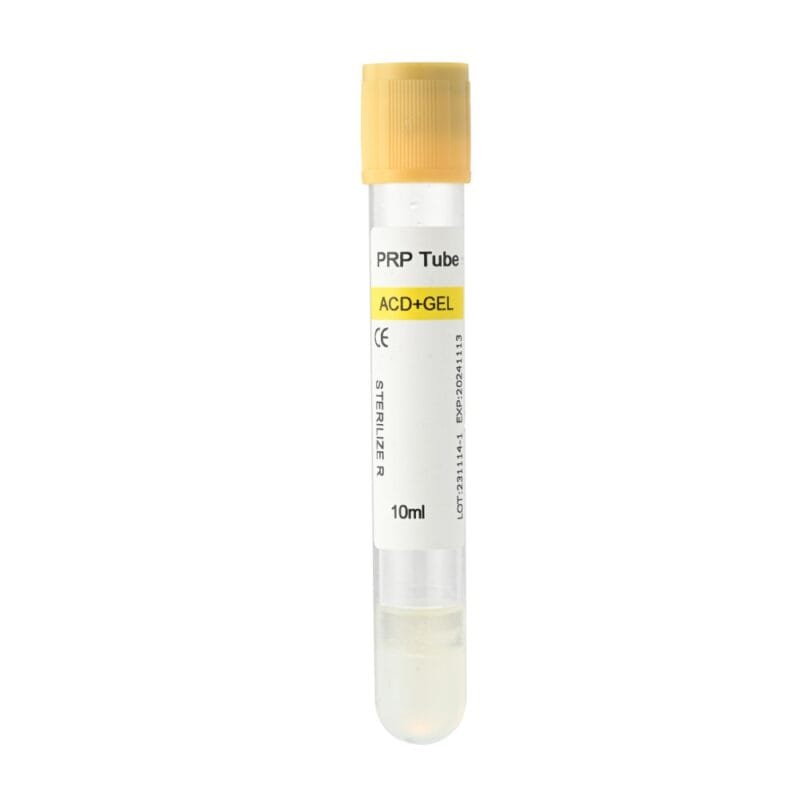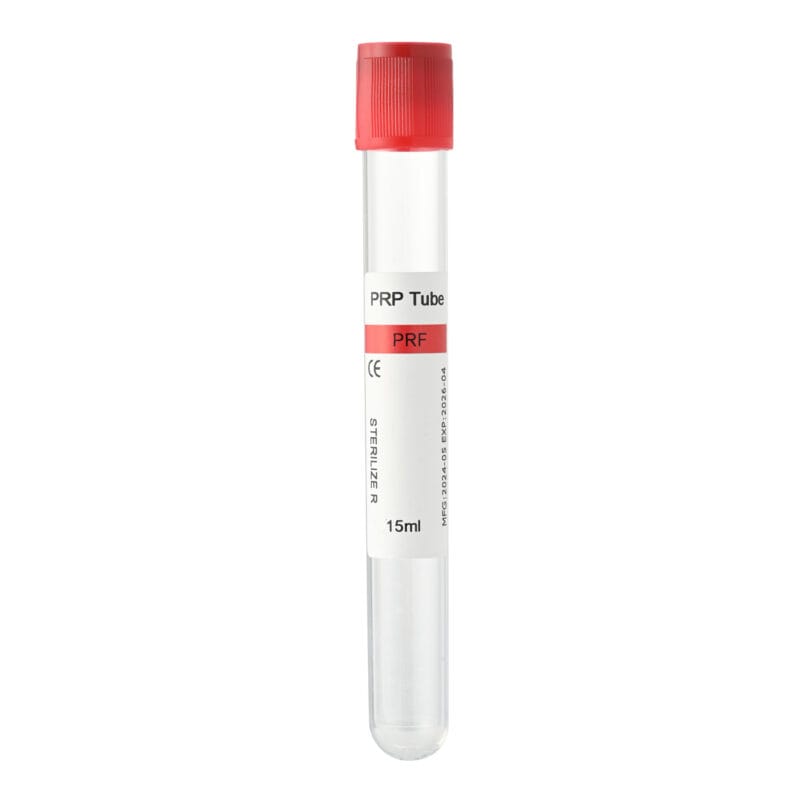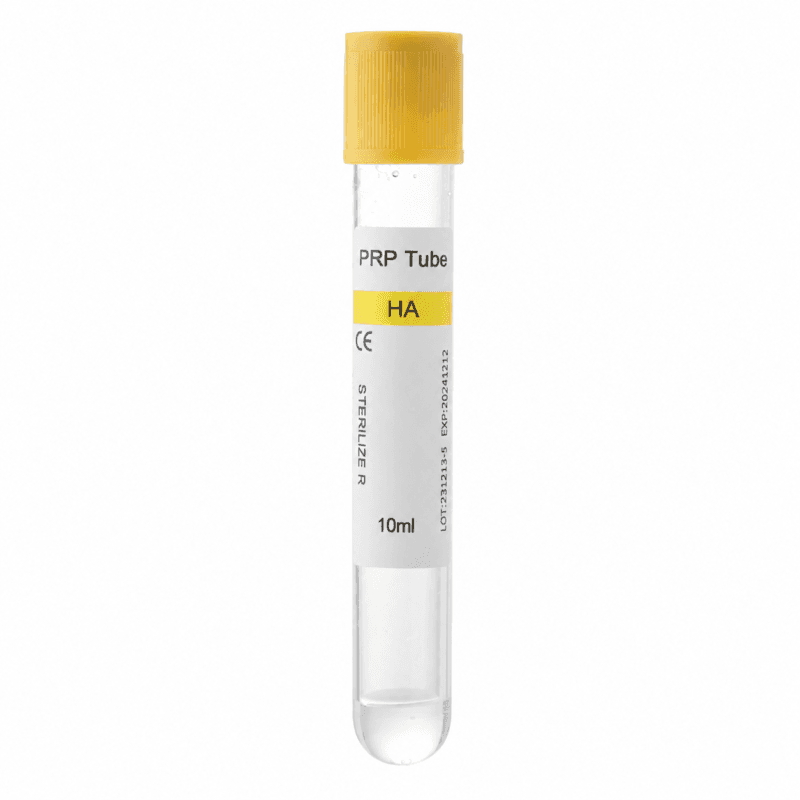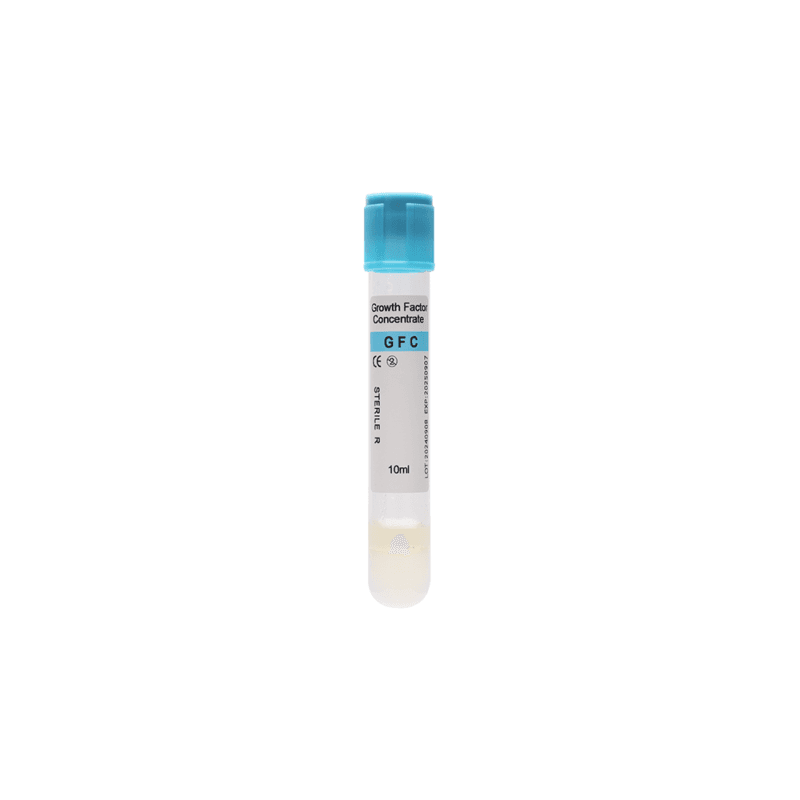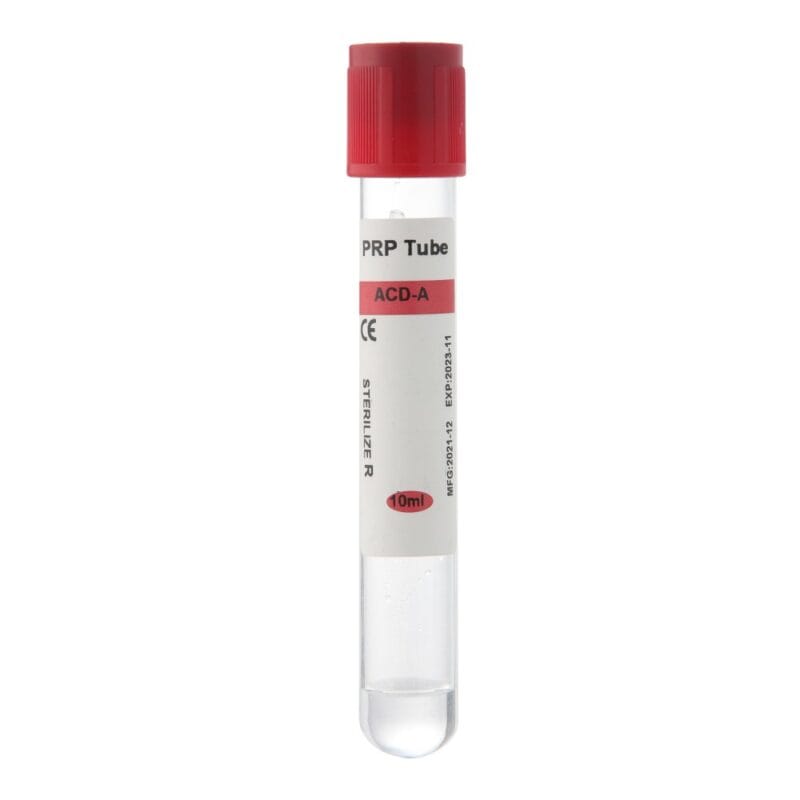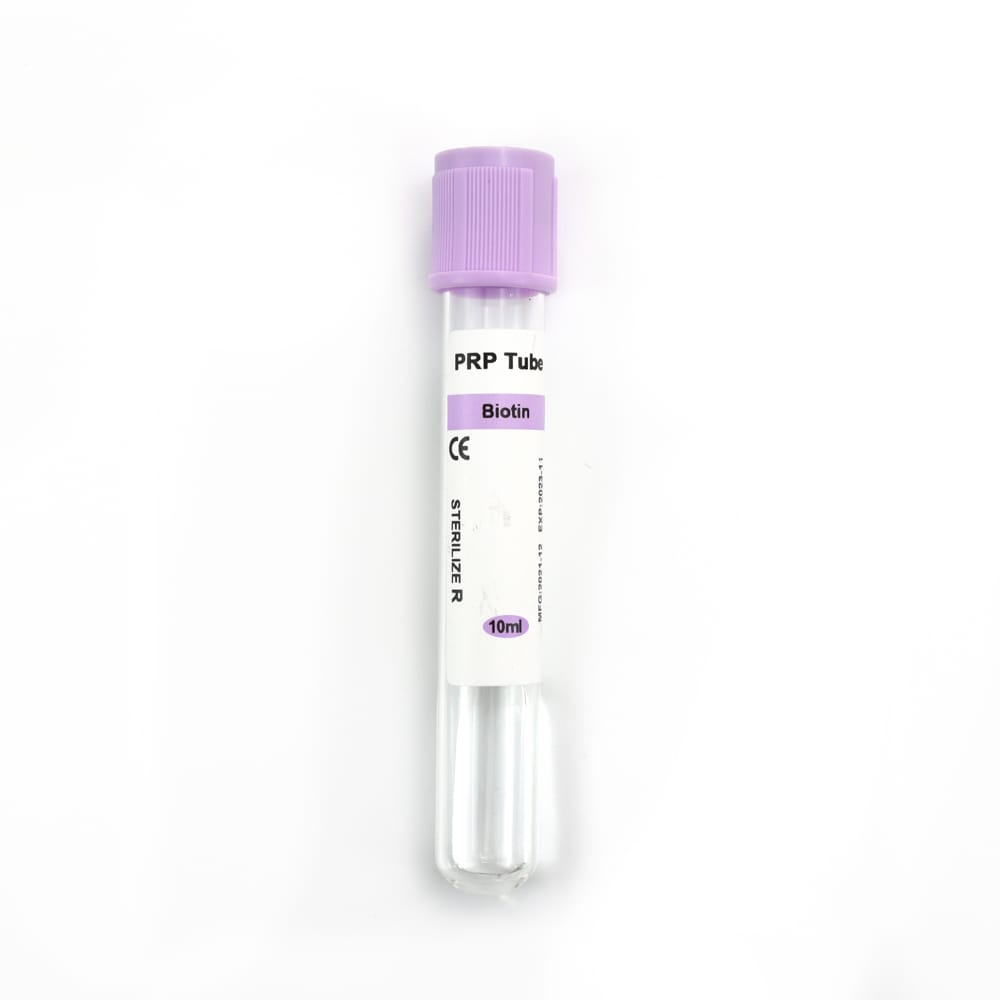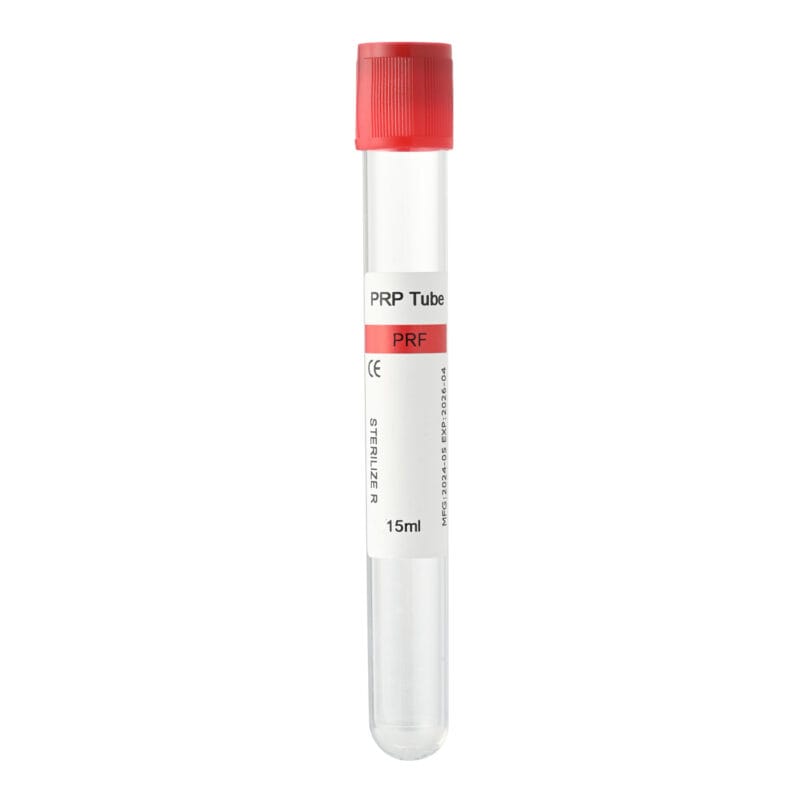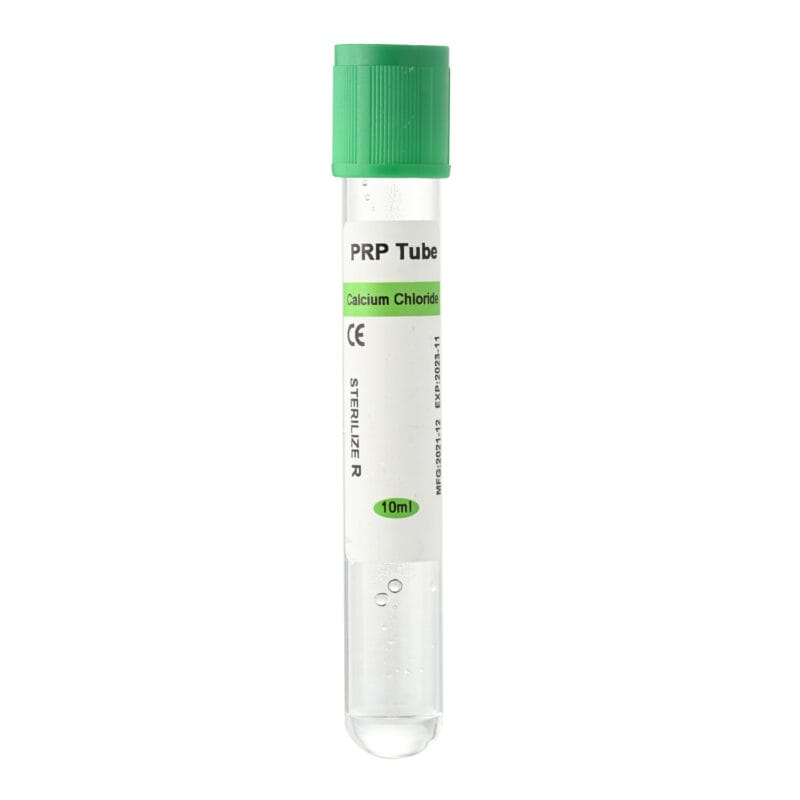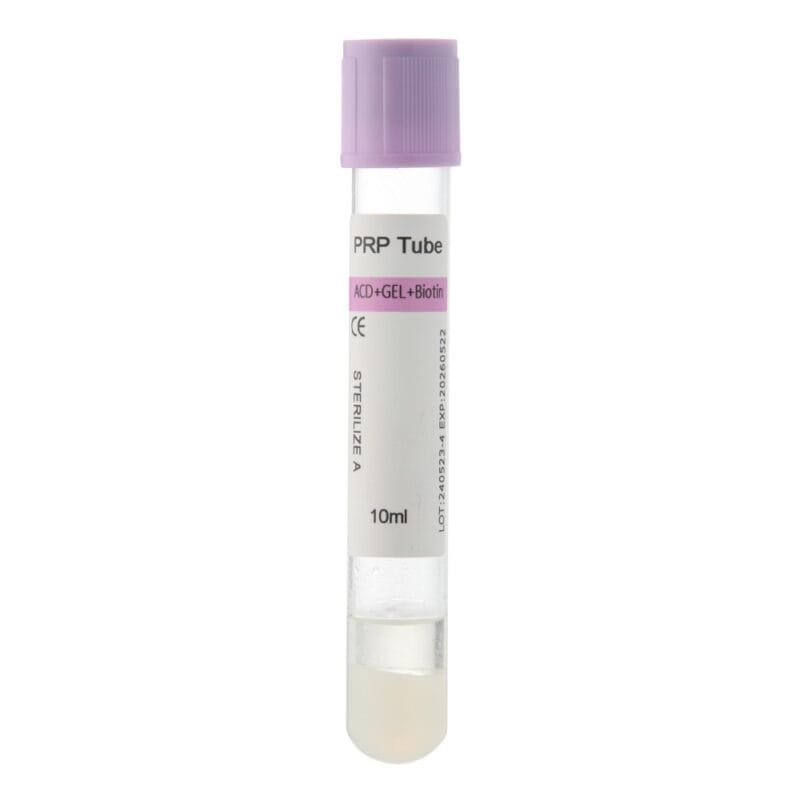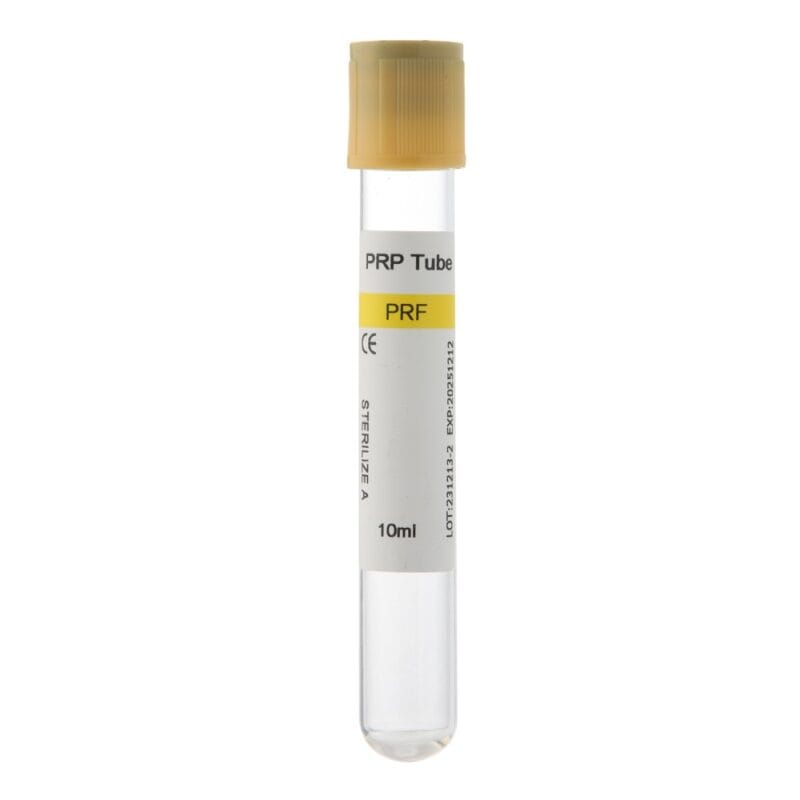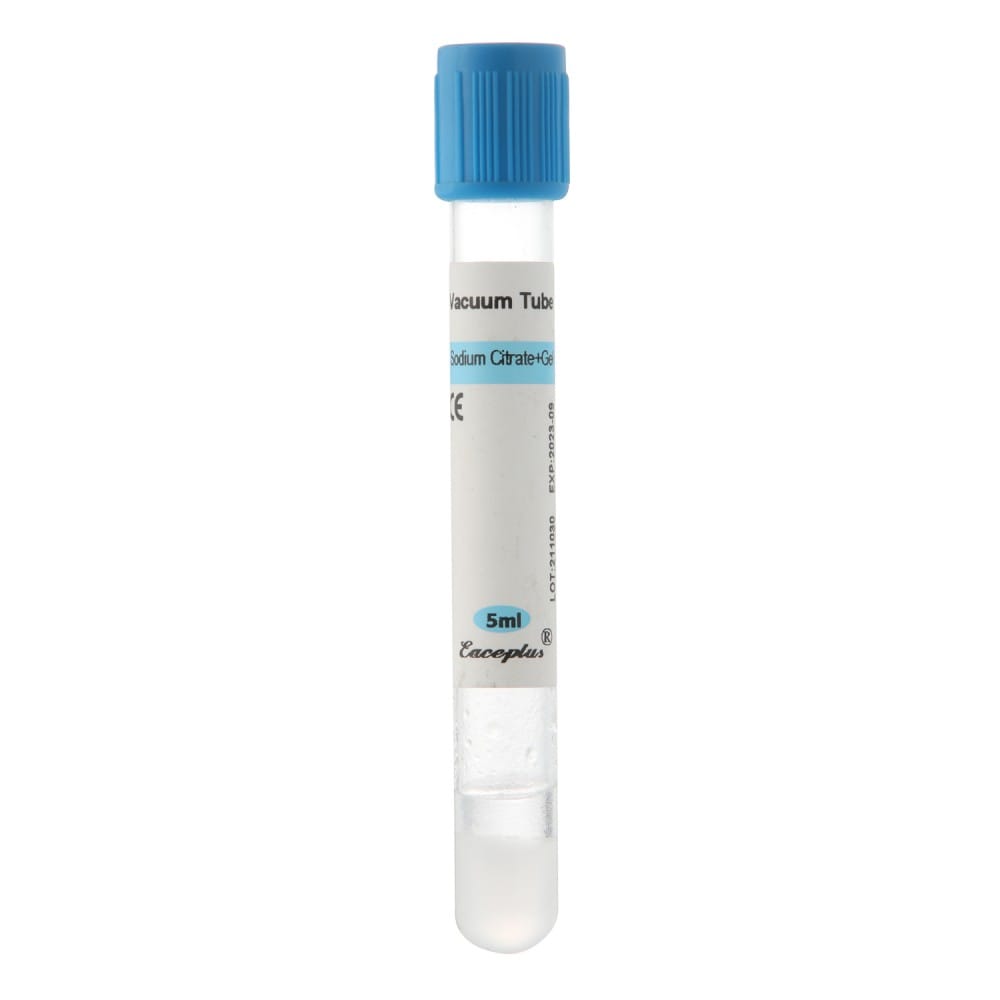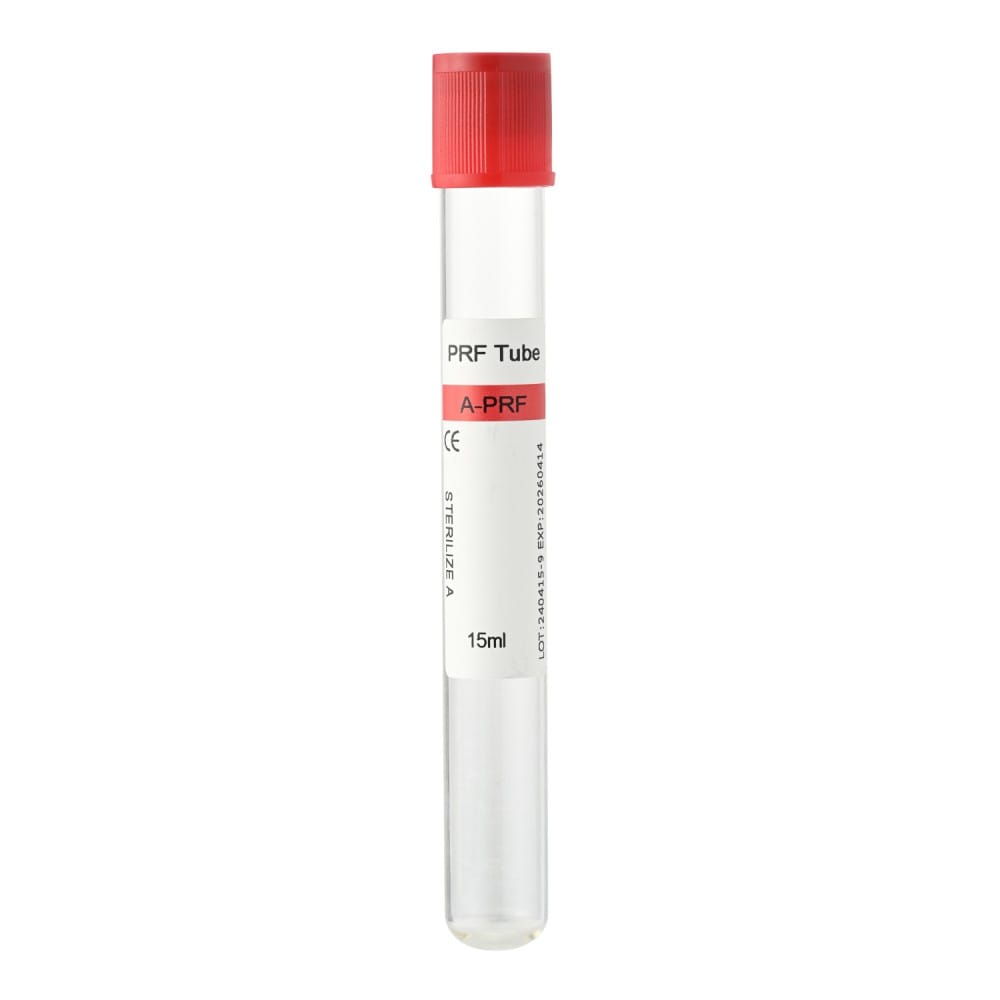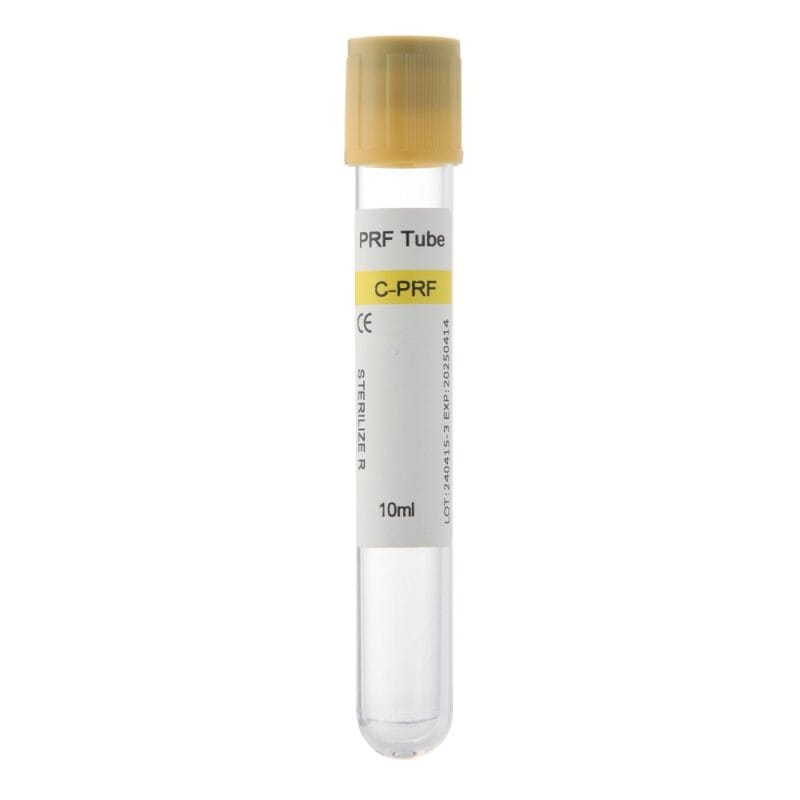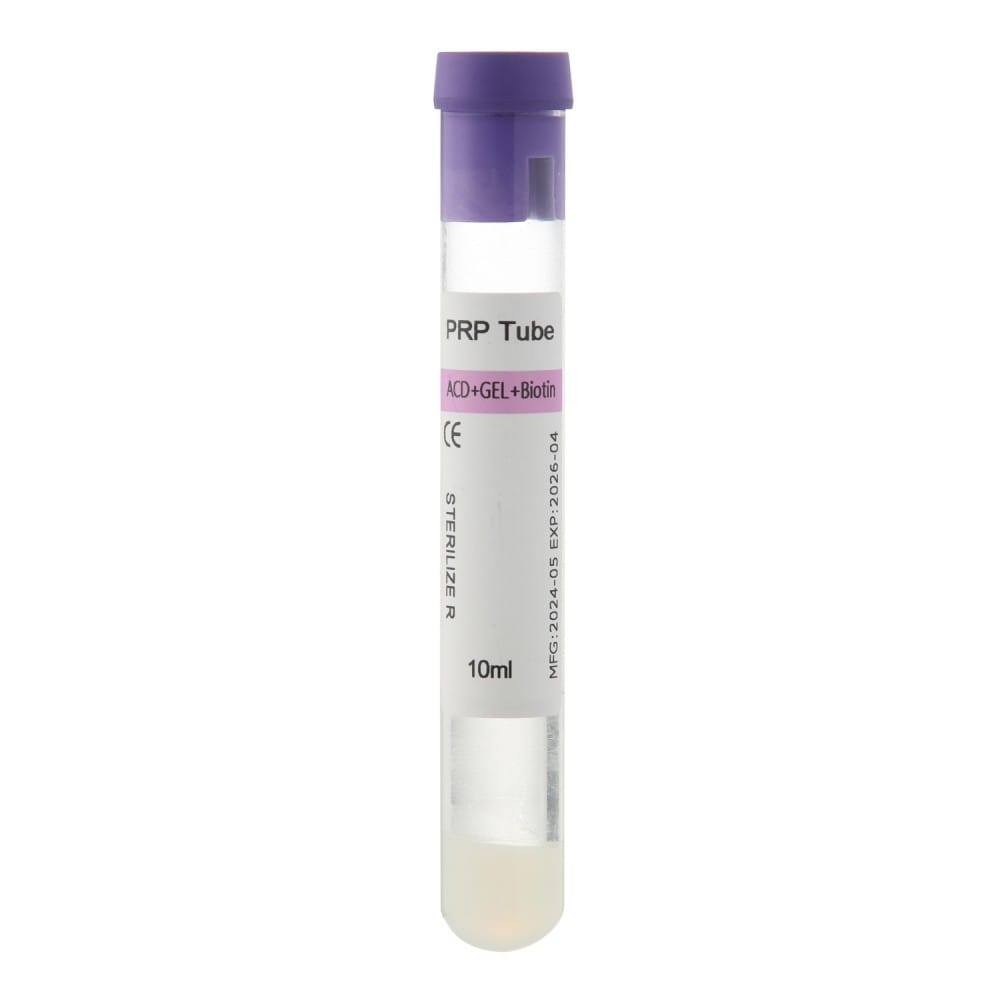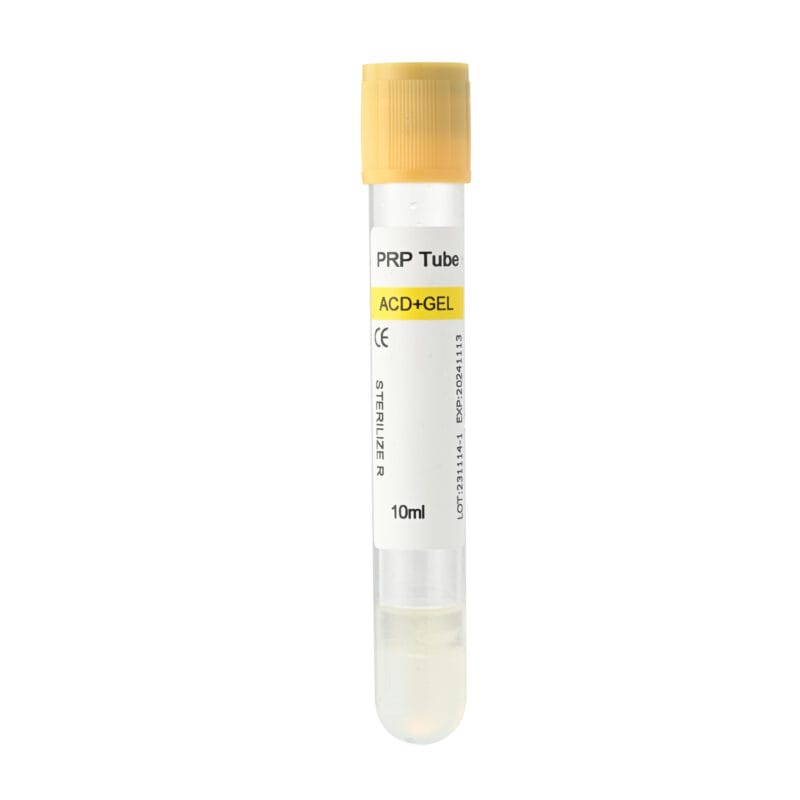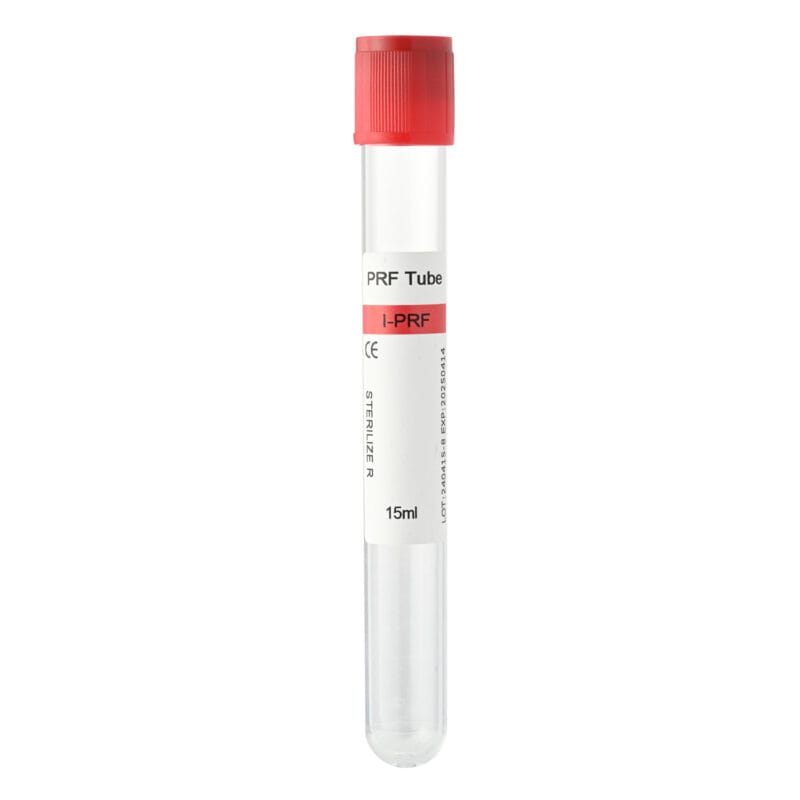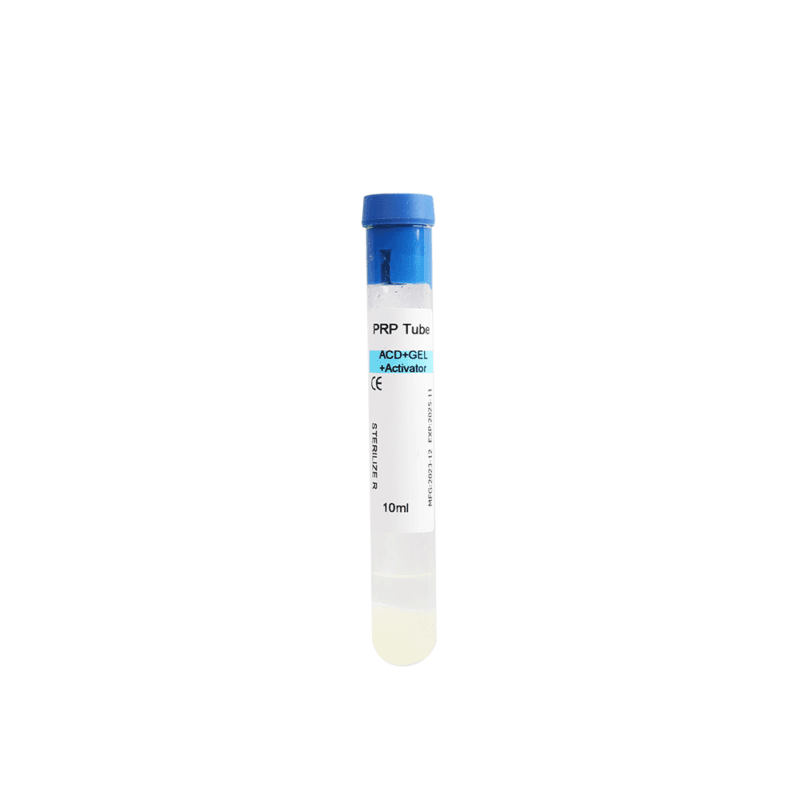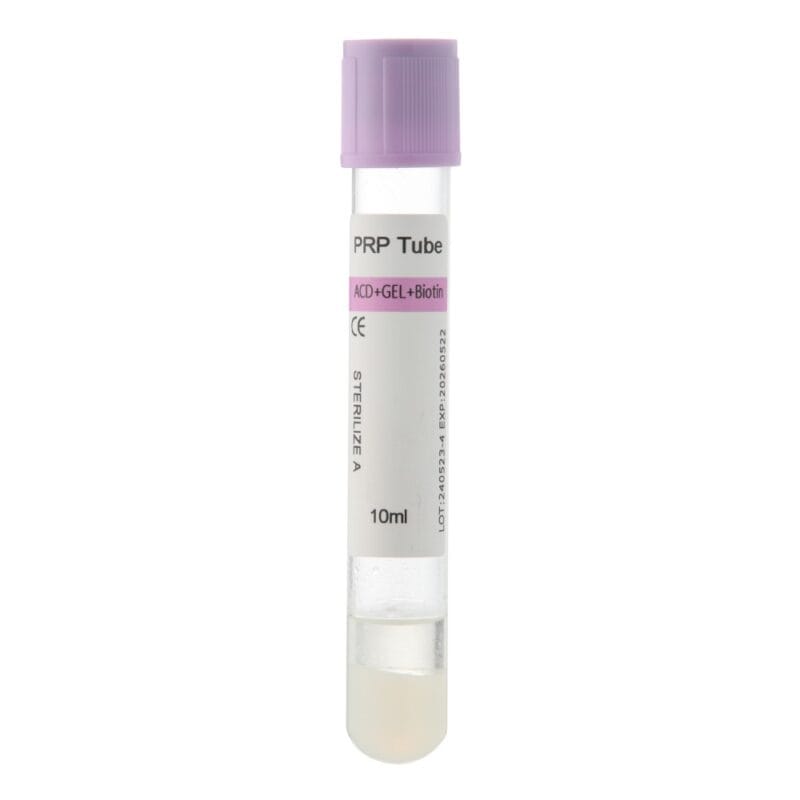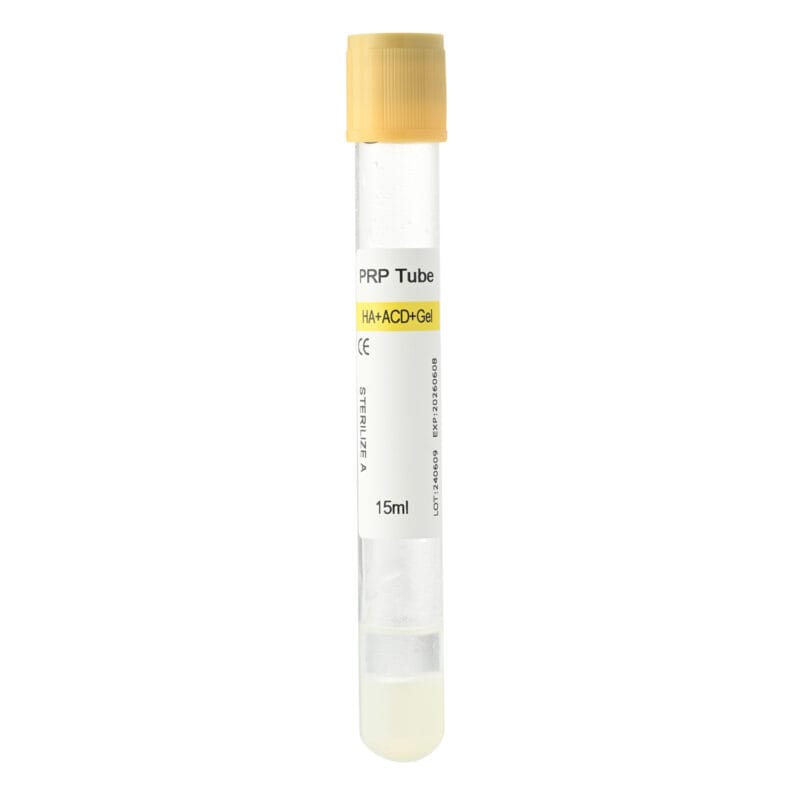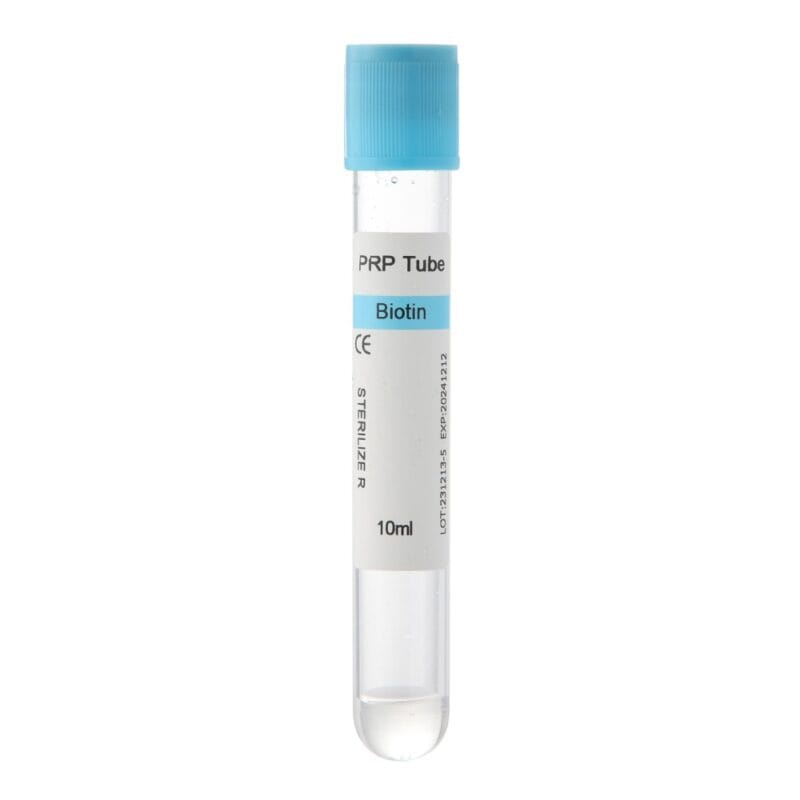
Single-Spin vs. Double-Spin PRP is an important topic for clinics and medical professionals choosing how to prepare platelet-rich plasma. Both methods use centrifugation to separate platelets from other blood components, but they differ in processing steps, final platelet concentration, preparation time, and handling requirements.
Single-spin preparation uses one centrifugation cycle to separate blood components and recover platelet-containing plasma. Double-spin preparation adds a second cycle, typically to concentrate platelets into a smaller volume of plasma. While the second approach can produce a higher platelet concentration, this does not automatically lead to better clinical results.
For clinics, dermatologists, and medical distributors, the decision involves more than choosing a centrifugation method. PRP tube design, sample volume, centrifuge compatibility, and preparation consistency also affect the final product. Understanding these factors helps buyers select a system that fits their clinical workflow.
What Is Single-Spin PRP and How Does It Work?
Single-spin PRP preparation uses one centrifugation cycle to separate whole blood into different components. It is commonly used in systems designed to recover platelet-containing plasma without an additional concentration stage.
The method is relatively straightforward, making it attractive to clinics that regularly prepare PRP and prefer a standardized workflow.
How Does Single-Spin PRP Preparation Work?
After blood collection, the tube is placed in a compatible centrifuge and processed according to the manufacturer’s validated instructions.
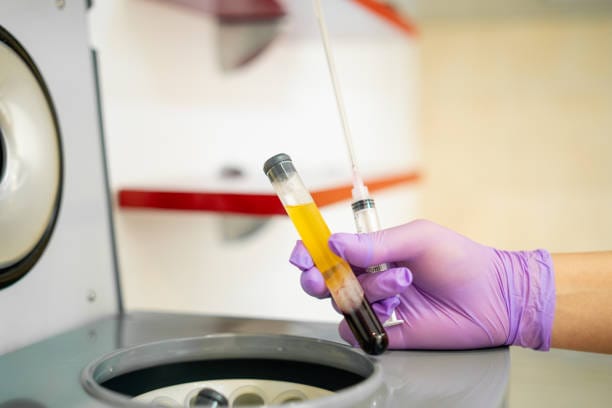
During centrifugation, blood components separate according to their density and other physical characteristics. The resulting layers generally include:
- Red blood cells (RBCs): The densest major cellular fraction, which typically settles toward the bottom.
- Buffy coat: A thin region containing leukocytes and platelets, although its appearance varies with the protocol.
- Plasma: The upper fraction, containing platelets in concentrations that depend on the separation and recovery method.
The operator then collects the designated platelet-containing fraction.
Some preparation systems use separation gel or another physical barrier to help maintain the separation between blood components. Others rely on careful plasma aspiration.
The final platelet concentration depends on the system design, centrifugal force, processing duration, and amount of plasma recovered. A clearly separated sample does not necessarily indicate high platelet recovery.
Advantages of Single-Spin Preparation
The main advantage of a one-stage centrifugation process is its relatively simple workflow.
With fewer processing stages, operators may spend less time preparing each sample. In a busy clinic, this can make routine procedures easier to organize.
Other potential benefits include fewer handling steps, reduced need for intermediate transfers, and simpler staff training when a standardized preparation system is used.
A compatible closed system may also reduce opportunities for environmental exposure during processing. However, the actual level of protection depends on the device design and how the procedure is performed.
Limitations of Single-Spin PRP
A single centrifugation cycle may provide less flexibility for adjusting the final platelet concentration than a method with a secondary concentration stage.
For example, recovering a relatively large plasma volume may increase the total number of platelets collected while producing a lower concentration per milliliter.
The composition can also change depending on where the operator collects the plasma. Sampling close to the buffy coat may increase leukocyte content or introduce red blood cells.
These limitations do not make single-spin preparation inferior. They highlight the importance of using a validated protocol and understanding the expected performance of the collection system.
What Is Double-Spin PRP and How Does It Work?
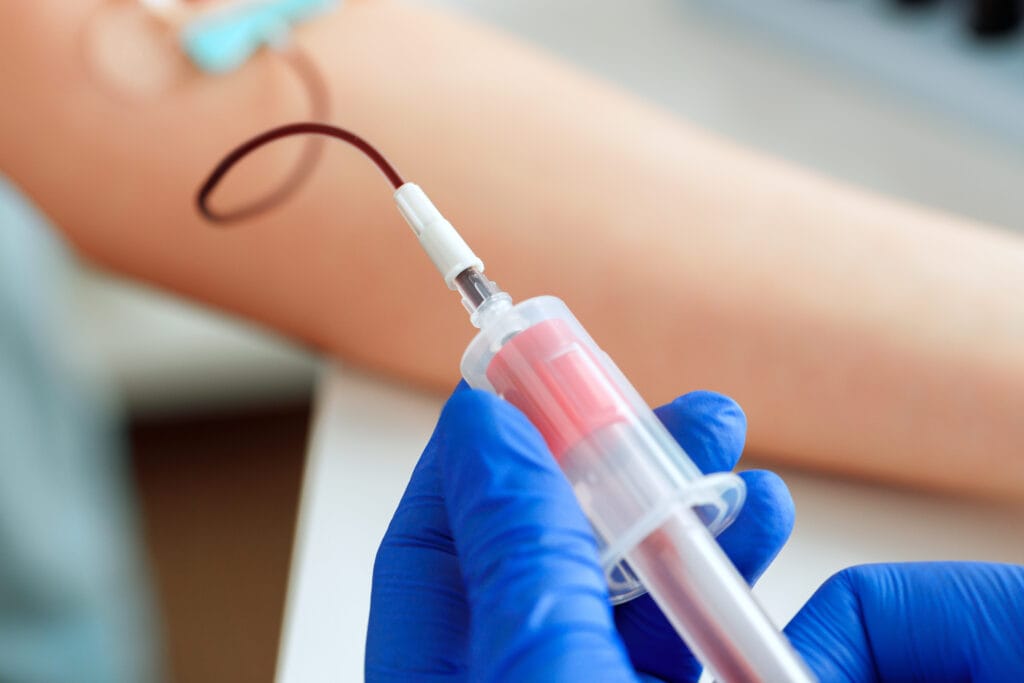
Double-spin PRP preparation uses two centrifugation stages. The first separates the main blood components, while the second processes the platelet-containing plasma to achieve the desired final composition.
This method offers additional flexibility when a protocol requires a smaller PRP volume or a particular platelet concentration.
The Two Stages of Double-Spin Preparation
First spin: Initial blood separation
The first centrifugation separates whole blood into its major components.
Depending on the protocol, the operator collects a platelet-containing plasma fraction, sometimes including a selected portion near the buffy coat.
The goal is to recover the desired platelet fraction while limiting unwanted cellular contamination.
Second spin: Platelet concentration
The collected plasma undergoes another centrifugation cycle under the conditions specified by the preparation protocol.
This stage can concentrate platelets into a sediment or platelet-rich fraction. The operator may then remove part of the platelet-poor plasma and resuspend the retained platelets in a smaller volume.
As a result, the final suspension may contain more platelets per milliliter.
However, some platelets can be lost during separation, transfer, or removal of the supernatant. Therefore, a higher final concentration does not necessarily indicate better platelet recovery.
Advantages of Double-Spin PRP
The main benefit of double centrifugation is greater control over the final plasma volume.
By adjusting the amount of plasma retained after the second spin, operators can prepare a more concentrated platelet suspension when the system and protocol support this approach.
This flexibility may be useful in procedures where a defined PRP volume or concentration is required.
Some protocols also allow operators to influence leukocyte content through fraction selection. However, two centrifugation cycles do not automatically produce leukocyte-rich or leukocyte-poor PRP.
The cellular composition depends on which fractions are collected and how they are processed.
Limitations of Double-Spin PRP
The additional centrifugation stage increases processing complexity.
Compared with a simple one-stage workflow, double-spin preparation generally takes longer and may require extra handling, transfer components, or processing containers.
Each additional transfer can introduce opportunities for sample loss, variation, or contamination if the procedure is not performed correctly.
Centrifugation conditions also require careful control. Excessive force or unsuitable processing may affect platelet recovery and characteristics, although these effects depend on the specific protocol.
For this reason, operators should follow the validated preparation instructions rather than assuming that a particular RPM setting is suitable for every PRP tube.
Single-Spin vs. Double-Spin PRP: Key Differences
The main differences between these preparation methods involve processing complexity, platelet concentration, final volume, and sample handling.
However, the number of centrifugation cycles alone cannot determine the quality or clinical effectiveness of the resulting PRP.
Single-Spin vs. Double-Spin PRP Comparison Table
| Comparison Factor | Single-Spin PRP | Double-Spin PRP |
|---|---|---|
| Centrifugation cycles | One | Two |
| Preparation workflow | Generally simpler | Additional processing stage |
| Processing time | Usually shorter | Usually longer |
| Platelet concentration | Depends on the collection system and protocol | Can be increased through secondary concentration |
| Final PRP volume | Depends on the recovery procedure | Can be adjusted by removing plasma |
| Platelet recovery | Protocol-dependent | Protocol-dependent; losses may occur during processing |
| Leukocyte content | Depends on fraction selection | Depends on fraction selection and transfer |
| Sample handling | Generally fewer steps | May require additional transfers |
| Tube compatibility | Validated single-spin system | Validated multi-stage system |
| Main advantage | Workflow simplicity | Concentration and volume flexibility |
Platelet Concentration, Recovery, and Total Platelet Dose
These three measurements are important when comparing PRP preparation methods.
Platelet concentration describes the number of platelets in a given volume of plasma, commonly expressed as platelets per microliter.
Platelet recovery describes the proportion of platelets retained from the original blood sample.
Total platelet dose refers to the total number of platelets present in the final PRP preparation.
A higher concentration does not always mean a larger total platelet dose.
Consider two hypothetical preparations:
- Preparation A contains 800,000 platelets/µL in 4 mL of PRP.
- Preparation B contains 1,200,000 platelets/µL in 2 mL of PRP.
Preparation B has a higher platelet concentration. However, Preparation A contains approximately 3.2 billion platelets, compared with 2.4 billion in Preparation B.
These figures are illustrative rather than expected performance values for a particular PRP system.
To calculate platelet recovery, the original platelet count and collected blood volume must also be considered.
For buyers comparing PRP tubes, these distinctions matter. A supplier’s reported concentration factor does not provide a complete picture of the system’s performance.
Does Double-Spin PRP Produce Better Clinical Results?
Not necessarily.
Laboratory studies have shown that some double-spin protocols can achieve higher platelet concentrations. However, the results vary with centrifugation conditions, collection methods, and processing systems.
Clinical evidence is also limited.
A 2025 systematic review comparing single-spin and double-spin PRP for androgenetic alopecia included three randomized controlled trials involving 90 participants.
The pooled analysis did not identify a statistically significant difference between the methods in platelet concentration or the evaluated hair-growth outcomes.
These findings do not establish that the two methods are equivalent for every clinical application. The studies were relatively small and focused on a specific indication.
More importantly, the results cannot be directly generalized to orthopedic, dental, or other aesthetic procedures.
Current evidence does not support a universal claim that increasing the number of centrifugation cycles improves clinical outcomes.
Which PRP Preparation Method Is Better for Different Applications?
Different clinical applications may require different PRP volumes, platelet characteristics, and handling procedures.
Rather than choosing a method based only on platelet concentration, clinics should consider the intended application and the preparation protocol supported by their equipment.
PRP for Hair Restoration
Hair restoration clinics often consider preparation time, consistency, platelet composition, and the amount of PRP required for scalp treatment.
A single-spin system may be convenient for clinics performing repeated procedures with a standardized workflow.
Double-spin preparation may be considered when a protocol requires additional control over final concentration or volume.
However, available comparative evidence does not establish that one method consistently produces better hair-growth outcomes.
PRP for Facial Aesthetic Procedures
For facial applications, clinics may prioritize controlled sample handling, consistent preparation, and an appropriate final volume.
Single-spin systems can offer operational convenience, particularly when the collection and recovery process is straightforward.
Double-spin systems may provide additional concentration flexibility, although higher platelet levels do not automatically translate into better aesthetic outcomes.
The choice should follow the intended treatment protocol rather than a general assumption that more concentrated PRP is always preferable.
PRP for Orthopedic Applications
Orthopedic PRP protocols may differ in platelet dose, leukocyte content, and injection volume. These factors can influence the characteristics of the final preparation.
One important distinction is between leukocyte-rich PRP (LR-PRP) and leukocyte-poor PRP (LP-PRP).
LR-PRP contains a higher concentration of white blood cells, while LP-PRP is prepared to minimize leukocyte content. Both formulations are used in orthopedic research and clinical practice, although their suitability depends on the condition being treated.
For example, LP-PRP is frequently studied for knee osteoarthritis, partly because leukocyte content may influence inflammatory responses. However, clinical findings vary, and neither formulation is universally superior.
Importantly, single-spin preparation does not automatically produce LP-PRP, and double-spin preparation does not necessarily produce LR-PRP. Leukocyte content depends on the separation protocol, collection technique, and whether the buffy coat is included.
Therefore, clinics should consider both platelet and leukocyte composition when selecting a PRP preparation system, rather than relying on the number of centrifugation cycles alone.
PRP for Dental Applications
In dentistry and oral surgery, the required PRP volume and intended use may influence preparation choices.
A one-stage process can be practical when the desired platelet-containing fraction is recovered directly.
Two-stage preparation may be considered when the validated protocol requires further concentration.
PRP should also be distinguished from platelet-rich fibrin (PRF), which has different preparation principles and product characteristics. PRF centrifugation protocols should not automatically be applied to PRP collection tubes.
How to Choose PRP Tubes for Single-Spin or Double-Spin Preparation
For clinics and medical distributors, choosing the appropriate PRP tube is just as important as selecting the centrifugation method.
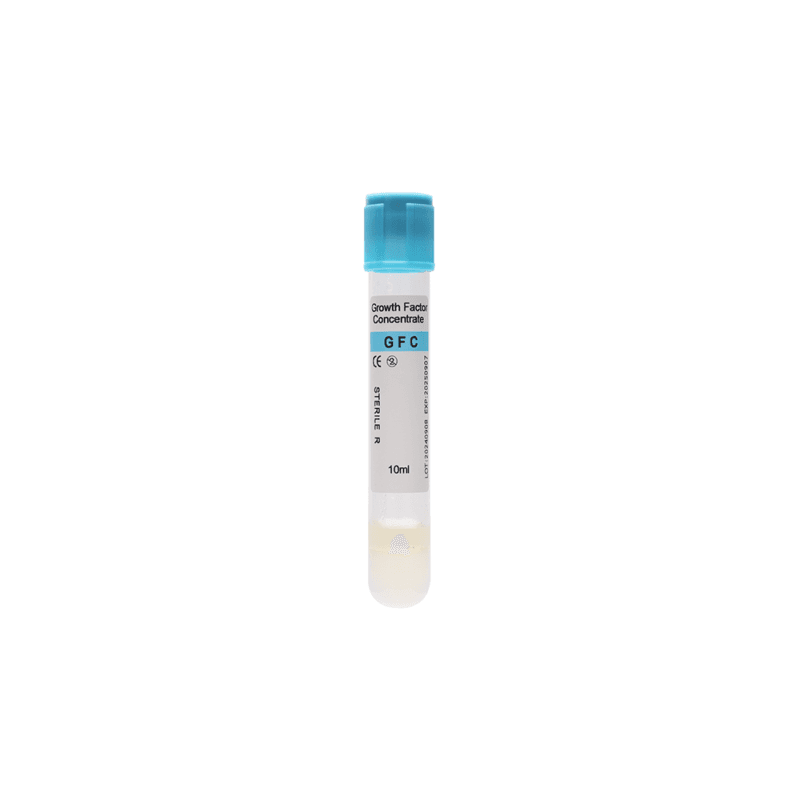
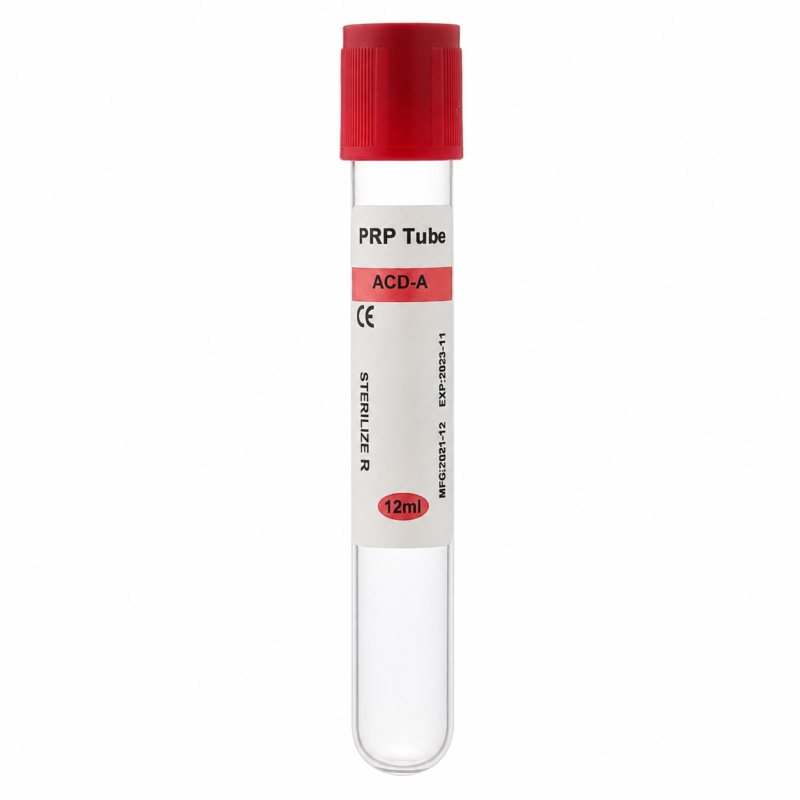
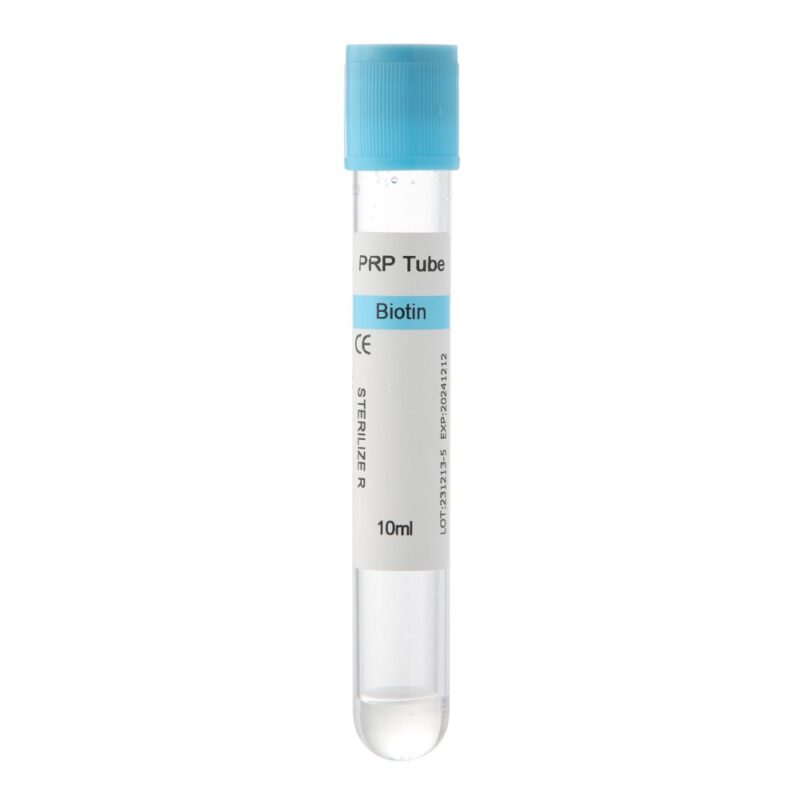
The tube is part of a complete preparation system. Its internal design, separation mechanism, collection capacity, and compatibility with processing equipment can influence the final PRP product.
Confirm the Intended Preparation Method
Before purchasing PRP tubes, determine whether the clinical workflow uses one or two centrifugation cycles.
Some tubes are designed for single-stage separation and direct recovery of platelet-containing plasma.
Other preparation systems support additional processing through compatible containers or transfer components.
A tube intended for single-spin use should not automatically be used for a second centrifugation cycle.
Buyers should confirm the manufacturer’s validated instructions, permitted processing steps, and required accessories.
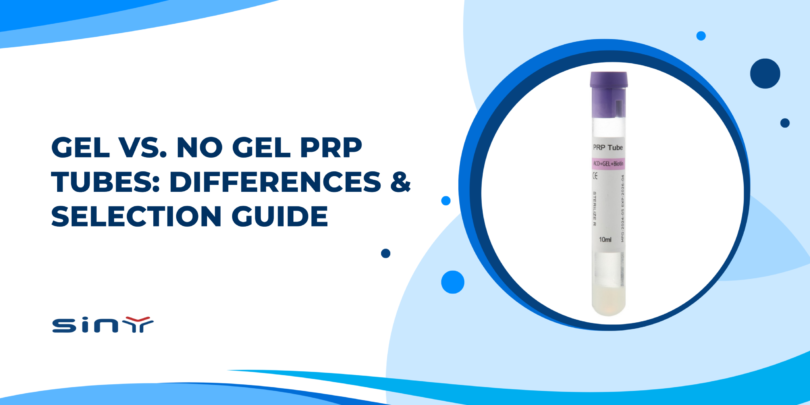
Understand Gel and Gel-Free PRP Tubes
Separation gel is an important consideration when selecting PRP collection tubes.
In compatible systems, the gel forms a physical barrier between blood components during centrifugation. This can help maintain separated layers and support controlled plasma recovery.
However, the presence of gel does not establish whether a tube supports single-spin or double-spin preparation.
Some gel-based systems are designed primarily for one-stage separation. Additional centrifugation or plasma transfer may not be supported by their instructions.
Gel-free systems may offer different recovery and processing options, but they are not automatically suitable for double-spin preparation either.
The correct choice depends on the complete tube design and validated workflow.
Compare Collection Volume and PRP Yield
Collection volume affects the amount of blood available for PRP preparation, but it does not independently determine platelet concentration.
For example, a larger tube may provide more starting material. The final PRP volume and platelet dose still depend on recovery efficiency and processing conditions.
When comparing suppliers, buyers should consider:
- Initial blood collection volume.
- Expected final PRP volume.
- Platelet concentration and recovery data.
- Number of tubes needed per procedure.
- Compatibility with the intended preparation protocol.
It is also useful to confirm whether reported performance data come from controlled testing and whether the preparation conditions are clearly described.
Comparing products under different centrifugation settings or recovery procedures may produce misleading conclusions.
Check Centrifuge and Tube Compatibility
PRP tubes must be compatible with the centrifuge, rotor, and tube holders used during preparation.
Tube dimensions, construction materials, closure design, and supported centrifugal force can affect compatibility.
Another important distinction is the difference between RPM and relative centrifugal force (RCF).
RPM measures rotational speed, while RCF describes the centrifugal force applied to the sample.
The same RPM can generate different RCF values when rotor dimensions differ.
Therefore, buyers should review the manufacturer’s validated centrifugation requirements instead of relying on RPM alone.
Evaluate Handling Requirements and Supplier Information
For clinics and distributors, a practical PRP system should provide consistent performance without unnecessary processing complexity.
Single-spin systems may reduce the number of handling steps, while double-spin systems may require additional transfers and accessories.
If a preparation method involves transferring plasma between containers, buyers should confirm how the system maintains an appropriate sterile workflow.
Before selecting a supplier, it is reasonable to request product instructions, centrifuge compatibility information, preparation workflow details, and available performance data.
For double-spin systems, buyers should also verify whether the necessary transfer and processing components are included or supplied separately.
A clear understanding of these requirements can help clinics avoid purchasing tubes that do not match their equipment or intended procedure.
Ultimately, the most suitable PRP tube is not simply the one promising the highest platelet concentration. It is the product that supports a defined, repeatable, and compatible preparation process.
Frequently Asked Questions About Single-Spin and Double-Spin PRP
1. Is double-spin PRP better than single-spin PRP?
Not necessarily. Double-spin preparation can increase platelet concentration under suitable conditions, but this does not guarantee better clinical outcomes. The preferred method depends on the preparation system, platelet characteristics, and intended application.
2. Does double-spin PRP always have a higher platelet concentration?
No. The final concentration depends on centrifugation settings, platelet recovery, and the amount of plasma retained. Some single-spin systems can also achieve substantial platelet enrichment.
3. Can the same PRP tube be used for both preparation methods?
Only if the manufacturer supports both protocols. Tube design, separation barriers, and processing requirements may limit its use. Buyers should verify the intended preparation method before purchasing.
4. Does single-spin PRP contain fewer platelets?
Not necessarily. A single-spin preparation may have a lower concentration per milliliter but a larger final volume. Total platelet dose and recovery should be considered alongside concentration.
5. Are gel PRP tubes suitable for double-spin preparation?
Compatibility depends on the specific system. Some gel-containing tubes are intended for one-stage separation, while others may support additional processing under validated conditions. The presence of gel alone does not determine suitability.
6. What information should buyers request when comparing PRP tube suppliers?
Buyers should request information about the intended centrifugation protocol, tube capacity, compatible equipment, expected PRP yield, platelet recovery data, and handling requirements. These details help determine whether the product fits the clinic’s preparation workflow.
Summary: Choosing the Right PRP Preparation Method
Single-spin and double-spin PRP preparation offer different approaches to platelet separation and concentration. Single-spin systems generally provide a simpler workflow, while double-spin systems offer additional flexibility in adjusting final platelet concentration and plasma volume.
Neither method is universally better. The most appropriate choice depends on the intended clinical application, preparation protocol, platelet characteristics, and equipment compatibility.
For clinics and medical distributors, selecting suitable PRP tubes is essential for a consistent preparation process. Siny PRP offers PRP collection tube options for different preparation requirements. Explore our PRP tube products or contact our team to discuss tube configurations, centrifuge compatibility, and purchasing needs.