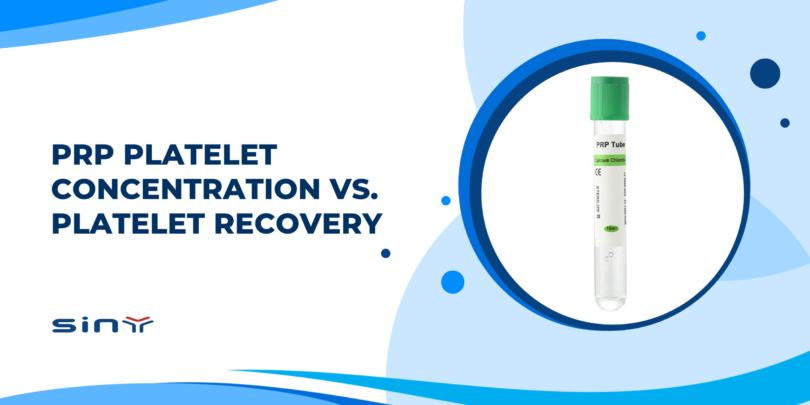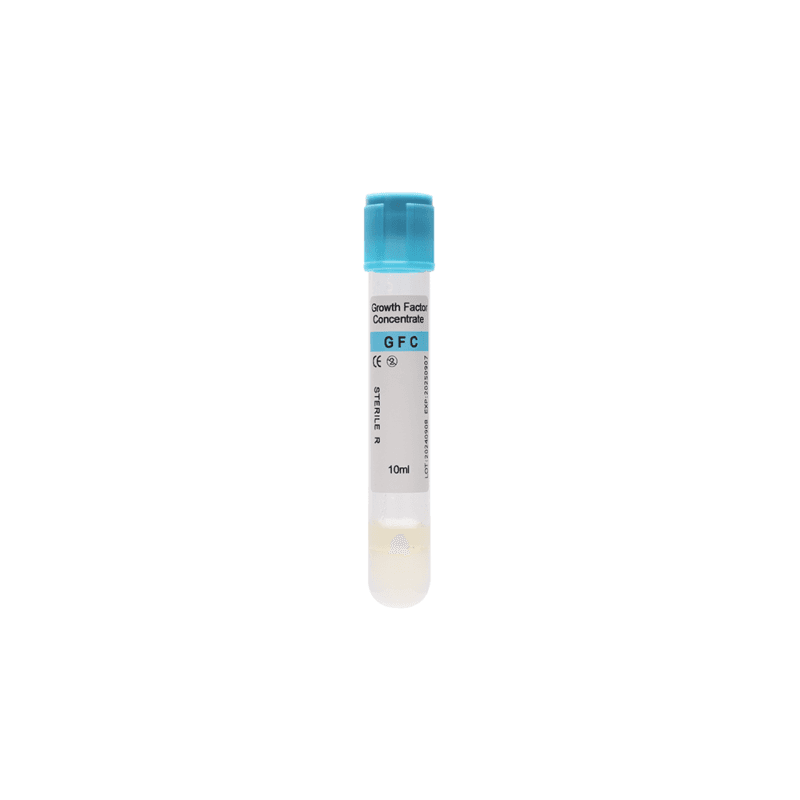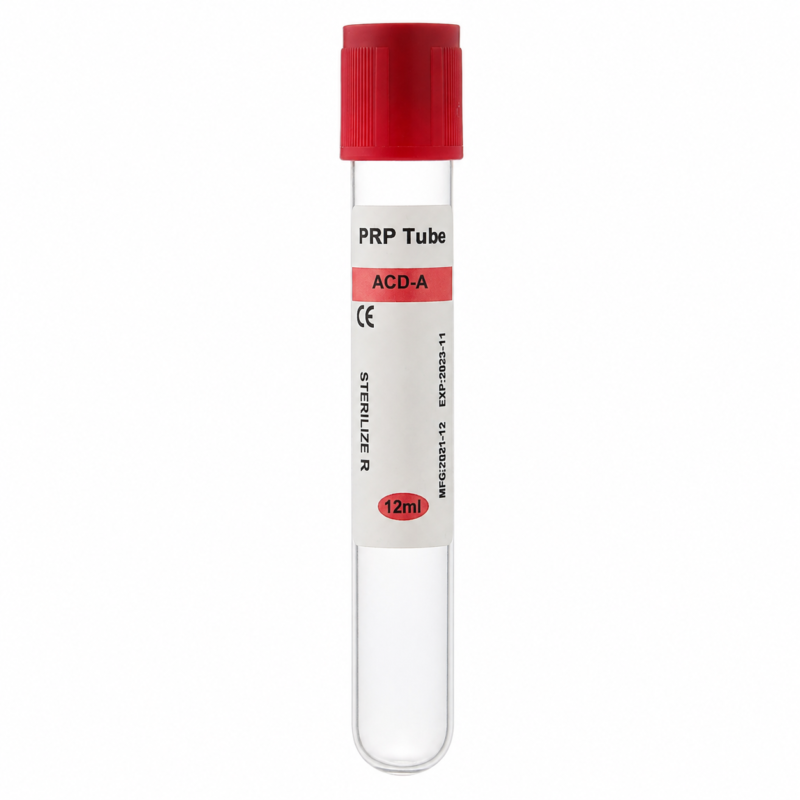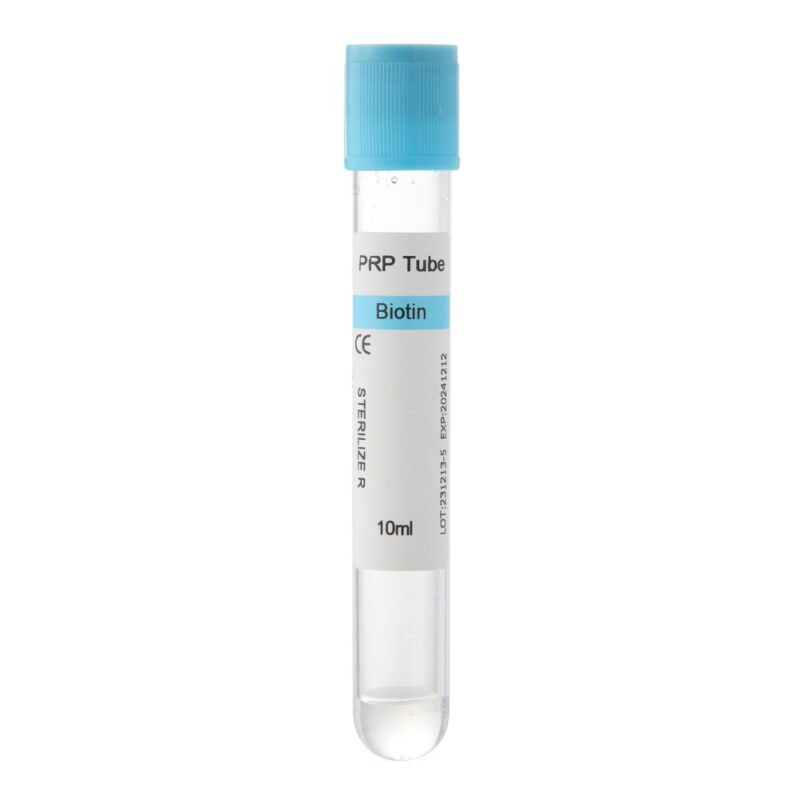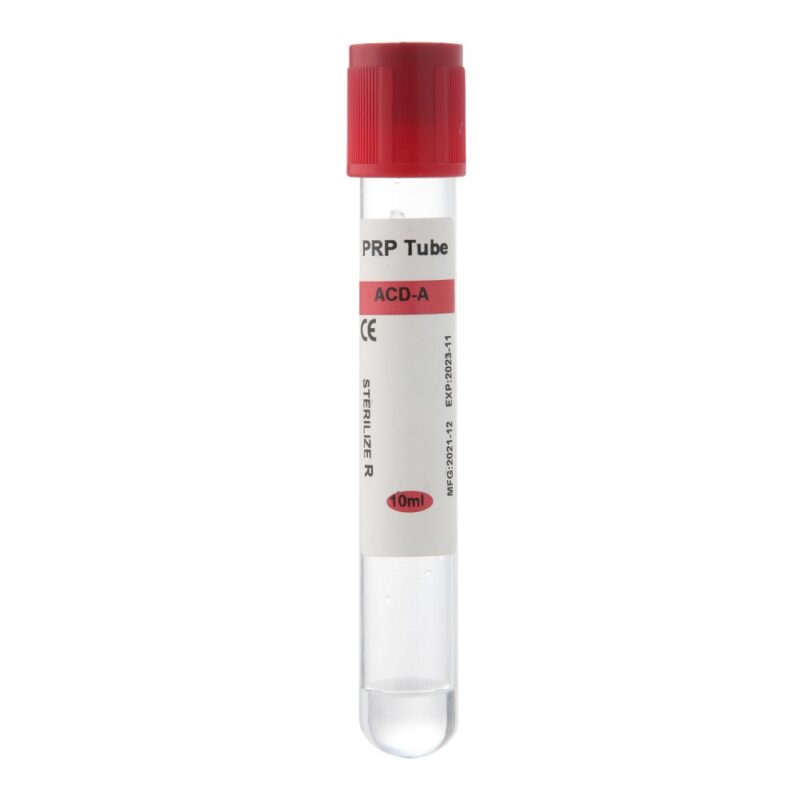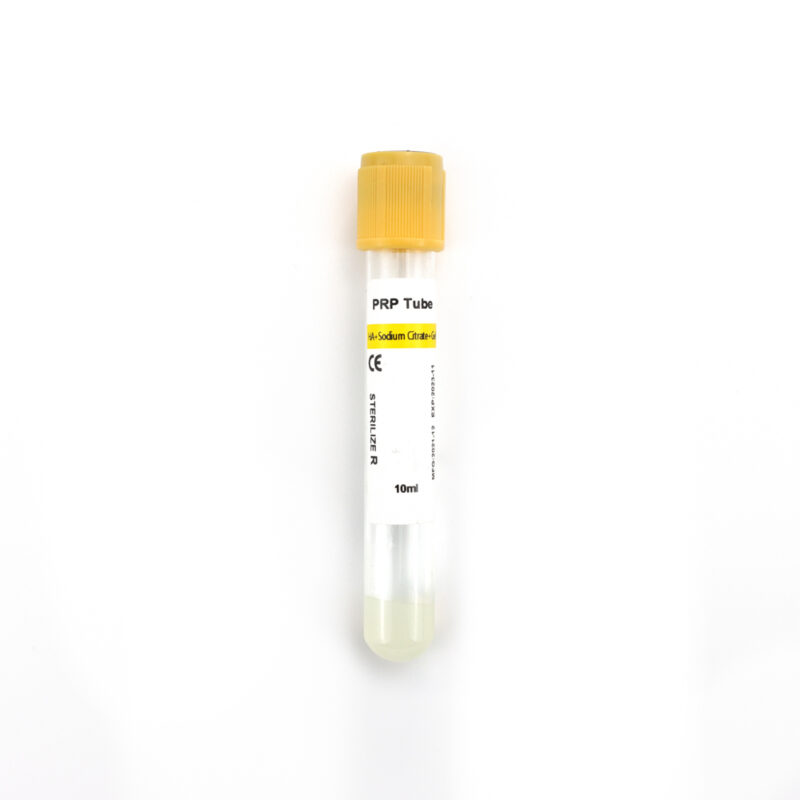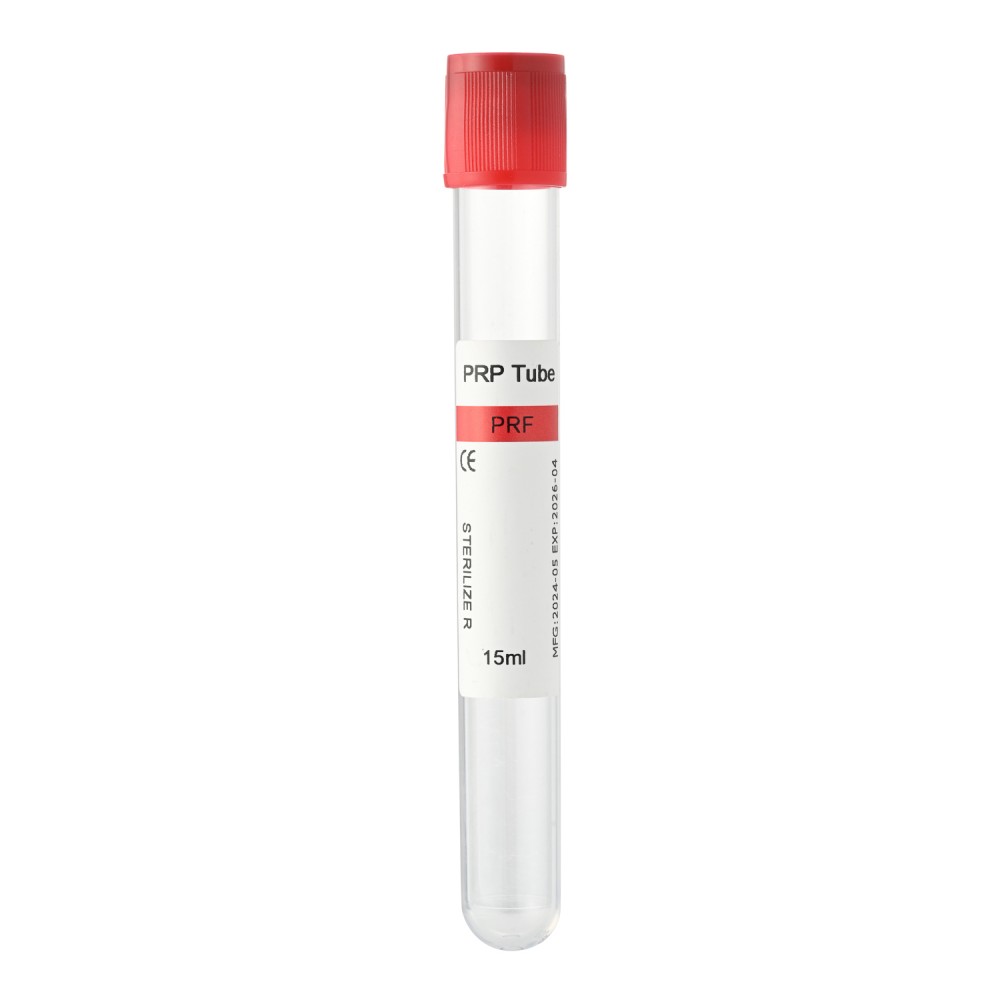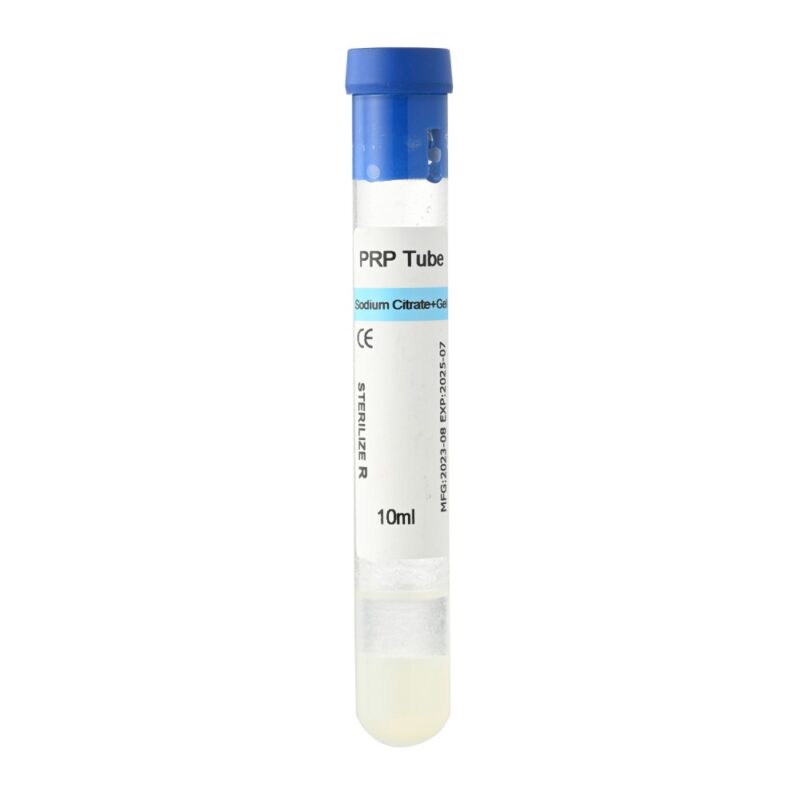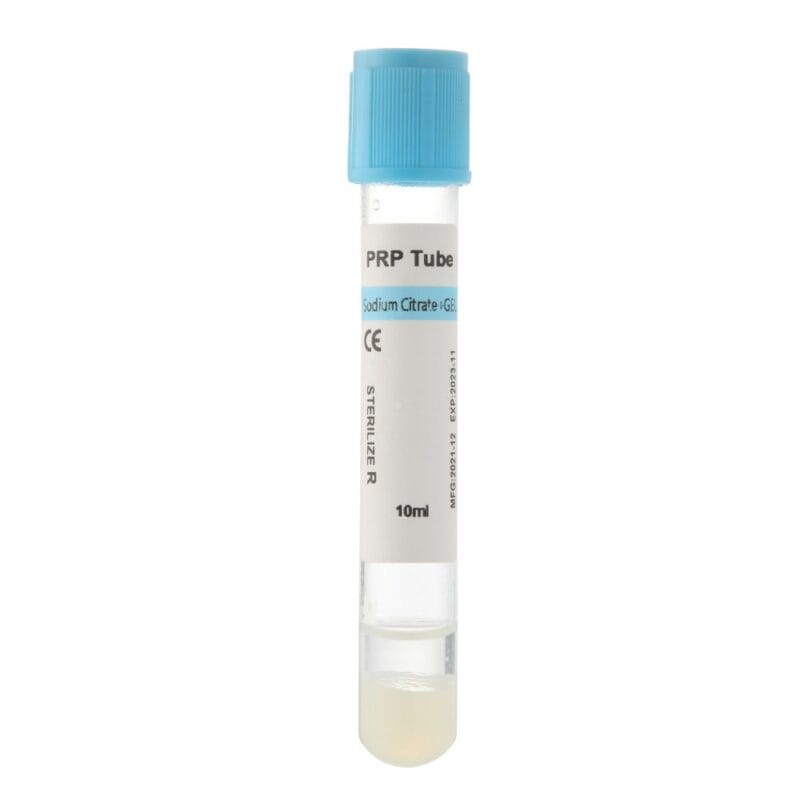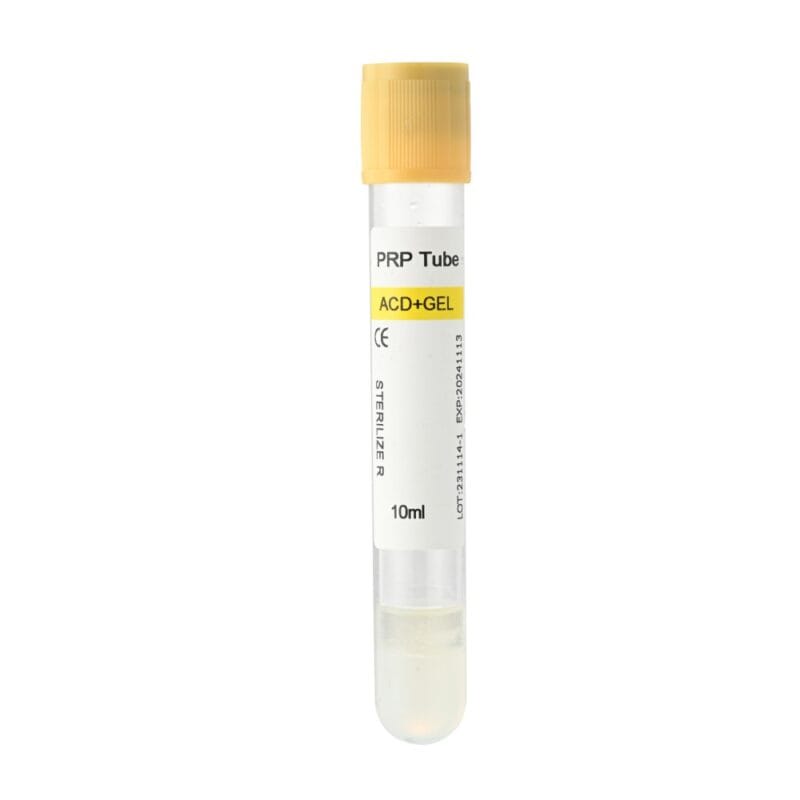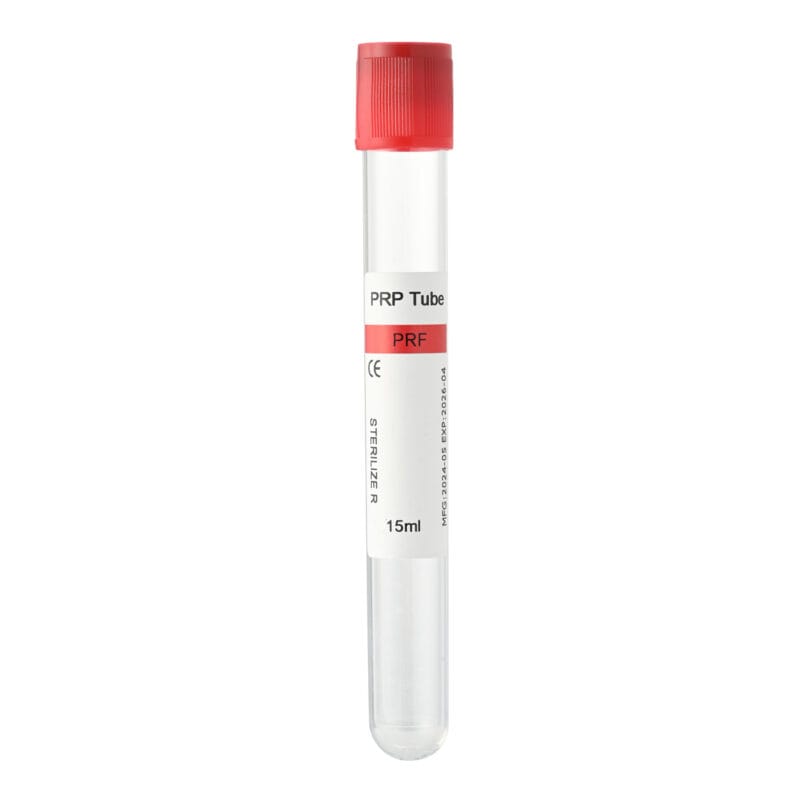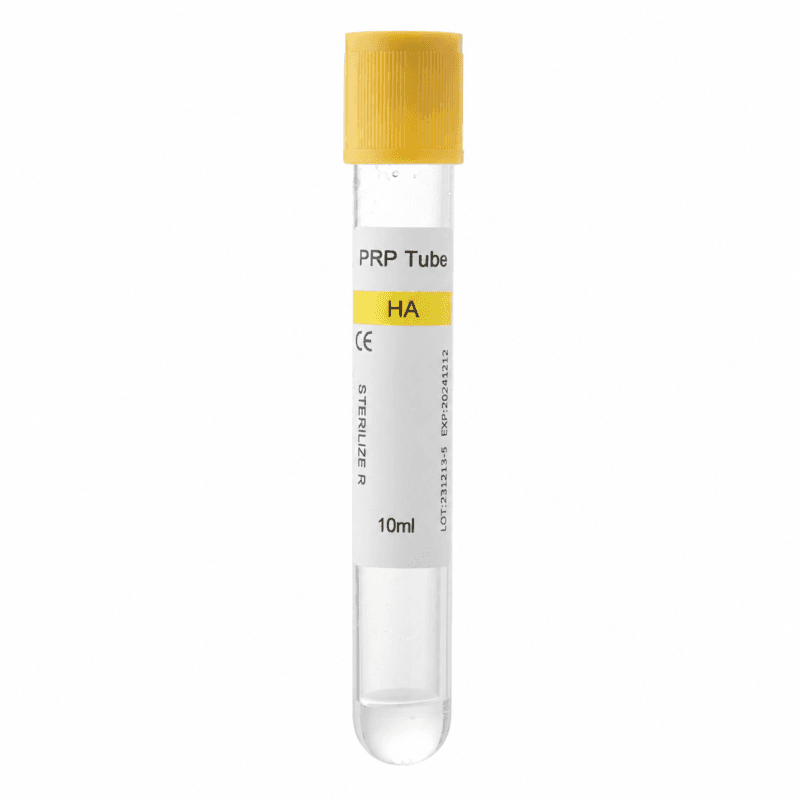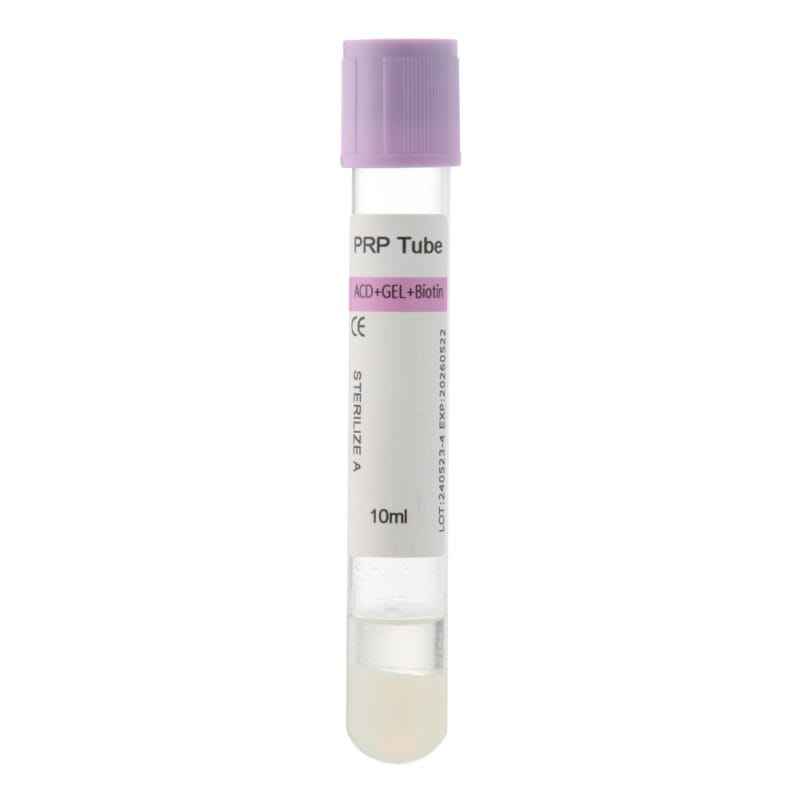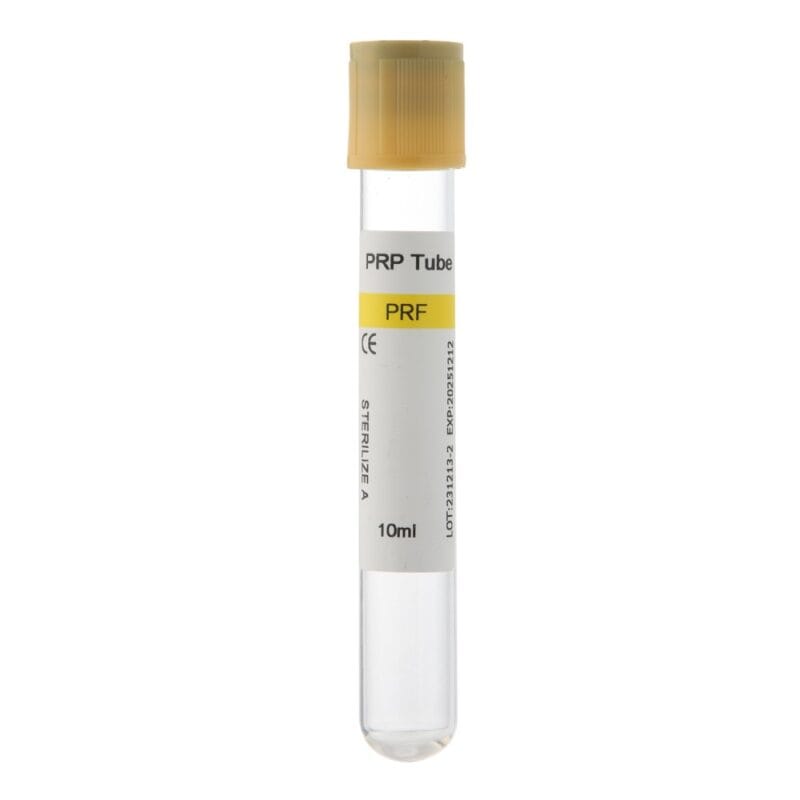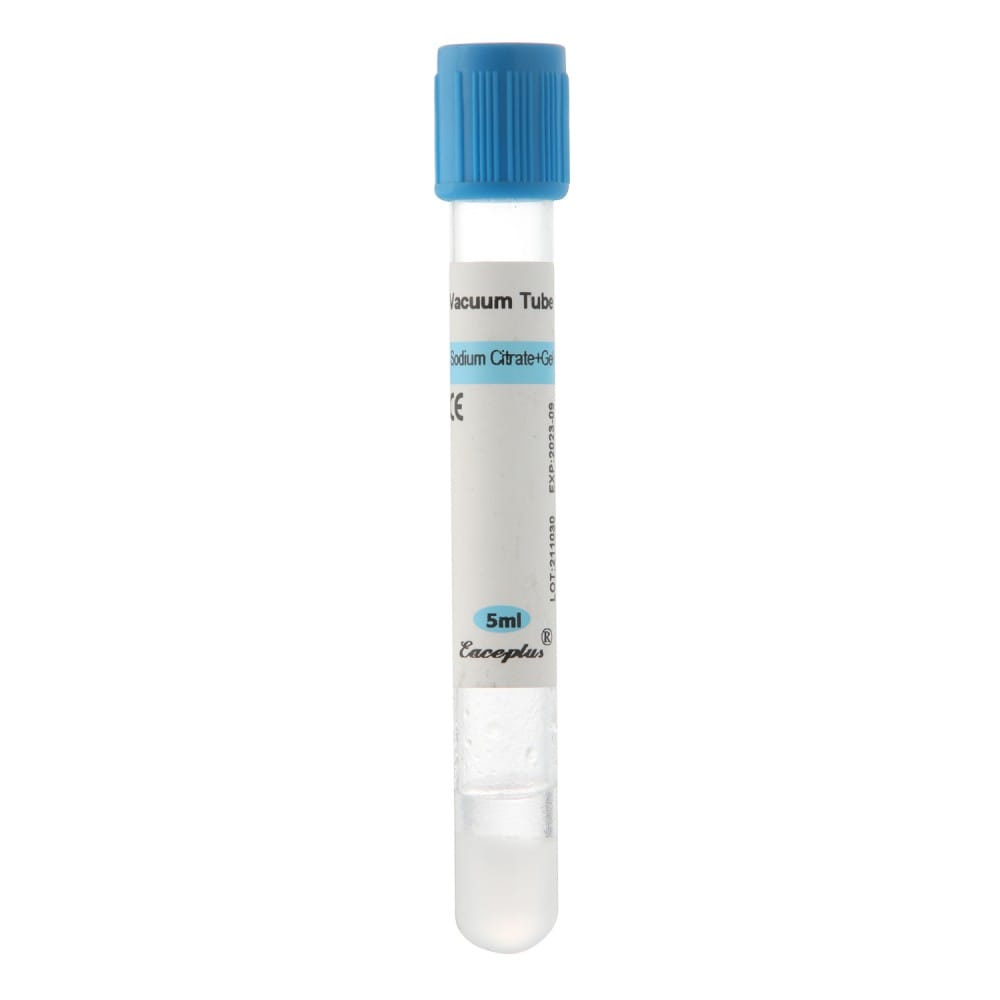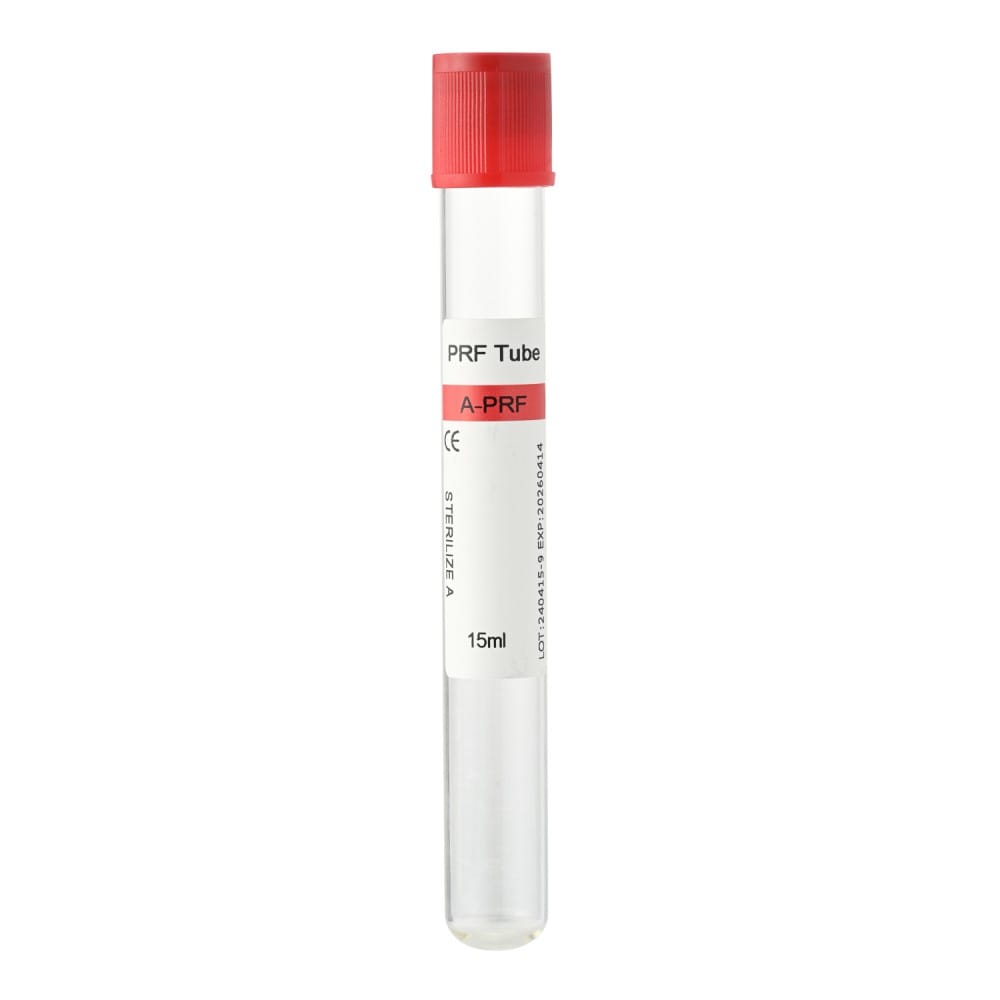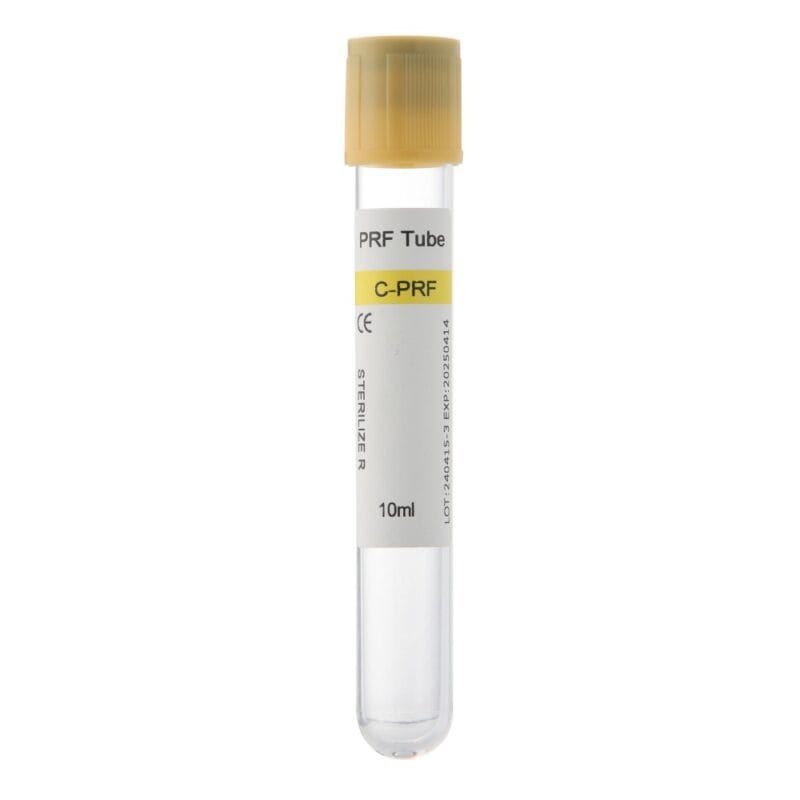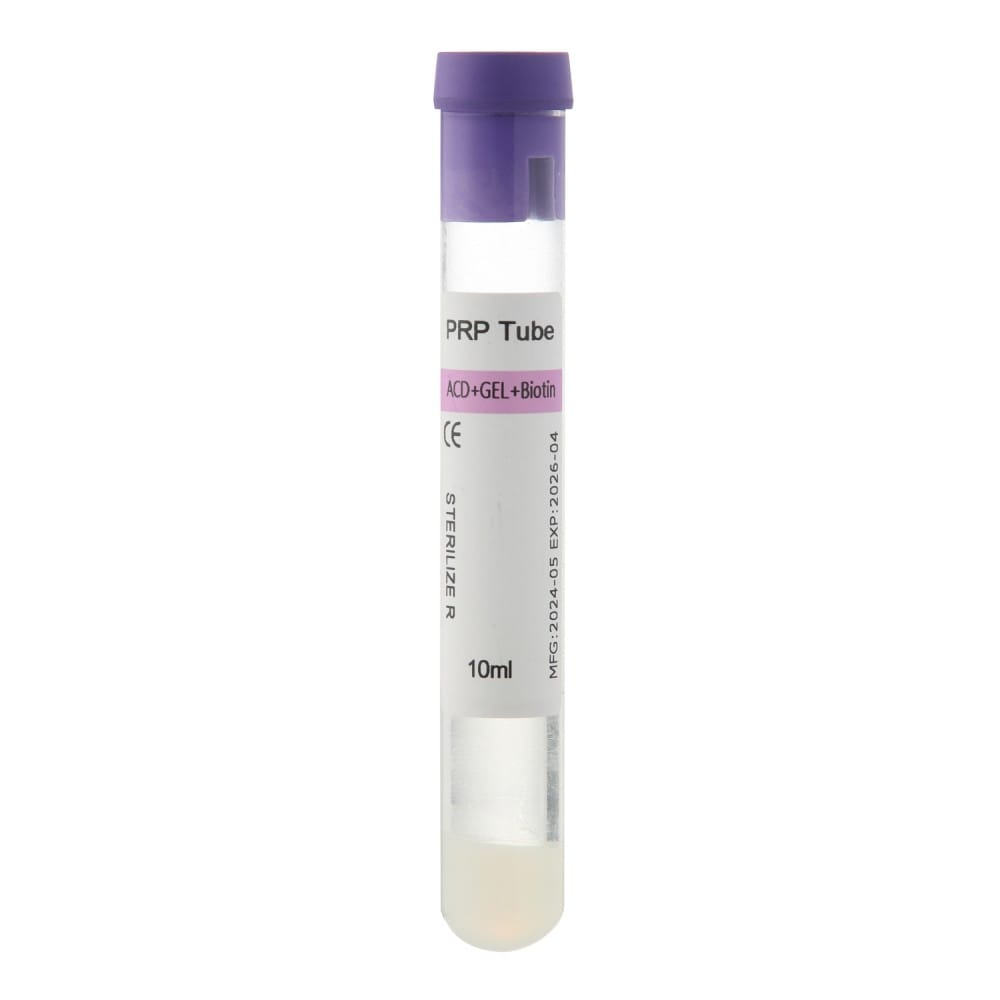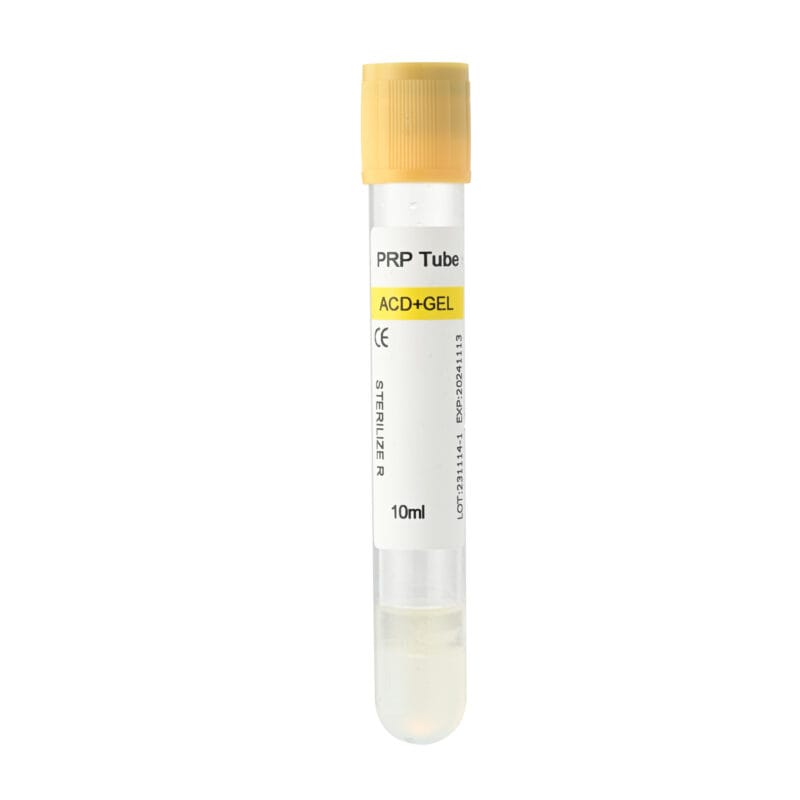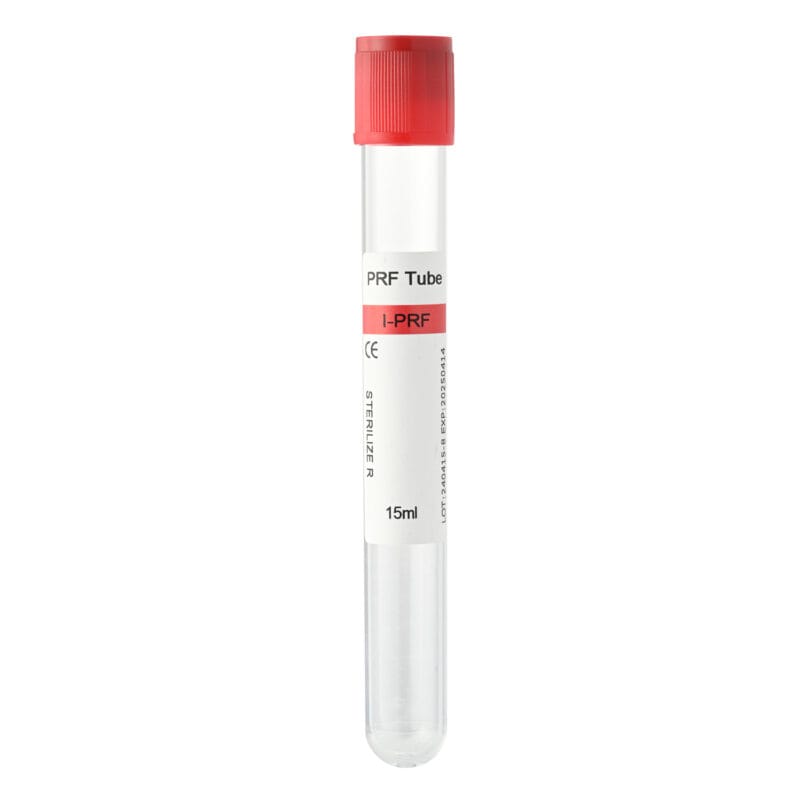
Platelet-rich plasma (PRP) is widely used in regenerative medicine, hair restoration, aesthetic treatments, and orthopedic procedures. However, different PRP preparation methods can produce significantly different platelet counts, plasma volumes, and recovery efficiencies. For clinics and medical distributors purchasing PRP tubes, understanding these differences is essential.
PRP Platelet Concentration vs. Platelet Recovery is an important distinction when evaluating PRP preparation performance. Platelet concentration measures how many platelets are present in a specific volume of PRP, while platelet recovery measures how many platelets from the original blood sample are successfully collected.
A preparation with a high platelet concentration does not necessarily achieve a high recovery rate. Similarly, a system that recovers more platelets may produce a lower concentration if the final plasma volume is larger.
Understanding both indicators helps buyers interpret technical data, compare preparation methods, and make informed purchasing decisions.
What Is Platelet Concentration in PRP?
Platelet concentration refers to the number of platelets contained in a specific volume of platelet-rich plasma. It is usually expressed as platelets per microliter (platelets/µL).
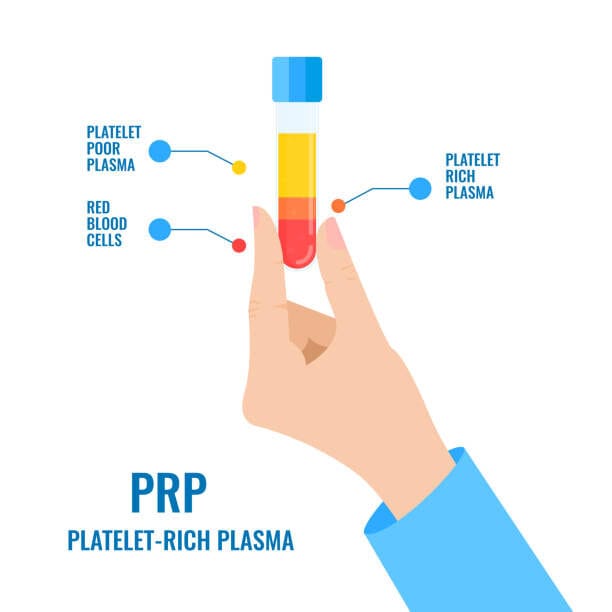
During PRP preparation, whole blood is centrifuged to separate its components. The platelet-containing plasma fraction is then collected according to the preparation protocol.
The resulting PRP may contain a higher platelet concentration than the original blood sample.
However, the final concentration depends on the number of platelets collected and the volume of plasma retained.
How Is Platelet Concentration Calculated?
One common measurement is the platelet concentration factor, also known as the platelet enrichment factor.
Platelet Concentration Factor = Platelet Concentration in PRP ÷ Platelet Concentration in Whole Blood
For example, suppose a whole blood sample contains 250,000 platelets/µL.
After processing, the final PRP contains 1,000,000 platelets/µL.
The calculation is:
1,000,000 ÷ 250,000 = 4
Therefore, the PRP has a platelet concentration four times higher than the original whole blood.
This is commonly described as 4× platelet concentration.
The calculation indicates platelet enrichment but does not show how many platelets were recovered during processing.
Why Does Platelet Concentration Matter?
Platelets contain biologically active substances involved in cellular signaling and tissue repair.
These include platelet-derived growth factor (PDGF), transforming growth factor-beta (TGF-β), and vascular endothelial growth factor (VEGF).
Because of these biological functions, platelet concentration is frequently measured when evaluating PRP preparations.
However, a higher platelet count does not automatically produce better clinical outcomes.
Platelet integrity, activation status, leukocyte content, and the intended application can also influence the characteristics of the final preparation.
Moreover, there is no universally optimal platelet concentration for every PRP application.
For purchasing teams, concentration is a useful technical indicator, but it should not be the only factor used to evaluate PRP tubes.
What Is Platelet Recovery and How Is It Calculated?
Platelet recovery measures the percentage of platelets from the original blood sample that are retained in the final PRP.
Unlike concentration, which describes platelet density, recovery evaluates the efficiency of platelet collection.
This distinction becomes important when different preparation methods produce different final PRP volumes.
Platelet Recovery Formula
It is commonly calculated using the following formula:
Platelet Recovery (%) = (Total Platelets in Final PRP ÷ Total Platelets in Initial Whole Blood) × 100
When platelet concentrations and volumes are available, the calculation becomes:
Platelet Recovery (%) = [(PRP Platelet Concentration × PRP Volume) ÷ (Initial Platelet Concentration × Initial Blood Volume)] × 100
For accurate comparisons, the initial and final platelet measurements must use consistent units and clearly defined sample volumes.
If anticoagulant or other additives affect the measured sample volume or platelet concentration, the calculation should account for those effects.
Example of Platelet Recovery Calculation
Consider a hypothetical PRP preparation with the following measurements:
- Initial whole blood volume: 10 mL
- Initial platelet concentration: 250,000 platelets/µL
- Final PRP volume: 2 mL
- Final PRP platelet concentration: 1,000,000 platelets/µL
First, calculate the total platelet count in the original blood sample. Since platelet concentration is expressed in platelets per microliter (µL), the blood volume must be converted from milliliters (mL) to microliters (1 mL = 1,000 µL).
10 mL × 1,000 µL/mL × 250,000 platelets/µL = 2.5 billion platelets
Next, calculate the total platelet count in the final PRP using the same unit conversion:
2 mL × 1,000 µL/mL × 1,000,000 platelets/µL = 2 billion platelets
The platelet recovery rate is:
Platelet Recovery = (2 billion ÷ 2.5 billion) × 100 = 80%
Therefore, this hypothetical preparation achieves:
- Platelet concentration factor: 4×
- Platelet recovery: 80%
- Final PRP volume: 2 mL
- Total recovered platelets: 2 billion
These figures illustrate the calculation only. They do not represent the tested performance of a particular PRP tube or preparation system.
Why Is Platelet Recovery Important?
During centrifugation, platelets are distributed among different blood fractions.
Some may remain in plasma that is not collected, while others may be lost during separation or transfer.
Platelet recovery helps quantify how efficiently the preparation process retains the original platelet population.
For example, two methods may produce similar final platelet concentrations but recover different proportions of the starting platelets.
A higher recovery percentage indicates greater platelet capture under the measured conditions.
However, recovery alone does not establish platelet functionality, purity, or clinical effectiveness.
PRP Platelet Concentration vs. Platelet Recovery: Key Differences
The main difference between these measurements is their purpose.
Platelet concentration describes the number of platelets per unit volume of PRP.
Platelet recovery describes the proportion of original platelets collected during preparation.
Both indicators are useful when evaluating PRP preparation performance, but neither provides a complete assessment on its own.
Platelet Concentration and Recovery Comparison
| Parameter | Platelet Concentration | Platelet Recovery |
|---|---|---|
| Definition | Platelets per unit volume of PRP | Percentage of original platelets collected |
| Main purpose | Measures platelet enrichment | Measures collection efficiency |
| Expression | Platelets/µL or concentration fold | Percentage (%) |
| Main variables | Platelet count and final volume | Initial and final total platelet counts |
| Key limitation | Does not indicate total platelet recovery | Does not indicate platelet density |
| Purchasing relevance | Helps assess PRP composition | Helps assess preparation efficiency |
Can Higher Platelet Concentration Mean Lower Recovery?
Yes. Consider two hypothetical preparation methods using the same initial blood sample.
Both begin with 10 mL of whole blood containing 250,000 platelets/µL.
The original sample contains 2.5 billion platelets.
| Parameter | Method A | Method B |
|---|---|---|
| Initial blood volume | 10 mL | 10 mL |
| Initial platelet concentration | 250,000/µL | 250,000/µL |
| Final PRP volume | 1 mL | 3 mL |
| Final platelet concentration | 1,250,000/µL | 625,000/µL |
| Concentration factor | 5× | 2.5× |
| Total recovered platelets | 1.25 billion | 1.875 billion |
| Platelet recovery | 50% | 75% |
Method A produces a higher platelet concentration, reaching five times the original level.
However, Method B recovers more platelets overall, despite having a lower concentration factor.
This illustrates why a higher enrichment factor does not necessarily indicate more efficient platelet collection.
Method A produces a smaller volume of more concentrated PRP. Method B provides a larger volume containing more total platelets.
Neither method can be considered universally superior based on these measurements alone.
The appropriate preparation depends on the intended application, protocol requirements, and desired PRP characteristics.
Why Total Platelet Dose Also Matters
Total platelet dose is another useful measurement.
Total Platelet Dose = Platelet Concentration × PRP Volume
This calculation determines the total number of platelets contained in the final PRP preparation.
If only part of the prepared PRP is administered, the delivered platelet dose must be calculated using the administered volume rather than the entire prepared volume.
For procurement teams, total platelet yield provides additional context when comparing preparation methods.
A highly concentrated preparation with a small final volume may contain fewer total platelets than a less concentrated preparation with a larger volume.
Therefore, concentration, recovery, final volume, and total platelet count should be evaluated together.
What Factors Affect Platelet Concentration and Recovery?
Several variables influence platelet enrichment and collection efficiency.
Importantly, PRP preparation performance depends on the complete processing system, including the collection tube, centrifuge, preparation protocol, and handling procedures.
Centrifugation Force and Processing Time
Centrifugation separates blood components through centrifugal force.
Relative centrifugal force (RCF), processing duration, and centrifuge configuration influence how blood components are distributed.
If the separation process is unsuitable, some platelets may remain in fractions that are not collected.
Excessive or inappropriate processing conditions may also affect platelet integrity or increase handling-related losses.
Because rotor radius affects the relationship between RPM and RCF, centrifuge speed values should not be compared without considering equipment specifications.
Preparation procedures should follow validated protocols appropriate for the intended system.
Single-Spin vs. Double-Spin Preparation
Single-spin PRP preparation uses one centrifugation stage.
Double-spin preparation involves an additional separation or concentration stage.
A second spin may increase platelet concentration in certain protocols, but it does not automatically improve platelet recovery.
Additional processing can introduce opportunities for platelet loss.
Therefore, neither method guarantees better performance without considering the complete procedure.
Initial Blood Characteristics
Platelet counts naturally vary between individuals.
Consequently, two samples processed using identical procedures may produce different final platelet concentrations.
Initial platelet count, hematocrit, and other blood characteristics may also influence separation behavior.
For reliable comparisons, buyers should examine both baseline and final platelet measurements.
Final PRP Collection Volume
The volume of plasma collected directly influences platelet concentration.
Collecting a smaller volume may increase platelet density when sufficient platelets remain in the collected fraction.
However, some platelets may be excluded if the collection volume is reduced.
This means that a higher concentration factor can occur without a corresponding increase in platelet recovery.
Tube Configuration and Sample Handling
PRP tubes are part of the preparation workflow, but their performance should not be evaluated independently of the processing method.
Tube configuration, separation characteristics, collection procedures, and compatibility with the intended centrifuge may affect processing consistency.
Inconsistent aspiration or transfer can also influence the final PRP volume and platelet count.
Buyers should distinguish between performance data generated using a complete preparation system and claims made about an individual collection tube.
Platelet Integrity and Cellular Composition
Platelet concentration and recovery are quantitative measurements.
They do not fully describe platelet function or the cellular composition of PRP.
The final preparation may contain different proportions of leukocytes and red blood cells.
Platelet activation and handling-related changes may also influence biological characteristics.
Therefore, a complete quality evaluation should consider the intended application and relevant preparation characteristics rather than relying on platelet counts alone.
How to Evaluate PRP Tube Performance Before Bulk Purchasing
Understanding PRP Platelet Concentration vs. Platelet Recovery helps medical distributors, clinics, and procurement managers evaluate technical claims more effectively.
When comparing PRP tubes, buyers should avoid selecting products based solely on advertised concentration factors.
Instead, they should examine the available technical information and determine whether the preparation method is suitable for their intended workflow.
What Performance Data Should PRP Tube Buyers Request?
When suppliers provide platelet concentration or recovery figures, buyers should request the corresponding testing conditions.
The following information can help evaluate reported performance.
| Evaluation Parameter | Why It Matters |
|---|---|
| Initial platelet count | Establishes the baseline measurement |
| Final PRP platelet count | Shows platelet concentration after preparation |
| Initial blood volume | Supports recovery calculations |
| Final PRP volume | Helps determine total platelet yield |
| Platelet recovery percentage | Indicates platelet collection efficiency |
| Centrifugation protocol | Provides context for reported results |
| Sample size and variability | Helps assess repeatability |
| Leukocyte and RBC composition | Provides additional PRP characterization |
These are recommended evaluation parameters, not a statement that every PRP tube supplier has testing data for all categories.
Compare Results Under Consistent Conditions
Technical performance figures are most meaningful when obtained under comparable testing conditions.
For example, a 5× concentration claim should be interpreted alongside the baseline platelet count, final PRP volume, and preparation protocol.
Similarly, a recovery percentage should be supported by clearly defined initial and final platelet measurements.
Buyers should avoid directly comparing results obtained using different sample volumes, centrifuges, or measurement methods without accounting for those differences.
Where possible, standardized comparative testing provides a more reliable basis for purchasing decisions.
Evaluate Processing Consistency
Repeatability is important for clinics and medical facilities that perform PRP preparation regularly.
A preparation method should be evaluated not only by its highest reported platelet concentration but also by the consistency of results across multiple samples.
When available, testing information should include the number of samples evaluated and the variation between measurements.
Consistent laboratory results support process evaluation, although they do not independently establish clinical effectiveness.
Check Product Compatibility and Documentation
Before bulk purchasing, buyers should confirm the product specifications relevant to their intended workflow.
Important considerations include tube capacity, centrifuge compatibility, preparation procedures, packaging, and applicable product documentation.
These details should be verified for the specific PRP tube being purchased.
Procurement teams may also consider sample evaluation before placing large orders.
Testing a product under the intended operating conditions can help identify practical compatibility issues and provide more meaningful information than general marketing claims.
Avoid Relying on a Single Performance Claim
A high platelet concentration factor may appear attractive, but it provides only part of the preparation profile.
Recovery efficiency, total platelet yield, final plasma volume, and processing consistency offer additional information.
For this reason, purchasing decisions should be based on confirmed specifications and relevant testing rather than unsupported assumptions about performance.
At Siny PRP, we recognize the importance of clear product information for medical distributors and clinics. Evaluating PRP collection tubes requires an understanding of both the product configuration and the preparation process in which the tubes will be used.
FAQs About PRP Platelet Concentration and Recovery
1. Is higher platelet concentration always better in PRP?
Not necessarily. Higher concentration means more platelets per unit volume, but it does not automatically indicate better recovery or clinical effectiveness. The appropriate platelet composition depends on the intended application and preparation requirements.
2. What is a good platelet recovery rate for PRP?
There is no universally accepted recovery percentage that applies to every PRP preparation method. Recovery should be evaluated alongside concentration, final PRP volume, cellular composition, and the intended application.
3. Can PRP have high platelet concentration but low recovery?
Yes. A small volume of PRP may contain a high platelet concentration while representing only a limited proportion of the platelets originally present in whole blood.
4. What is the difference between platelet recovery and platelet yield?
Platelet recovery generally describes the percentage of original platelets collected. Platelet yield may refer to the absolute number of platelets obtained, although terminology varies between studies and manufacturers.
5. How is platelet concentration measured in PRP?
Platelet concentration is typically measured using an appropriate laboratory platelet counting method. Results are commonly expressed as platelets per microliter. The measurement method should be suitable for the characteristics of the PRP sample.
6. Does double-spin PRP preparation increase platelet recovery?
Not automatically. Double-spin preparation may increase platelet concentration under certain conditions, but recovery depends on the complete protocol. Additional processing can also introduce platelet losses.
7. Why is final PRP volume important?
Final volume determines how many total platelets are present at a given concentration. Two preparations with different platelet concentrations may contain similar or different total platelet quantities depending on the volume collected.
8. What should buyers check before purchasing PRP tubes in bulk?
Buyers should review confirmed product specifications, compatibility requirements, available documentation, and any relevant performance testing. If concentration or recovery figures are provided, the testing conditions and calculation methods should also be examined.
Choosing PRP Tubes Based on Meaningful Performance Indicators
Evaluating PRP Platelet Concentration vs. Platelet Recovery requires understanding that platelet density and collection efficiency are different measurements. A higher concentration factor does not necessarily mean more platelets have been recovered, while a higher recovery percentage does not automatically indicate a more concentrated preparation.
For medical distributors, clinics, and bulk purchasers, comparing platelet concentration, recovery, final PRP volume, and total platelet yield provides a more complete basis for evaluating preparation methods.
Siny PRP supplies PRP collection tubes for medical and aesthetic applications. Explore our product range at Siny PRP or contact our team to discuss available PRP tube specifications, product selection, and bulk purchasing requirements