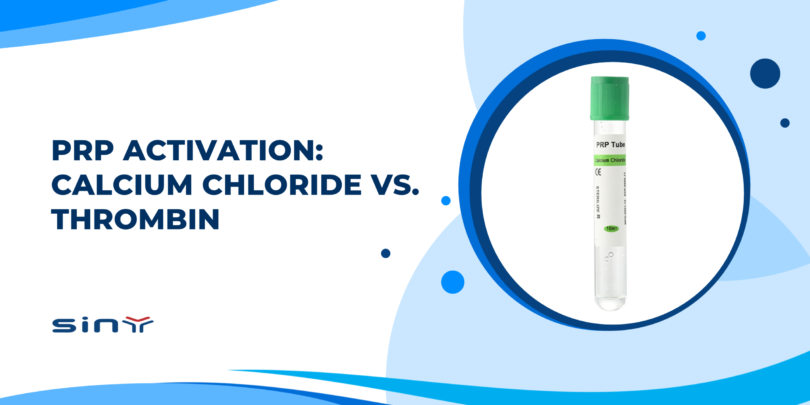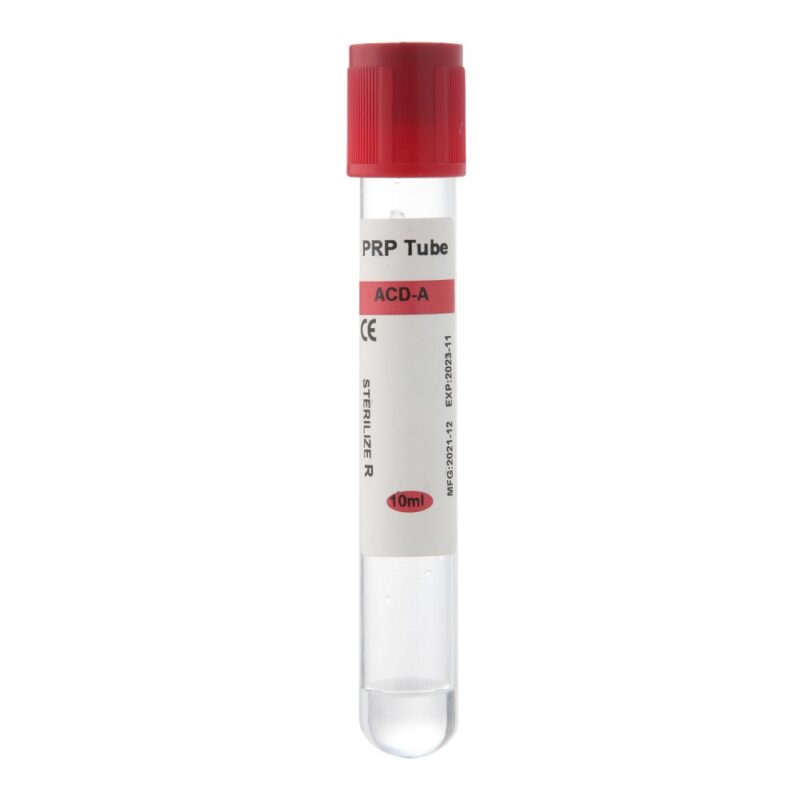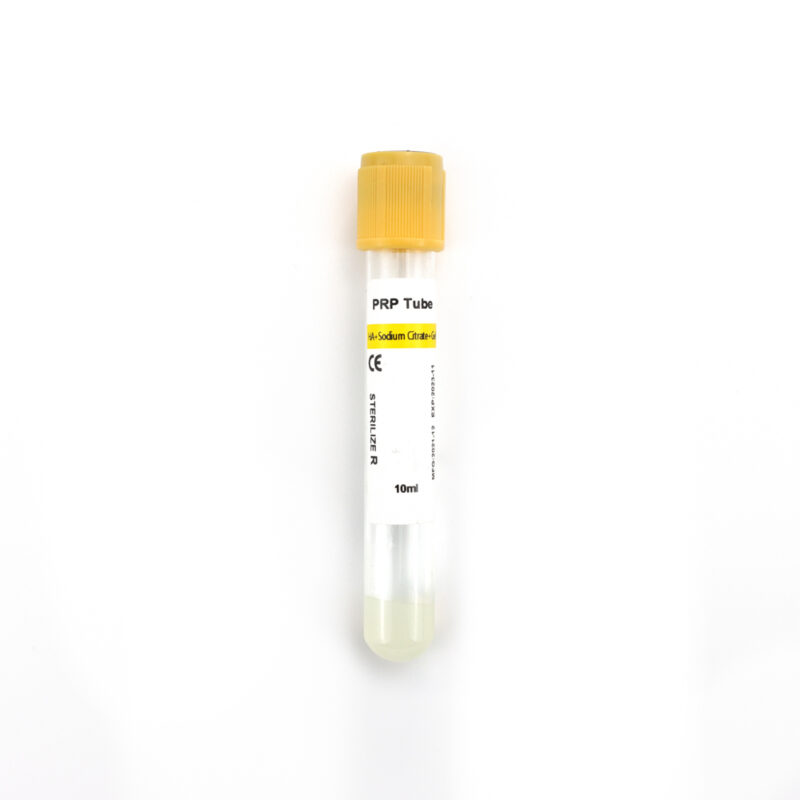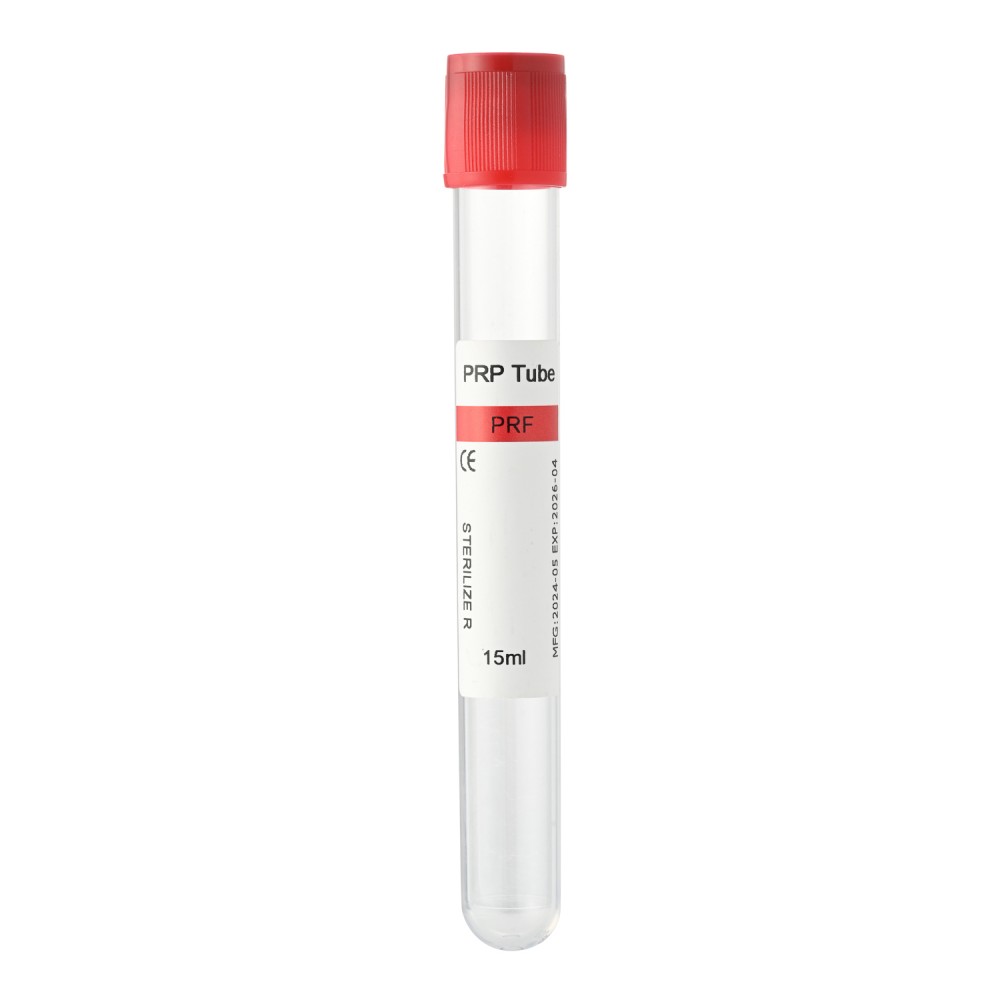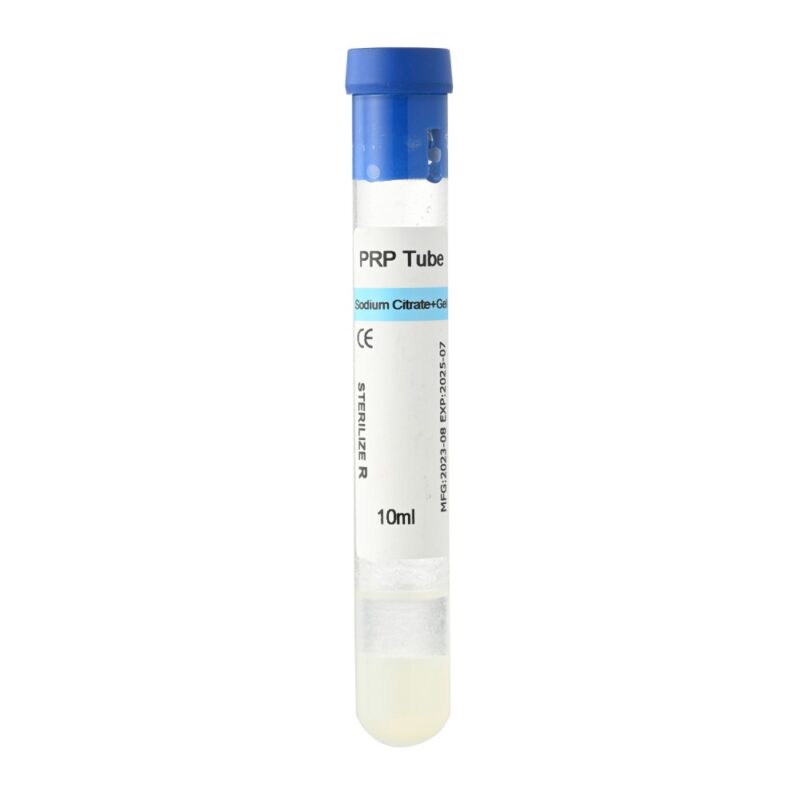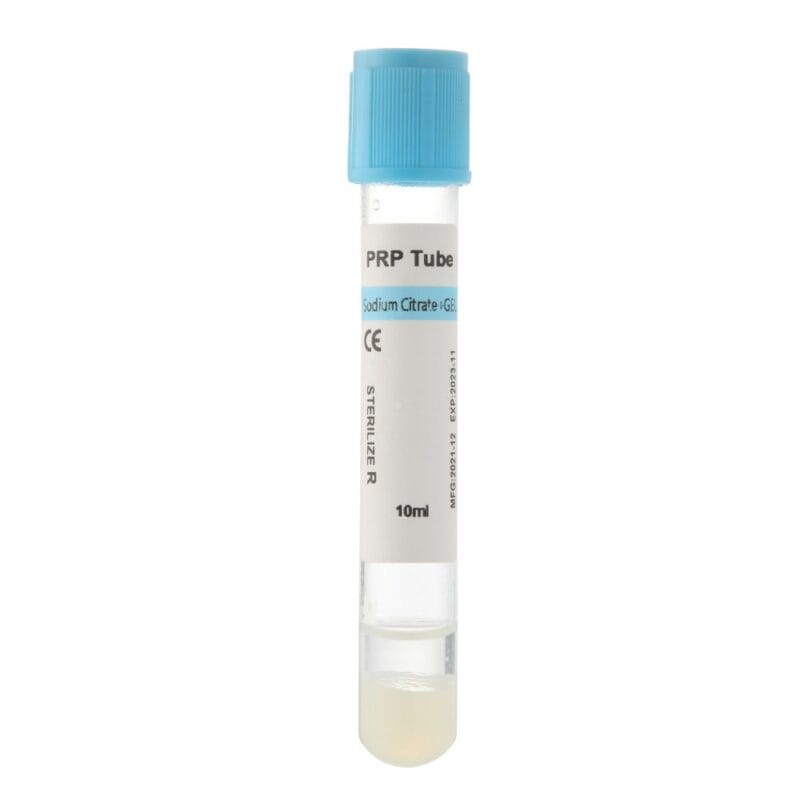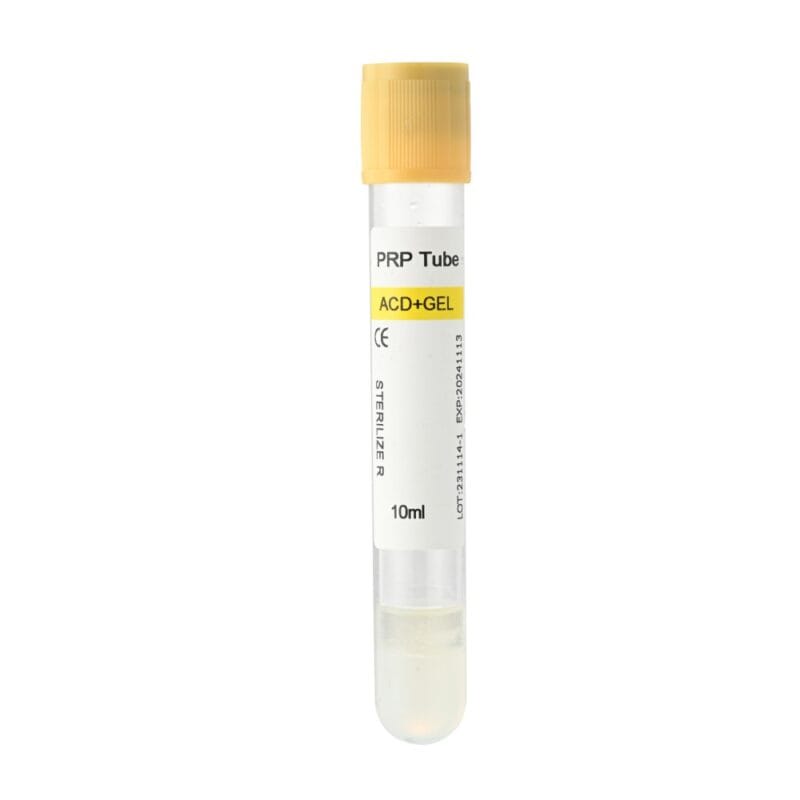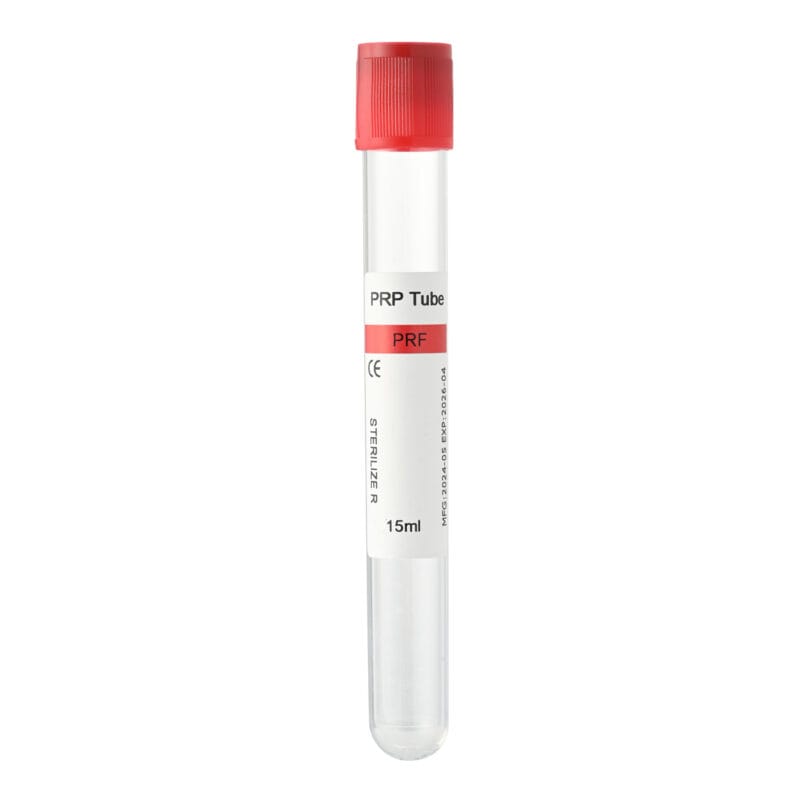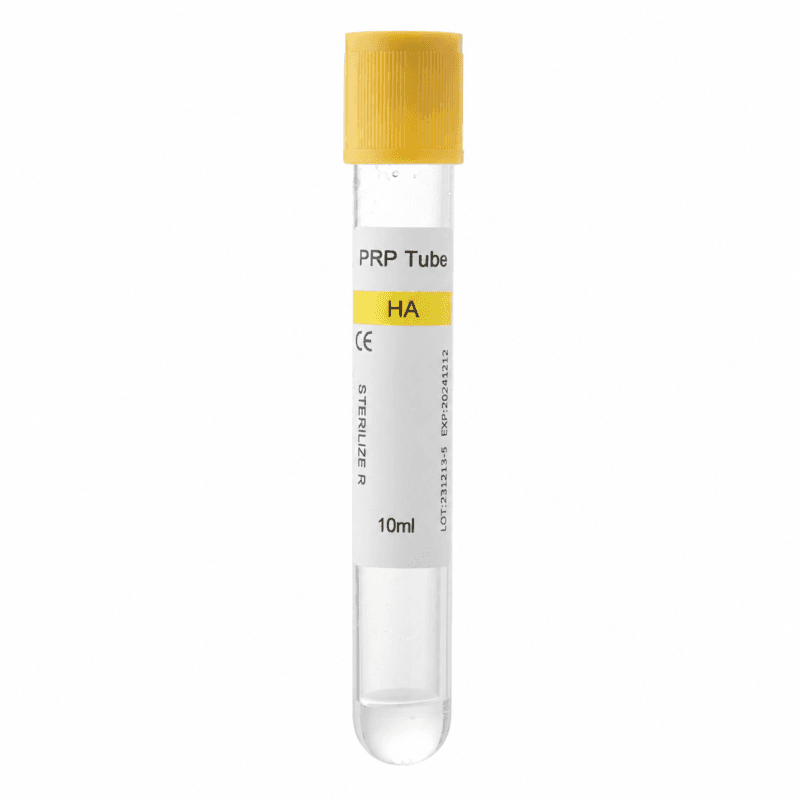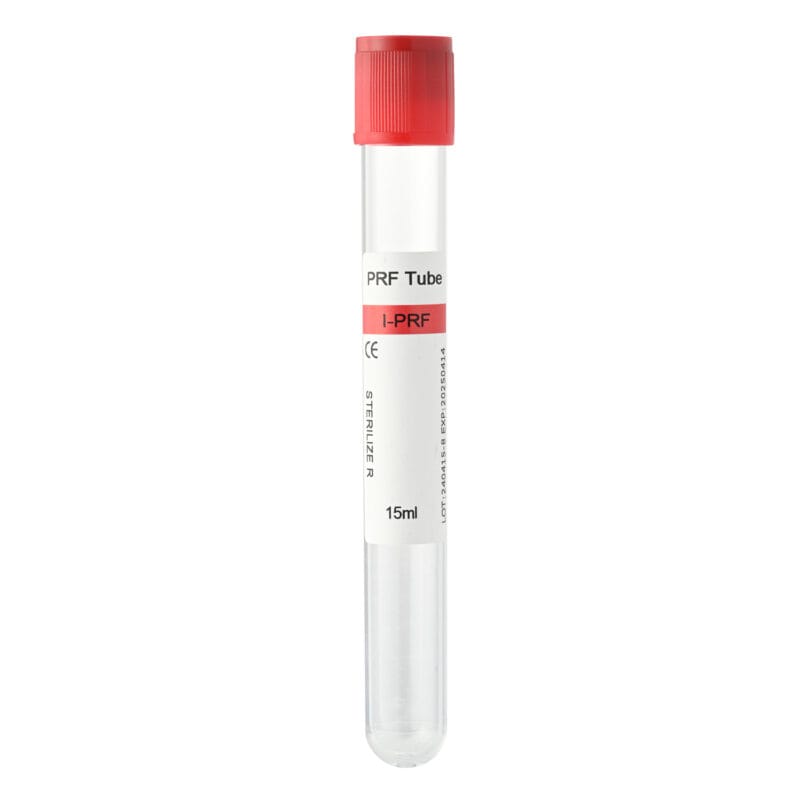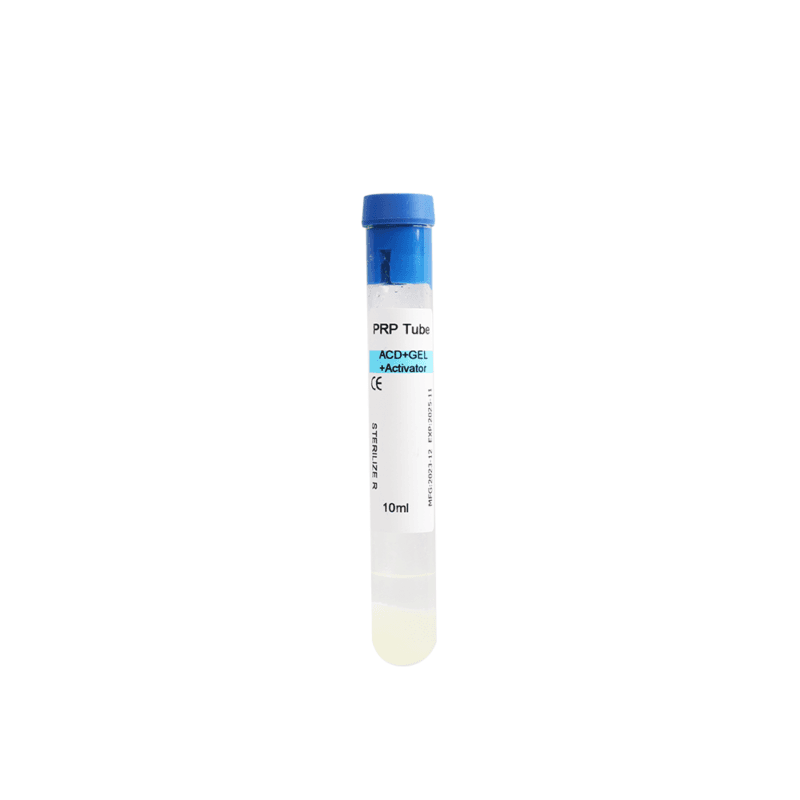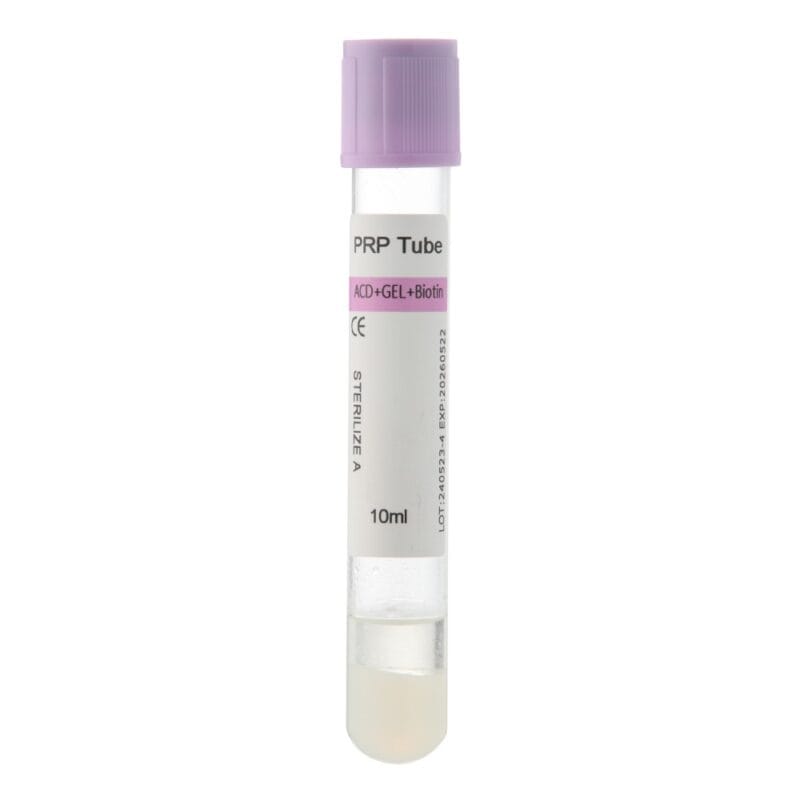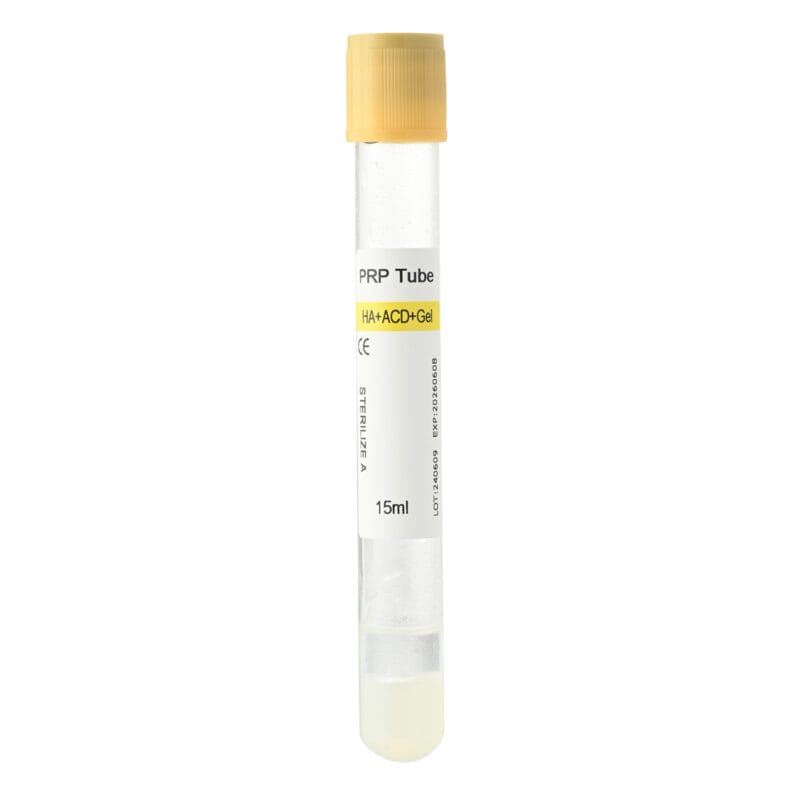
Understanding PRP activation: calcium chloride vs. thrombin helps medical buyers evaluate how preparation choices affect handling and the final product. Both agents can help trigger processes involved in platelet secretion and fibrin formation, but they work differently. Calcium chloride restores calcium availability in citrated plasma, while thrombin directly stimulates platelets and converts fibrinogen into fibrin. These differences can affect clot formation and the timing of growth factor release.
For clinics, distributors, and medical buyers, the useful question is how each option fits the intended preparation and application. An injectable liquid and a platelet gel have different handling requirements. Understanding that distinction helps buyers evaluate PRP tubes, activation products, and supporting instructions more carefully.
What Does Platelet Activation Change in PRP?
Platelet-rich plasma contains concentrated platelets within a plasma fraction. When platelets encounter suitable stimuli, they respond by changing their shape, activating receptors, and releasing substances stored in their granules. These include signaling proteins involved in tissue responses.
Commonly measured signals include platelet-derived growth factor (PDGF), transforming growth factor beta (TGF-beta), and vascular endothelial growth factor (VEGF). These molecules have different biological roles and release patterns, which is why PRP research often reports them separately.
Three related processes help explain what happens during preparation:
- Platelet activation: the cellular response to an activating stimulus.
- Degranulation: the release of stored platelet contents, including growth factors.
- Fibrin formation: the conversion of soluble fibrinogen into a network that can produce a clot or gel.
These processes interact, but they describe different events. A visible clot tells you that fibrin has formed. It does not measure how many growth factors were released, their biological activity, or the likely treatment outcome.
Activation before application and activation within tissue
Some protocols introduce an activator after PRP preparation and before application. Others use PRP without an added activator, allowing platelets to respond to local tissue signals, including collagen and locally generated thrombin.
Consequently, PRP that has not been activated before application can still become activated within tissue. The choice depends on the intended use and the clinical protocol. Buyers should establish whether the required final preparation is liquid PRP, a gel, or another defined product before comparing supplies.
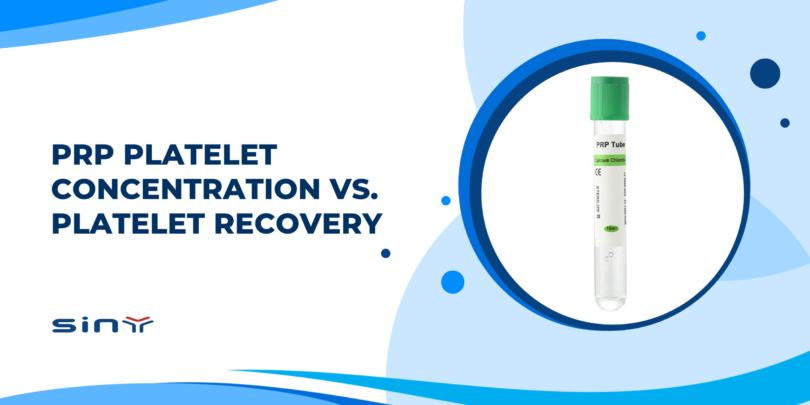
Keeping activation separate from platelet concentration also prevents misleading comparisons. Activation influences how platelets respond; it does not increase the number of platelets recovered from the original blood sample. Recovery, cellular composition, and activation should therefore be evaluated as separate characteristics.
Calcium Chloride Activation and Its Practical Role
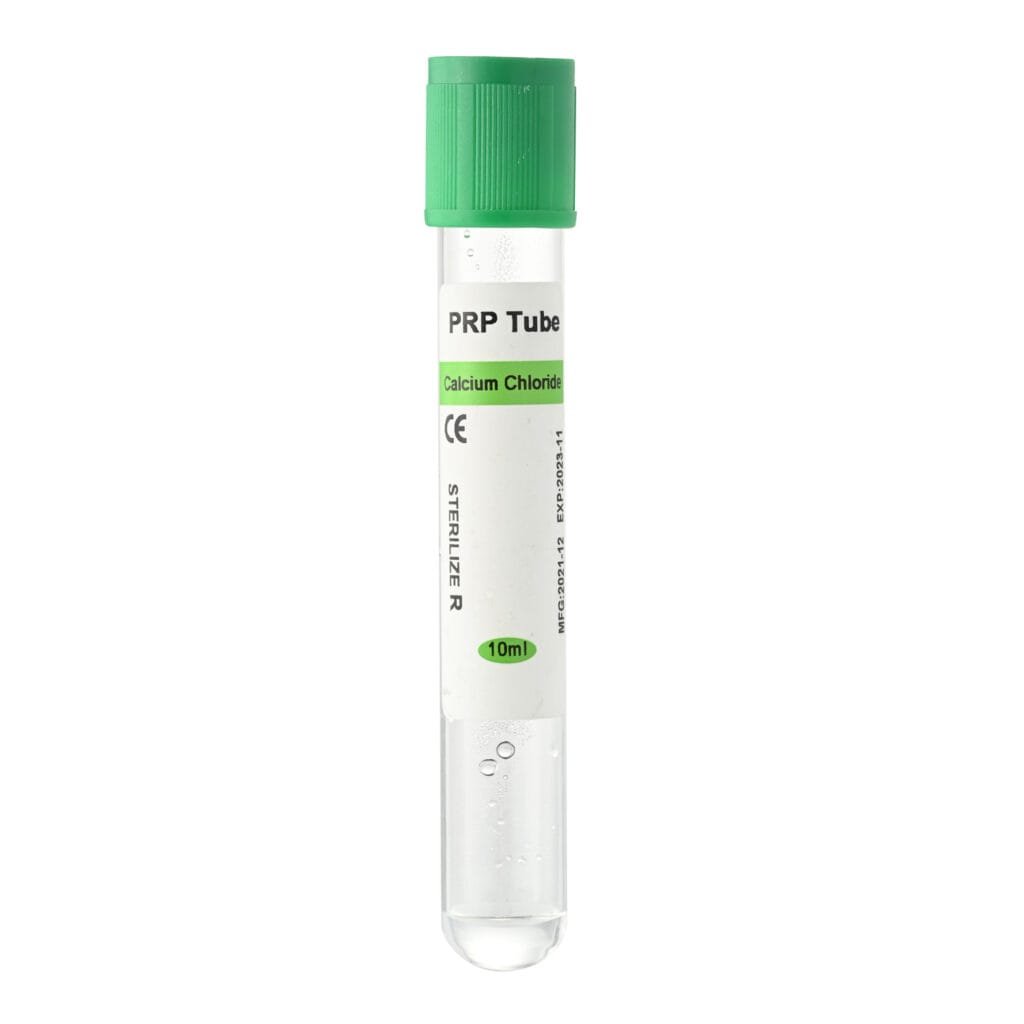
Calcium chloride, commonly written as CaCl2, supplies calcium ions. Many PRP preparation protocols use citrate-containing anticoagulants, which bind calcium and help keep the sample from clotting during processing.
Restoring available calcium allows calcium-dependent coagulation reactions to proceed. This can support the formation of the patient’s own thrombin, followed by fibrin formation and platelet responses. Experimental research has also identified direct platelet responses to calcium chloride under specific laboratory conditions. Its role therefore extends beyond a simple description of reversing anticoagulation.
What calcium-based activation can change
In some laboratory comparisons, calcium chloride has produced more gradual growth factor release than thrombin-based activation. This makes release timing relevant when evaluating a protocol. However, calcium addition can also lead to clot formation. A preparation that initially remains liquid should not be assumed to stay injectable for an unrestricted period.
The result depends on the complete preparation. Anticoagulant content, calcium availability, sample composition, and the conditions used during activation can influence the response. Findings from one PRP system therefore need to be interpreted within that system’s operating conditions.
Calcium chloride and calcium gluconate are different calcium salts
Both salts supply calcium, but equal volumes of solutions with the same percentage strength can contain different amounts of elemental calcium. The calcium compound and its formulation therefore matter when comparing activation products. Calcium chloride and calcium gluconate should not be substituted volume for volume on the assumption that they deliver the same calcium content.
For buyers, documentation should identify the calcium compound, its concentration, and its intended role. Product specifications should also distinguish the supplied concentration from the final concentration within a prepared sample. Any change of calcium salt belongs within the instructions for the complete PRP system.
Where it fits in procurement
A calcium-based option may suit a workflow that includes recalcification and a defined interval between preparation and application. Its suitability depends on the instructions for the PRP system and the clinician’s chosen protocol.
Thrombin Activation and Why the Source Matters
Thrombin is an enzyme with two relevant functions. It activates platelets through specific receptors and cleaves fibrinogen to form fibrin. This direct action helps explain why thrombin-containing preparations can show a rapid initial response and earlier gel formation under comparable experimental conditions.
For a workflow designed to produce platelet gel, the rate of gel formation can be an important handling characteristic. For a workflow requiring liquid delivery, the same characteristic affects the available working interval. These practical differences should be evaluated alongside the intended application.
Different thrombin sources require different evaluation
The term “thrombin” can refer to preparations with different origins:
- Autologous thrombin is prepared from the patient’s own blood-derived material through a defined process.
- Human plasma-derived thrombin comes from human donor plasma.
- Recombinant thrombin is produced using biotechnology.
- Bovine thrombin originates from cattle.
The source affects which product information needs review. Autologous preparation introduces its own processing steps, while supplied biological products have specific labeling, storage, and handling requirements.
Commercial thrombin products labeled for topical hemostasis, whether bovine-derived, human plasma-derived, or recombinant, are intended for surface application and must not be injected. Their source does not override the labeled route of use. A topical hemostatic product is not automatically suitable for preparing an injectable PRP product.
Bovine thrombin preparations can provoke antibodies against thrombin or bovine factor V. Some factor V antibodies can cross-react with human factor V and interfere with coagulation. This source-specific issue belongs alongside the exact product’s labeling, composition, and handling requirements when evaluating a thrombin-based workflow.
Thrombin alone and combined activation
Research frequently evaluates calcium chloride together with thrombin. A combined protocol is a distinct preparation, so its results should be identified accordingly. A study comparing calcium alone with calcium plus thrombin cannot isolate every effect of thrombin used alone.
For purchasing decisions, this means the description “thrombin-activated PRP” needs context. The product source, use of calcium, and preparation method all matter when interpreting a performance claim.
PRP Activation: Calcium Chloride vs. Thrombin
The following comparison describes general mechanisms and findings reported under defined laboratory conditions. Exact behavior depends on the PRP formulation and activation protocol.
| Comparison point | Calcium chloride | Thrombin |
|---|---|---|
| Principal role | Restores calcium availability and supports coagulation in citrated plasma | Directly stimulates platelets and converts fibrinogen into fibrin |
| Relationship to thrombin | Can support endogenous thrombin generation | Supplies active thrombin from a specified source |
| Release pattern | More gradual release reported for some measured factors | Earlier release reported for some measured factors |
| Physical form | Can produce a fibrin clot or gel | Can produce a fibrin clot or gel, often more rapidly in tested protocols |
| Main handling question | How the preparation changes during the permitted working interval | Whether gel formation suits the required application |
| Key purchasing detail | Calcium compound, concentration, and system instructions | Thrombin source, product labeling, and system instructions |
Growth factor release varies by molecule and protocol
Comparative experiments show why a single “growth factor release” claim can be misleading. One study found a progressive release pattern with calcium chloride, while thrombin-containing preparations showed earlier release of certain factors. Another found that calcium plus thrombin increased overall measured cytokine release across seven days, with results differing between preparation methods and individual molecules.
Other research has produced different findings. A study comparing calcium alone with calcium plus human thrombin found that adding thrombin did not consistently improve secretion across the measured factors. These differences highlight the influence of sample preparation, assay methods, and collection times.
When reviewing data, buyers should ask which molecules were measured, when measurements were taken, and whether the preparation matches the intended product. A high concentration at one sampling point does not describe the entire release profile.
Does either method produce better clinical results?
Laboratory measurements help explain biological behavior, but treatment effectiveness requires clinical evidence for the relevant indication. Neither rapid clot formation nor a higher result for one measured growth factor establishes a universally better treatment.
The same distinction applies to activated versus non-preactivated PRP. A laboratory evaluation of several activation approaches found no consistent improvement across all measured growth factors. Its findings concern that experimental system and should not be turned into a claim that activation is always necessary or always unnecessary.
How Buyers Can Evaluate PRP Supplies for an Activation Workflow
The activation method should be evaluated as part of the whole PRP system. Selecting an activator first and choosing tubes afterward can leave important compatibility questions unanswered.
Define the required final preparation
Start with the clinician’s intended application and the form of PRP required. Liquid delivery, a topical preparation, and a gel placed during a procedure create different handling demands. This is a purchasing specification that should be agreed before comparing quotations.
The buying brief should state whether external activation is included and identify the applicable preparation instructions. This gives suppliers a concrete requirement and helps prevent proposals for products intended for a different stage of processing.
Distinguish collection from activation
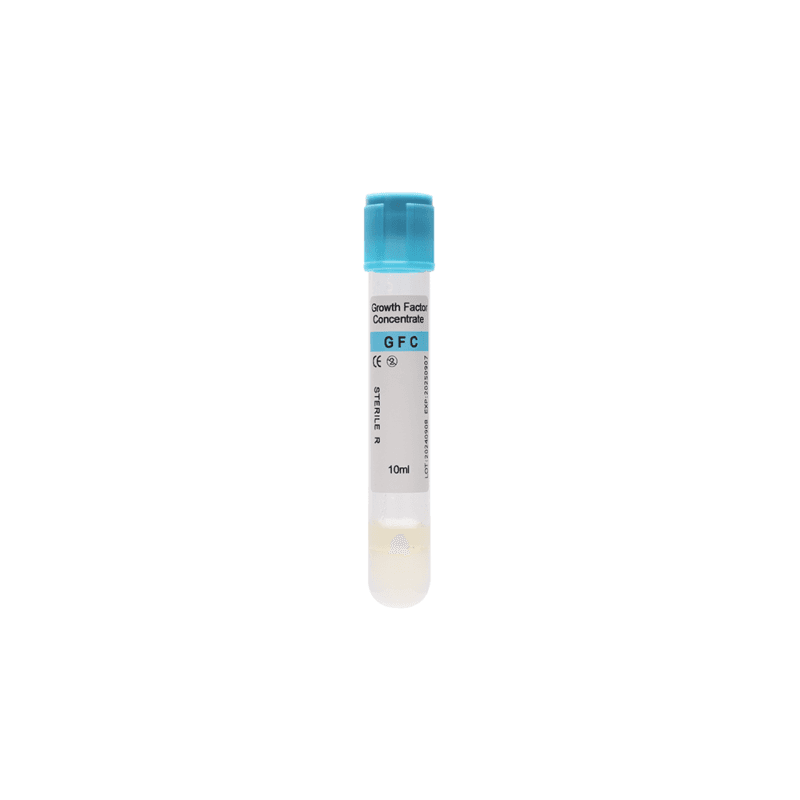
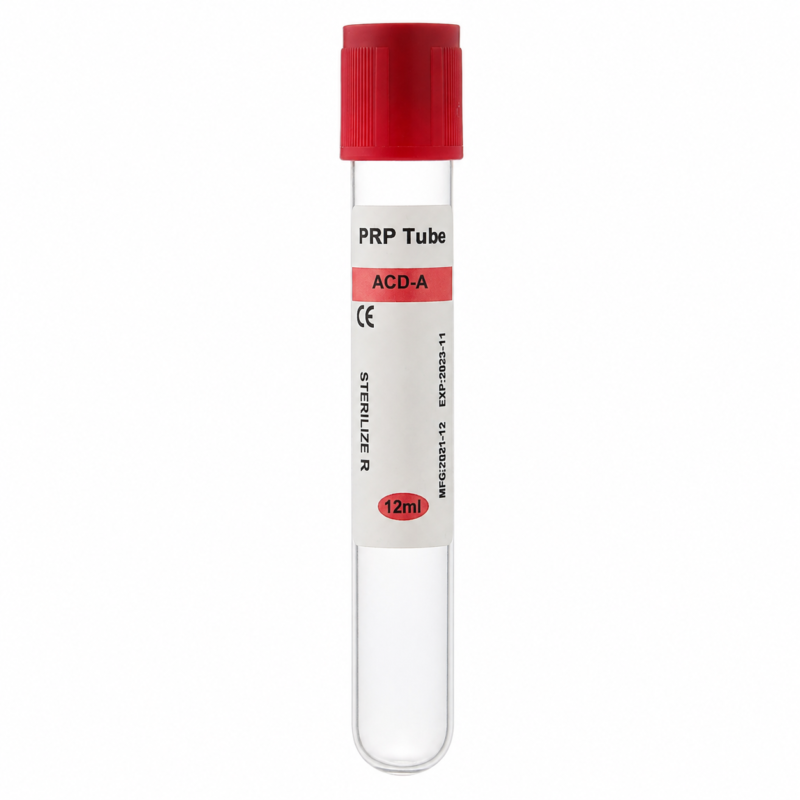
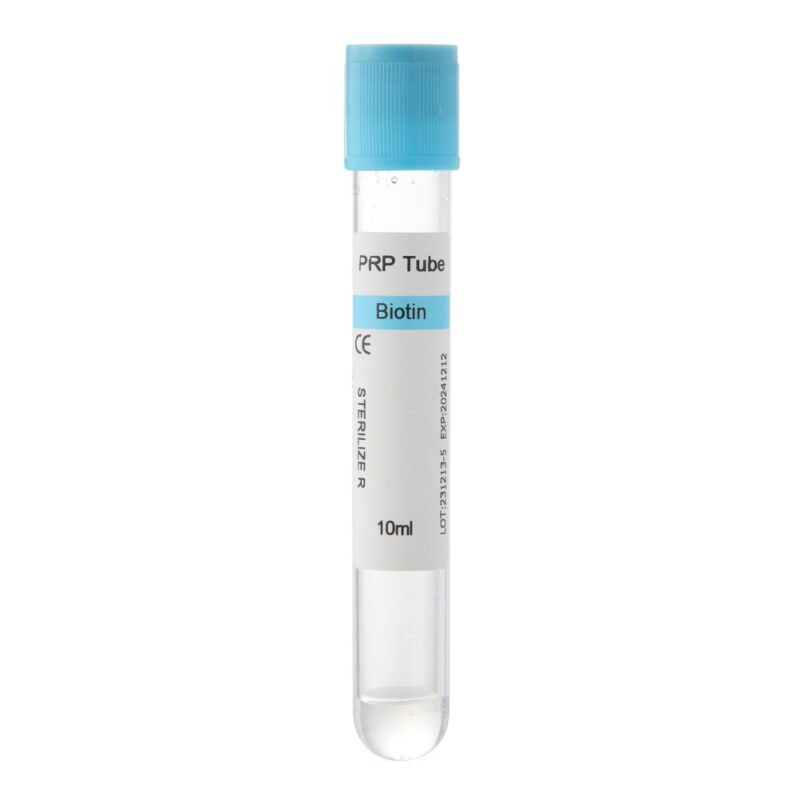
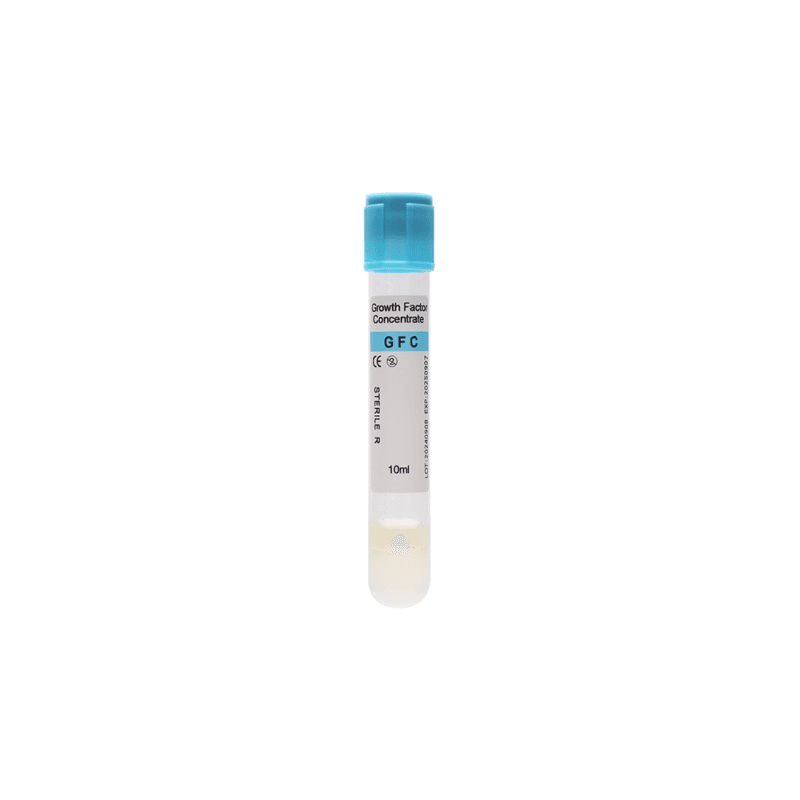
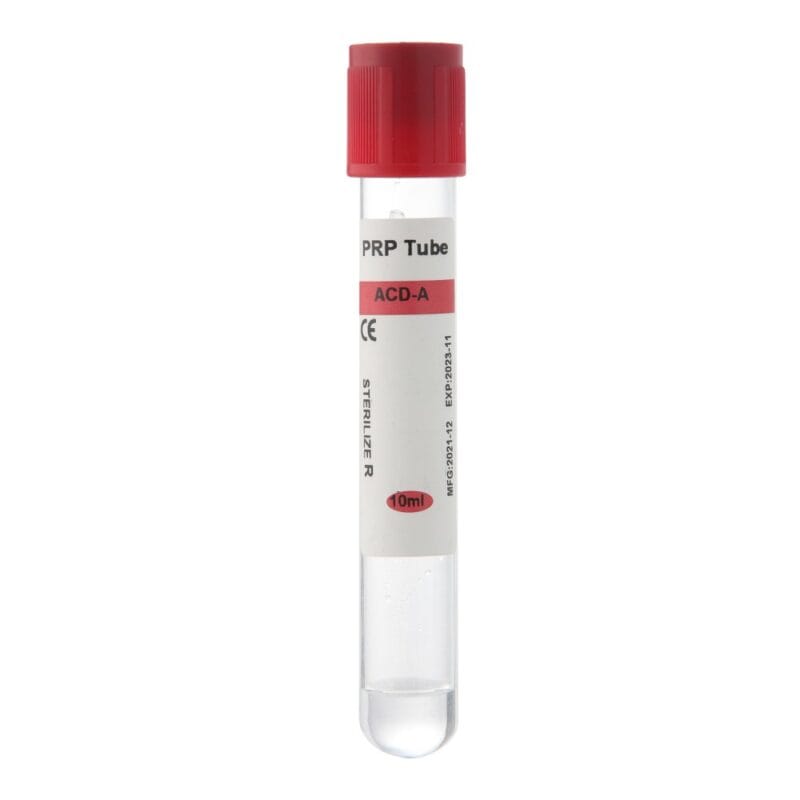
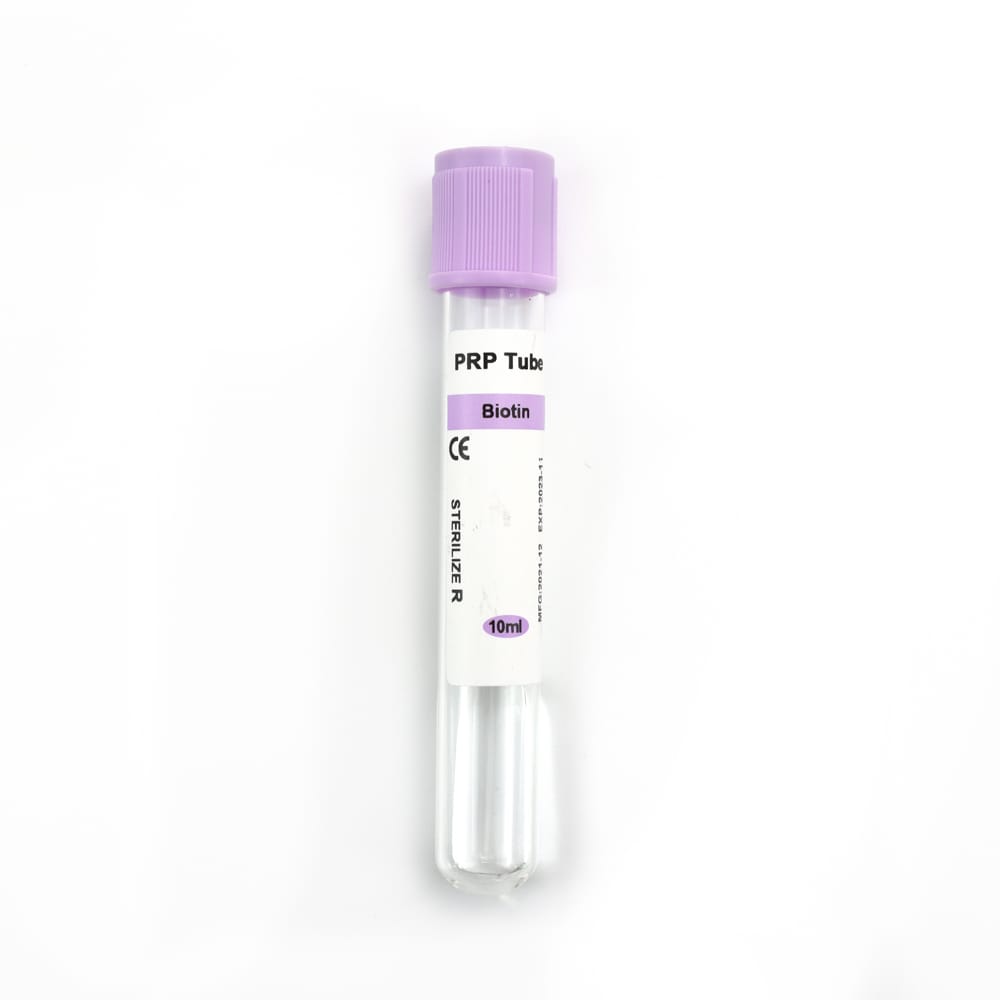
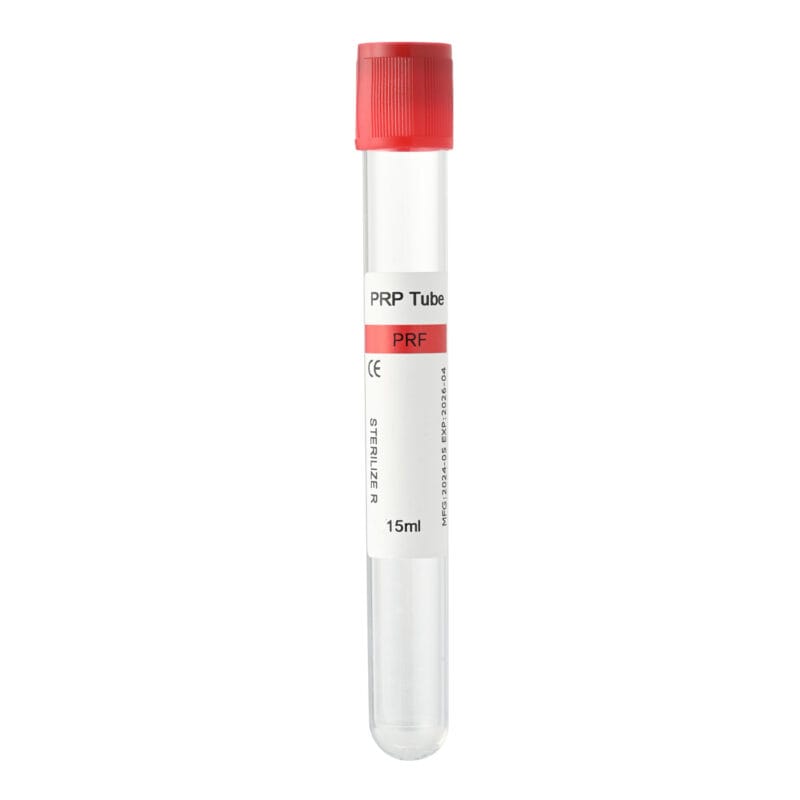
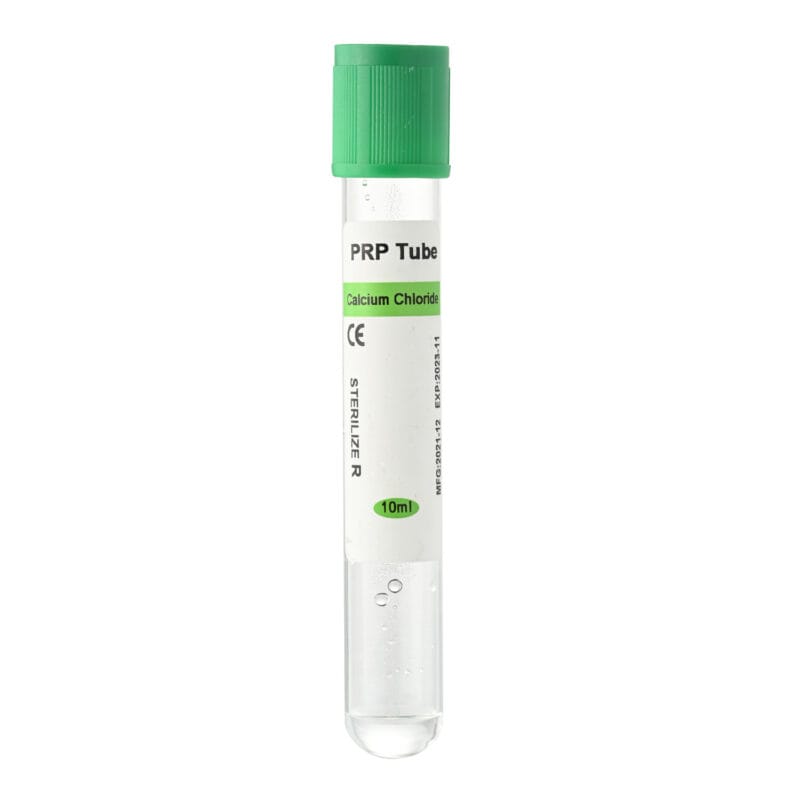
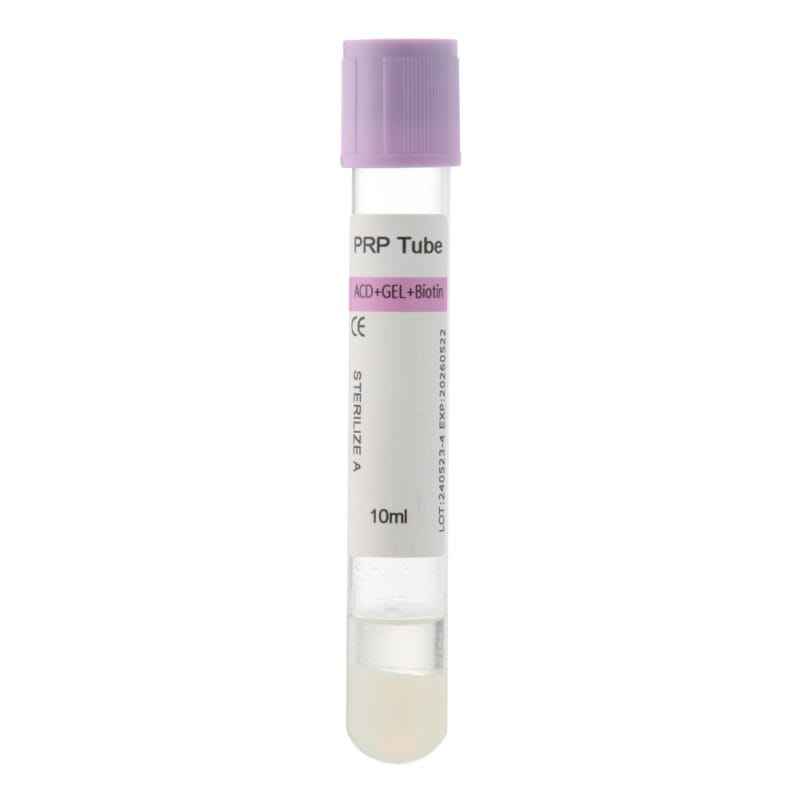
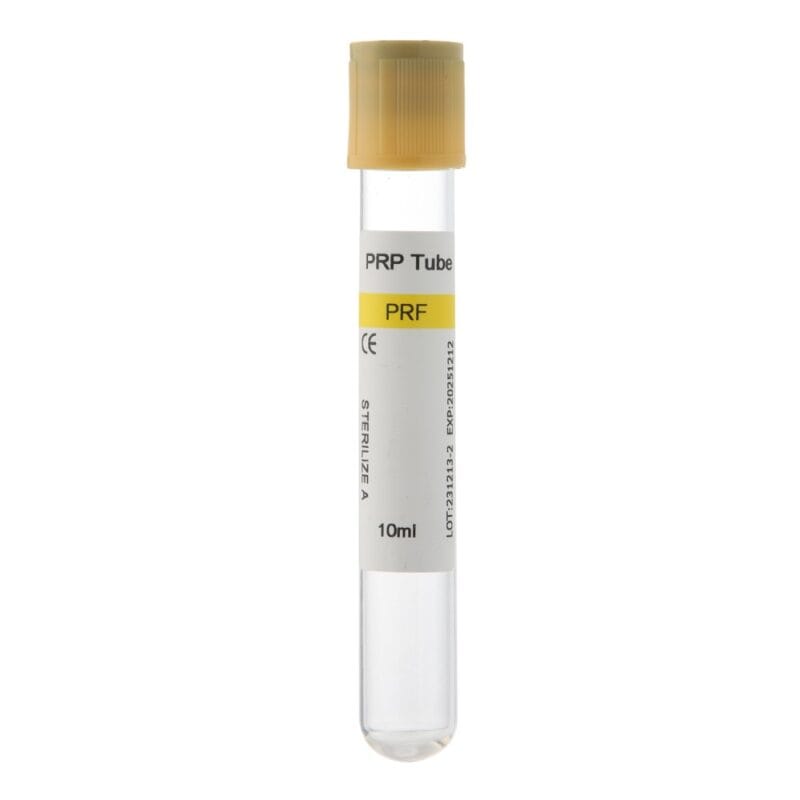
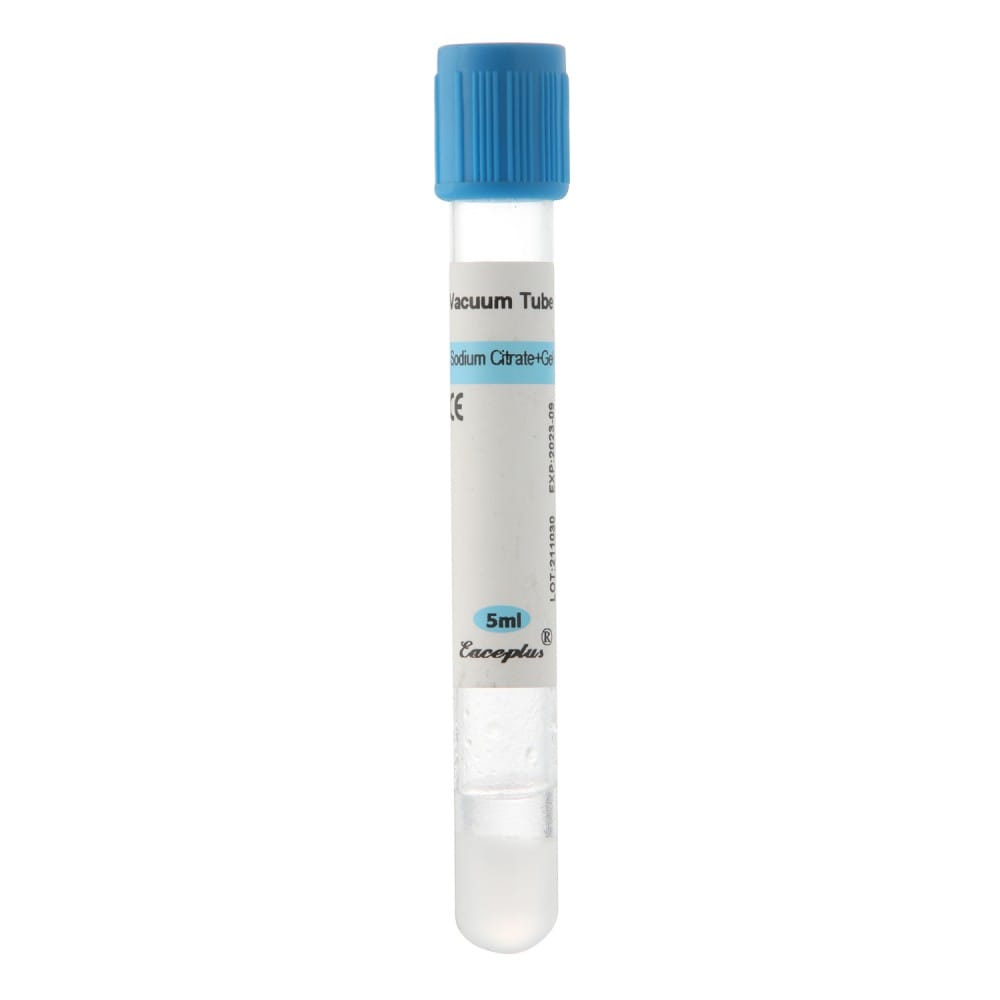
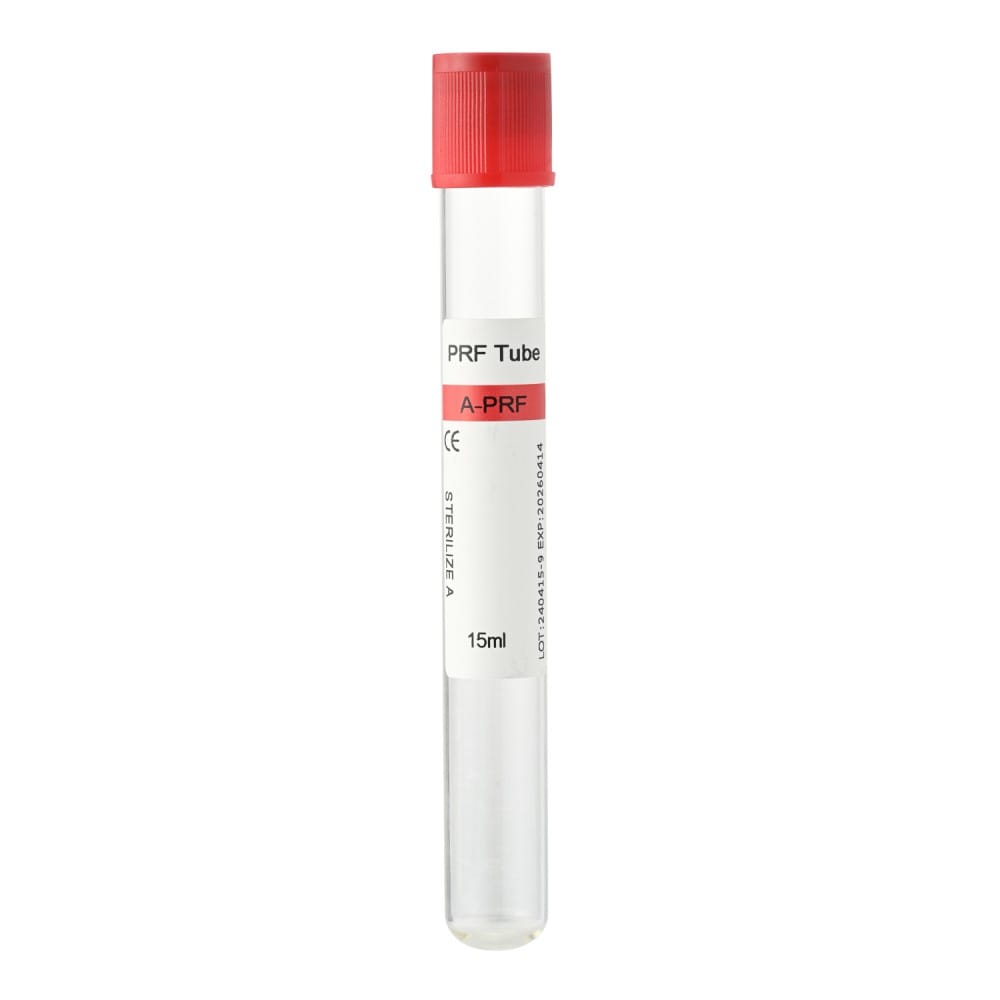
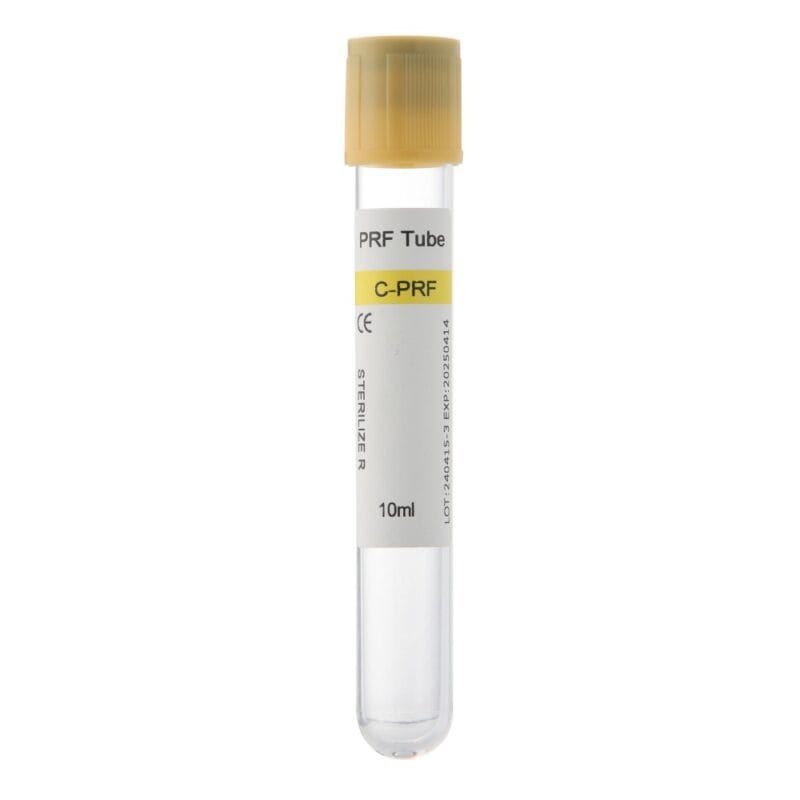
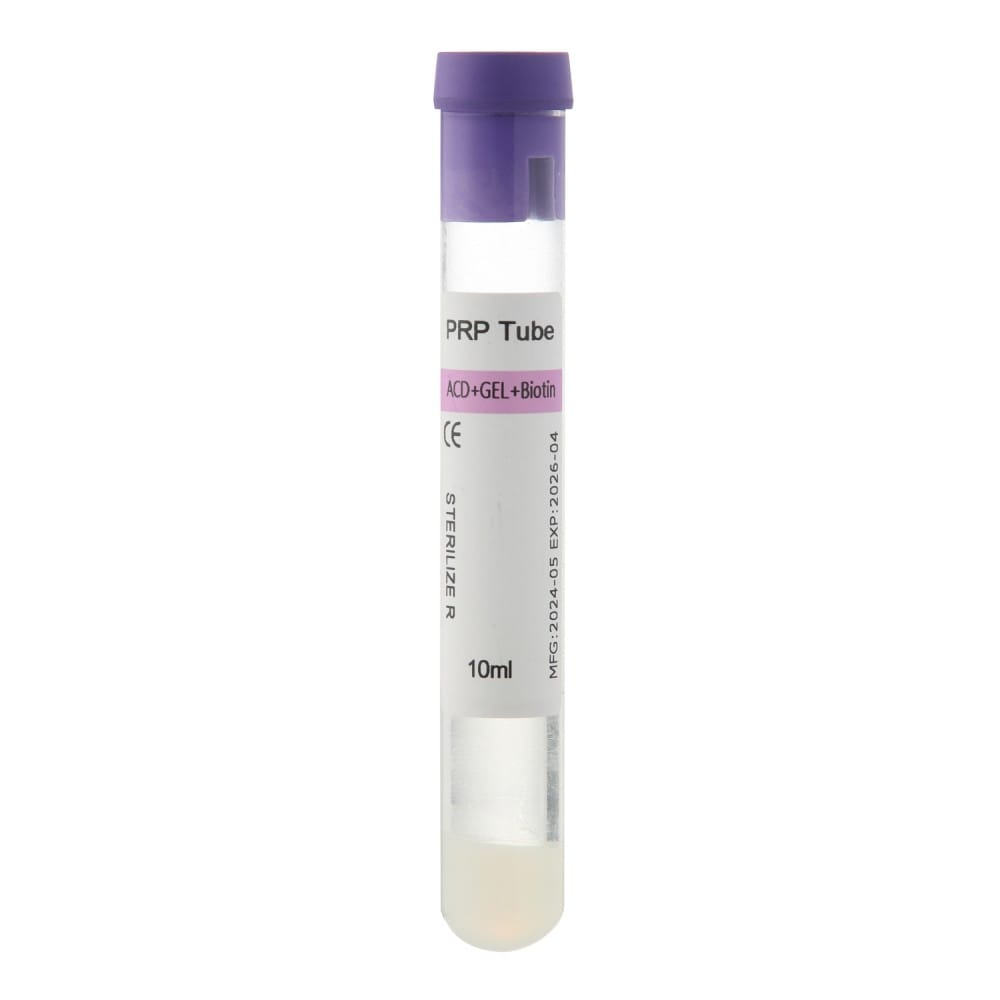
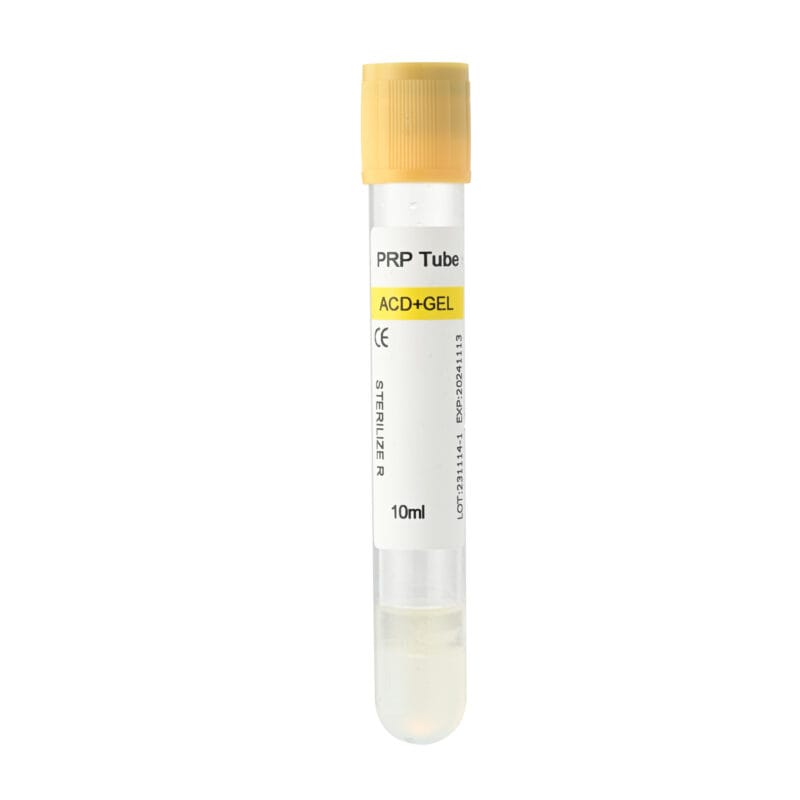
A tube used to collect and process anticoagulated blood has a different role from a product intended to activate an already prepared plasma fraction. Buyers should establish each component’s function and where it enters the workflow.
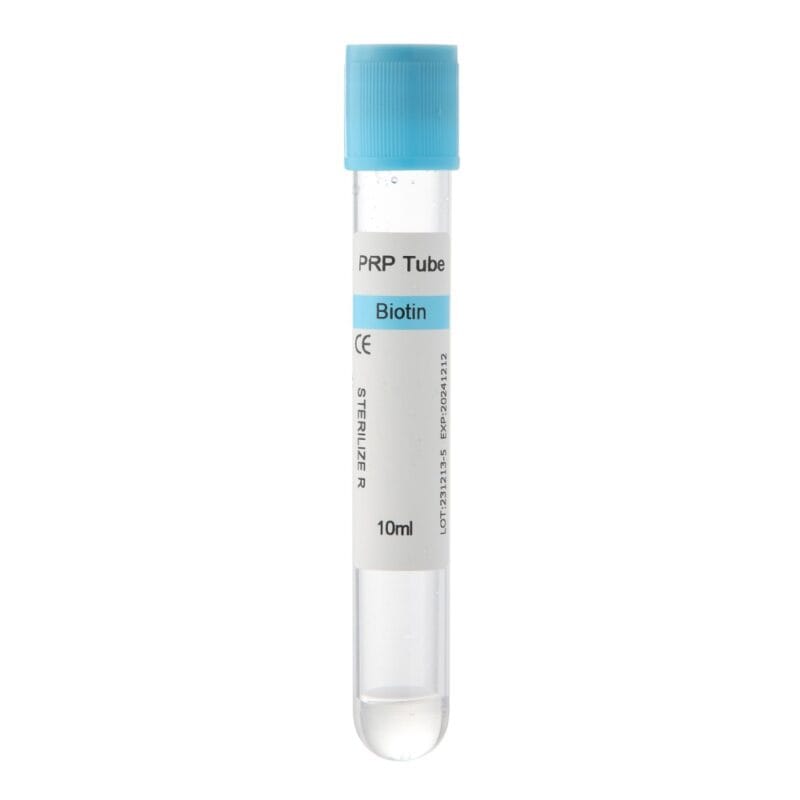
Cap color can help identify items within a documented product range, but it does not establish the additive or intended function across different PRP systems. Review the additive identity, intended purpose, and instructions for the exact item. A clearly documented sequence helps staff recognize which product belongs at each preparation stage.
Request comparable performance information
Useful evaluation data should describe the starting sample, final PRP volume, platelet concentration, and relevant cellular composition. Activation conditions and measurement times should accompany claims about growth factor release.
This approach reflects the broader need to characterize PRP by several features. The DEPA classification, for example, considers platelet dose, production efficiency, purity, and activation together. Buyers can apply that principle without reducing product selection to a single headline concentration.
Compare the cost of the complete process
A practical quotation comparison includes the necessary disposables, preparation steps, storage requirements, and staff time. Any additional preparation required for an activation method should be included in the assessment.
For repeat orders, agree on the exact product identity and required documentation. If a purchasing brief includes labeling, packaging, or another requested configuration, record it as a requirement to discuss against the supplier’s available specifications. Consistent descriptions make subsequent orders easier to assess and reduce the chance of an unnoticed workflow change.
FAQ
1. Does PRP always need an added activator?
No. Some protocols rely on activation after application through local tissue signals. Whether to add an activator depends on the intended use, system instructions, and clinical protocol.
2. Is calcium chloride an anticoagulant?
No. In citrated PRP, it restores calcium availability and supports coagulation reactions. Citrate-containing anticoagulants serve a different purpose during collection and processing.
3. Can calcium chloride cause PRP to form a gel?
Yes. Calcium-based activation can result in fibrin formation and gelation. The time course depends on the preparation, so a fixed working interval should come from the relevant instructions.
4. Does thrombin always release more growth factors?
No. Results differ by growth factor, sampling time, and preparation method. Some studies report earlier release with thrombin-containing preparations, while others find advantages for calcium alone for particular measurements.
5. Can calcium chloride and thrombin be used together?
They are combined in some established research and clinical preparation protocols. Buyers should evaluate the complete system and its instructions; a combined method has its own handling characteristics.
6. Are all thrombin products interchangeable?
No. Source, formulation, labeled purpose, and route of use differ. Products labeled for topical hemostasis must not be injected, including bovine-derived, human plasma-derived, and recombinant preparations. The exact product and its instructions must fit the intended PRP workflow.
7. Does activating PRP turn it into PRF?
Adding an activator can produce a PRP gel, but it does not automatically make that preparation equivalent to a defined PRF protocol. Collection conditions, anticoagulant use, and processing distinguish these preparations.
8. Is there one calcium chloride mixing ratio for every system?
No. The appropriate conditions depend on the product formulation and PRP protocol. Buyers should obtain instructions for the exact system instead of transferring a ratio from an unrelated study.
Summary
When assessing PRP activation: calcium chloride vs. thrombin, start with the final PRP form and preparation workflow your application requires. These details provide a practical basis for comparing PRP tubes and related supplies. If you are sourcing products for a clinic or distribution business, contact Siny PRP to discuss available PRP tube options and the specifications needed for your next order.