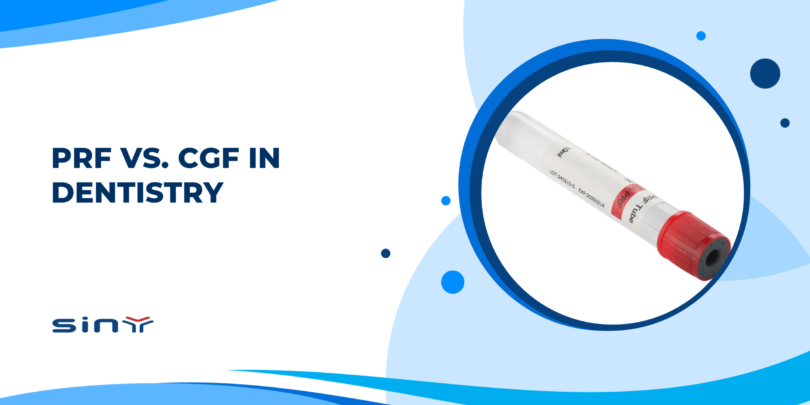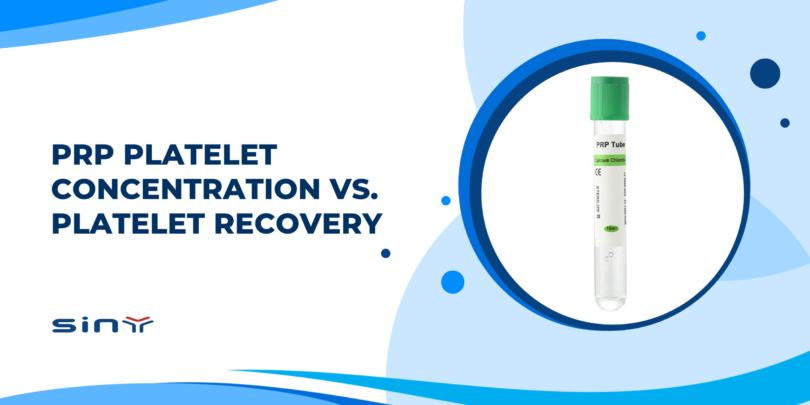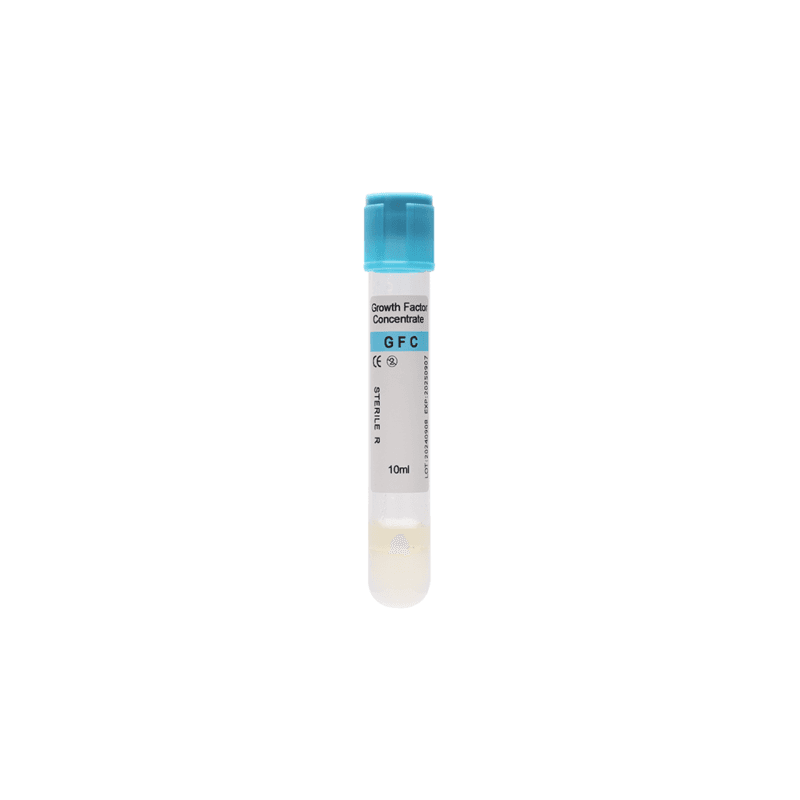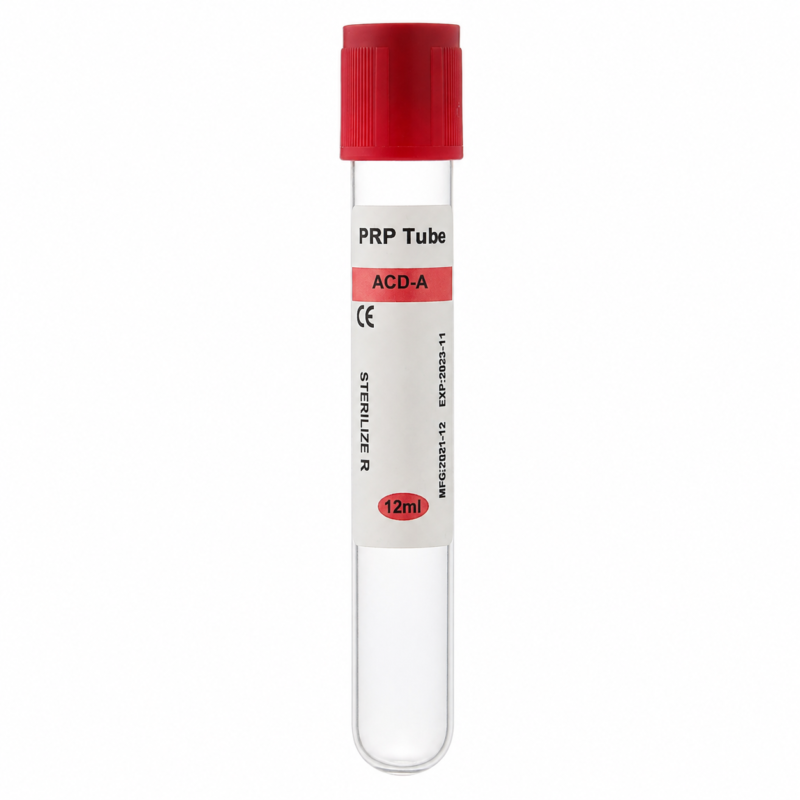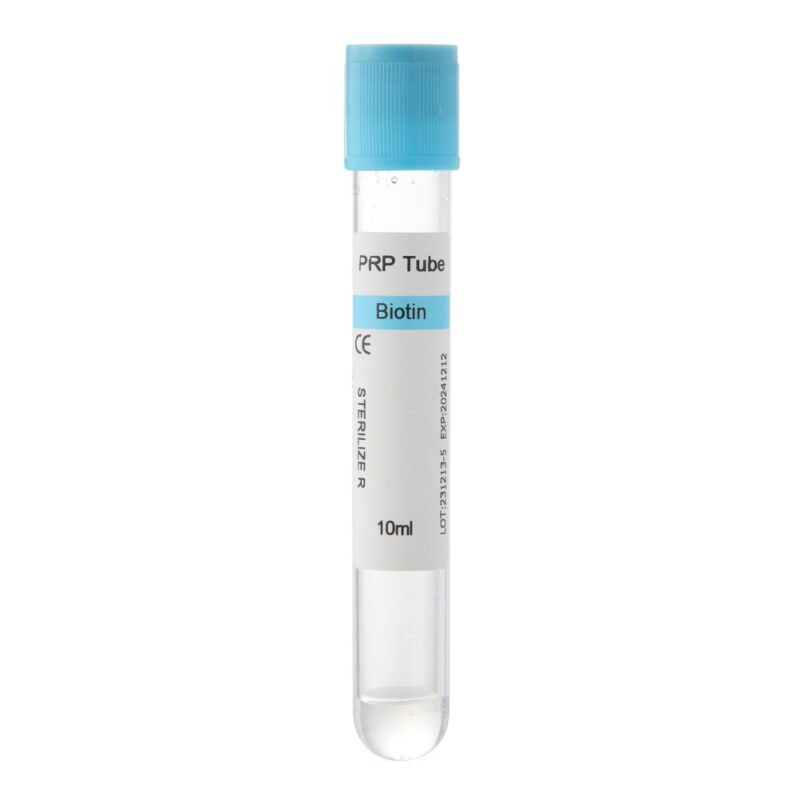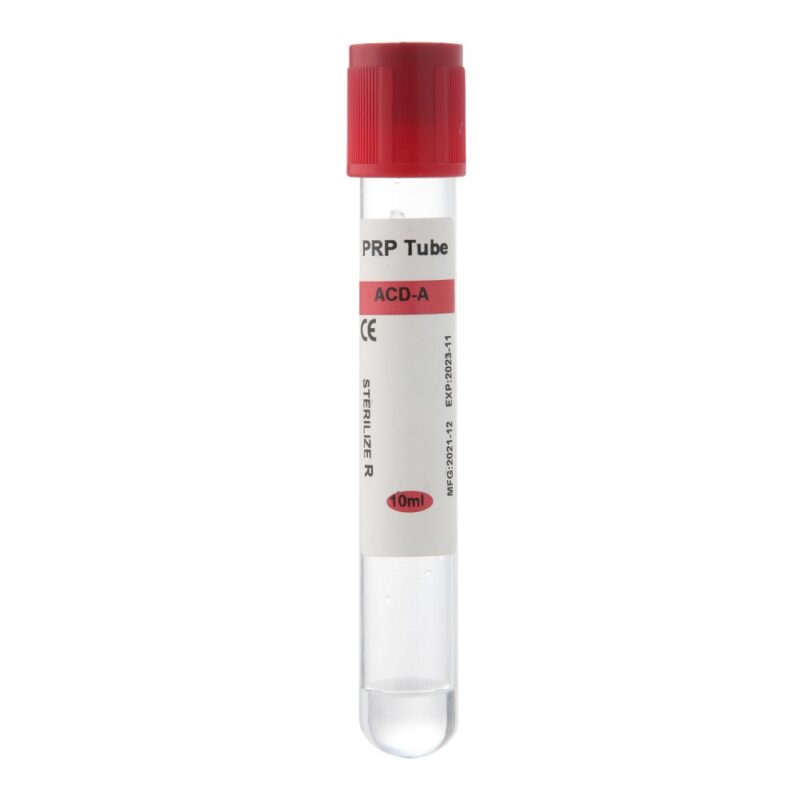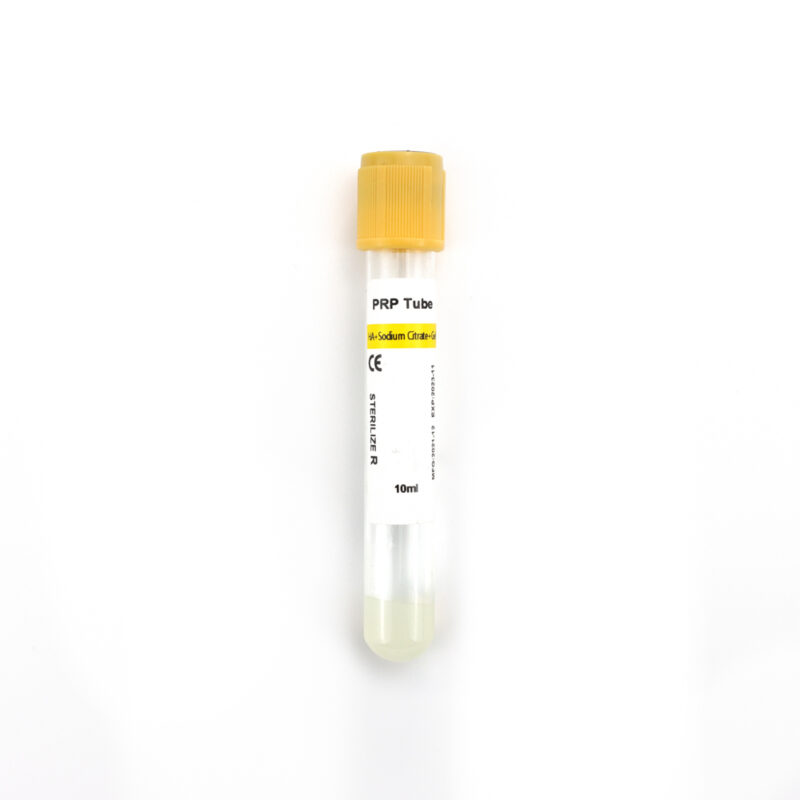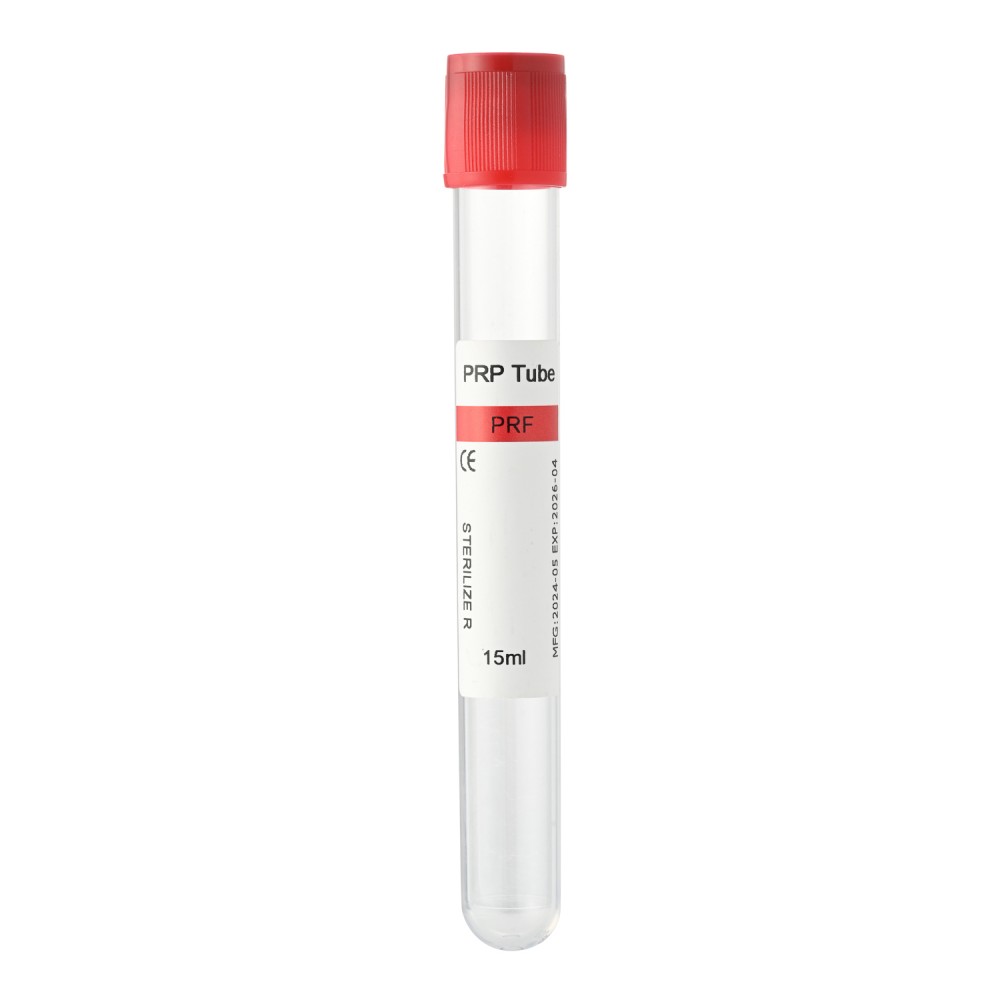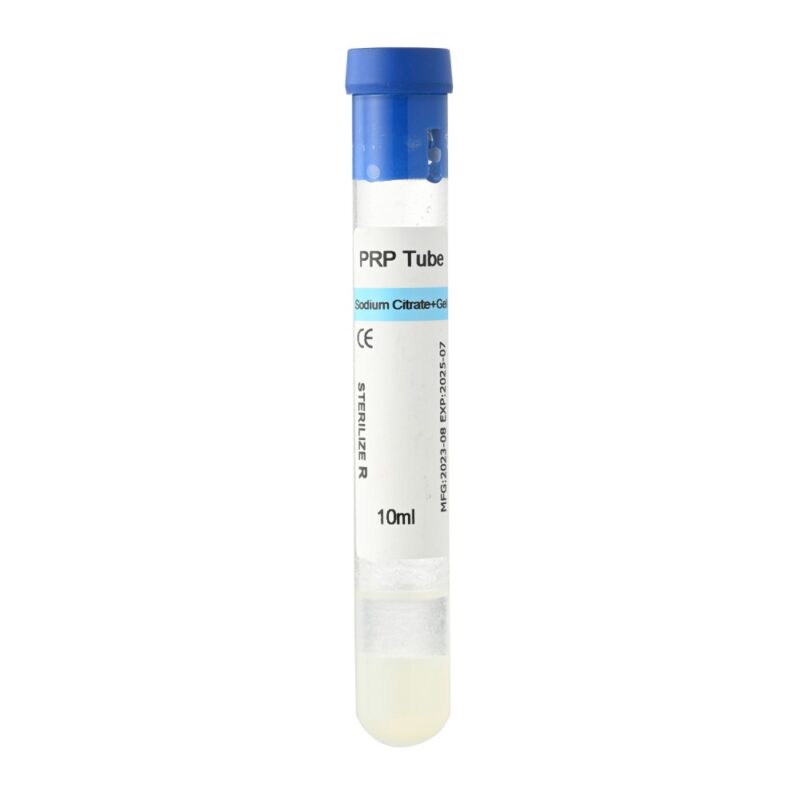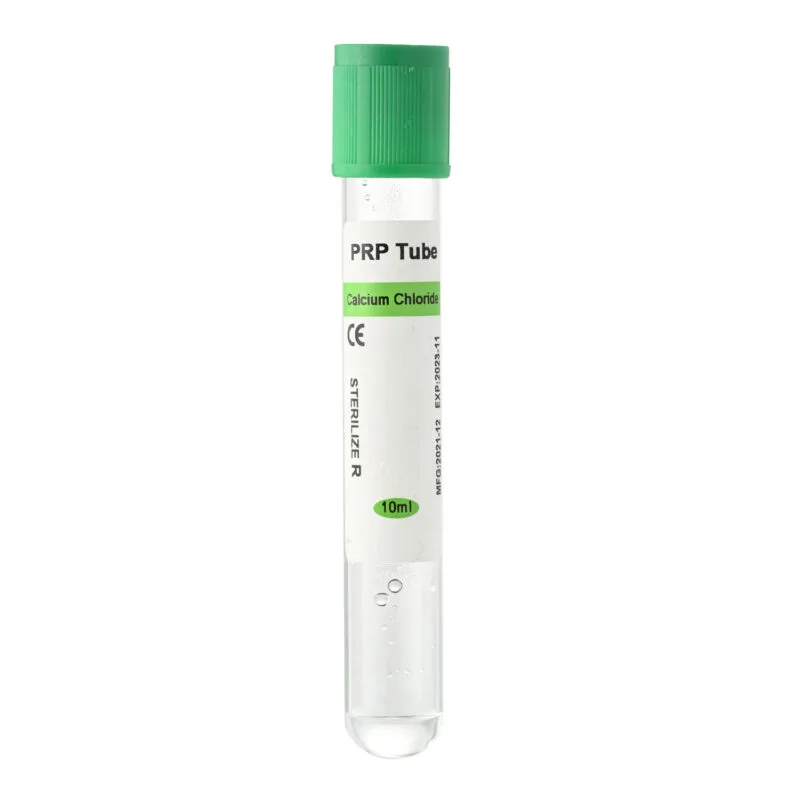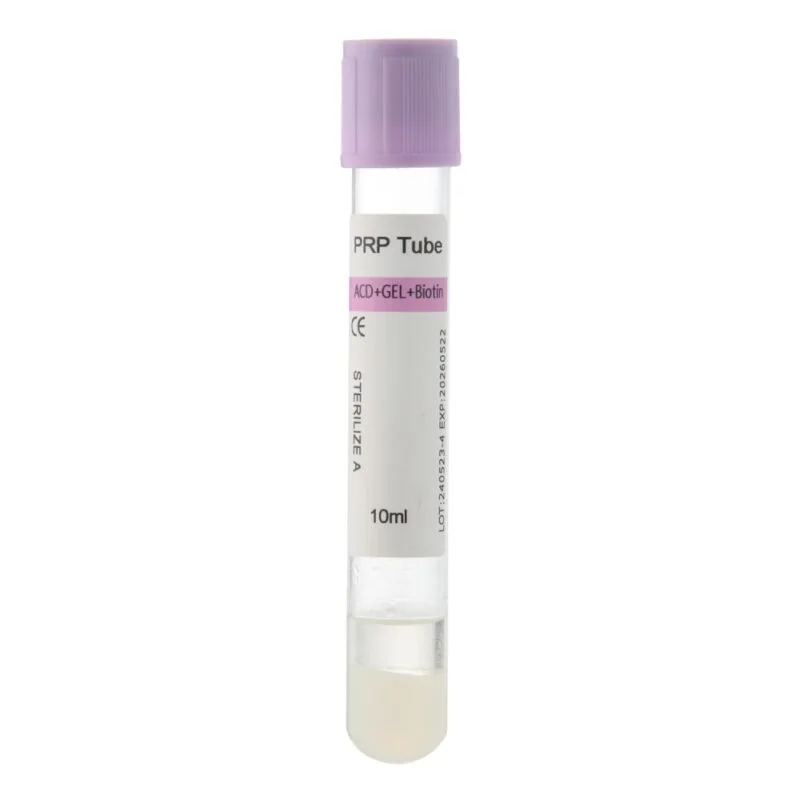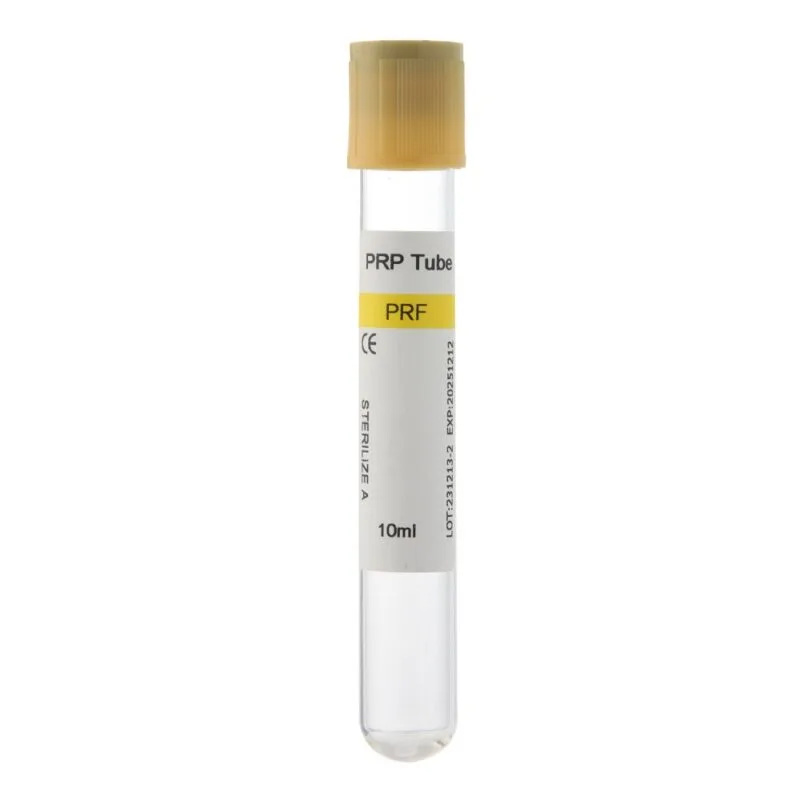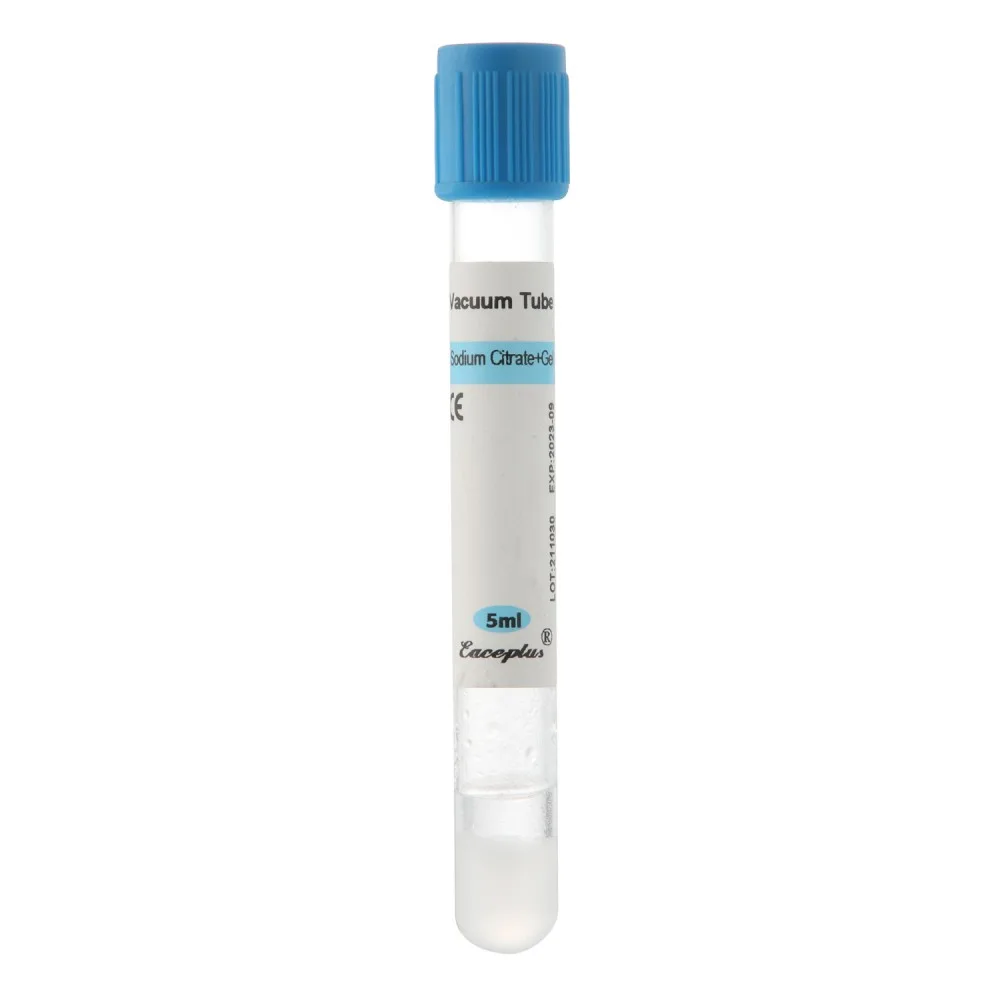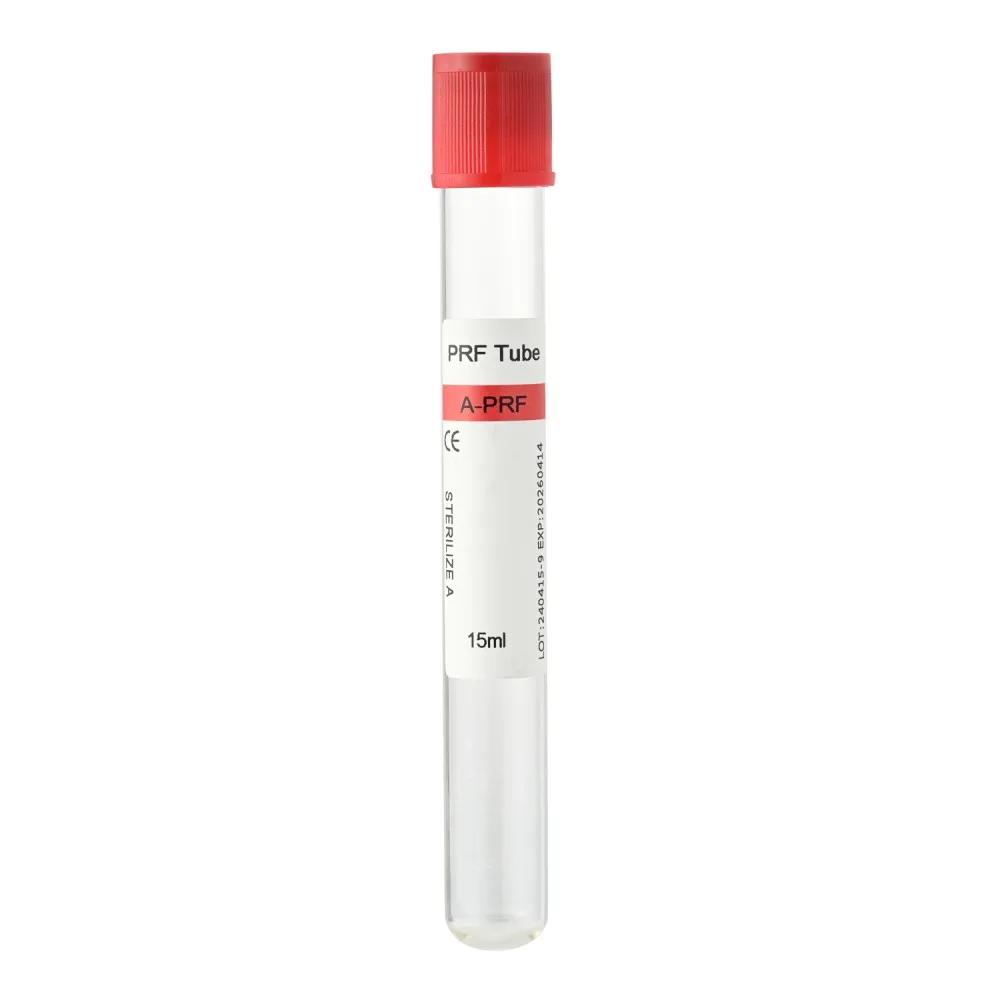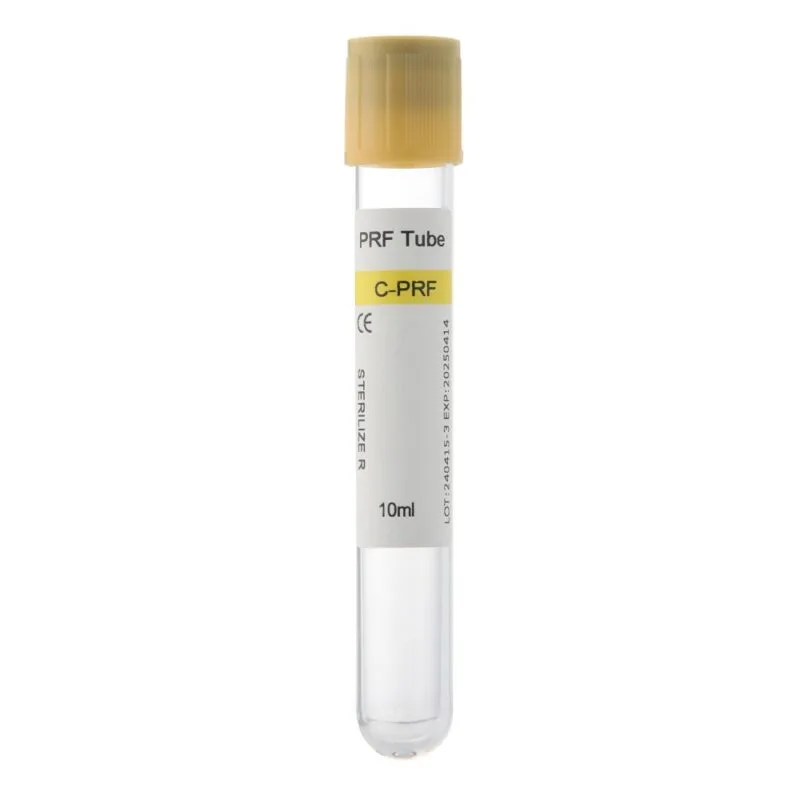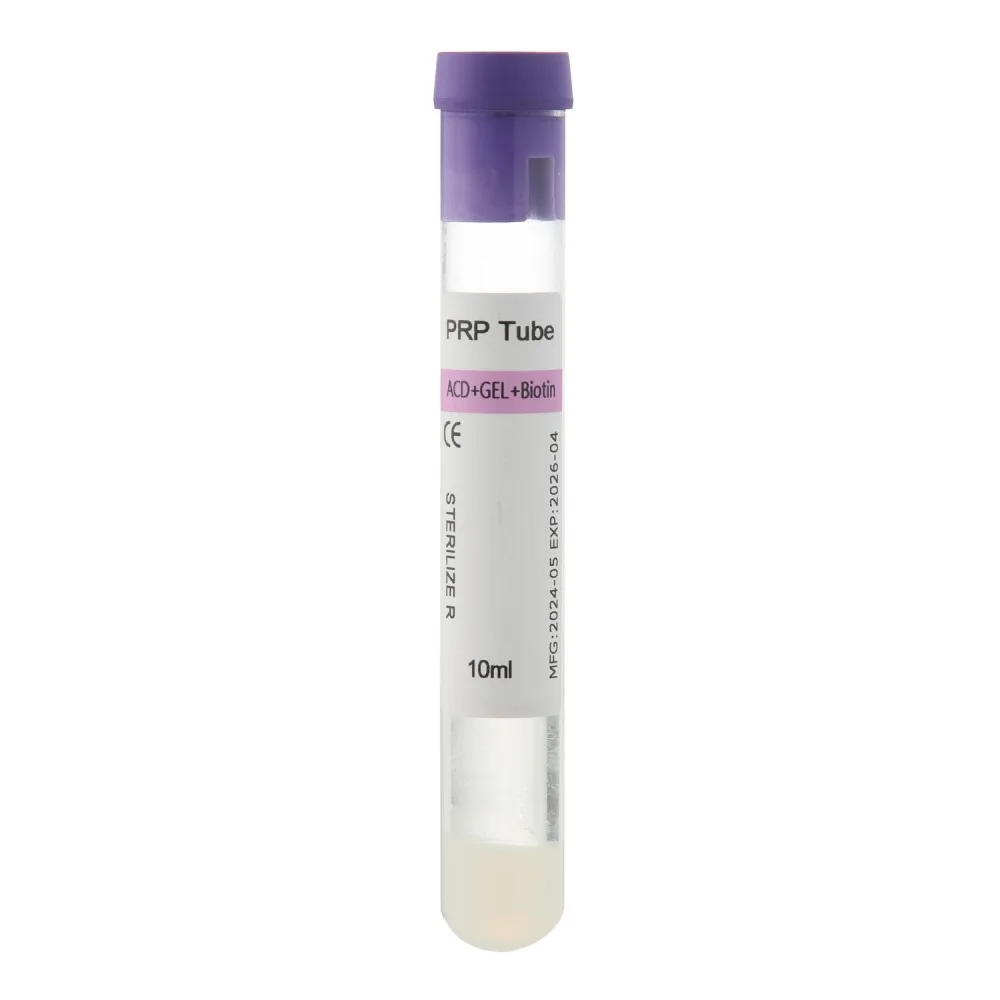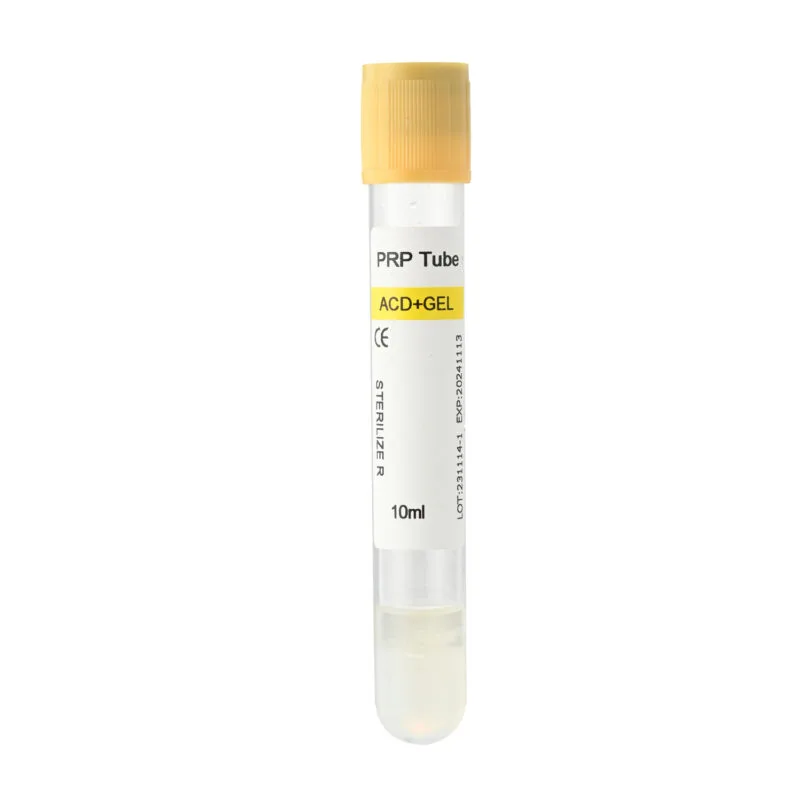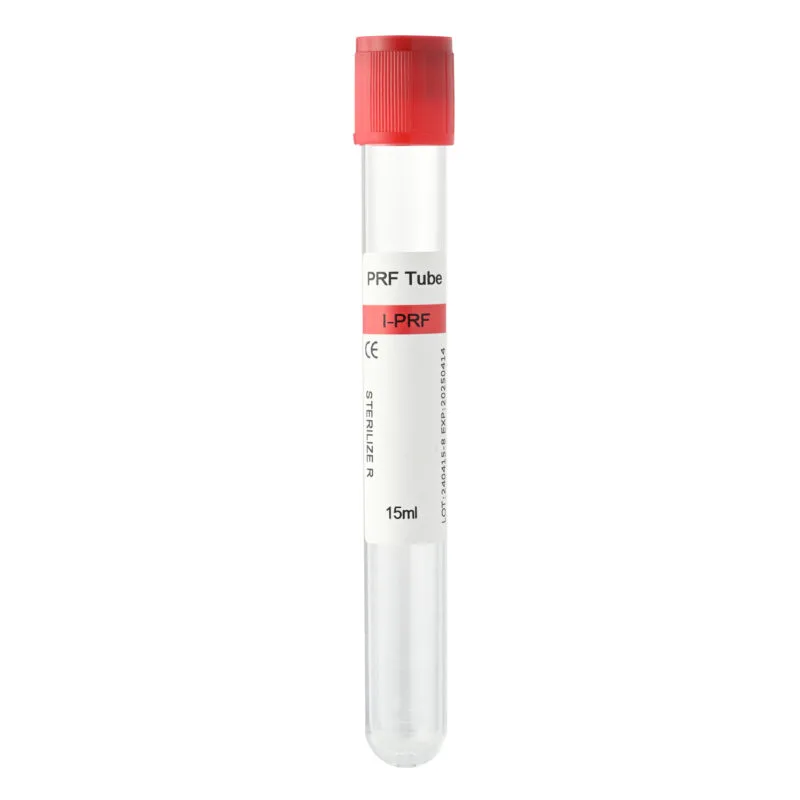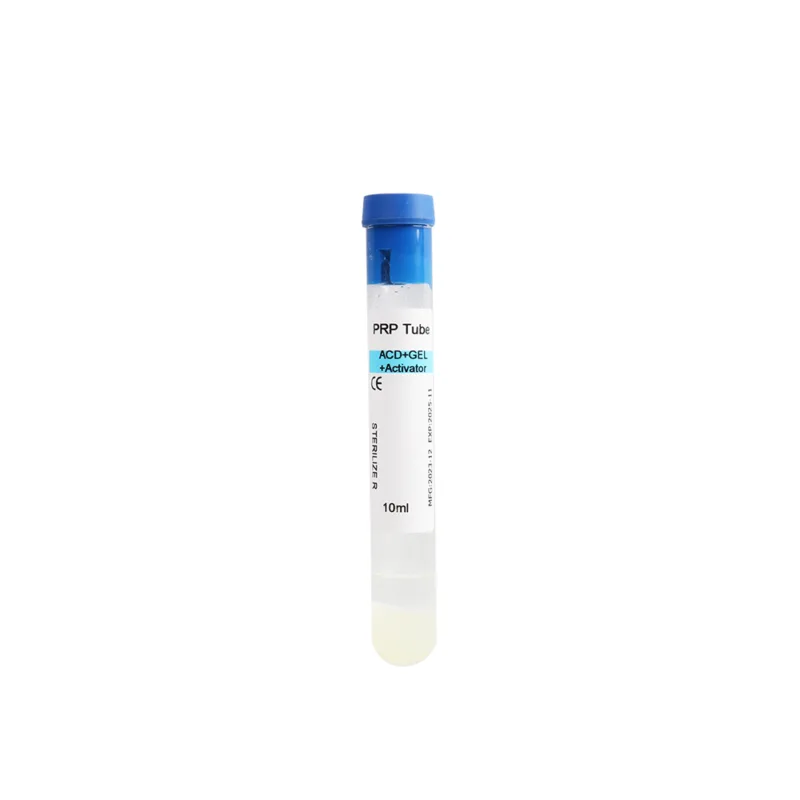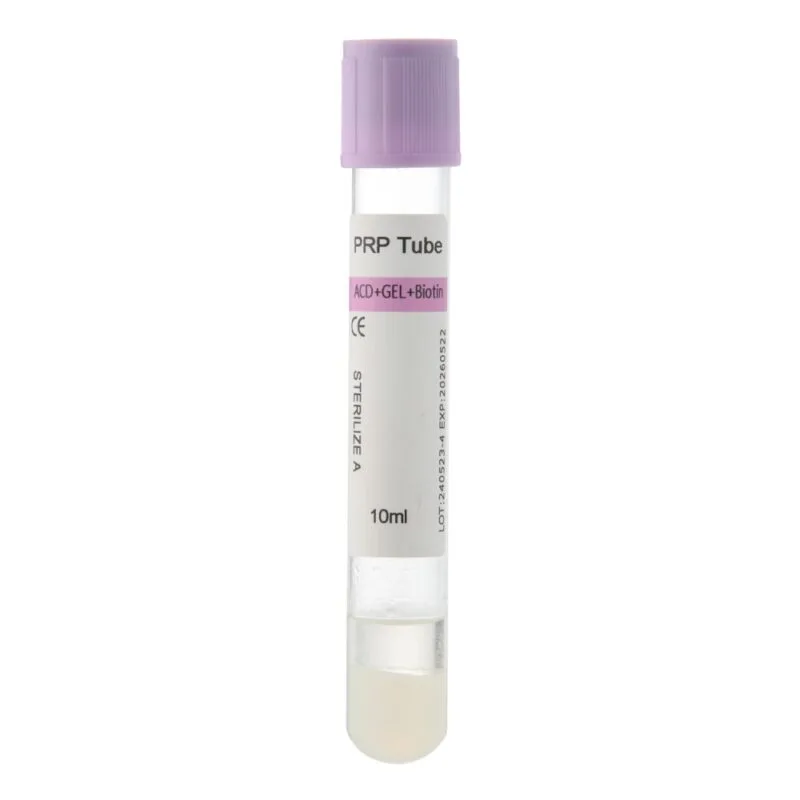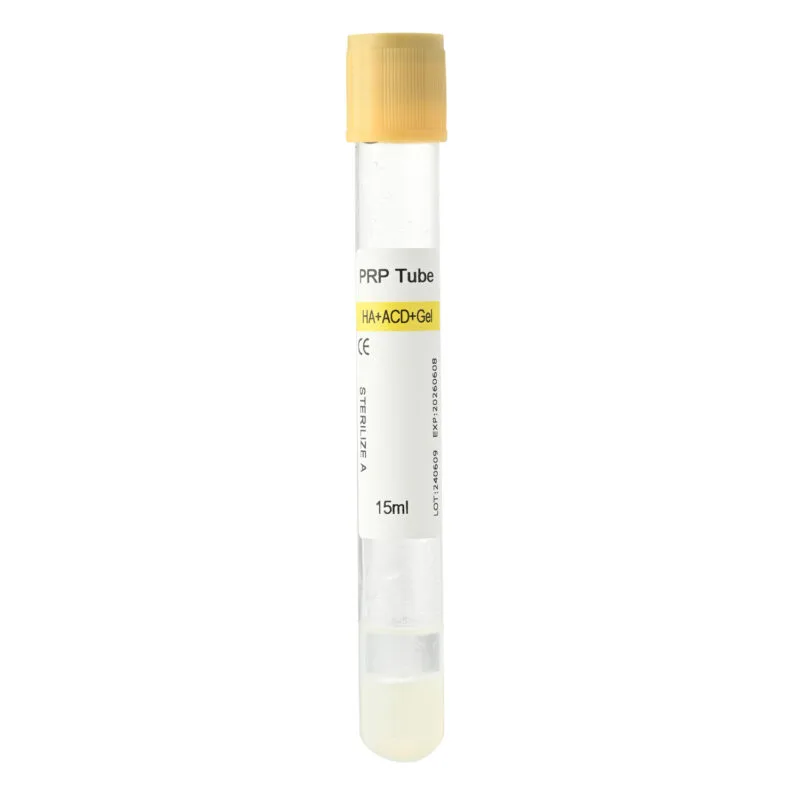
For buyers comparing PRF vs. CGF in dentistry, the main differences are the centrifuge program and the form of fibrin the team collects. Platelet-rich fibrin (PRF) includes solid clots that can be pressed into membranes and liquid preparations that clot after collection. Conventional concentrated growth factor (CGF) uses a staged, variable-speed program to produce a cohesive clot. Before ordering tubes, identify which form your clinicians need, then check the tube against the specific centrifuge model and program.
Both are autologous, meaning they come from the patient’s own blood. Researchers have studied them as adjuncts in procedures such as tooth extraction, periodontal surgery, and bone grafting. When reviewing that evidence, look for the same dental procedure and preparation your team plans to use.
PRF vs. CGF in Dentistry at a Glance
Fibrin is the protein mesh that forms during clotting and can retain platelets, other blood cells, and signaling proteins. Many conventional solid PRF and CGF protocols allow this mesh to form without adding an anticoagulant. Within the PRF family, leukocyte- and platelet-rich fibrin (L-PRF) and advanced PRF (A-PRF) are solid preparations. Injectable PRF (i-PRF) is collected as a liquid with a limited handling window.
| Buying consideration | PRF | CGF |
|---|---|---|
| Chairside form | L-PRF and A-PRF provide a clot for placement or pressing. i-PRF is collected as a liquid. | Conventional CGF yields a cohesive clot that can be pressed when the protocol calls for a membrane. |
| Centrifuge program | Force and run time vary by PRF subtype and equipment. | The centrifuge must support the specified sequence of speed changes. |
| Tube selection | Identify the tube specified for the subtype and intended form. | Confirm the tube specified for the CGF system and its holder. |
| Sample evaluation | Check clot retrieval for solid PRF or handling time for liquid PRF. | Check clot retrieval and, where relevant, membrane handling. |
The form matters when ordering for bone grafting, for example. A clinician may request a liquid fraction to bind graft particles or a solid clot to press into a membrane for coverage. Record the exact preparation and the form required on the purchase request, especially when the same clinic uses both formats.
How PRF and CGF Centrifuge Programs Differ
Many solid PRF methods use a single target speed during the main spin. Conventional CGF cycles move through a sequence of speeds. Check the program supported by the device, including the stages and transitions specified for CGF. For PRF, confirm which protocol the device supports, since the force and duration used for solid PRF and i-PRF can differ.
Revolutions per minute (RPM) describes how fast the rotor turns. Relative centrifugal force (RCF) expresses the acceleration at a given point in the rotor as a multiple of gravity. At the same RPM, different rotor radii can produce different RCF values. When checking equipment compatibility, record the rotor or holder and verify where the protocol specifies RCF, such as at the clot or the far end of the tube.
In one laboratory study, CGF clots tolerated more pulling force before breaking and contained higher concentrations of two growth factors, PDGF-BB and EGF, than PRF clots prepared in the same study. The strength finding helps explain why clots may feel different during transfer or pressing. To compare healing, look at patient outcomes for the procedure you have in mind.
What Dental Studies Say About PRF and CGF
Tooth extraction and socket healing. A study comparing CGF and L-PRF at paired extraction sites found similar scores on the modified healing index at day seven. Participants reported less pain at the CGF-treated sites on the first day. Pain scores showed no significant difference on the following days measured. For a clinic evaluating the two preparations, early comfort and soft-tissue healing are separate outcomes.
Periodontal surgery. A network meta-analysis found no statistically significant difference between CGF and PRF membranes for the root coverage outcomes reviewed. In a separate trial of 20 patients with three-wall intrabony defects, CGF showed greater pocket depth reduction, attachment gain, and radiographic defect fill than i-PRF at six months. The second study applies to a specific defect and compares CGF with liquid PRF.
Bone grafting and implant-related procedures. Studies have examined PRF and CGF in combination with different graft materials or scaffolds. When applying those findings to a purchase, check which graft material and surgical technique the study used and what role the fibrin played. For example, the ability to bind graft particles is a handling property. Bone fill is a separate outcome that requires clinical follow-up.
Regenerative endodontics. In a randomized trial of 18 patients with mature necrotic upper incisors, both groups showed radiographic healing at six and 12 months. The study detected no significant between-group difference in lesion size or relative bone density. The small trial provides a comparison for that particular group and procedure.
How to Choose PRF and CGF Tubes
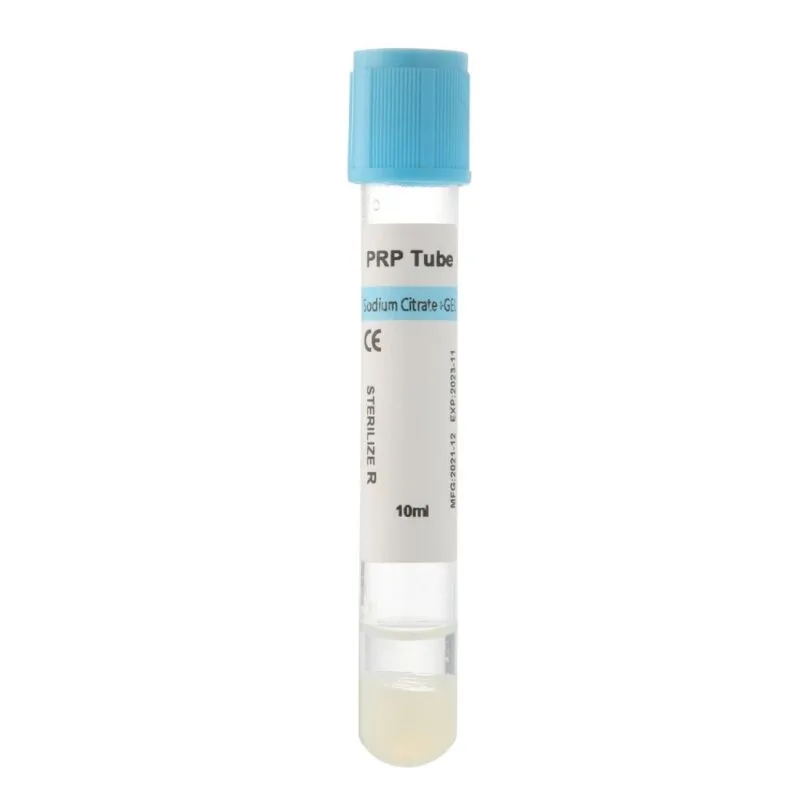
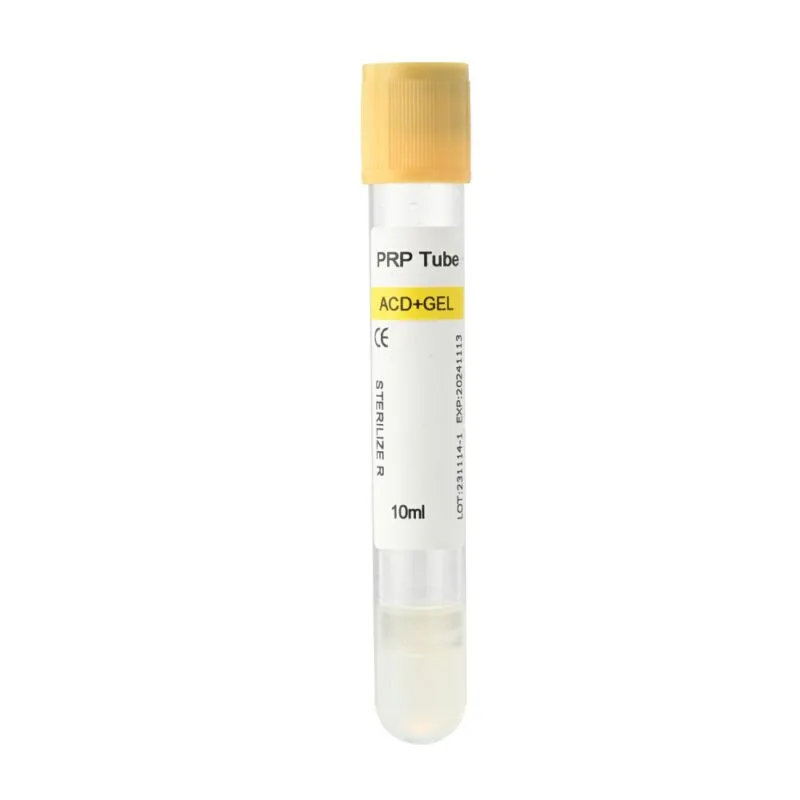
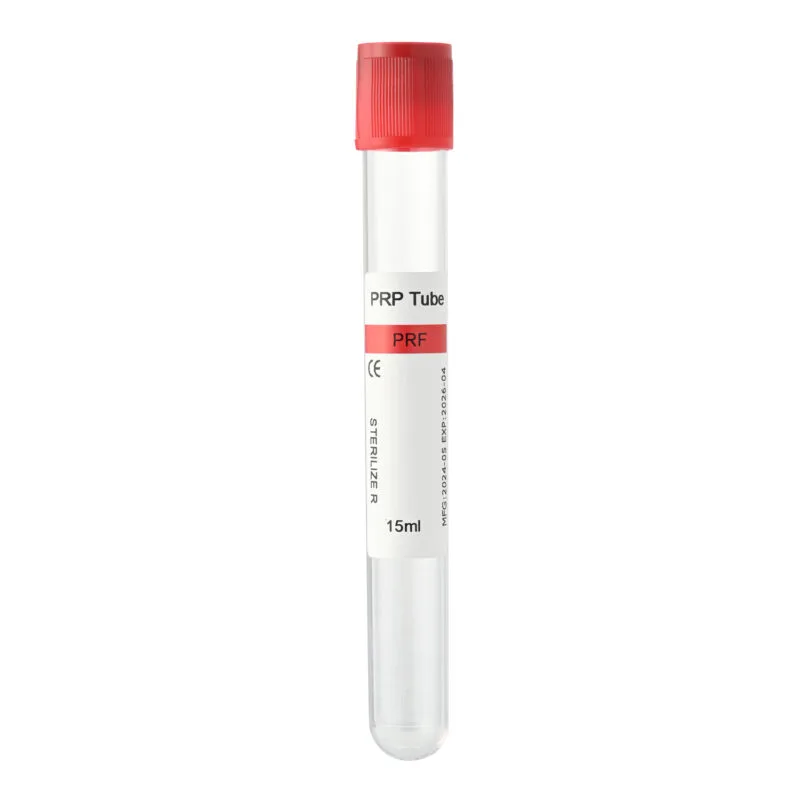
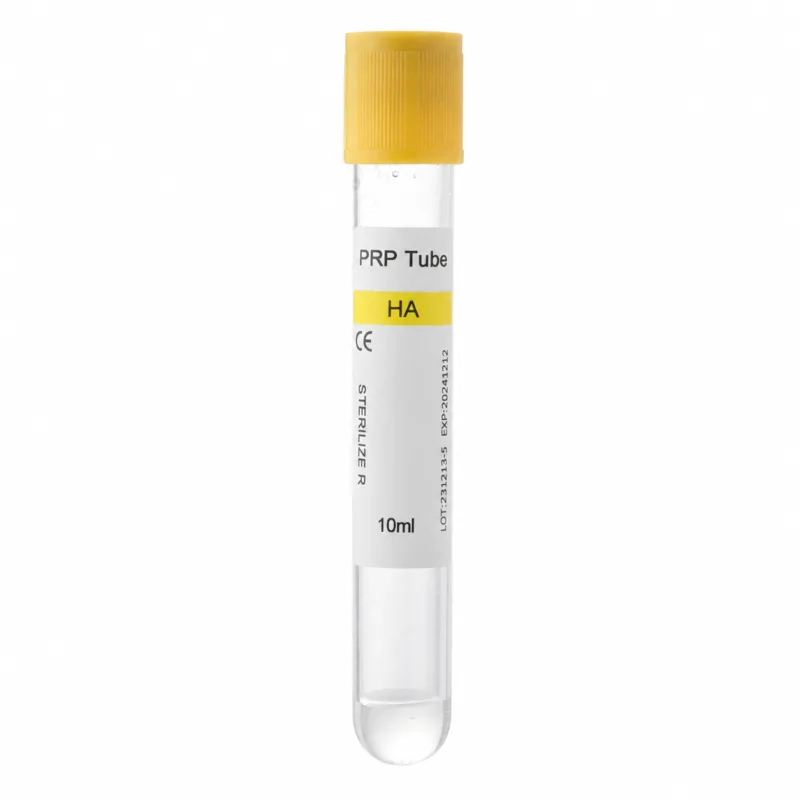
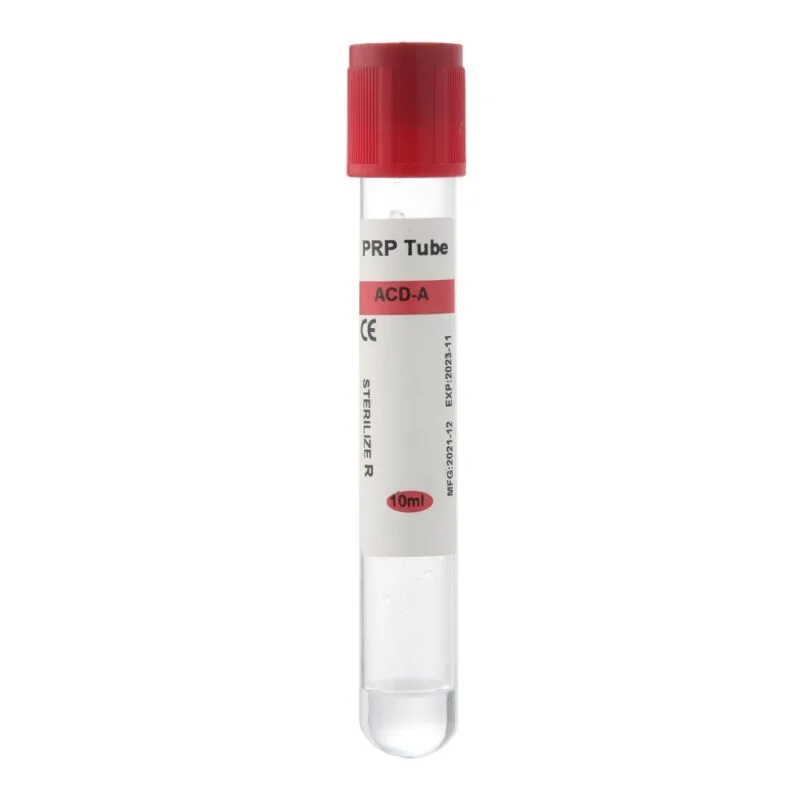
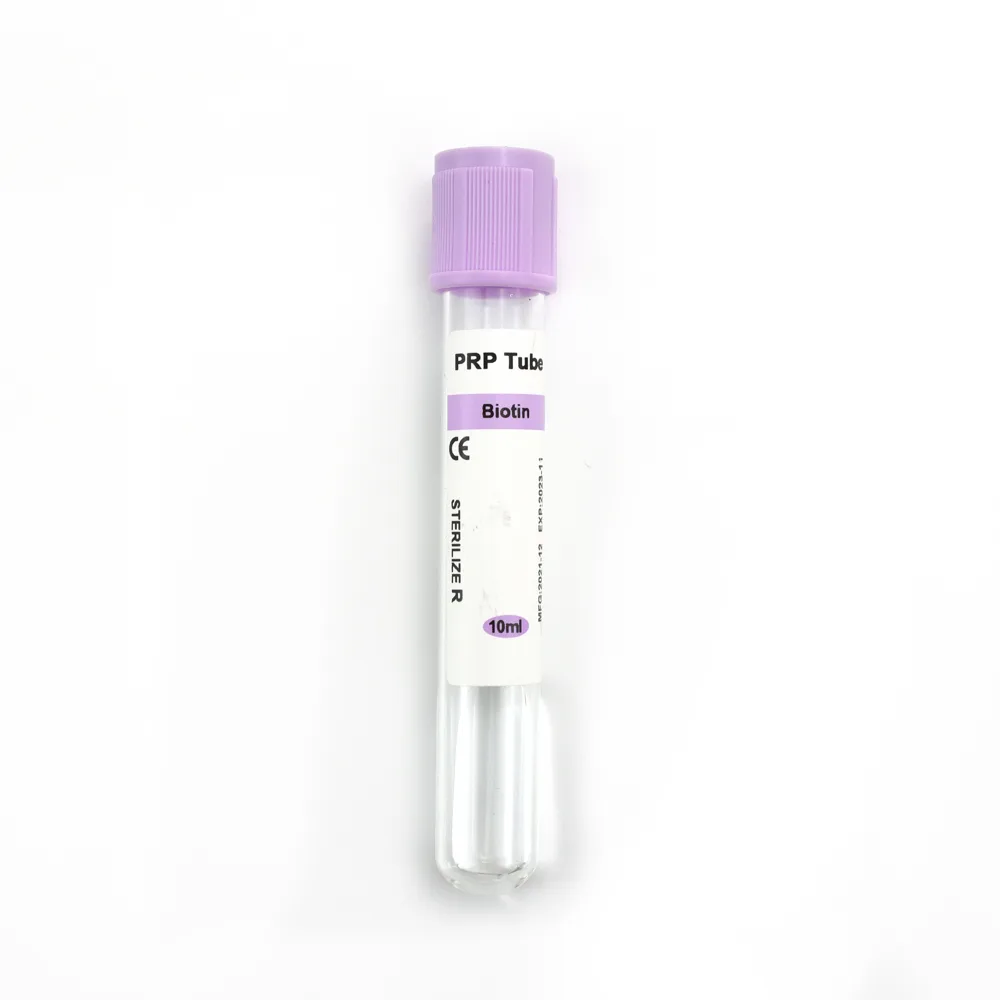
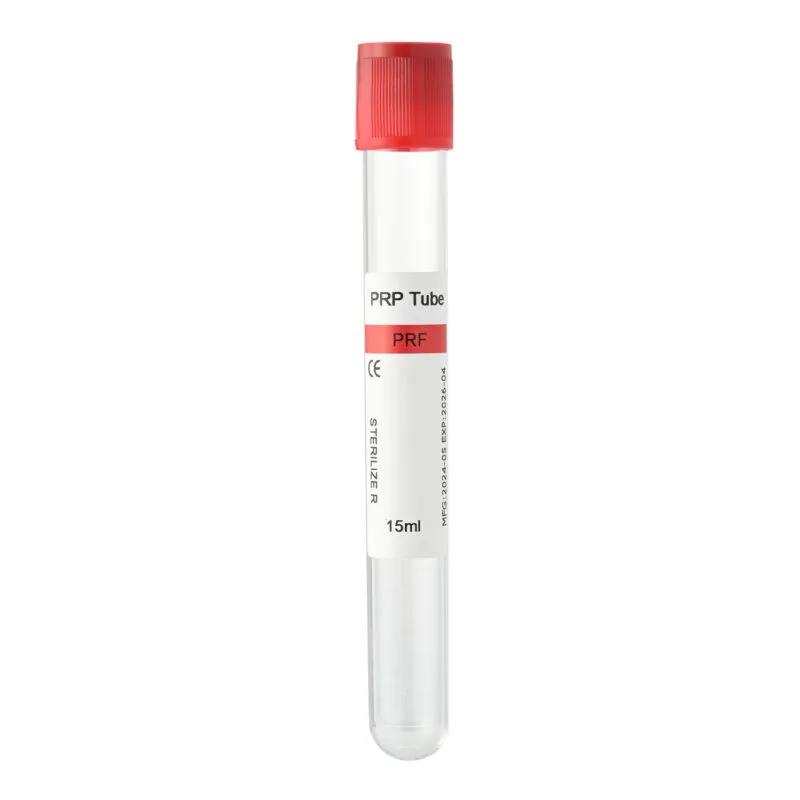
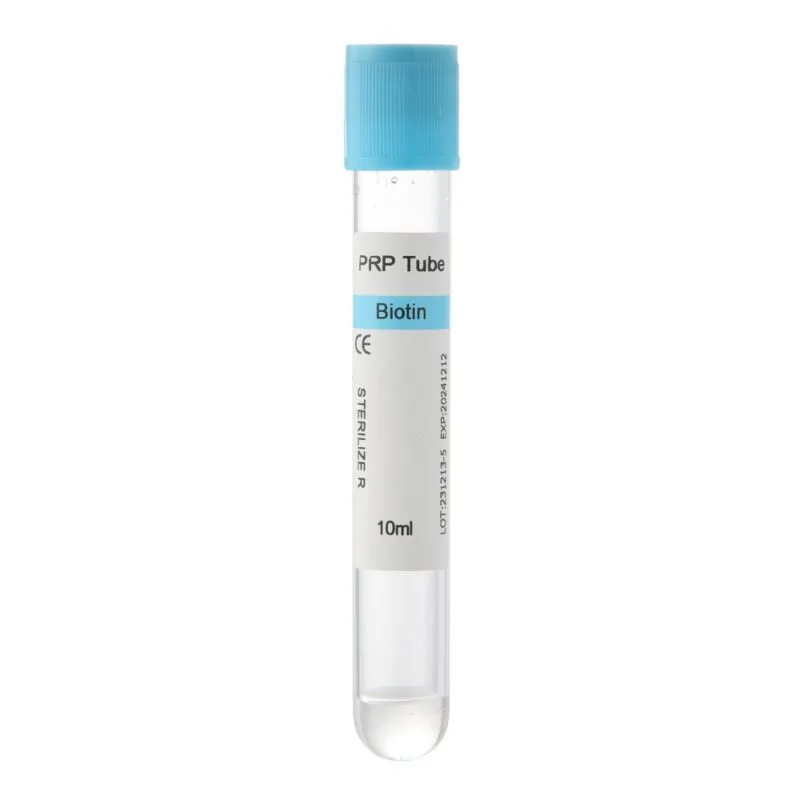
Material and inner surface. Plain glass is used in some solid PRF protocols because contact with the surface favors clotting. Silica-coated plastic tubes are also used in certain solid PRF workflows. Some liquid PRF protocols use plastic tubes with a hydrophobic inner surface to give staff time to transfer the liquid before it clots. Ask the supplier to identify the base material, any inner coating, and any additive on the product specification. For CGF, verify those details against the tube specified for the particular system.
Draw volume and fit. Verify the intended blood draw volume and the tube’s outer diameter and length. The first determines how much blood the tube is designed to collect. The outer dimensions help confirm fit with the specified holder or adapter. When tubes look alike or share a cap color, identify the replacement by its product code and documented compatibility.
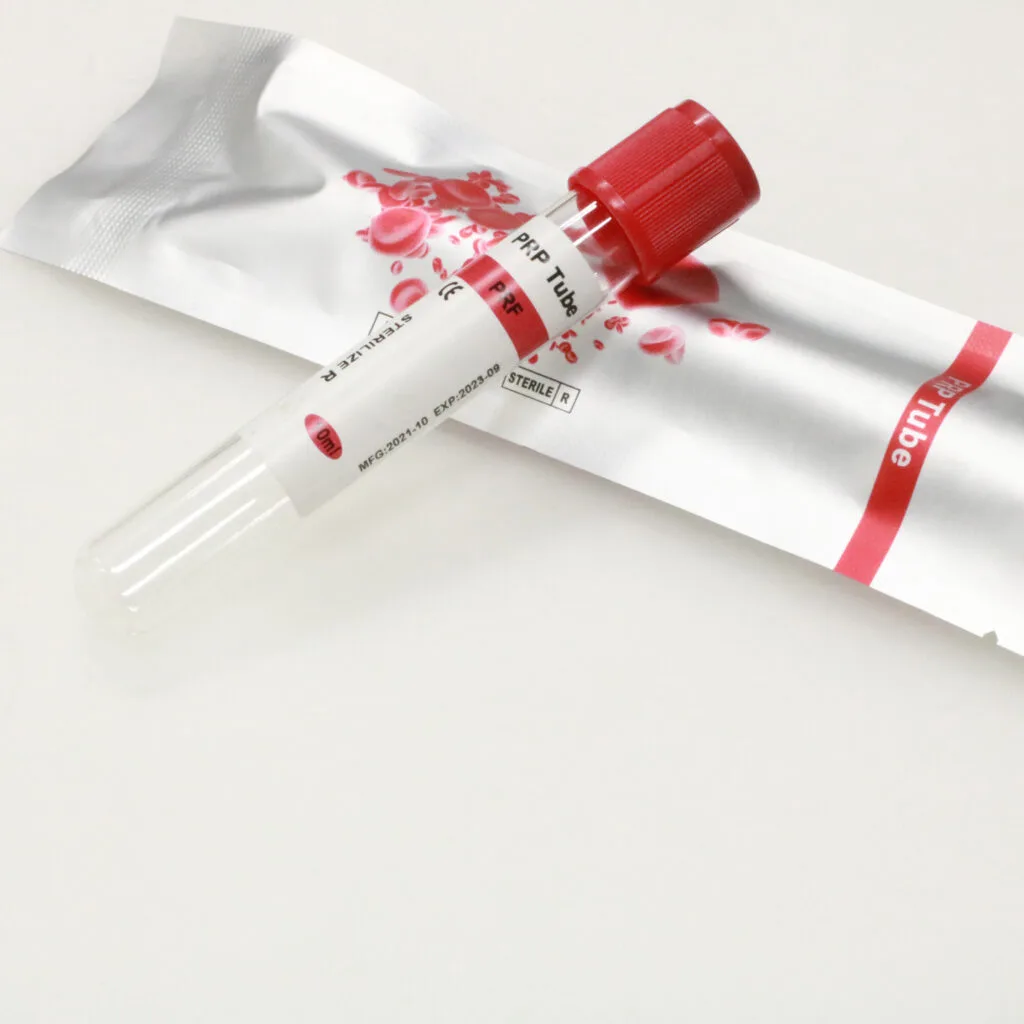
Labeling and documentation. Check the labeled intended use, current instructions, and pack configuration for the quoted tube code. If the tube is supplied sterile, review the packaging and expiry information and confirm where the lot number appears. For distribution across markets, verify the documents and labeling for each destination before approving the order. Keep the approved label and product code together so the receiving team can check repeat shipments.
If your team is comparing tubes for solid and liquid PRF, explore Siny PRP’s PRF tube range to shortlist the formats you use.
How to Compare Samples Before a Bulk Order
Replacing a tube in an existing PRF workflow. Give the supplier the current tube code, centrifuge model, rotor or holder, and program. Ask which proposed sample matches that setup. If staff prepare both A-PRF and i-PRF, specify each on its own order line so the warehouse and clinic can identify the correct tube at a glance.
Adding a CGF workflow. Verify that the centrifuge supports the required speed stages and that the tube and holder are specified for that setup. Confirm these details before asking the supplier for samples or a quote.
Evaluating samples. Agree on what counts as a usable result under the practice’s workflow and device instructions. For a solid preparation, assess whether staff can retrieve the clot intact and handle the resulting membrane where one is needed. For liquid PRF, check whether there is enough working time for the planned transfer or mixing. Record the tube code, lot, and centrifuge program alongside the result.
Comparing quotes. Calculate consumable cost per case from the number of tubes the clinical team expects to use. Factor in pack quantity, lead time, and remaining shelf life on receipt. If CGF requires a new centrifuge, adapter, or staff training, include those costs in the rollout estimate. Confirm that the tube code on the final quote matches the sample approved by the clinical team.
Frequently Asked Questions
Are PRF and CGF the same material?
Both come from the patient’s own blood and can form a fibrin matrix. PRF is a family of preparations. Conventional CGF describes a fibrin clot produced by a staged centrifuge program. The tube and program matter because they influence the form the team can collect.
Is CGF better than PRF for dental surgery?
Clinical results vary by procedure and PRF subtype. Compare evidence for the same procedure and fibrin form your clinicians plan to use. Look at the outcome that matters to them, such as early pain, soft-tissue closure, or radiographic healing, since each measures a different part of recovery.
Can a PRF tube be used for CGF?
Use a PRF-labeled tube for CGF only when the compatibility documentation covers that specific tube code, holder, and program for the intended preparation.
Can a standard PRF centrifuge run a CGF program?
It can if the centrifuge supports the required CGF speed sequence and the specified holder and tube. Check the available program for your model. A maximum RPM rating alone cannot confirm those details.
Is a PRF membrane the same as liquid PRF for graft mixing?
A PRF membrane is pressed from a solid clot for workflows that call for a sheet of fibrin. Liquid PRF can be mixed with graft particles during its working window. The clinical team should specify which form it needs for each step.
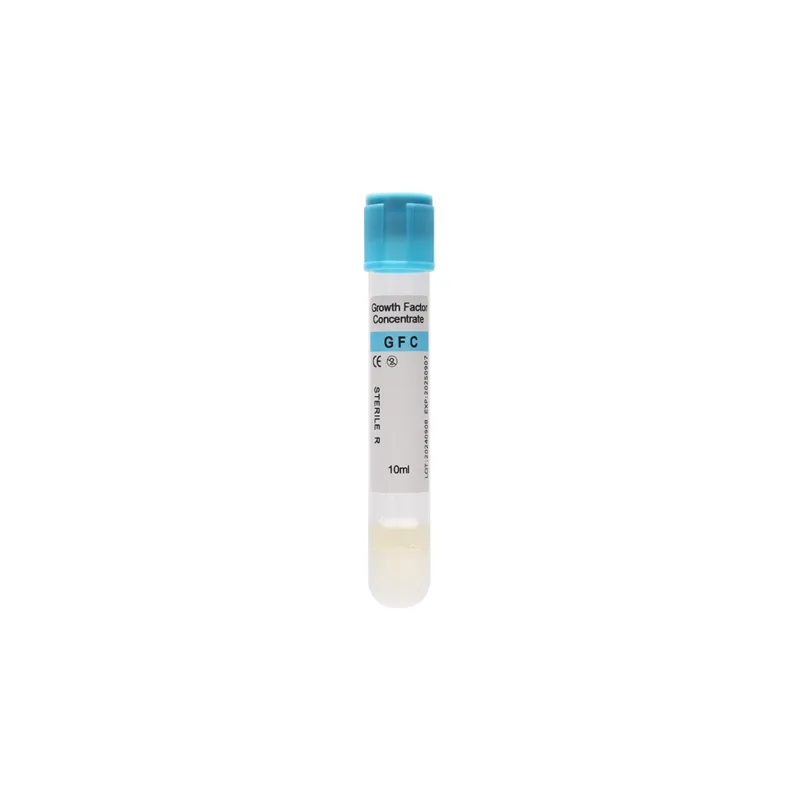
Is a GFC tube equivalent to a dental CGF tube?
Check the documented preparation and output before treating the labels as interchangeable. Dental CGF here refers to a fibrin-clot workflow with a variable-speed program. If a quote lists a GFC tube, ask the supplier to confirm the final form it is intended to produce and the equipment it supports.
Choosing a Tube for Your Dental Workflow
When weighing PRF vs. CGF in dentistry, build your order around the intended fibrin form and the centrifuge program your team uses. Contact Siny PRP with your centrifuge model, target preparation, and estimated order quantity to discuss PRF tube options or share your CGF system requirements.