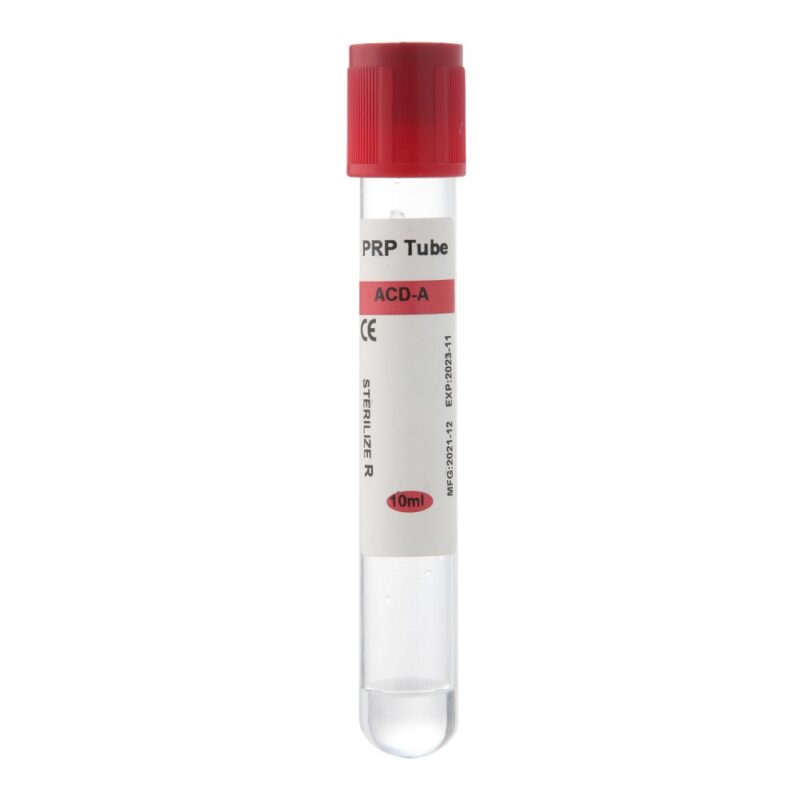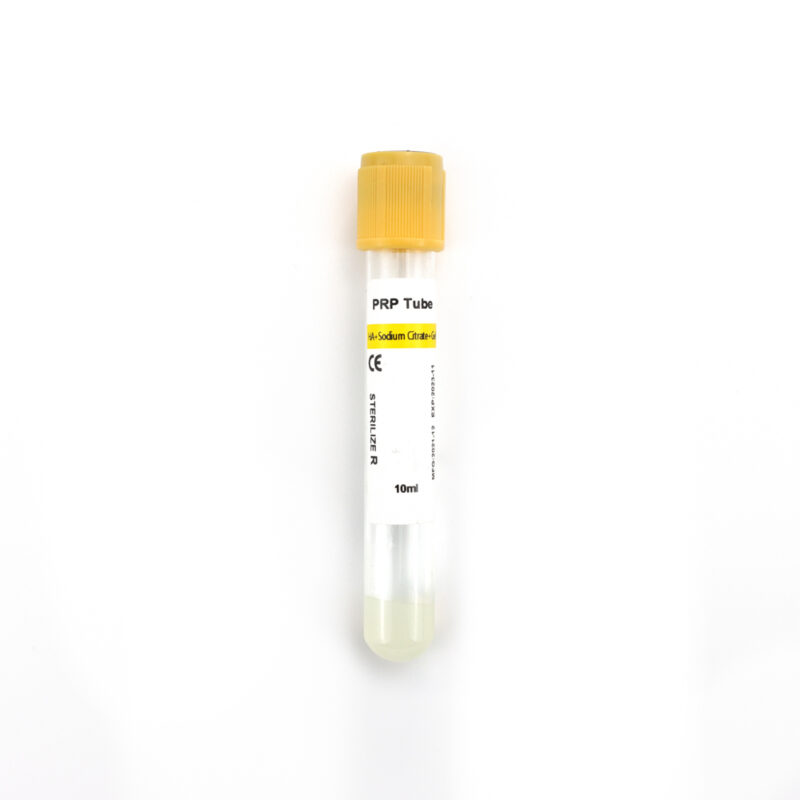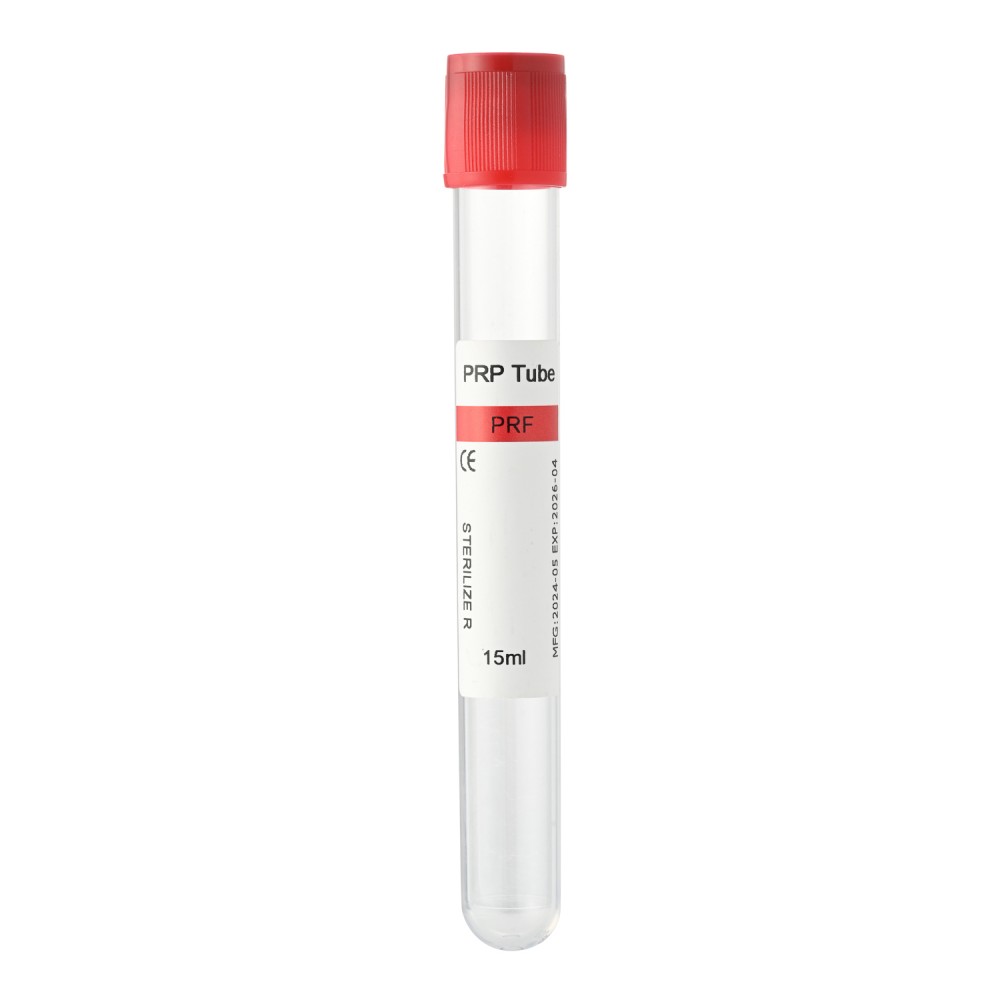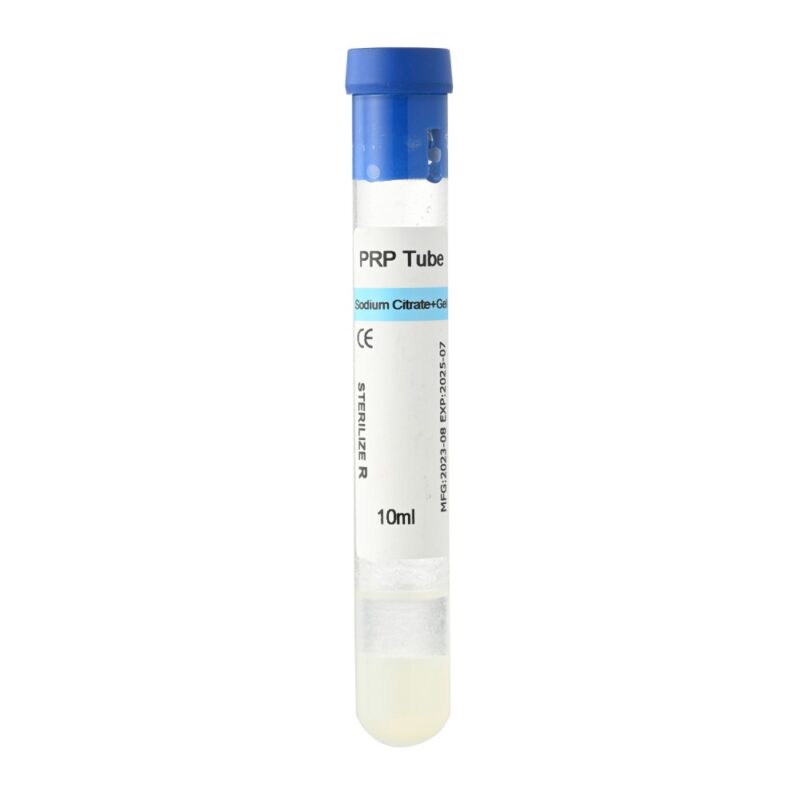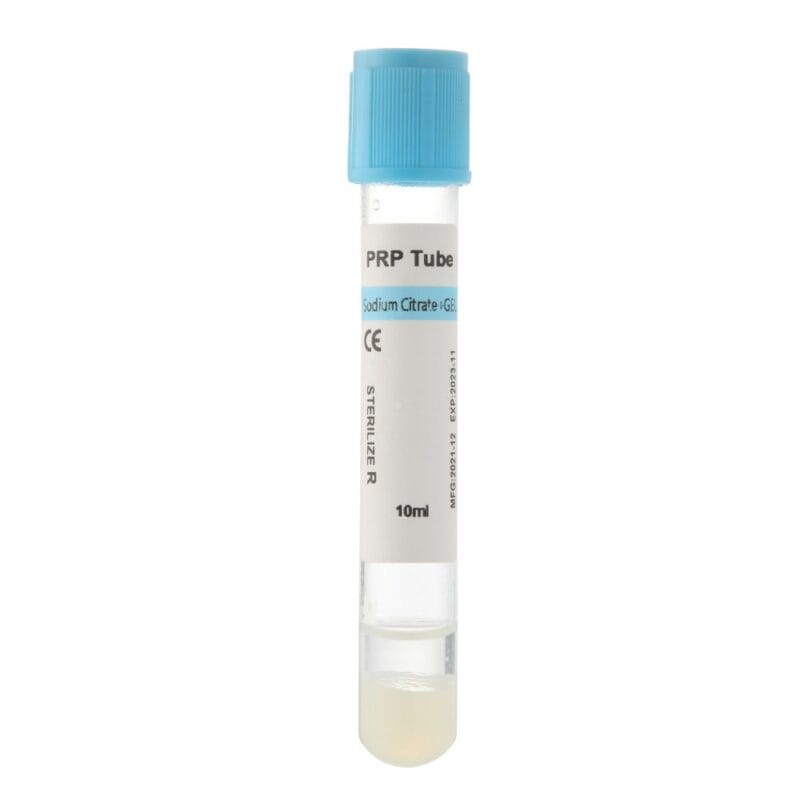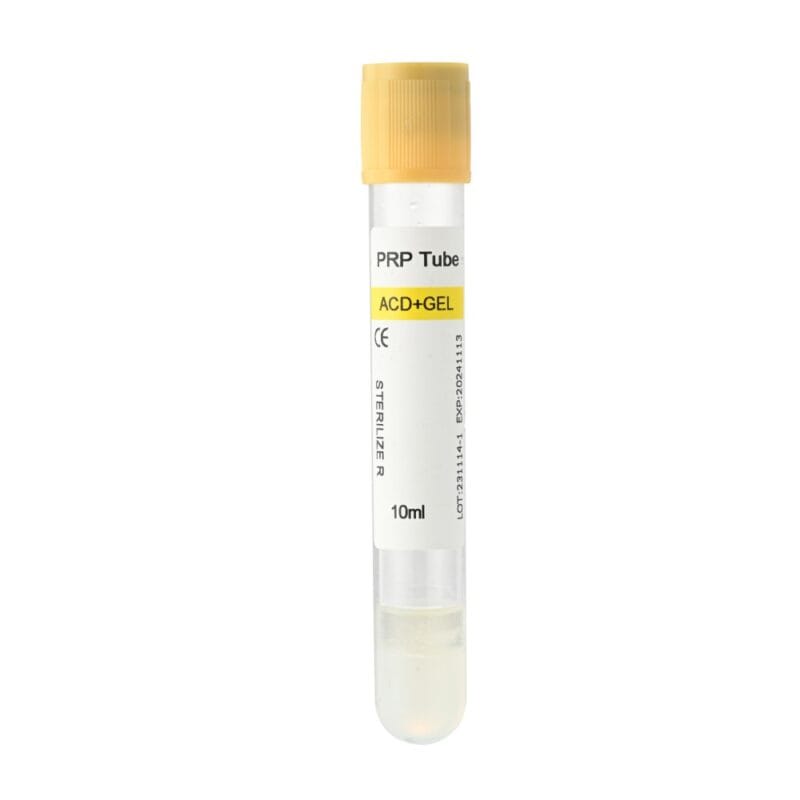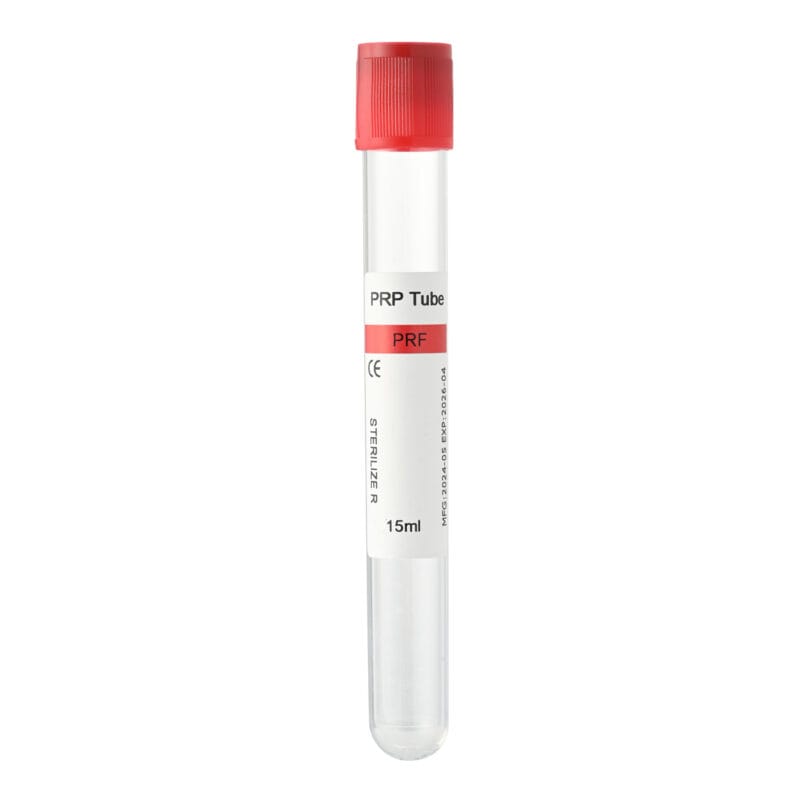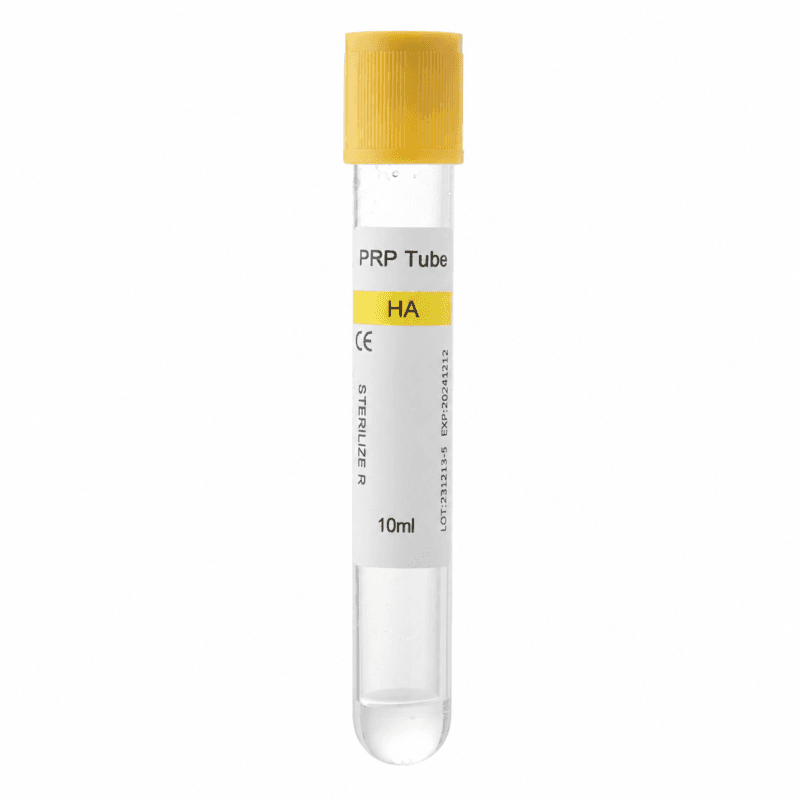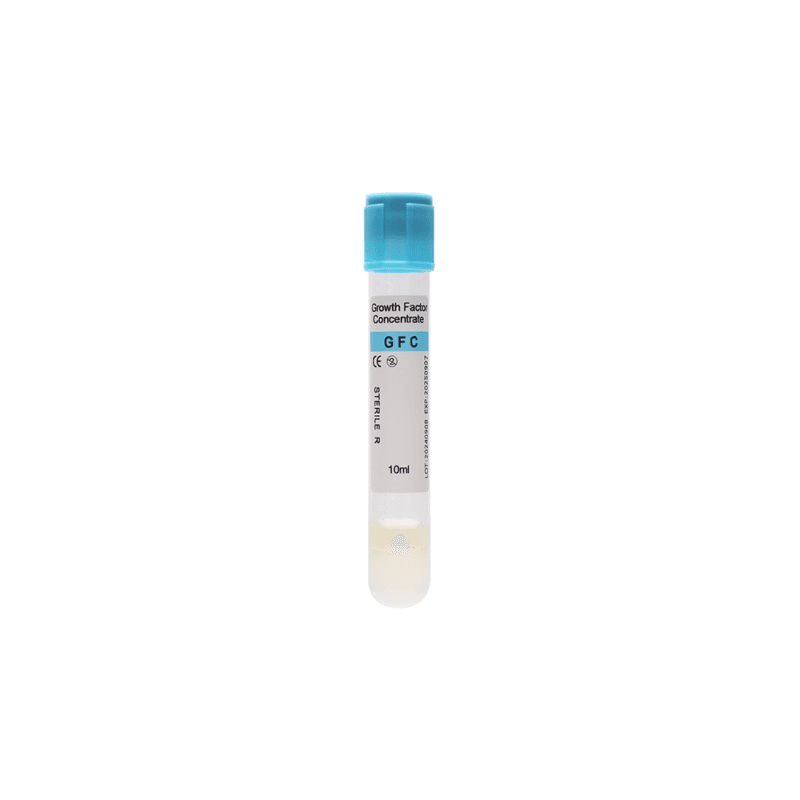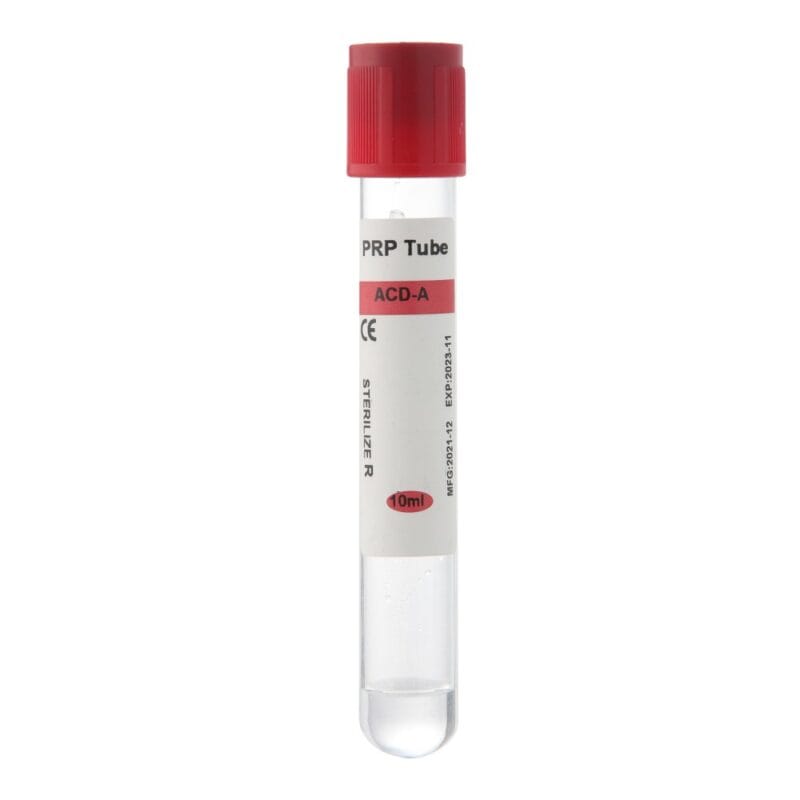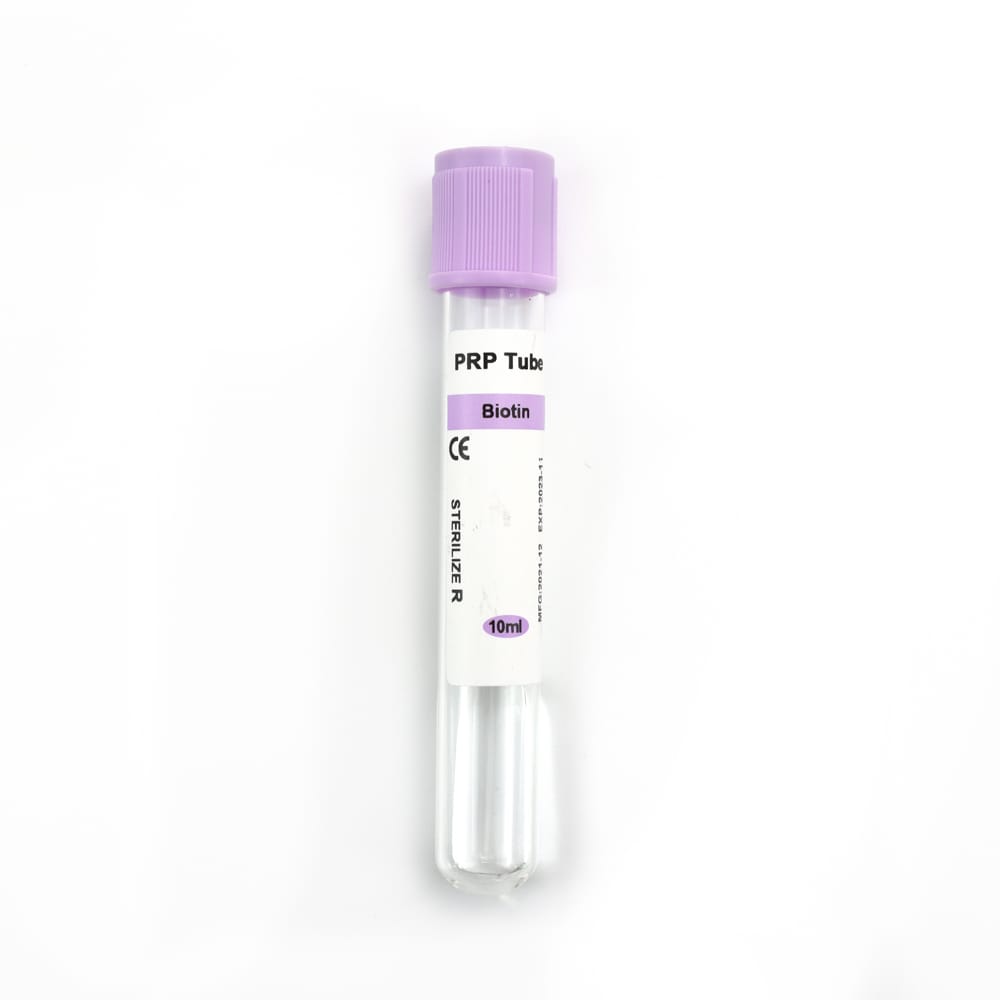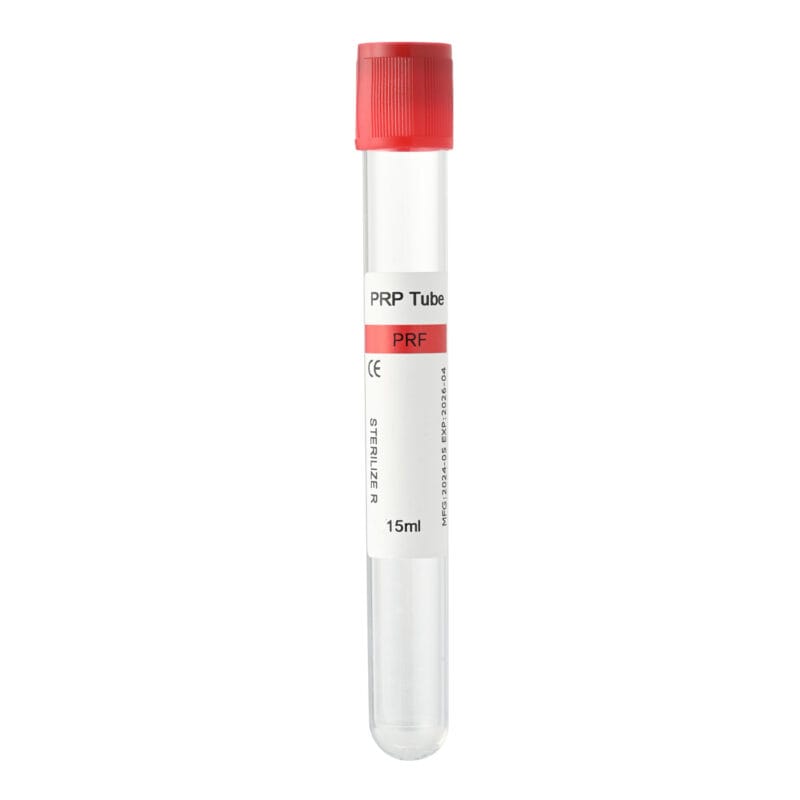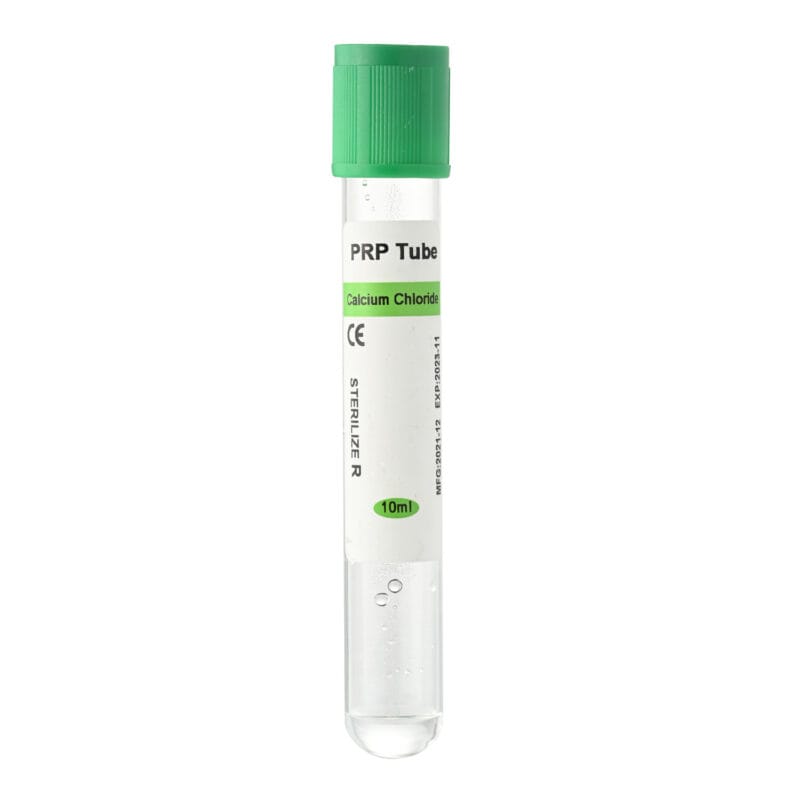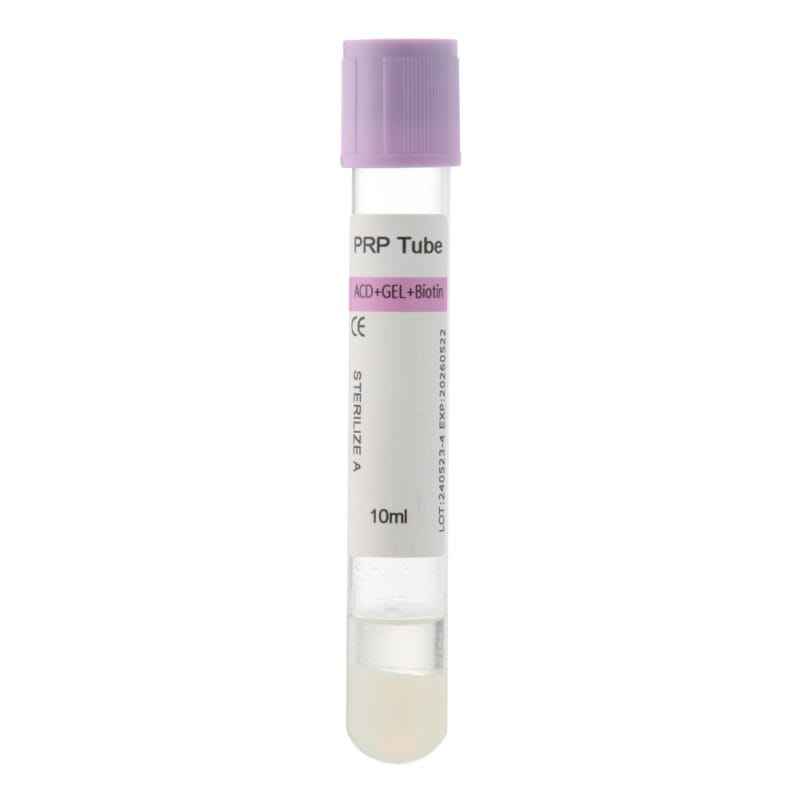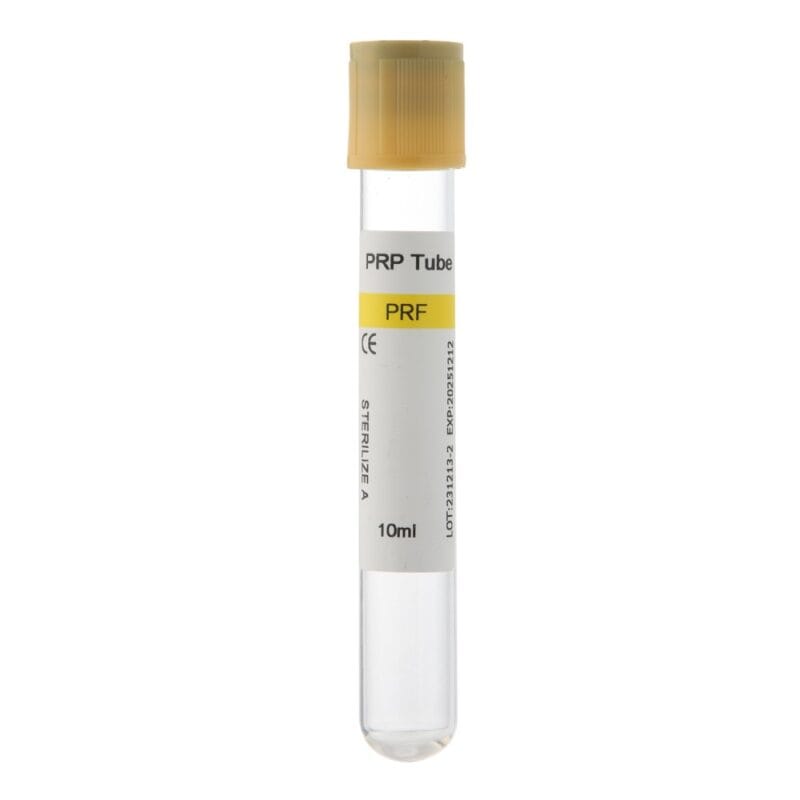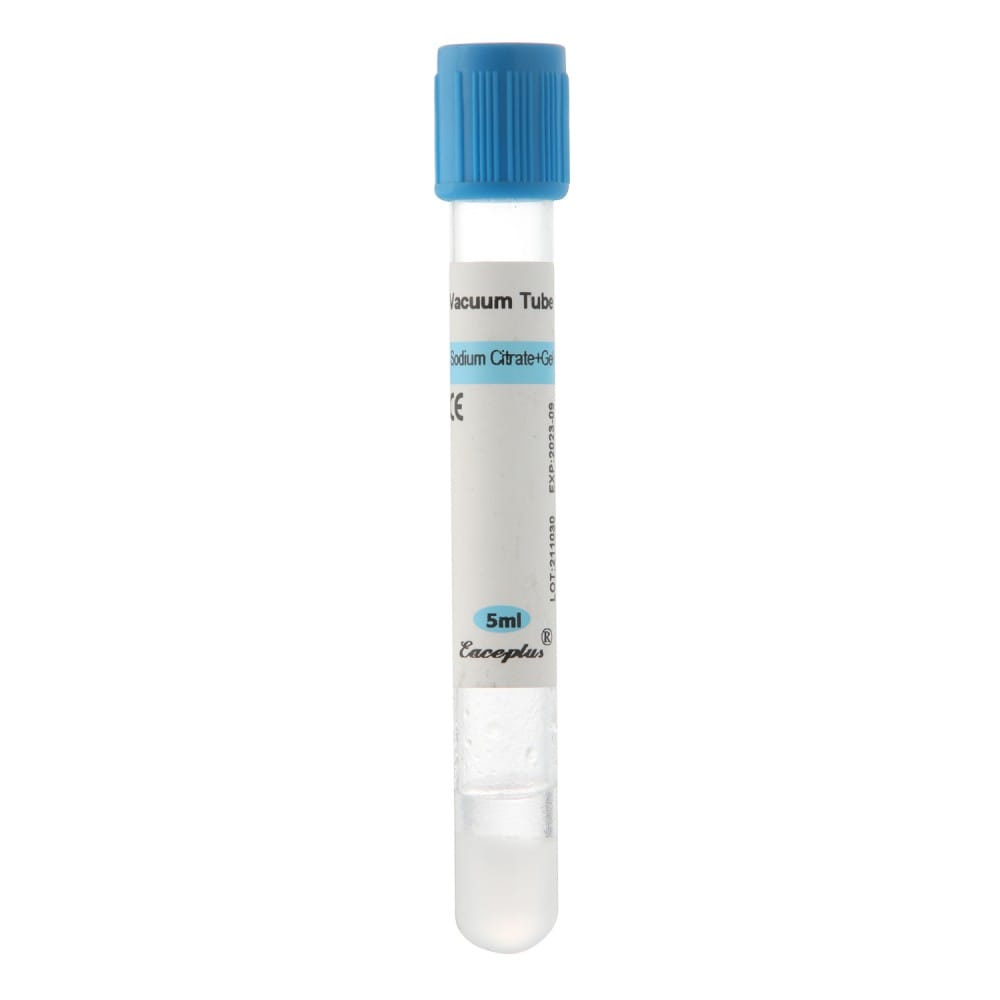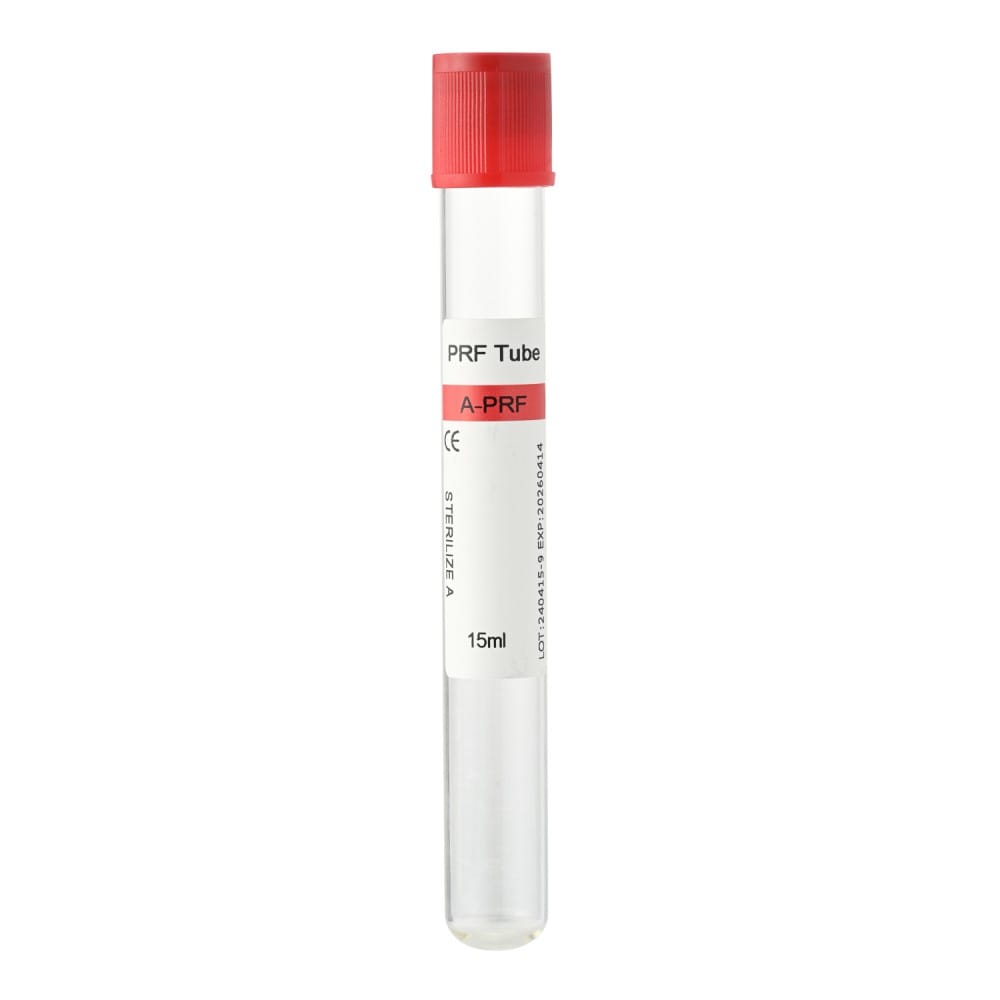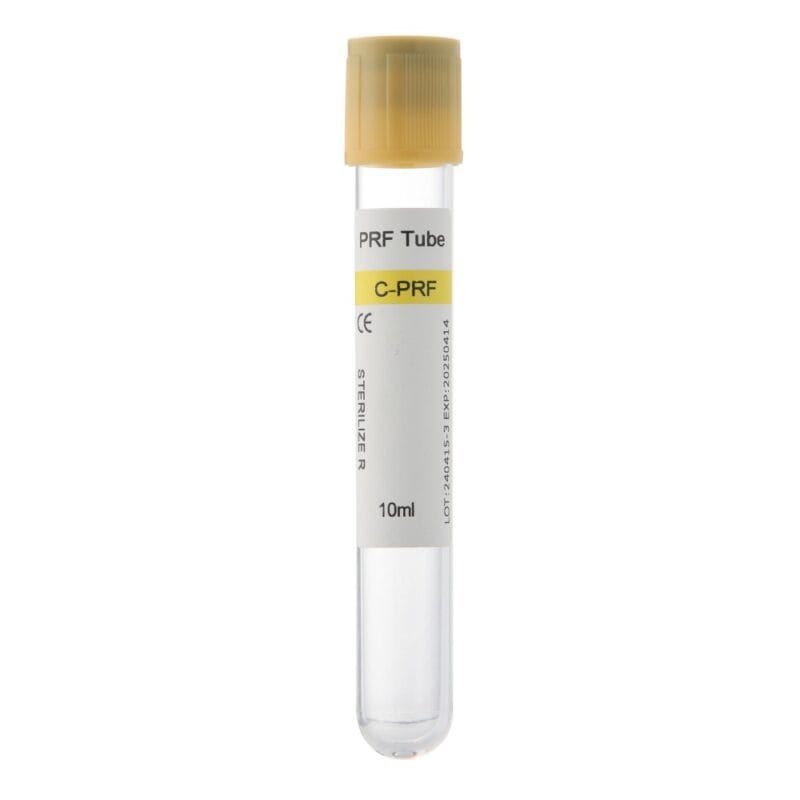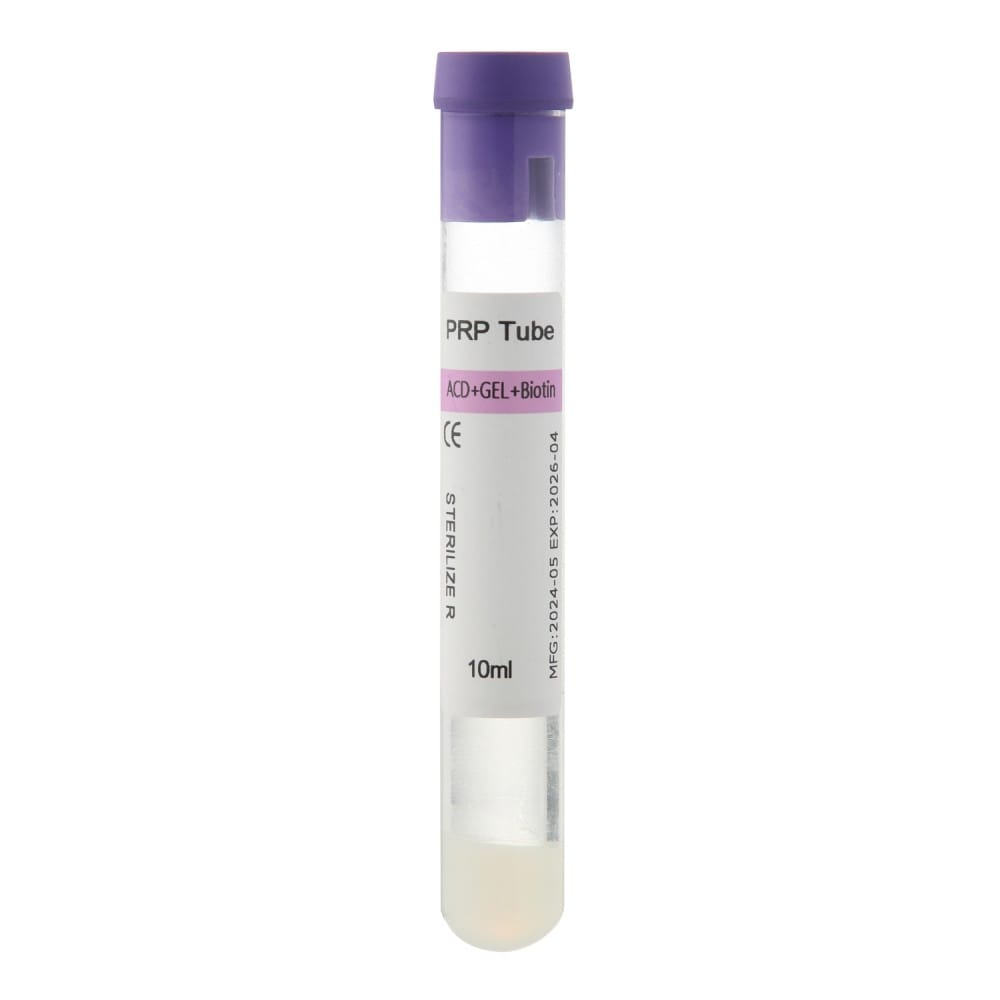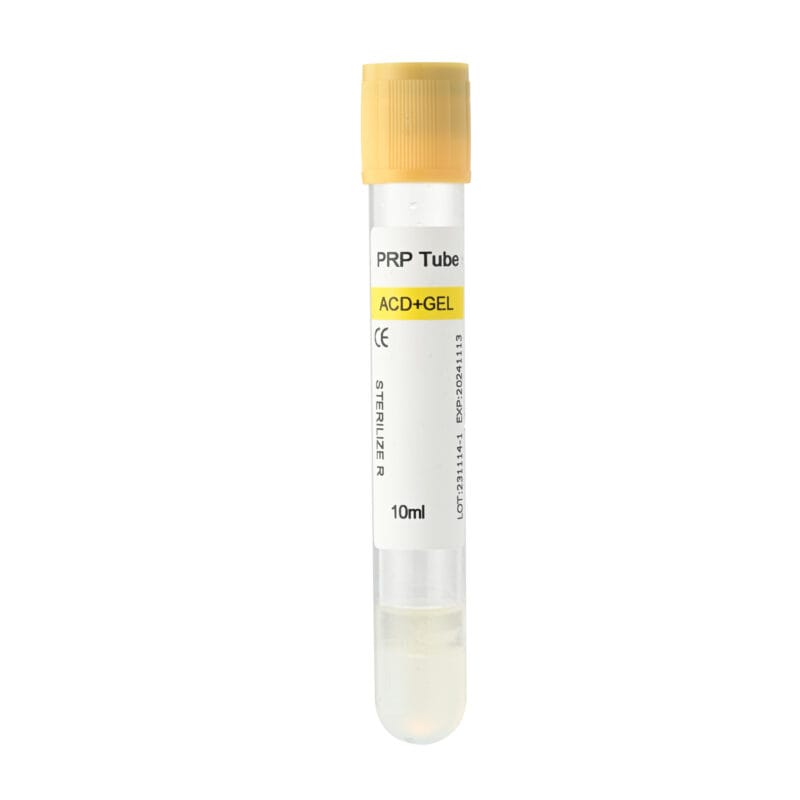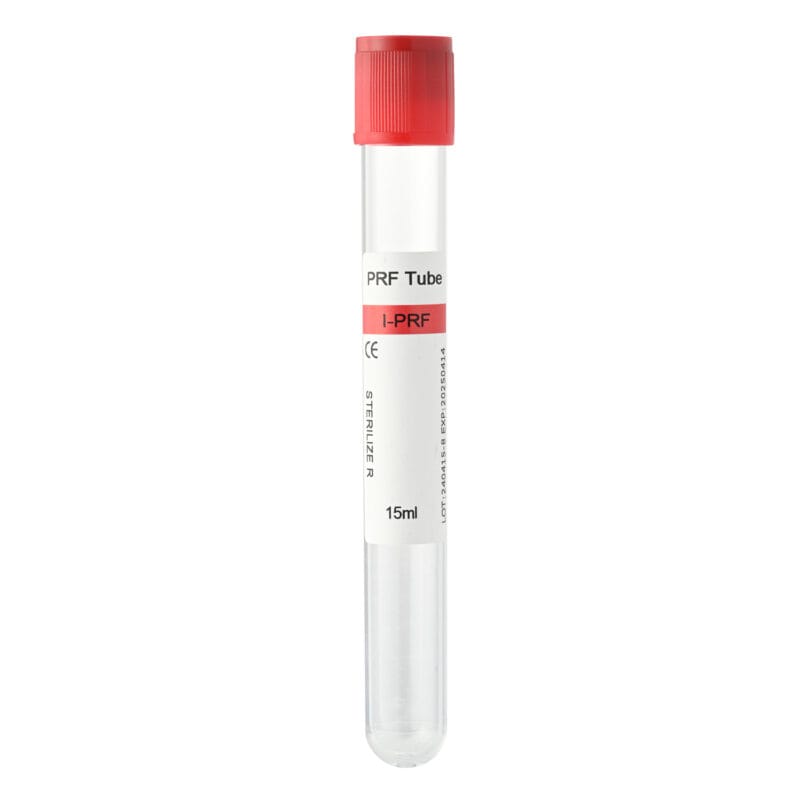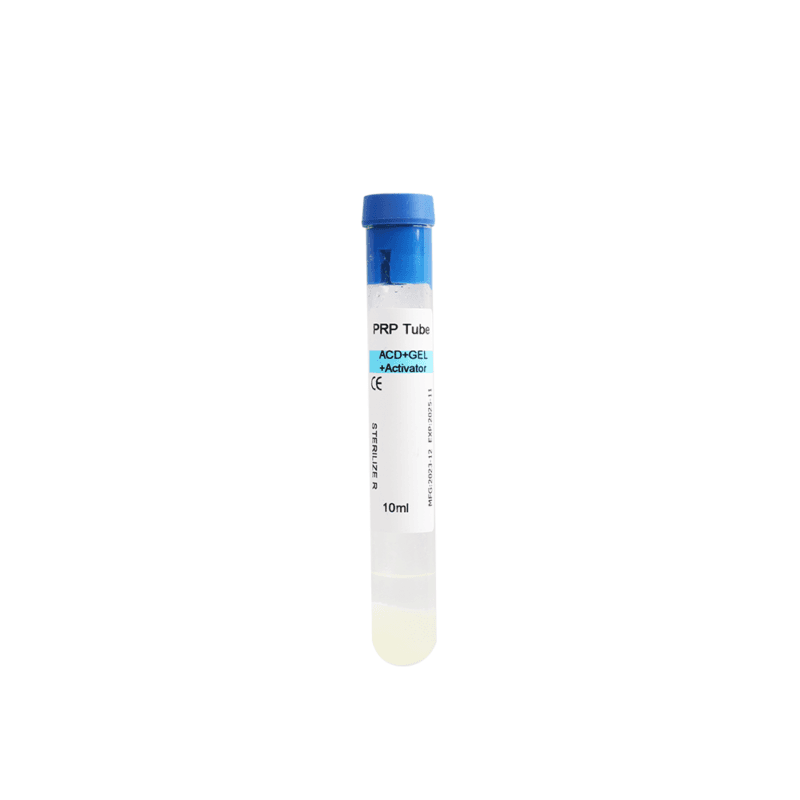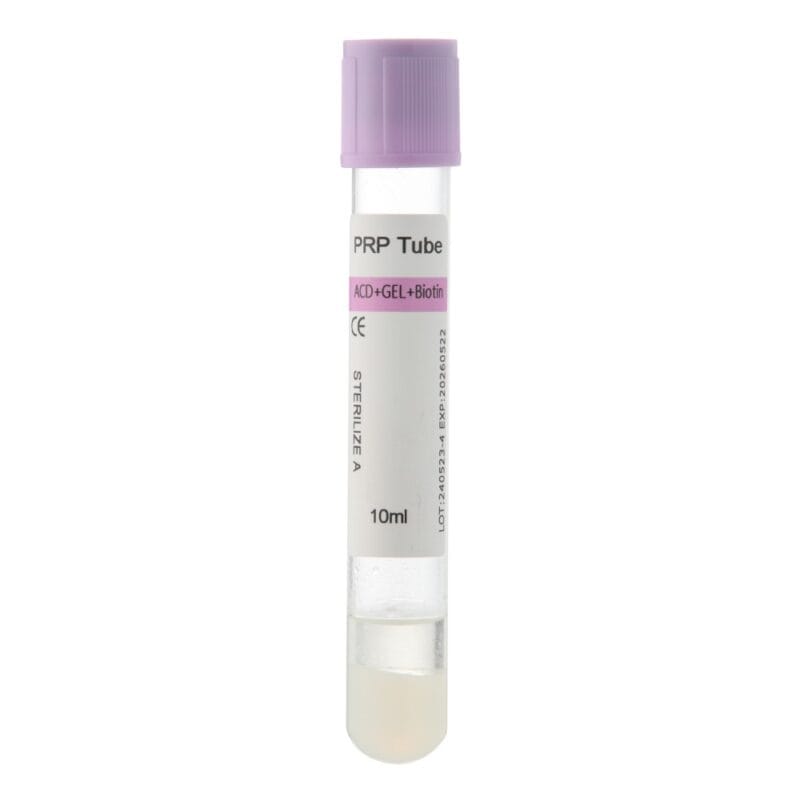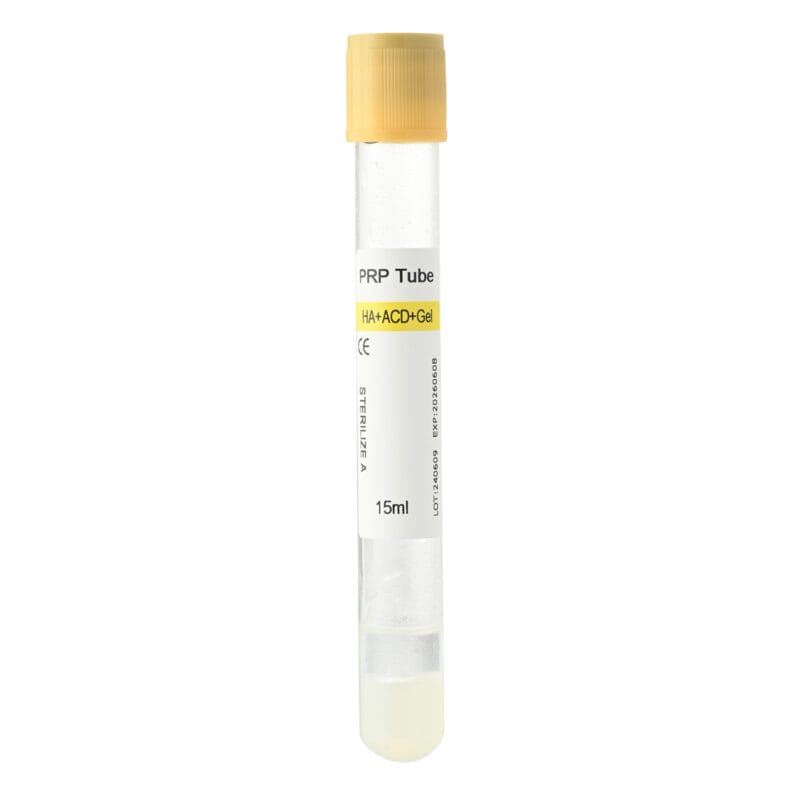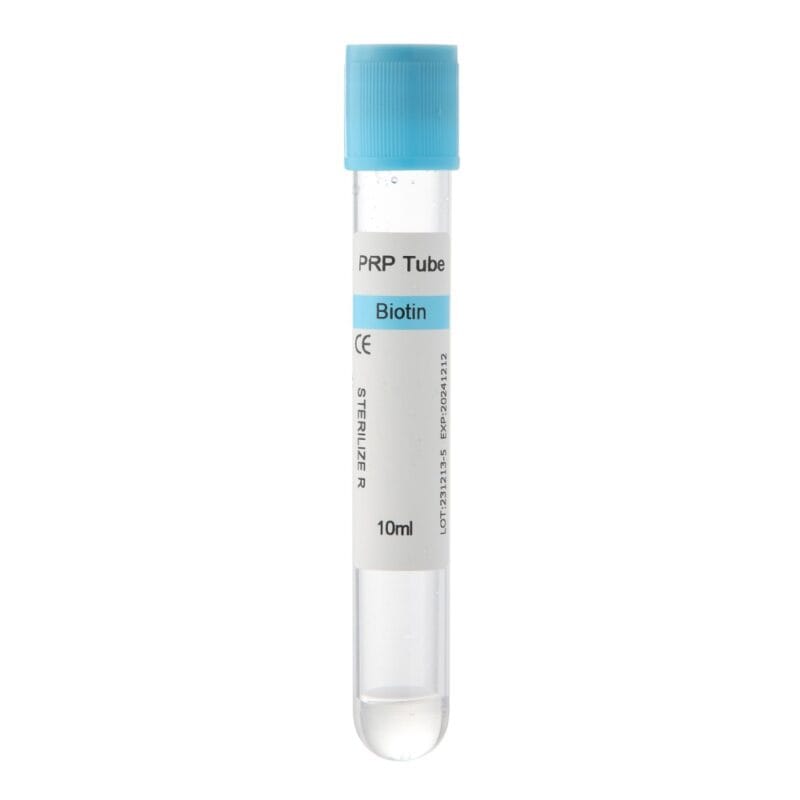
Sports medicine clinics and orthopedic distributors evaluating PRP for ankle sprains have two decisions to make. The clinical team decides whether platelet-rich plasma (PRP) has a role alongside rehabilitation. The purchasing team then checks which tube can support the clinic’s intended preparation. Rehabilitation remains the foundation of care for most lateral ankle sprains, and studies have yet to establish a consistent added benefit from PRP.
That uncertainty has a practical implication for buyers. Studies have used different platelet concentrations, white-cell profiles and final PRP volumes. A product described as an orthopedic PRP tube can still differ from the system used in a study or in your clinic. Start with your clinical team’s preparation requirements, then compare specific tube models, instructions and sample results before ordering.
Which ankle conditions have researchers studied?
PRP comes from a patient’s own blood. A preparation system separates blood components so the clinical team can collect a platelet-enriched fraction. Ankle studies have investigated this preparation in several settings, and each addresses a different clinical question.
| Clinical setting | What the evidence suggests |
|---|---|
| Acute lateral ankle sprain | Studies of injuries to the outer ankle ligaments report mixed effects on pain and function. One small athlete trial reported a shorter time to unrestricted sport in an exploratory analysis. It showed no clear improvement in the overall proportion of athletes who returned. |
| High ankle sprain | One small randomized study covered 16 high ankle sprains in 15 elite athletes and reported earlier return to sport when researchers added a platelet-rich preparation to rehabilitation. The result applies most directly to the injury and athletic population studied. |
| Chronic ankle instability | Research includes non-surgical care for recurrent giving way and postoperative use after ligament repair. One non-surgical study lacked an exercise-only group, which limits what it can tell us about adding PRP to exercise. A postoperative trial found no clear added benefit for pain or function. |

PRP for ankle sprains: what the evidence means for clinics
A recent systematic review found no consistent clinical advantage for PRP across studies of lateral ankle ligament injuries. Small trials, different preparation methods and variable follow-up limit the conclusions. In practice, routine care for most acute lateral sprains centers on appropriate support, progressive weight bearing and a structured rehabilitation program. Before offering an injection, clinicians assess ankle stability, screen for possible fracture and discuss risks such as temporary soreness at the injection site, bleeding or infection.
For buyers, these studies help frame the discussion with the clinical team. An early improvement in pain, a quicker return to sport and better long-term ankle stability are three different outcomes. Likewise, a preparation studied in a high ankle sprain may differ from one used after ligament surgery. If a study informs your team’s requirements, check how clearly it describes the preparation system and the composition of the final PRP.
Match the PRP tube to the clinic’s preparation
Before asking suppliers for prices, write down what the clinical team needs the preparation system to deliver. That brief should identify the intended use, the collection volume, the expected final PRP volume and any cell measurements the team uses to assess the preparation. A distributor serving multiple clinics can collect this information per customer, especially when clinics use different centrifuges or preparation workflows.
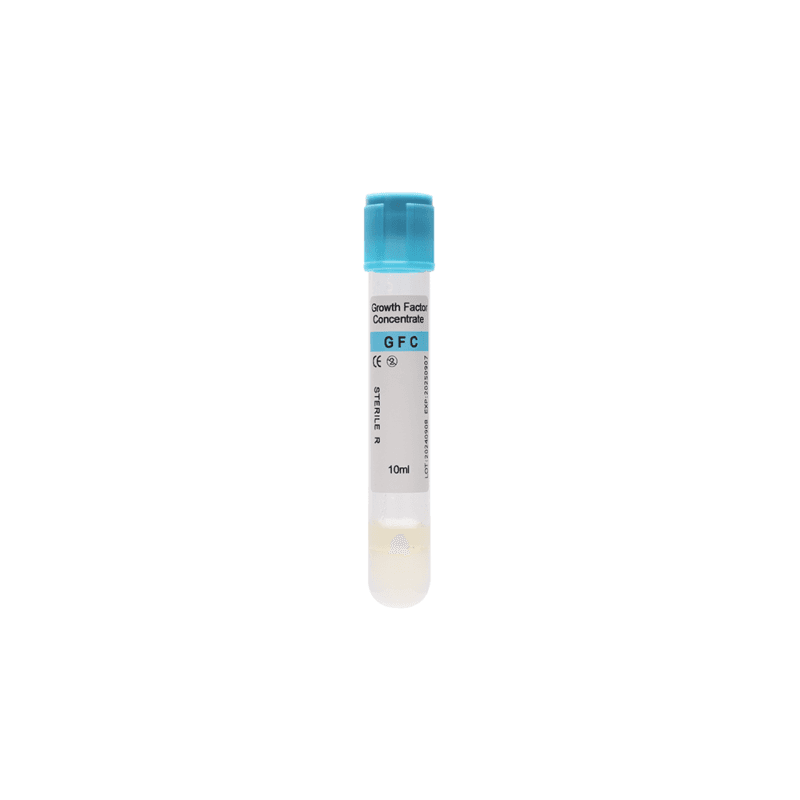
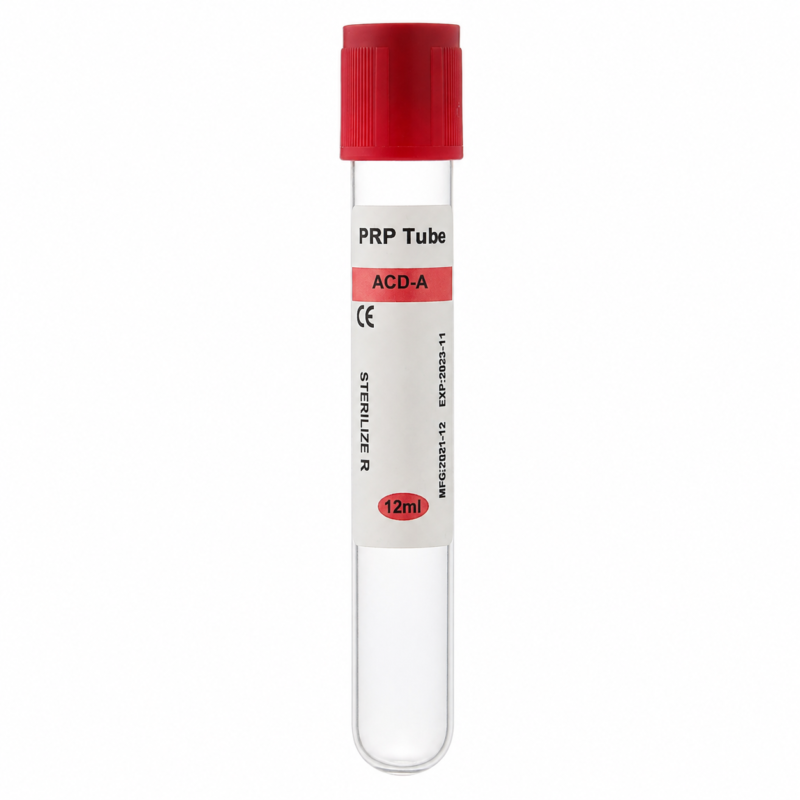
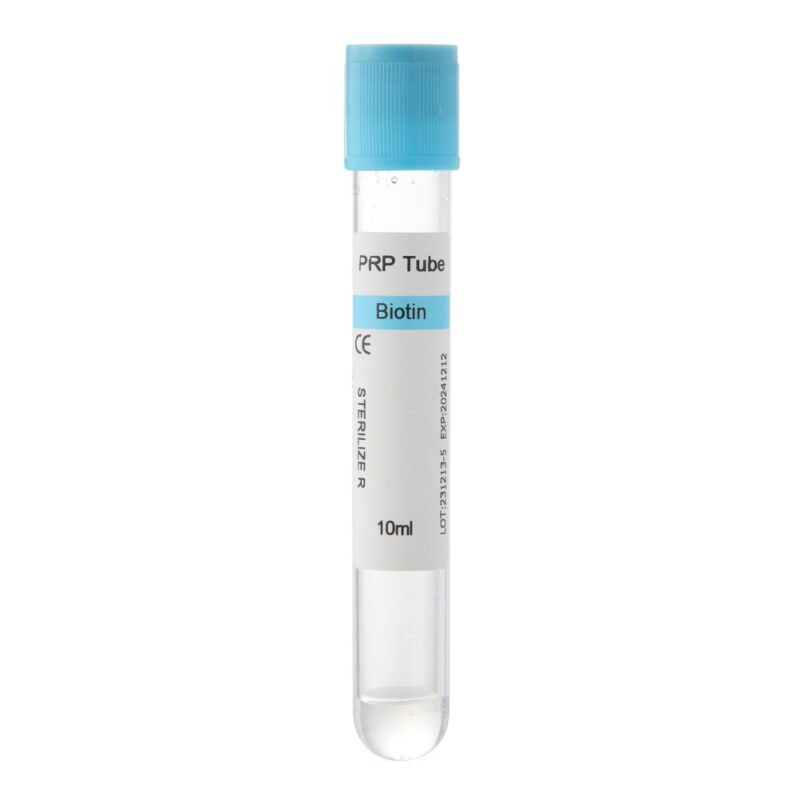
- Collection volume and final PRP volume. The tube’s labeled draw volume describes how much blood it is designed to collect. The final usable volume depends on the preparation system and workflow. If a supplier quotes a yield, ask how it was measured and which model and equipment produced it.
- Anticoagulant and separator. Check the model’s documentation for the anticoagulant and whether the tube uses a separator. If two options share the same nominal capacity, compare these details and the documented collection requirements before deciding which sample to evaluate.
- Cell profile. If your team has a target for platelets or white blood cells, request data relevant to that target. Leukocyte-poor and leukocyte-rich PRP describe white-cell profiles. Platelet concentration describes how many platelets are present per unit of volume. The total platelet count in the collected fraction also depends on its volume.
For example, two tubes may fit the same centrifuge and have the same labeled draw volume. If one supplier reports platelet concentration and the other reports only usable volume, you still need a common set of measurements to compare the preparations. Decide which results matter to the clinical team, then use those same criteria for each sample.
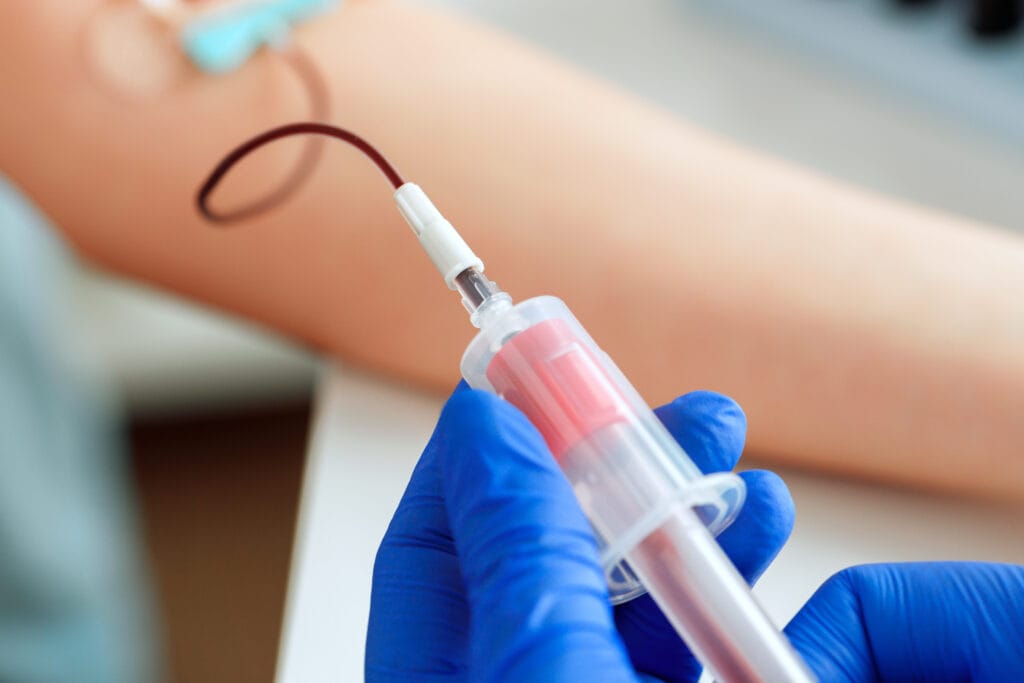
What to verify during PRP tube sample evaluation
Ask for a sample label and model-specific instructions for use (IFU) for the tube listed on the quotation. Verify the documented intended purpose and check which documents are available for the destination market. Keep the IFU with the sample evaluation record so the clinic can review it alongside the test results.
Next, confirm how the tube fits the centrifuge model, rotor and holder your team uses. Check the tube dimensions and operating conditions in the manufacturer’s documentation. If your clinic is changing tube models, have the clinical team review any required workflow changes before the sample evaluation.
Define the acceptance criteria before comparing samples. A practical record can include the tube model and lot, collection volume, usable PRP volume and any platelet or white-cell measurements your team requires. Record how the measurements were obtained so the results can be interpreted later. During the same review, check the packaging condition, label legibility and lot identification.
If a sample’s output falls outside the clinic’s acceptance range, check what the supplier measured and whether the documented operating conditions match your setup. Document the discrepancy and ask the supplier to clarify its test method or provide data for the relevant setup.
If you are evaluating a kit, note which components the clinic used during the trial. Ask for a packing list before ordering so your receiving team knows what to check on arrival.
How to prepare a bulk PRP tube inquiry
Base your estimated quantity on expected case volume and the number of tubes your clinic plans to use per preparation. Add any separate allocation for samples or staff training. Published studies use different treatment schedules, so the clinic’s own planned workflow is the more useful basis for estimating demand.
Check whether each price is per tube, per kit or per pack. To compare offers, work out the cost per preparation using the quantities your clinic expects to use. Check minimum order quantities and lead times as well, especially if you need a smaller first order before supplying several clinics.
A clear request for quotation includes the destination market, centrifuge model, tube or kit preference, estimated order volume and any documentation your customer requires. If you need samples before placing a bulk order, state what your team plans to evaluate and when it expects to make a decision.
To build a shortlist for your team, browse Siny PRP’s orthopedic PRP product range.
Frequently asked questions
Clinical questions
Is PRP for ankle sprains a first-line treatment?
Evidence remains insufficient to support routine first-line use. For most lateral sprains, care starts with appropriate support and progressive rehabilitation. A clinician may discuss PRP as an additional option based on the specific injury and treatment goals.
Is there an established number of injections for an ankle sprain?
The available evidence does not establish a standard schedule. Studies have used different timings, preparations and patient groups. Decisions about whether to use an injection and when to give it depend on the clinical assessment.
Procurement and product evaluation questions
Can a routine blood collection tube replace a dedicated PRP tube?
Check the exact device’s labeled purpose and instructions. Tubes can share an anticoagulant name while differing in additive amounts, collection requirements and compatibility with the site’s workflow. Ask for documentation for the specific model before evaluating it as a substitute.
What should a clinic verify before switching PRP tube models?
Compare the two models’ intended use, instructions and centrifuge fit. Then check the new model against the same acceptance criteria the clinic uses for its current preparation. Have the clinic record the approved code and any changes to its working instructions before purchasing the replacement.
Is it better to order PRP tubes alone or in a kit?
Start with what the clinic already stocks and what the selected product’s instructions call for. A kit can simplify ordering when you need several components together. If you buy tubes separately, check which other consumables the clinic will need.
What should a distributor request with a PRP tube quotation?
Ask for quantity-based pricing, any sample fees, delivery terms and the quote’s validity period. If you supply several clinics, request separate line items so each customer can review its own quantities and costs.
Discuss your PRP tube requirements
If your team is comparing tubes for a new workflow or evaluating a replacement for an existing one, tell us what you want to assess during sample review. To discuss suitable options or request samples, contact Siny PRP with your centrifuge model, destination market and estimated order volume.